More like Devil's Race
anchored on:horrornorth americayoung adultghost storiescursescoming of age+3 more
but
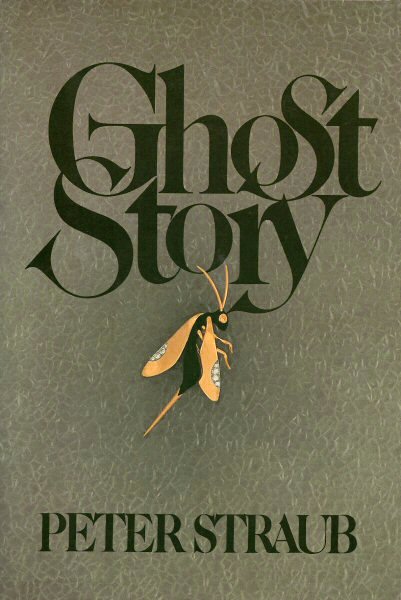
- Ghost Story
Peter Straubstandalone novel1979
similar bytensenorth americahorrorghost storiesdarkfamily secrets
Four prominent citizens of a small town in upstate New York who share guilt over something that happened in their youth are revisited late in life by a destructive evil force which uses their guilt as an opportunity to destroy them as well as the entire town.
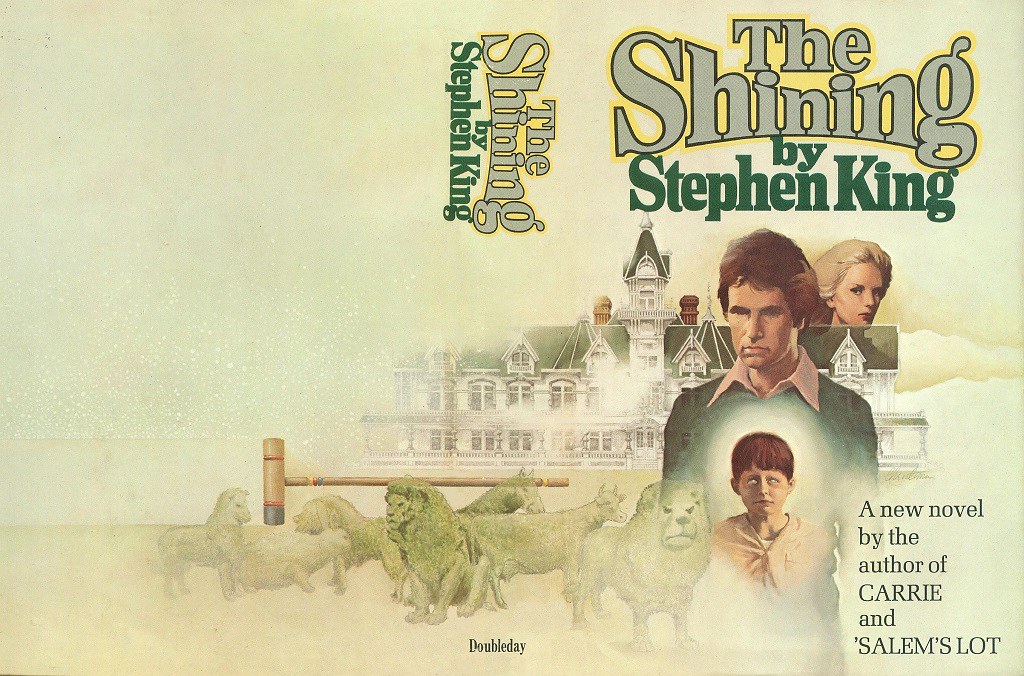
- The Shining
series5 books1977
similar bytensenorth americahorrordark+2 more
Stephen King's 1977 novel The Shining follows the Torrance family as winter caretakers of the isolated, malevolent Overlook Hotel, where father Jack is gradually consumed by the hotel's influence while his young son Danny's psychic "shining" draws its attention. Doctor Sleep (2013) picks up the story decades later, following Danny as an adult still marked by that childhood ordeal. Together the two form a horror duology spanning nearly forty years of real-world publication.
- Carrie
Stephen Kingstandalone novel1974
similar bytensehorrornorth americadarkcoming of age
In one way or another, everybody abused Carrie. This sixteen-year-old misfit was forbidden everything that was young and fun by her fanatical mother. She was teased and taunted by her classmates, misunderstood by her teachers, and given up as hopeless by almost everyone. But Carrie had a secret: She possessed terrifying telekinetic powers that could make inanimate objects move, a lighted candle fall, or a door lock. Carrie could make all kinds of startling bizarre, and malevolent things happen. (WorldCat)
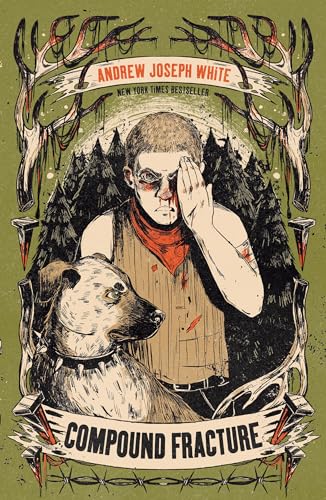
- Compound Fracture
Andrew Joseph Whitestandalone novel2024
similar bytensenorth americahorrorghost storiesdarkfamily secretsyoung adult+1 more
Compound Fracture is a 2024 thriller young adult novel by Andrew Joseph White published by Peachtree Teen. Set in West Virginia in 2017, the story follows Miles Abernathy, a trans, autistic teen, whose family is part of an ongoing feud with the sheriff over the exploitation of the locals. He releases photographic evidence of the sheriff staging an accident that injured his father and killed others and is beaten close to death by the sheriff's son in retaliation. After recovering he becomes haunted by the spirit of Saint Abernathy, an executed relative.
- White Smoke
Tiffany D. Jacksonstandalone novel2021
similar bytensenorth americahorrorghost storiesfamily secretsyoung adult+1 more
Marigold is running from ghosts. The phantoms of her old life keep haunting her, but a move with her newly blended family from their small California beach town to the embattled Midwestern city of Cedarville might be the fresh start she needs. Her mom has accepted a new job with the Sterling Foundation that comes with a free house, one that Mari now has to share with her bratty ten-year-old stepsister, Piper. The renovated picture-perfect home on Maple Street, sitting between dilapidated houses, surrounded by wary neighbors has its... secrets. That’s only half the problem: household items vanish, doors open on their own, lights turn off, shadows walk past rooms, voices can be heard in the walls, and there’s a foul smell seeping through the vents only Mari seems to notice. Worse: Piper keeps talking about a friend who wants Mari gone. But "running from ghosts" is just a metaphor, right? As the house closes in, Mari learns that the danger isn’t limited to Maple Street. Cedarville has its secrets, too. And secrets always find their way through the cracks.
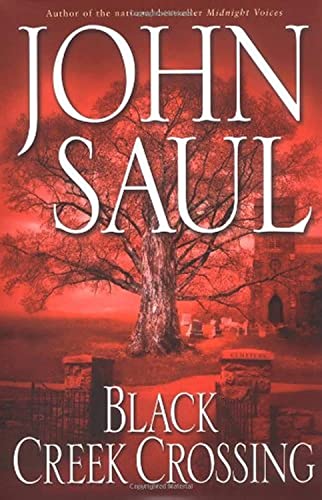
- Black Creek Crossing
John Saulstandalone novel2004
similar bytensenorth americahorrorghost storiesdarkfamily secrets+1 more
Black Creek Crossing is a thriller horror novel by John Saul, published by Ballantine Books on March 16, 2004. The novel follows the story of teenage Angel Sullivan, who moves into a new house in a new town with her family, and she learns of a brutal murder that occurred in her new home, and begins to think it may be haunted.
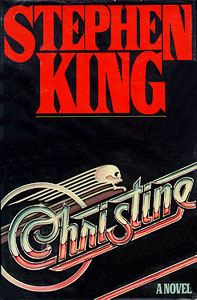
- Christine
Stephen Kingstandalone novel1983
similar bytensenorth americahorrordarkcoming of age
Christine is a horror novel by American writer Stephen King, published in 1983. It tells the story of a car possessed by malevolent supernatural forces.
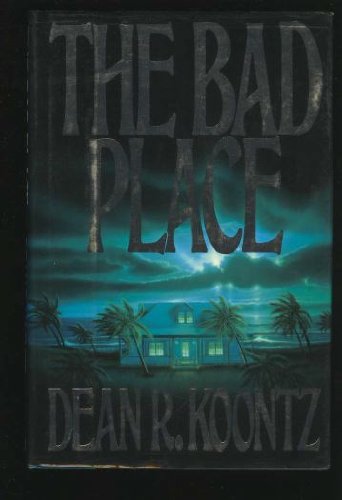
- The Bad Place
Dean R. Koontzstandalone novel1990
similar bytensenorth americahorrordarkidentity+1 more
The Bad Place is a horror novel by American writer Dean Koontz, released in 1990. It includes elements of horror, suspense, and mystery, and is presented partially as a twist on the private eye drama. The story follows Frank Pollard, a man who wakes up each night with no memory of where he has been or what he has done, only to find himself covered in injuries or in possession of strange items. As his condition worsens, private investigators Bobby and Julie Dakota are hired to track him and uncover the truth behind his blackouts. Their investigation leads them into a disturbing web of genetic experimentation, family secrets, and a hidden force manipulating human lives from the shadows. As the plot unfolds, the novel reveals that Frank and others are being pursued by powerful, almost inhuman figures connected to a twisted experiment involving selective breeding and enhanced abilities. The Dakotas become entangled in a struggle not only to save Frank but also to survive against forces that seem to operate beyond normal human limits. Themes in the novel include identity, memory loss, the abuse of science, and the nature of evil. Koontz blends psychological horror with fast-paced action, creating a narrative that shifts between detective fiction and supernatural thriller. The book received generally positive reception from readers who enjoyed Koontz’s signature suspense style, though some critics noted its complex and sometimes chaotic plot structure. Over time, it has remained one of his more memorable early-1990s works due to its unusual blend of genres and its dark, unsettling tone.
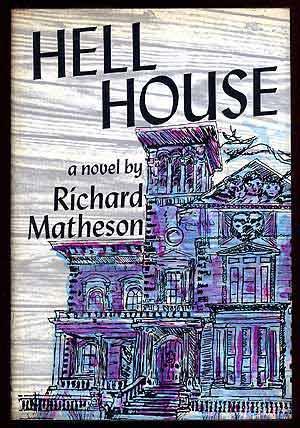
- Hell House
Richard Mathesonstandalone novel1971
similar bytensenorth americahorrorghost storiesdark
A dying millionaire wants proof, once and for all, of what happens after death, and hires physicist-turned-parapsychologist Dr. Lionel Barrett to spend a week investigating the Belasco House in Maine -- a mansion so thoroughly associated with atrocity that it's known simply as Hell House, where every previous investigation has ended in death or madness. Barrett brings his wife Edith along with two mediums, the spiritualist Florence Tanner and Benjamin Franklin Fischer, survivor of an earlier disastrous visit, whose scientific skepticism and spiritualist convictions clash from the first night inside. Richard Matheson's haunted-house novel, later filmed as The Legend of Hell House.
- Heart-Shaped Box
Joe Hillstandalone novel2007
similar bytensehorrornorth americaghost storiesdark
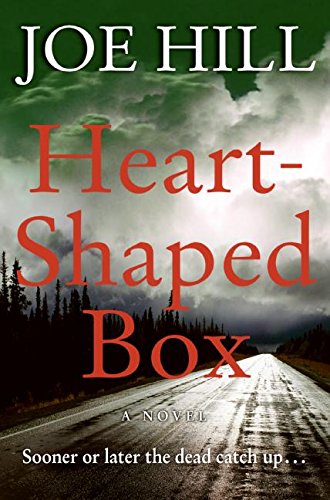
Heart-Shaped Box is the debut horror novel by American author Joe Hill. The book was published on February 13, 2007, by William Morrow.
- All Heads Turn When the Hunt Goes by
John Farrisstandalone novel1977
similar bytensenorth americahorrordarkcursesfamily secrets
The affair is a military wedding. The groom's parents are the Bradwins, one of the oldest and most distinguished families in Virginia. The family head, General "Boss" Bradwin, is a famous army officer. Of all his prized sons, his youngest, "Clipper" Bradwin, is the most promising. First in his class at Blue Ridge Military Academy, graduate with all honors, he is now entering into holy matrimony and then into wartime service of his country. What will begin, however, with the solemnity of his marriage vows will end in the echoing screams of the damned-an ungodly spectacle of spilled blood and sobbing, throat-aching terror. For this distinguished family is like no other on earth. There is a curse on their blood. Their family history is rooted not in magnolia and honeysuckle, but in darkness and demonism, in frightening forces beyond their knowledge and control. Their august history begins not in antebellum mansions, but with supernatural sorcery in the ancient rites and rituals of dark African jungles. There is a curse that grips the Bradwins from generation to generation, from horror to bloody horror, and that climaxes in a spine-chilling nightmare of black occultism and blood vengeance.
- The Weight of Blood
Tiffany D. Jacksonstandalone novel2022
similar bytensenorth americahorrordarkcoming of ageyoung adult
The Weight of Blood is a 2022 young adult horror novel by Tiffany D. Jackson. Set in the fictional "sundown town" of Springville, Georgia, the story follows Maddy Washington, a biracial high school senior who has been forced by her racist father to hide her ethnicity by passing as white and straightening her hair. When a rainstorm leads to her hair reverting to its natural form, her heritage is revealed and a viral bullying video exposes the racism at Springville High. In a bid to salvage the school’s reputation, popular and high-achieving Wendy Quinn convinces her Black football star boyfriend to take Maddy to prom. However, a revenge prank pulled by one of her bullies on prom night humiliates Maddy, setting off a chain of events that destroy the town and leave her classmates dead.
- The House Next Door
Anne Rivers Siddonsstandalone novel1978
similar bytensenorth americahorrorghost storiescurses
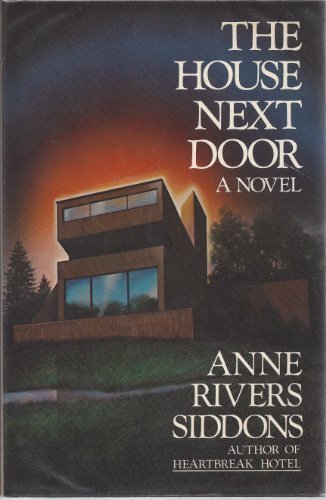
Thirtysomething Colquitt and Walter Kennedy live in a charming, peaceful suburb of newly bustling Atlanta, Georgia. Life is made up of enjoyable work, long, lazy weekends, and the company of good neighbors. Then, to their shock, construction starts on the vacant lot next door, a wooded hillside they'd believed would always remain undeveloped. Disappointed by their diminished privacy, Colquitt and Walter soon realize something more is wrong with the house next door. Surely the house can't be "haunted," yet it seems to destroy the goodness of every person who comes to live in it, until the entire heart of this friendly neighborhood threatens to be torn apart.
- Falling Angel
William Hjortsbergstandalone novel1978
similar bytensenorth americahorrordarkidentity
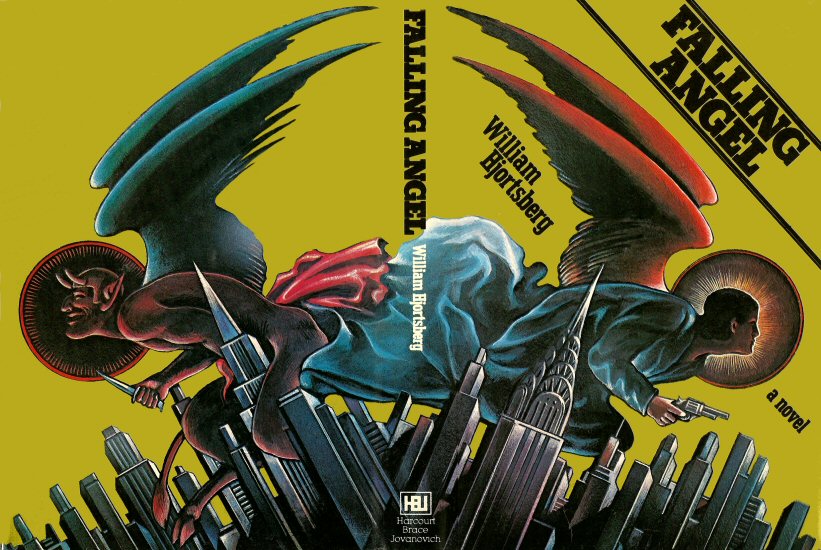
Falling Angel is a 1978 horror novel by American writer William Hjortsberg. Written in a hardboiled detective style with supernatural themes, it was adapted into the 1987 film Angel Heart.
- Harvest Home
Thomas Tryonstandalone novel1973
similar bytensenorth americahorrordarkfamily secrets
What is the dark secret the people (especially the women!) of Harvest Home are hiding? A family tries to get out of the City and finds the perfect home for their young daughter complete with folk remedies for her allergies and sensitivities in the local wisewoman. But is there something sinister under the surface of the charming little town?
- The Haunting
Joan Lowery Nixonstandalone novel1998
similar bytensenorth americahorrorghost storiesfamily secretsyoung adult
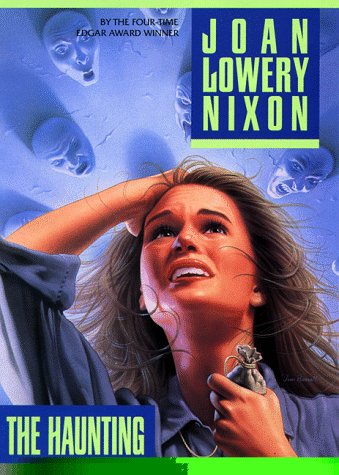
"The walls whisper. The ceilings shriek. No one can survive a night of terror inside Graymoss. The old plantation house has been in Lia's family since the Civil War, but it's been possessed for generations by a malicious spirit, and Lia's family has always stayed far away. Now her parents have decided to move into Graymoss, and Lia must either change their minds or chase away the horror lurking inside the old house. Using clues from her great-great-great-grandmother's diary and an old copy of Favorite Tales of Edgar Allan Poe, Lia must discover what—or who—the evil wants." — quoted from the tenth printing's paperback's back cover.
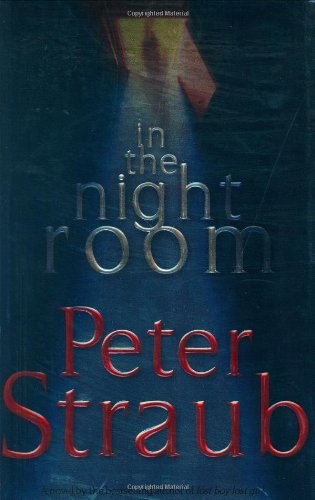
- In the Night Room
Peter Straubstandalone novel2004
similar bytensehorrornorth americadarkidentity+2 more
In the Night Room is a 2004 horror-thriller novel by American author Peter Straub, a sequel to his 2003 book Lost Boy, Lost Girl. The work was first published in hardback on October 26, 2004, through Random House and it won the 2004 Bram Stoker Award for Novel. Straub encountered some difficulties while writing In the Night Room and had written several different passages for the work before growing bored with each version before writing it using the same technique he used for its predecessor in which he "reached down inside the book and turned it inside out."
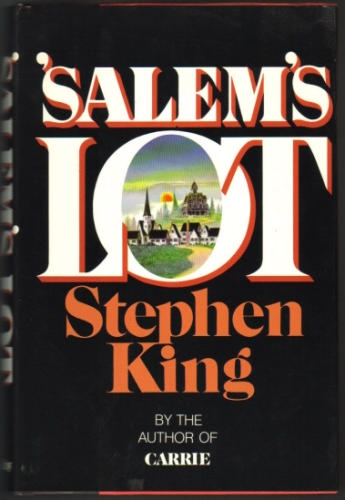
- Jerusalem's Lot
series3 books1975
similar bytensehorrornorth americadark
Stephen King's 1975 novel 'Salem's Lot follows writer Ben Mears as he returns to his childhood town of Jerusalem's Lot, Maine, only to discover that its residents are being turned into vampires by a newly arrived stranger. It transplants Gothic vampire horror into a small New England community, tracking that community's collapse under a supernatural siege. It is a single, self-contained novel.
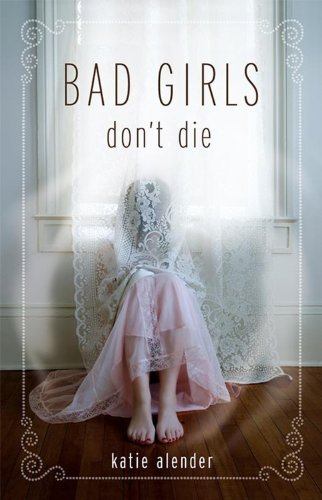
- Bad Girls Don't Die
series3 books2009
similar bytensehorrornorth americaghost storiesyoung adultcurses+2 more
- In the Dark of the Night
John Saulstandalone novel2006
similar bytensehorrornorth americaghost storiesdarkcoming of age
In the Dark of the Night is a thriller horror novel by author John Saul, published by Ballantine Books on July 18, 2006. The novel follows the story of teenagers who find various objects once owned by serial killers, and they soon become possessed by the spirits that haunt them.
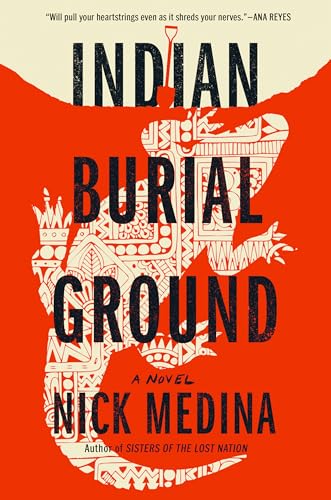
- Indian Burial Ground
Nick Medinastandalone novel2024
similar bytensenorth americahorrordarkcursesfamily secrets
Indian Burial Ground is a 2024 horror novel by American author Nick Medina.
- Pretty Little Devils
Nancy Holderstandalone novel2006
similar bytensehorrornorth americadarkcoming of ageyoung adult
Hazel Stone wants nothing more than to be a part of the hottest clique in school, the Pretty Little Devils, but she's stuck at a lunch table full of high school C-listers. Hazel has resigned herself to life as a nobody—when suddenly everything changes. The PLDs invite Hazel to one of the group's famous parties, held at the site of one of their babysitting jobs. Before Hazel knows it, she's in with the in crowd—and she couldn't be more thrilled!But nothing turns out the way she expects. Especially when one her classmates becomes jealous of her newfound status—deadly jealous.Author Nancy Holder weaves a wicked tale about the price of popularity, and having the kind of friends some girls would just die for.
- Rosemary Reilly
series2 books1967
completed
similar bytensehorrornorth america+1 more
Rosemary's Baby follows a young wife in a Gothic Manhattan apartment building who grows increasingly convinced that her elderly neighbors, and even her own husband, are part of a conspiracy surrounding her pregnancy. Ira Levin returned to the character thirty years later in the 1997 sequel Son of Rosemary. Together the two novels form a short, self-contained horror series about faith, control, and motherhood.
- Comes the Blind Fury
John Saulstandalone novel1980
similar bynorth americahorrorghost storiescurses+2 more
WorldCat: When Michelle comes to visit on Paradise Point, she sees the hand of a blind girl who died a century ago, reaching out to her from the swirling mists.