More like Failed Future
but
- The Hobbit
series2 books1937
completed
part of Tolkien's legendarium
similar byfantasyadventuroussecondary world+2 more
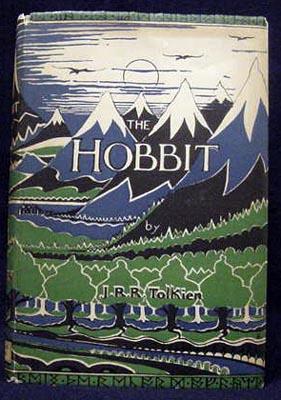
The Hobbit (1937) is J. R. R. Tolkien's children's fantasy novel following the reluctant burglar Bilbo Baggins, who joins a company of dwarves and the wizard Gandalf on a journey to reclaim treasure guarded by the dragon Smaug. It stands as a complete adventure on its own, but shares its setting with the rest of Tolkien's legendarium and leads into the events of The Lord of the Rings.
- Narnia
series26 books1950
part of Narnia Universe
similar byfantasyadventuroussecondary world+1 more
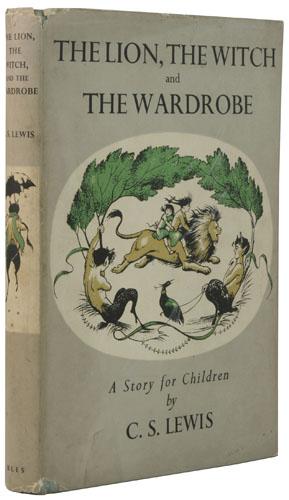
The Chronicles of Narnia is a series of seven portal fantasy novels by British author C. S. Lewis. Illustrated by Pauline Baynes and originally published between 1950 and 1956, the series is set in the fictional realm of Narnia, a fantasy world of magic, mythical beasts, and talking animals. It narrates the adventures of various children who play central roles in the unfolding history of the Narnian world. Except in The Horse and His Boy, the protagonists are all children from the real world who are magically transported to Narnia, where they are sometimes called upon by the lion Aslan to protect Narnia from evil. The books span the entire history of Narnia, from its creation in The Magician's Nephew to its eventual destruction in The Last Battle.
- Shannara
universe50 books1977
Start hereWord and the Void · The very beginning of the timeline
similar byfantasysecondary world+1 more
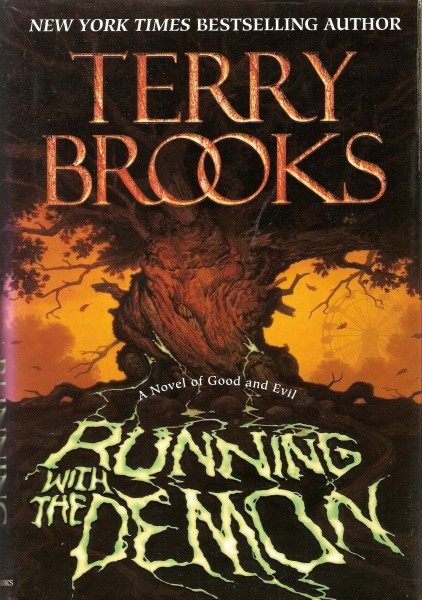
Long after the world we know has burned itself to slag in the Great Wars, the Four Lands rise green over the bones of the old age. Science is a forbidden memory; magic has come back into the world, and with it the old divisions — Men, Elves, Dwarves, Trolls, and Gnomes, each Race a splinter of what humanity became. This is the far-future Earth of Shannara, where the ruins buried beneath the soil are ours, and the only keepers of the vanished knowledge are the Druids of Paranor, who wake once a generation to meet the darkness rising again. Terry Brooks opened the Four Lands in 1977 with The Sword of Shannara and has charted its history for four decades since — a legendarium ordered not by throne but by a single bloodline, the Ohmsfords, each generation inheriting an Elfstone, a blade, or a wishsong when the age demands a hero. The original trilogy gives way to the Heritage of Shannara, the Voyage of the Jerle Shannara, the High Druid, Dark Legacy, Defenders, and the concluding Fall of Shannara; the Genesis of Shannara books reach back to the apocalypse itself, and the Word and the Void trilogy back further still, into a demon-haunted version of our own present that is the root of everything after. In 2025 Brooks passed the histories to Delilah S. Dawson to carry forward. What sets these books apart is their long memory: a world where every triumph is provisional, where the same evil returns wearing a fresh shape each age, and magic always exacts its price. The reading is warm and headlong — questing companies, old talismans, journeys across a mapped and named wilderness — shadowed by the knowledge that all of it stands on the wreckage of a former world. Enter as readers first did: with The Sword of Shannara, then onward in publication order. The chronological path, beginning with Word and the Void, rewards a second journey, once the Four Lands already feel like home.
- Damar
series6 books1982
similar byfantasyadventuroussecondary world+2 more
Robin McKinley's Damar novels are set in a desert kingdom threatened by invasion from the north. The Blue Sword follows Harry Crewe, an orphaned outsider drawn into the Hillfolk's magic and their war; The Hero and the Crown, a Newbery Medal-winning prequel, tells how the earlier book's legendary dragon-slayer Aerin earned her place in Damar's history. The two novels can be read in either order and were written eight years apart.
- Cosmere
universe54 books2005
Start hereThe Final Empire · Start here
similar byfantasysecondary world+1 more
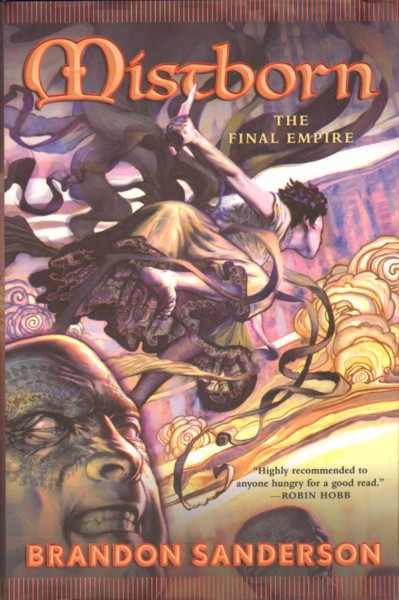
Before the worlds, there was Adonalsium, and then there was not. A god shattered into sixteen Shards of raw creative power, and those who seized them carried their fragments across the void to seed new planets, new peoples, new ways of working the impossible. The Cosmere is the one universe those Shards made: a scattering of worlds that seem, at first, to share nothing but a sky, until you notice the same law running quietly beneath each of them, and the same silent traveler passing through their margins. Every world keeps its own book and its own magic. On Scadrial, the Mistborn cycle burns metals into power: a self-contained trilogy of thieves and tyranny, followed by a second era that drags the same world into gunslinging early industry. On storm-battered Roshar, The Stormlight Archive raises its vast, ongoing epic around knights, spren, and oaths spoken aloud. Elsewhere stand the shorter keystones: Elantris, a city of fallen gods; Warbreaker, a tale of returned dead and living color; White Sand, told in graphic-novel form under the twin suns of Taldain. Threaded between them run the novellas, from Tress of the Emerald Sea and Yumi and the Nightmare Painter to The Sunlit Man and the pieces gathered in Arcanum Unbounded, where the hidden connections surface most plainly. All of it is the design of one hand, Brandon Sanderson, working a single pattern across two decades. What sets this universe apart is its faith in rules: magic here is a system, lawful and learnable, so discovery feels less like wonder handed down than like physics worked out. The cross-connections reward the patient reader, a symbol here, a name there, one immortal wanderer everywhere, but no book demands you have read another first. Newcomers do best entering through Mistborn: The Final Empire, the most self-contained doorway, or the standalone Elantris or Warbreaker; readers who prefer their epics vast can begin with The Way of Kings. The deeper links, and the novellas that expose them, wait for whenever you are ready to look.
- Throne of Glass
series15 books2012
similar bysecondary worldyoung adult+3 more
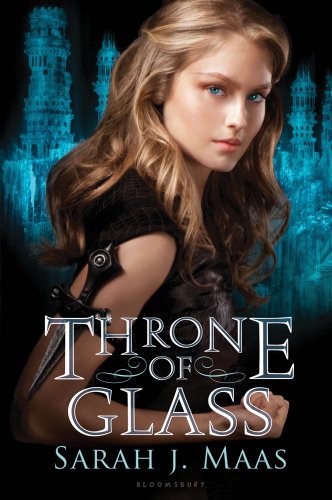
Throne of Glass is a epic fantasy novel series by American author Sarah J. Maas, beginning with the entry of the same name, released on August 2, 2012. The story follows the journey of Celaena Sardothien, a teenage assassin in a corrupt kingdom with a tyrannical ruler, the King of Adarlan. As the story progresses, Celaena forms unexpected bonds and uncovers a conspiracy amidst her adventures. The series concluded with the eighth book in October 2018.
- The Keys to the Kingdom
series7 books2003
similar bychosen onefantasyadventurousyoung adult+1 more
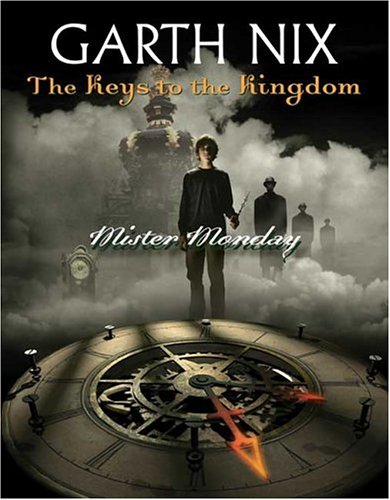
The Keys to the Kingdom is a fantasy-adventure book series written by Garth Nix, comprising seven books published between 2003 and 2010. The series chronicles the adventures of a boy named Arthur, who becomes involved with a magical world called the 'House'; he is on a quest to take back the House from seven antagonistic 'Trustees'.
- Three Hearts and Three Lions
series3 books1961
similar byfantasyadventuroussecondary world+1 more
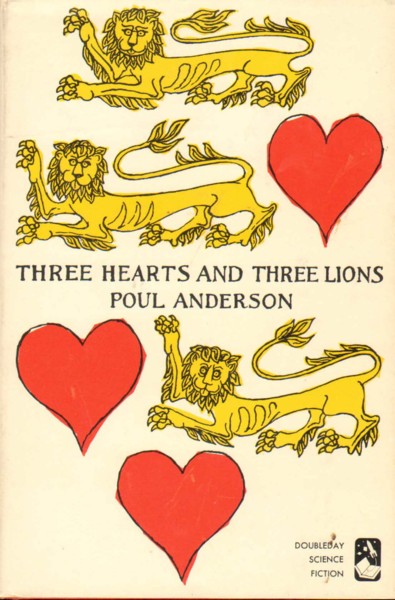
Three Hearts and Three Lions (1961, expanded from a 1953 novella) follows Holger Carlsen, a Danish resistance fighter wounded fighting the Nazis, who wakes in a medieval world of knights, dragons, and sorcery drawn from Carolingian legend. Poul Anderson wrote it as a self-contained portal fantasy; the later story Three Lilies and Three Leopards, by Harry Turtledove and Tad Williams, is a tribute piece published in an anniversary anthology rather than a true narrative sequel.
- Fionavar Universe
series5 books1984
similar byfantasysecondary world+2 more
Ysabel is a 2007 standalone contemporary fantasy novel by Guy Gavriel Kay, following teenager Ned Marriner as he stumbles into a centuries-old rivalry playing out around the cathedral of Aix-en-Provence. It marked Kay's turn toward urban fantasy and briefly brings back two adult characters from his earlier Fionavar Tapestry trilogy, though it is not itself part of that trilogy and can be read on its own.
- The Well at the World's End
William Morrisstandalone novel1896
similar byfantasyadventuroussecondary world+1 more
The Well at the World's End is a high fantasy novel by the British textile designer, poet, and author William Morris. It was first published in 1896 and has been reprinted repeatedly since, most notably in two parts as the 20th and 21st volumes of the Ballantine Adult Fantasy series, in August and September 1970.
- Pellinor
series5 books2002
similar bychosen onefantasyadventuroussecondary worldyoung adult
Maerad has spent most of her life enslaved on a remote farm, until the wandering Bard Cadvan recognizes in her the Gift -- a rare and powerful magical ability -- and takes her from captivity into training. Alison Croggon's Books of Pellinor follow Maerad across the world of Edil-Amarandh as she's drawn into a prophecy naming her the only one who might stop the Nameless One, an ancient and corrupting sorcerer, while she also searches for her lost family. The series runs through The Gift, The Riddle, The Crow, The Singing, and the later prequel The Bone Queen.
- The Quest of the Riddle-Master
series3 books1976
completed
similar byfantasyadventuroussecondary world+1 more
Patricia A. McKillip's Riddle-Master trilogy follows Morgon, prince of the small island of Hed, whose discovery of three star-shaped birthmarks on his forehead draws him into a search for his own hidden identity and a confrontation with ancient, shape-shifting powers. Drawing on Celtic myth, the three books are prized for their lyrical prose and riddle-based magic, and are often cited among the best high fantasy of the 1970s.
- Realm Breaker
series3 books2021
similar bysecondary worldyoung adult+3 more
Realm Breaker follows Corayne an-Amarat, an ordinary young woman living in a quiet coastal town, who learns she's the last of an ancient bloodline capable of standing against an immortal warlord raising an army to tear the world apart with a stolen, realm-breaking sword. Victoria Aveyard's trilogy, continuing through Blade Breaker and Fate Breaker, sends Corayne out with a small band of reluctant allies on a race against the warlord's forces.
- Karou
series4 books2011
similar byfantasysecondary worldyoung adult
Daughter of Smoke and Bone is a young-adult fantasy book series written by Laini Taylor and published by Hachette Book Group, an imprint of Little, Brown and Company. It is a complete trilogy, Daughter of Smoke and Bone being published on 27 September 2011 in the United States; Days of Blood and Starlight on 6 November 2012 in the United States; and the third book Dreams of Gods and Monsters on April 1, 2014. The books have been published in a variety of different languages.
- Age of Legends
series4 books2014
similar byadventuroussecondary world+2 more
Age of Legends is a fantasy trilogy by Kelley Armstrong, comprising Sea of Shadows, Empire of Night, and Forest of Ruin (2014–2016), distinct from her contemporary paranormal Darkest Powers books.
- The Grisha
series9 books2012
part of Grishaverse
similar bychosen onefantasyadventuroussecondary worldyoung adult
Leigh Bardugo is an American fantasy author. She is best known for her young adult Grishaverse novels, which include the Shadow and Bone trilogy and the Six of Crows and King of Scars duologies. She also received acclaim for her paranormal fantasy adult debut, Ninth House. The Shadow and Bone and Six of Crows series have been adapted into Shadow and Bone by Netflix, and Ninth House will be adapted by Amazon Studios; Bardugo is an executive producer on both works.
- The Stormlight Archive
series15 books2010
part of Cosmere
similar byfantasyadventuroussecondary world+1 more
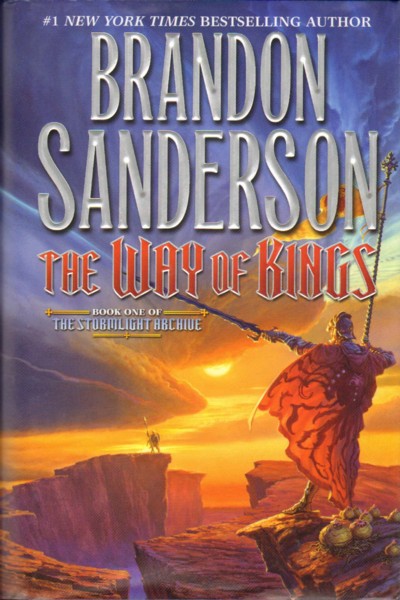
The Stormlight Archive is a high fantasy novel series written by American author Brandon Sanderson, planned to consist of ten novels. As of 2024, the series comprises five published novels and two novellas, set within Sanderson's broader Cosmere universe. The first novel, The Way of Kings, was published on August 31, 2010. The second novel, Words of Radiance, was published on March 4, 2014 and debuted at number one on The New York Times Best Seller List. This was repeated by Oathbringer and Rhythm of War. The fifth novel, Wind and Truth, was released December 6, 2024. Sanderson has indicated that he will start drafting the latter half of the series after he finishes writing the upcoming Era Three Mistborn trilogy and the two Elantris sequels. The series has been adapted as a VR Experience and a tabletop roleplaying game.
- The School for Good and Evil
series8 books2013
similar byfantasyadventuroussecondary world+1 more
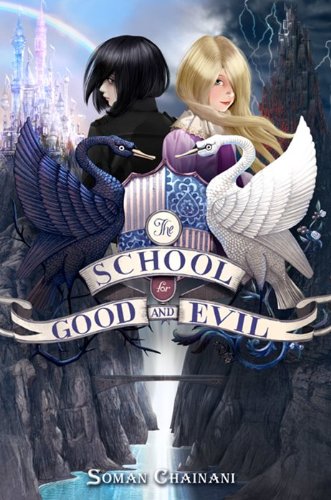
The School for Good and Evil is a series of books by Soman Chainani based on fairy tales. The first novel in the series was published on May 14, 2013. The series is set in a fictional widespread location known as the Endless Woods.
- Thomas Covenant the Unbeliever
series11 books1977
similar byfantasysecondary world+1 more
The Chronicles of Thomas Covenant is a series of ten high fantasy novels written by American author Stephen R. Donaldson. The series began as a trilogy, The Chronicles of Thomas Covenant the Unbeliever. This was followed by another trilogy, The Second Chronicles of Thomas Covenant, and finally a tetralogy, The Last Chronicles of Thomas Covenant.
- The Queen of the Tearling
series4 books2014
similar bysecondary world+2 more
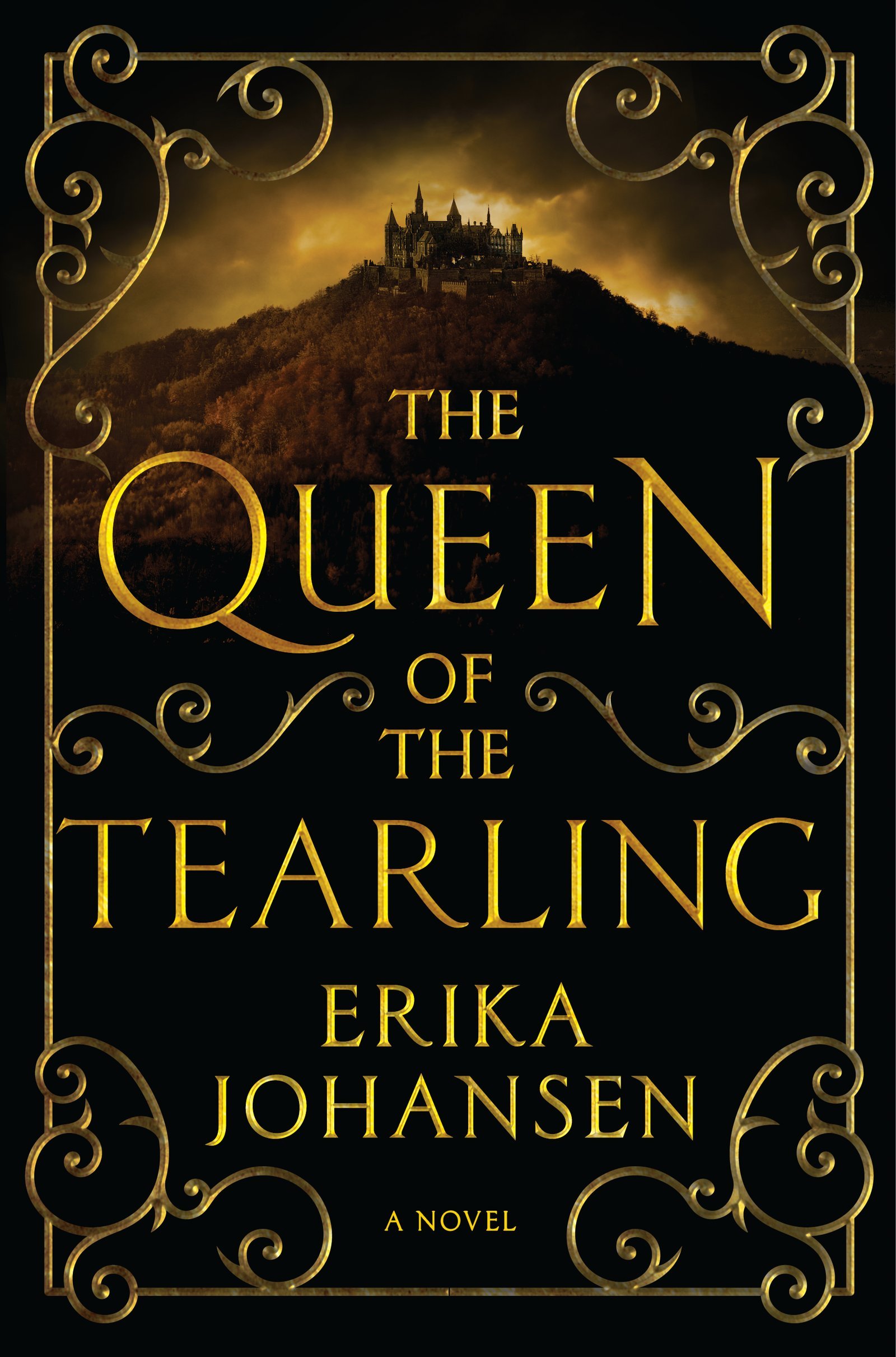
Erika Johansen's Queen of the Tearling trilogy follows Kelsea Raleigh Glynn, heir to a struggling kingdom on a future landmass, as she's thrust from hiding into a throne threatened by more powerful neighboring realms. The series carries its post-collapse setting lightly at first, only gradually revealing how this world descended from something recognizably our own. Beneath the Keep, a later addition, moves backward to the kingdom's founding.
- Halfblood Chronicles
series3 books1991
similar byfantasyadventuroussecondary world
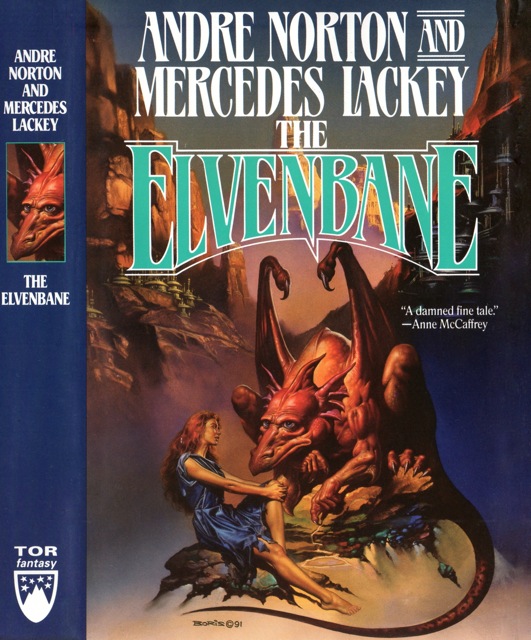
The Halfblood Chronicles is a series of fantasy books originally written by Andre Norton and Mercedes Lackey. The series is set in a mystical world of elves, wizards and dragons. The series was originally released by Tor Books, and comprised three books: Elvenbane (1991), Elvenblood (1995), Elvenborn (2002). Elvenbred, the fourth book in the series, remained unfinished due to the death of Andre Norton.
- Legacy of Orisha
series3 books2018
similar byfantasysecondary worldyoung adult+2 more
Tomi Adeyemi's Legacy of Orïsha trilogy opens with Children of Blood and Bone, following Zélie, a girl from a persecuted caste of former magic-users, on a quest to restore magic to a kingdom that outlawed and hunted her people. Children of Virtue and Vengeance and Children of Anguish and Anarchy continue the fallout of that restoration as new factions fight over who gets to wield the returned power. The series draws on West African mythology and languages for its magic system and setting.