More like Fate's Enforcer
anchored on:fantasysecondary world
but
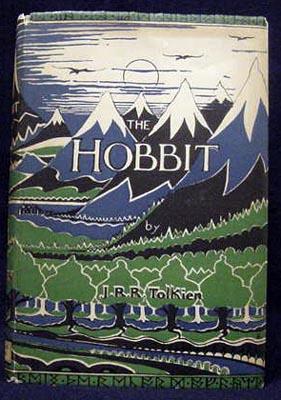
- The Hobbit
series2 books1937
completed
part of Tolkien's legendarium
similar byfantasysecondary world+1 more
The Hobbit (1937) is J. R. R. Tolkien's children's fantasy novel following the reluctant burglar Bilbo Baggins, who joins a company of dwarves and the wizard Gandalf on a journey to reclaim treasure guarded by the dragon Smaug. It stands as a complete adventure on its own, but shares its setting with the rest of Tolkien's legendarium and leads into the events of The Lord of the Rings.
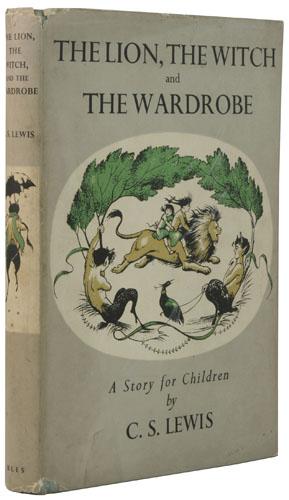
- Narnia
series26 books1950
part of Narnia Universe
similar byfantasysecondary world+1 more
The Chronicles of Narnia is a series of seven portal fantasy novels by British author C. S. Lewis. Illustrated by Pauline Baynes and originally published between 1950 and 1956, the series is set in the fictional realm of Narnia, a fantasy world of magic, mythical beasts, and talking animals. It narrates the adventures of various children who play central roles in the unfolding history of the Narnian world. Except in The Horse and His Boy, the protagonists are all children from the real world who are magically transported to Narnia, where they are sometimes called upon by the lion Aslan to protect Narnia from evil. The books span the entire history of Narnia, from its creation in The Magician's Nephew to its eventual destruction in The Last Battle.
- The Quest of the Riddle-Master
series3 books1976
completed
similar byfantasysecondary world+1 more
Patricia A. McKillip's Riddle-Master trilogy follows Morgon, prince of the small island of Hed, whose discovery of three star-shaped birthmarks on his forehead draws him into a search for his own hidden identity and a confrontation with ancient, shape-shifting powers. Drawing on Celtic myth, the three books are prized for their lyrical prose and riddle-based magic, and are often cited among the best high fantasy of the 1970s.
- Damar
series6 books1982
similar byfantasysecondary world+1 more
Robin McKinley's Damar novels are set in a desert kingdom threatened by invasion from the north. The Blue Sword follows Harry Crewe, an orphaned outsider drawn into the Hillfolk's magic and their war; The Hero and the Crown, a Newbery Medal-winning prequel, tells how the earlier book's legendary dragon-slayer Aerin earned her place in Damar's history. The two novels can be read in either order and were written eight years apart.
- Thomas Covenant the Unbeliever
series11 books1977
similar bysecondary worldfantasy+1 more
The Chronicles of Thomas Covenant is a series of ten high fantasy novels written by American author Stephen R. Donaldson. The series began as a trilogy, The Chronicles of Thomas Covenant the Unbeliever. This was followed by another trilogy, The Second Chronicles of Thomas Covenant, and finally a tetralogy, The Last Chronicles of Thomas Covenant.
- Pellinor
series5 books2002
similar bychosen onefantasysecondary world
Maerad has spent most of her life enslaved on a remote farm, until the wandering Bard Cadvan recognizes in her the Gift -- a rare and powerful magical ability -- and takes her from captivity into training. Alison Croggon's Books of Pellinor follow Maerad across the world of Edil-Amarandh as she's drawn into a prophecy naming her the only one who might stop the Nameless One, an ancient and corrupting sorcerer, while she also searches for her lost family. The series runs through The Gift, The Riddle, The Crow, The Singing, and the later prequel The Bone Queen.
- Guardians of Ga'hoole
series17 books2003
similar byfantasysecondary world
Guardians of Ga'Hoole is a fantasy book series written by Kathryn Lasky and published by Scholastic. The series contains a total of 16 books, and although it was originally intended to conclude with the 2008 publication of The War of the Ember, it has a prequel, The Rise of a Legend, published in 2013. Apart from the main series, there are a few more books and spin-offs set in the same universe. The first three books of the series were adapted into the 2010 animated 3D film Legend of the Guardians: The Owls of Ga'Hoole, directed by Zack Snyder.
- The Well at the World's End
William Morrisstandalone novel1896
similar byfantasysecondary world+1 more
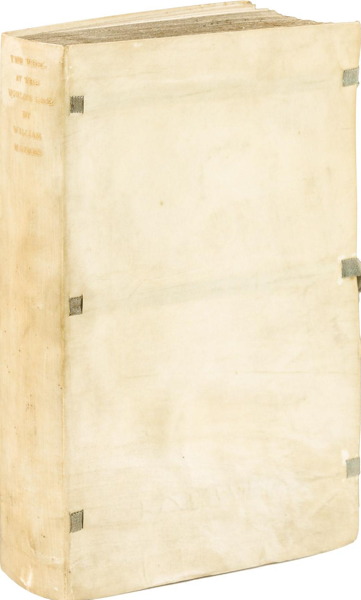
The Well at the World's End is a high fantasy novel by the British textile designer, poet, and author William Morris. It was first published in 1896 and has been reprinted repeatedly since, most notably in two parts as the 20th and 21st volumes of the Ballantine Adult Fantasy series, in August and September 1970.
- Cosmere
universe54 books2005
Start hereThe Final Empire · Start here
similar byfantasysecondary world
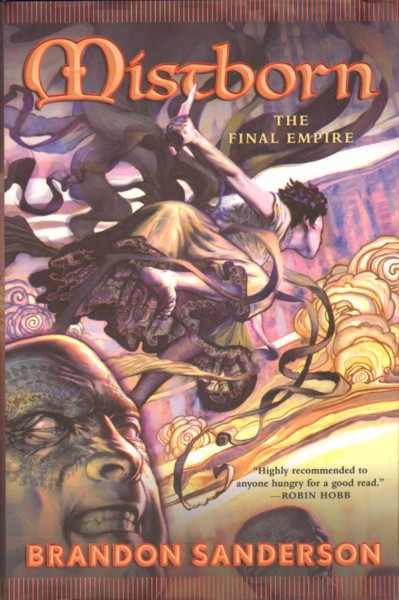
Before the worlds, there was Adonalsium, and then there was not. A god shattered into sixteen Shards of raw creative power, and those who seized them carried their fragments across the void to seed new planets, new peoples, new ways of working the impossible. The Cosmere is the one universe those Shards made: a scattering of worlds that seem, at first, to share nothing but a sky, until you notice the same law running quietly beneath each of them, and the same silent traveler passing through their margins. Every world keeps its own book and its own magic. On Scadrial, the Mistborn cycle burns metals into power: a self-contained trilogy of thieves and tyranny, followed by a second era that drags the same world into gunslinging early industry. On storm-battered Roshar, The Stormlight Archive raises its vast, ongoing epic around knights, spren, and oaths spoken aloud. Elsewhere stand the shorter keystones: Elantris, a city of fallen gods; Warbreaker, a tale of returned dead and living color; White Sand, told in graphic-novel form under the twin suns of Taldain. Threaded between them run the novellas, from Tress of the Emerald Sea and Yumi and the Nightmare Painter to The Sunlit Man and the pieces gathered in Arcanum Unbounded, where the hidden connections surface most plainly. All of it is the design of one hand, Brandon Sanderson, working a single pattern across two decades. What sets this universe apart is its faith in rules: magic here is a system, lawful and learnable, so discovery feels less like wonder handed down than like physics worked out. The cross-connections reward the patient reader, a symbol here, a name there, one immortal wanderer everywhere, but no book demands you have read another first. Newcomers do best entering through Mistborn: The Final Empire, the most self-contained doorway, or the standalone Elantris or Warbreaker; readers who prefer their epics vast can begin with The Way of Kings. The deeper links, and the novellas that expose them, wait for whenever you are ready to look.
- The School for Good and Evil
series8 books2013
similar byfantasysecondary world
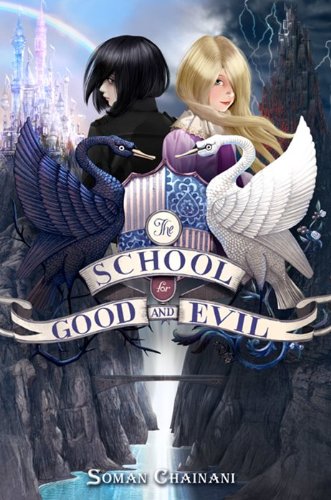
The School for Good and Evil is a series of books by Soman Chainani based on fairy tales. The first novel in the series was published on May 14, 2013. The series is set in a fictional widespread location known as the Endless Woods.
- Raybearer
series3 books2020
similar byfantasysecondary world+1 more
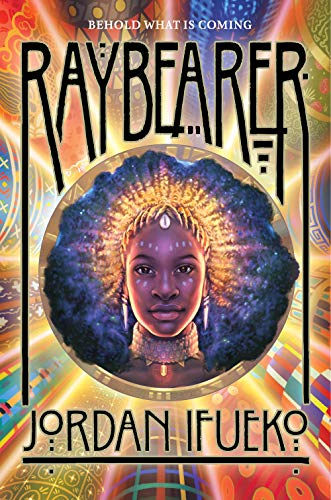
Jordan Ifueko's Raybearer follows Tarisai, raised in isolation and sent to compete for a spot among the emperor's council of magically bonded companions, only to discover she's been trained since childhood to kill the prince she's meant to protect. Redemptor continues her reign as empress, dealing with the political and spiritual fallout of the choices she made, while The Maid and the Crocodile follows a different protagonist in the same world. The trilogy draws on West African-inspired myth and court politics rather than the medieval-European default of much YA fantasy.
- The Grisha
series9 books2012
part of Grishaverse
similar bychosen onefantasysecondary world
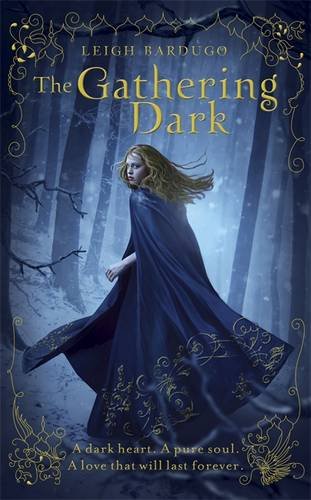
Leigh Bardugo is an American fantasy author. She is best known for her young adult Grishaverse novels, which include the Shadow and Bone trilogy and the Six of Crows and King of Scars duologies. She also received acclaim for her paranormal fantasy adult debut, Ninth House. The Shadow and Bone and Six of Crows series have been adapted into Shadow and Bone by Netflix, and Ninth House will be adapted by Amazon Studios; Bardugo is an executive producer on both works.
- Shannara
universe50 books1977
Start hereWord and the Void · The very beginning of the timeline
similar byfantasysecondary world
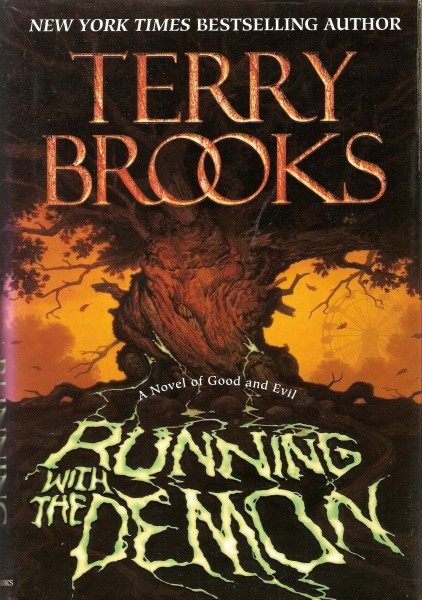
Long after the world we know has burned itself to slag in the Great Wars, the Four Lands rise green over the bones of the old age. Science is a forbidden memory; magic has come back into the world, and with it the old divisions — Men, Elves, Dwarves, Trolls, and Gnomes, each Race a splinter of what humanity became. This is the far-future Earth of Shannara, where the ruins buried beneath the soil are ours, and the only keepers of the vanished knowledge are the Druids of Paranor, who wake once a generation to meet the darkness rising again. Terry Brooks opened the Four Lands in 1977 with The Sword of Shannara and has charted its history for four decades since — a legendarium ordered not by throne but by a single bloodline, the Ohmsfords, each generation inheriting an Elfstone, a blade, or a wishsong when the age demands a hero. The original trilogy gives way to the Heritage of Shannara, the Voyage of the Jerle Shannara, the High Druid, Dark Legacy, Defenders, and the concluding Fall of Shannara; the Genesis of Shannara books reach back to the apocalypse itself, and the Word and the Void trilogy back further still, into a demon-haunted version of our own present that is the root of everything after. In 2025 Brooks passed the histories to Delilah S. Dawson to carry forward. What sets these books apart is their long memory: a world where every triumph is provisional, where the same evil returns wearing a fresh shape each age, and magic always exacts its price. The reading is warm and headlong — questing companies, old talismans, journeys across a mapped and named wilderness — shadowed by the knowledge that all of it stands on the wreckage of a former world. Enter as readers first did: with The Sword of Shannara, then onward in publication order. The chronological path, beginning with Word and the Void, rewards a second journey, once the Four Lands already feel like home.
- Halfblood Chronicles
series3 books1991
similar byfantasysecondary world
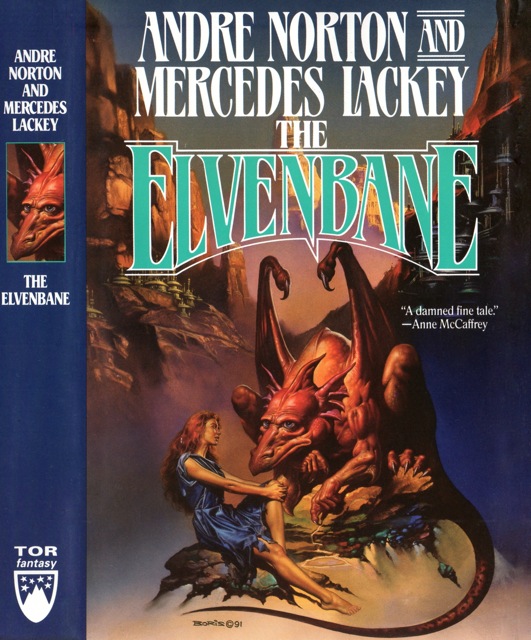
The Halfblood Chronicles is a series of fantasy books originally written by Andre Norton and Mercedes Lackey. The series is set in a mystical world of elves, wizards and dragons. The series was originally released by Tor Books, and comprised three books: Elvenbane (1991), Elvenblood (1995), Elvenborn (2002). Elvenbred, the fourth book in the series, remained unfinished due to the death of Andre Norton.
- Red Queen
series14 books2015
similar byfantasysecondary world
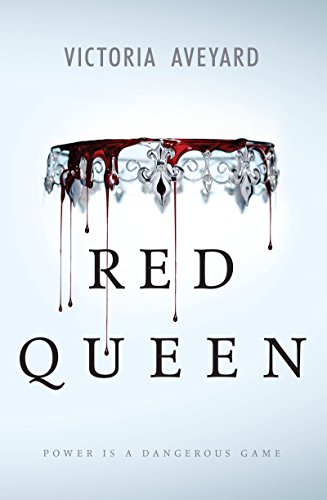
Red Queen is set in a world split between Reds, an oppressed servant class, and Silvers, a ruling class with superhuman abilities, where a Red girl discovers she has Silver-like powers of her own and is forced into the royal court to hide what she is. Victoria Aveyard's debut novel opens a four-book main sequence - Red Queen, Glass Sword, King's Cage, War Storm - plus the interstitial novella Cruel Crown and the epilogue novella Broken Throne. It's YA dystopian fantasy built around a class-based magic system and a slow-burn political rebellion.
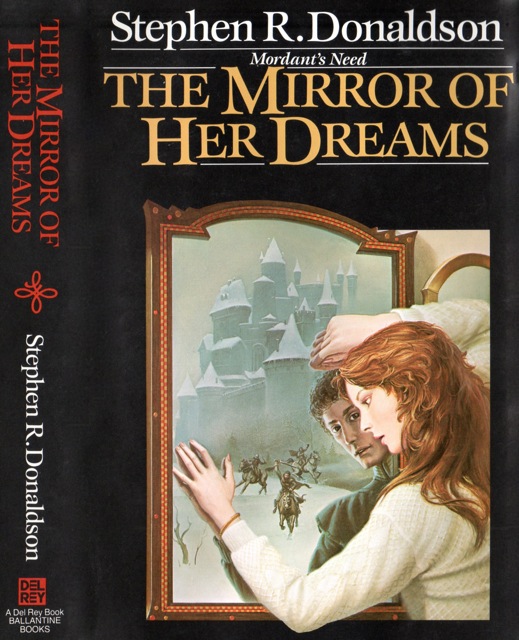
- Mordant's Need
series2 books1986
similar byfantasysecondary world
Mordant's Need is a fantasy two-part book series by American writer Stephen R. Donaldson, comprising the novels The Mirror of Her Dreams (1986) and A Man Rides Through (1987).
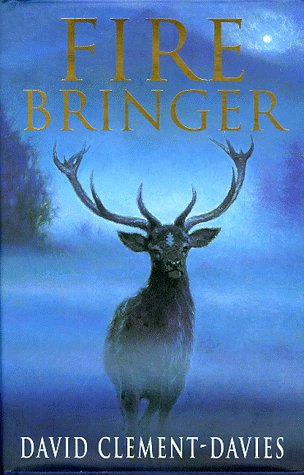
- Fire Bringer
David Clement-Daviesstandalone novel1999
similar bychosen onefantasysecondary world
Fire Bringer is a young adult fantasy novel by David Clement-Davies published in 1999 in the United Kingdom and 2000 in the United States. It tells the story of Rannoch, a red deer whose life is the subject of an old forest prophecy.
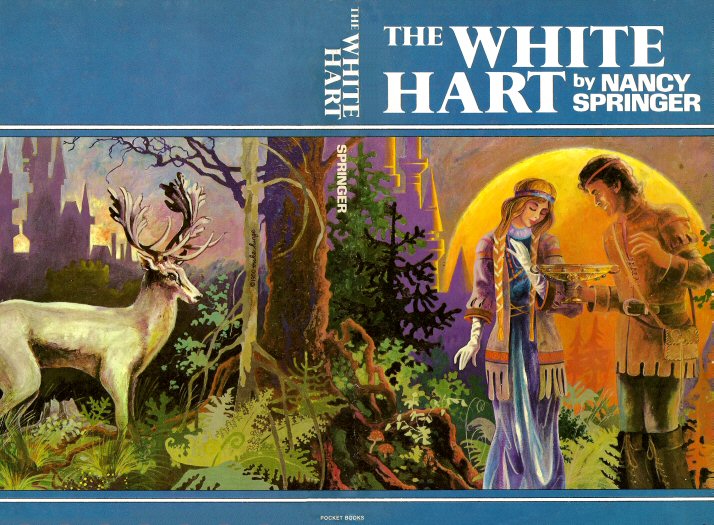
- Book of the Isle
series7 books1977
similar byfantasysecondary world
Nancy Springer's Book of Isle sequence is set in a kingdom ruled by Sun Kings who draw their authority from the Book of Suns, following blood brothers Hal and Alan as they're sent to hunt down the many forms an ancient evil takes across the land. Later volumes widen the cast and the kingdom's history while keeping the same mythic, quest-driven register. It's 1970s heroic fantasy built on chosen champions and inherited destiny.
- The Books of Beginning
series3 books2011
similar byfantasysecondary world+1 more
John Stephens' The Emerald Atlas opens The Books of Beginning trilogy with three orphaned siblings, Kate, Michael and Emma, who discover a magical book that lets them move through time after arriving at a strange new home. Their search leads them into the past, where they must free the town of Cambridge Falls from a witch bent on claiming the Atlas's power. The Fire Chronicle and The Black Reckoning continue the siblings' quest.
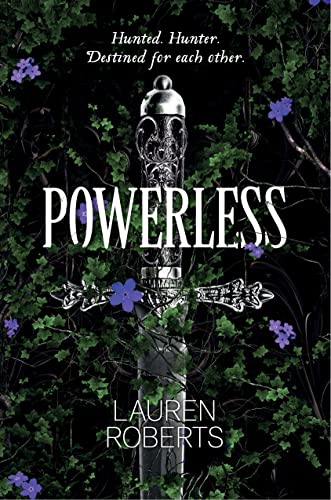
- The Powerless Trilogy
series5 books2023
similar byfantasysecondary world
The Powerless Trilogy is set in a kingdom where people without magical abilities are treated as outcasts, following Paedyn Gray, a powerless girl disguising herself as a magic-wielder, who is drawn into the royal court and a survival competition after crossing paths with the crown prince. Lauren Roberts' trilogy, beginning with Powerless, was later expanded with a further Fearless duology set in the same world.
- Wars of Vis
series3 books1976
completed
similar byfantasysecondary world
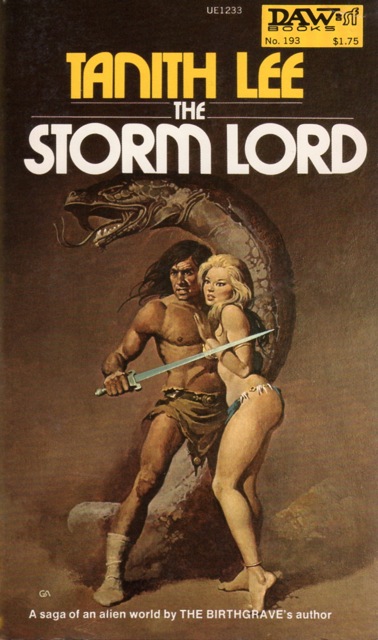
Tanith Lee's Wars of Vis trilogy is set on a world of feuding city-states, following the warlord Raldnor Am Anackire's rise as long-buried tensions between the pale-skinned Vis and darker-skinned Lowlanders erupt into open war and the revelation of hidden power. The Storm Lord opens the trilogy, continued by Anackire and The White Serpent.
- Saga of the Unfated
series2 books2024
similar byfantasysecondary world
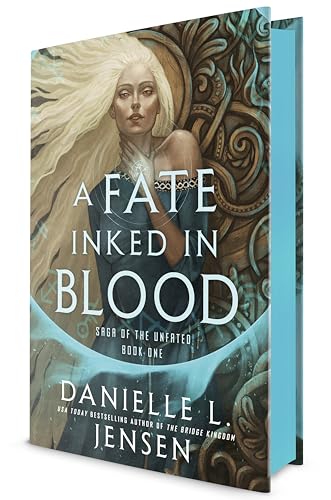
Danielle L. Jensen's Saga of the Unfated opens with A Fate Inked in Blood, in which a woman from a Nordic-flavored fishing village discovers she carries the blood and magic of a legendary shieldmaiden and is drawn into a war between rival warlords who both want her power. The story continues in A Curse Carved in Bone.
- Wings of Fire
series24 books2012
similar byfantasysecondary world
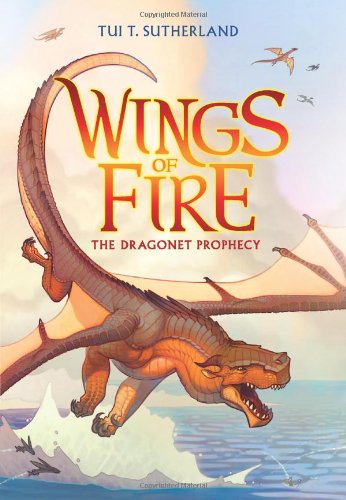
Wings of Fire is a children's adventure fantasy novel series about dragons, written by Tui T. Sutherland and published by Scholastic Inc. The series has been translated into over ten languages, with some versions having their own cover art, has sold over 30 million copies worldwide making it one of the most successful fantasy series for young readers, and has been on the New York Times Best Seller list for over 300 weeks. Wings of Fire is rated for ages 7–12 according to Scholastic, Inc. The series has also proven popular with young adults and older audiences.