More like Fighting Philosopher
but
- Star Maker
series9 books1937
completed
part of Last Men Universe
similar bygalactic scale
Star Maker (1937) is Olaf Stapledon's cosmic philosophical novel, tracing the rise and fall of civilizations across the universe as it builds toward questions about creation, unity, and the nature of the Star Maker behind it all, expanding the scope of his earlier Last and First Men. It is paired here with Nebula Maker, a related manuscript Stapledon wrote in the 1930s between those two novels but which went unpublished until its rediscovery in 1976, alongside a handful of shorter pieces. Together they sit within Stapledon's last-men-universe of linked visionary future histories.
- Culture
series15 books1987
completed
part of The Culture
similar bygalactic scale
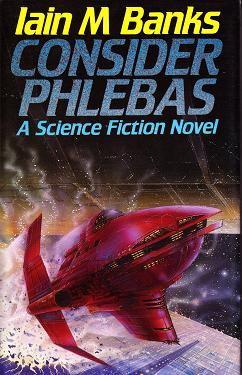
The Culture series is a science fiction series written by Scottish author Iain M. Banks and released from 1987 until 2012. The stories centre on The Culture, a utopian, post-scarcity space society of humanoid aliens and advanced superintelligent artificial intelligences living in artificial habitats spread across the Milky Way galaxy. The main themes of the series are the dilemmas that an idealistic, more-advanced civilization faces in dealing with smaller, less-advanced civilizations that do not share its ideals, and whose behaviour it sometimes finds barbaric. In some of the stories, action takes place mainly in non-Culture environments, and the leading characters are often on the fringes of the Culture, sometimes acting as agents of the Culture in its plans to civilize the galaxy. Each novel is a self-contained story with new characters, although reference is occasionally made to the events of previous novels.
- Whipping Star
Frank Herbertstandalone novel1970
similar bygalactic scale
From Amazon: In the far future, humankind has made contact with numerous other species: Gowachin, Laclac, Wreaves, Pan Spechi, Taprisiots, and Caleban, and has helped to form the ConSentiency to govern among the species. After suffering under a tyrannous pure democracy, the sentients of the galaxy find the need for a Bureau of Sabotage (BuSab) to slow the wheels of government, thereby preventing it from legislating recklessly. BuSab is allowed to sabotage and harass the governmental, administrative, and economic powers in the ConSentiency. Private citizens must not be harassed, and vital functions of society are also exempt. Jorj X. McKie is a born troublemaker who has become one of BuSab's best agents. Drafted for the impossible task of establishing meaningful communication with an utterly alien entity who defies understanding, McKie finds himself racing against time to prevent a mad billionairess from wiping out all life in the ConSentiency.
- Null-A
series4 books1948
similar by+1 more
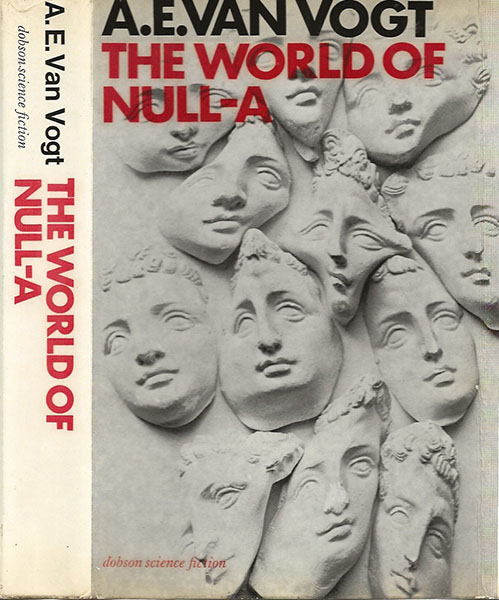
A. E. van Vogt's Null-A novels follow Gilbert Gosseyn, a man whose memories keep proving false, through a future society organized around the non-Aristotelian logic ('Null-A') of General Semantics. The World of Null-A and The Pawns of Null-A form the classic 1940s-50s core, with Null-A Three added decades later; John C. Wright's Null-A Continuum closes out the storyline after van Vogt's death. It's dense, puzzle-box science fiction built around identity and perception.
- Galactic Milieu
series10 books1981
completed
similar by+1 more
Galactic Milieu is a series of science fiction novels by Julian May. It is linked to her previously published series, the Saga of Pliocene Exile; and through the fantastical device of time-travel, acts as both a prequel and a sequel to this earlier series. The "Galactic Milieu" of the title is an interplanetary federation, and Earth's membership of it is a central plot concern.
- Void Trilogy
series4 books2007
part of Commonwealth Universe
similar bygalactic scale
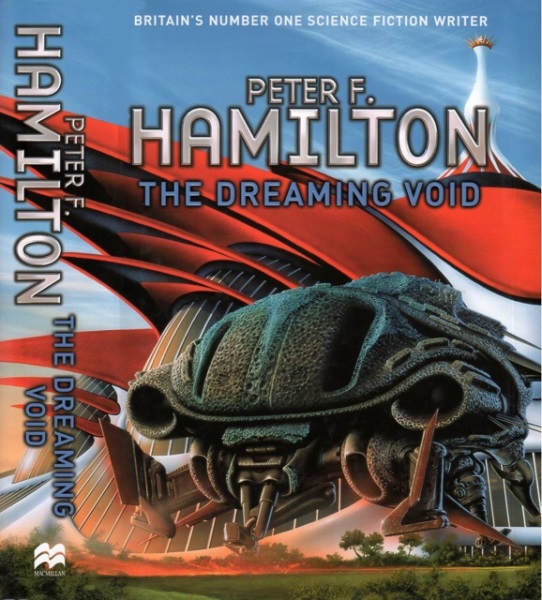
The Void Trilogy is a space opera series by British author Peter F. Hamilton. The series is set in the same universe as The Commonwealth Saga, 1,200 years after the end of Judas Unchained.
- Ocean / Galactic Center
series12 books1972
similar by+1 more
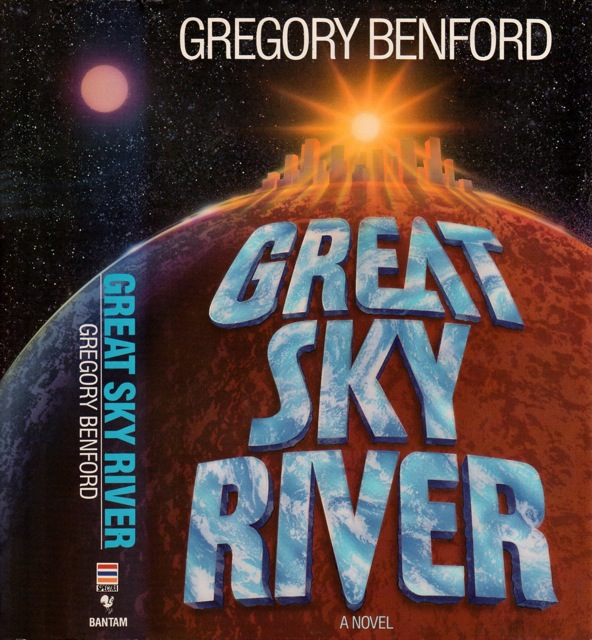
The Galactic Center Saga is a series of books by author Gregory Benford detailing a galactic war between mechanical and biological life.In the Ocean of Night (1977) — 1977 Nebula Award nominee, 1978 Locus Award nominee Across the Sea of Suns (1984) Great Sky River (1987) — 1988 Nebula Nominee Tides of Light (1989) — 1990 Locus Award nominee Furious Gulf (1994) Sailing Bright Eternity (1996) "A Hunger for the Infinite" a novella published in the anthology Far Horizons
- Commonwealth Saga
series2 books2004
part of Commonwealth Universe
similar by+1 more
The Commonwealth Saga is a series of science fiction novels by British science fiction writer Peter F. Hamilton. This saga consists of the novels Pandora's Star (2004) and Judas Unchained (2005). Hamilton has also written several books set in the same literary universe. Misspent Youth (2002) takes place 340 years before the events of Pandora's Star. The Void Trilogy, consisting of The Dreaming Void (2008), The Temporal Void (2009), and The Evolutionary Void (2010), takes place 1,200 years after the events of Judas Unchained; several of the main characters from Judas Unchained and Pandora's Star also appear in the Void trilogy.
- The Algebraist
Iain M. Banksstandalone novel2004
similar by+1 more
The Algebraist is a science fiction novel by Scottish writer Iain M. Banks, published in print in 2004. It was nominated for a Hugo Award for Best Novel in 2005.
- Xeelee
series89 books1987
similar by+1 more
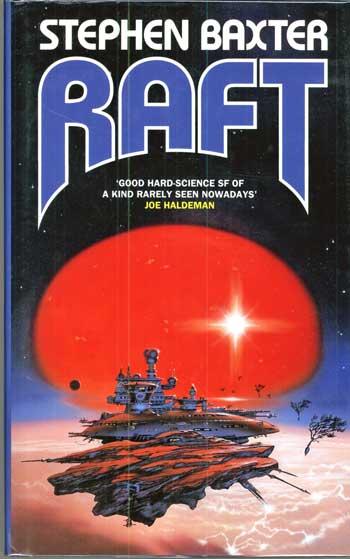
The Xeelee Sequence is a series of hard science fiction novels, novellas, and short stories written by British author Stephen Baxter. The series spans billions of years of fictional history, exploring humanity's future expansion into the universe, its intergalactic war with the Xeelee, a supremely advanced Kardashev Type V alien civilization, and the Xeelee's own conflict with dark matter entities known as Photino Birds. The Xeelee are described as symbiotic entities composed of spacetime defects, Bose–Einstein condensates, and baryonic matter.
- Foundation Universe
universe123 books1940
Start hereFoundation · Start here
similar by+1 more
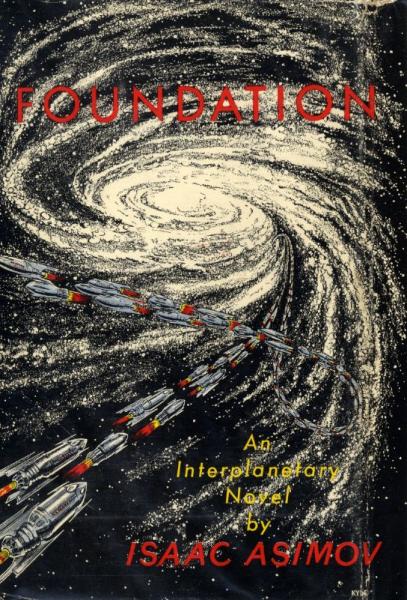
There is a science that reads the future of quadrillions the way an astronomer reads the orbits of stars. It is called psychohistory, and its equations foresee something the ruling Galactic Empire cannot admit: the throne is rotting, and thirty thousand years of barbarism are coming. One man, Hari Seldon, cannot stop the fall. He can only shorten it — by seeding a Foundation of scholars at the rim of the galaxy, a fragile institution built to carry knowledge across the dark and cut the interregnum to a single millennium. This is a universe told in the register of history itself: the long view, the calm of deep time, empires measured in centuries and men measured against them. The spine is Asimov's original trilogy — Foundation, Foundation and Empire, Second Foundation — followed decades later by the sequels Foundation's Edge and Foundation and Earth and the prequels Prelude to Foundation and Forward the Foundation. Late in life Asimov braided this in with his other future histories: the Robot novels of detective Elijah Baley and his humaniform partner R. Daneel Olivaw (The Caves of Steel, The Naked Sun, The Robots of Dawn, Robots and Empire) and the early Galactic Empire novels (Pebble in the Sky and its kin), until one continuous chronicle ran from the first thinking robots to the Second Empire. Other hands extend it — the Second Foundation Trilogy by Gregory Benford, Greg Bear, and David Brin, and shared-world spinoffs such as Robot City — so the corpus sprawls beyond a single author's tidy shelf. What distinguishes it is that the drama is intellectual: crises resolved by insight, nerve, and dialogue rather than fleets and blades, each turn hinging on the hidden logic of the Seldon Plan. Begin where readers have always begun — with Foundation, and the original trilogy in publication order. The rest opens outward from there.
- Fifth Imperium
series3 books1991
similar by+1 more
David Weber's Fifth Imperium series opens with the discovery that Earth's Moon is in fact a disguised alien starship, the Dahak, that has orbited undetected for tens of thousands of years - a relic of the fallen Fourth Imperium, a multi-star civilization destroyed while defending against the genocidal Achuultani. Mutineers' Moon follows humanity's first contact with Dahak and the mutineers still aboard it; The Armageddon Inheritance and Heirs of Empire escalate from that discovery into interstellar war and dynastic politics as humanity inherits the old empire's legacy and its enemies. The three novels were later collected as the omnibus Empire from the Ashes.
- House of Suns
series3 books2005
similar bygalactic scale
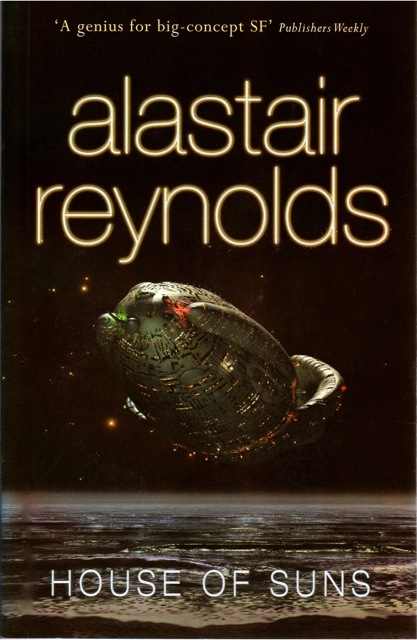
House of Suns follows Campion and Purslane, two of a thousand identical clones ("shatterlings") of a single ancient woman who have spent six million years touring the galaxy independently between reunions, when an attack on their latest gathering forces them into a chase spanning tens of thousands of light-years and uncovers a hidden genocide from Earth's deep past. Alastair Reynolds set the novel in the same loose future history as his earlier novella Thousandth Night, reusing some characters without trying to keep the two stories in strict continuity.
- Poseidon's Children
series3 books2012
similar by+1 more
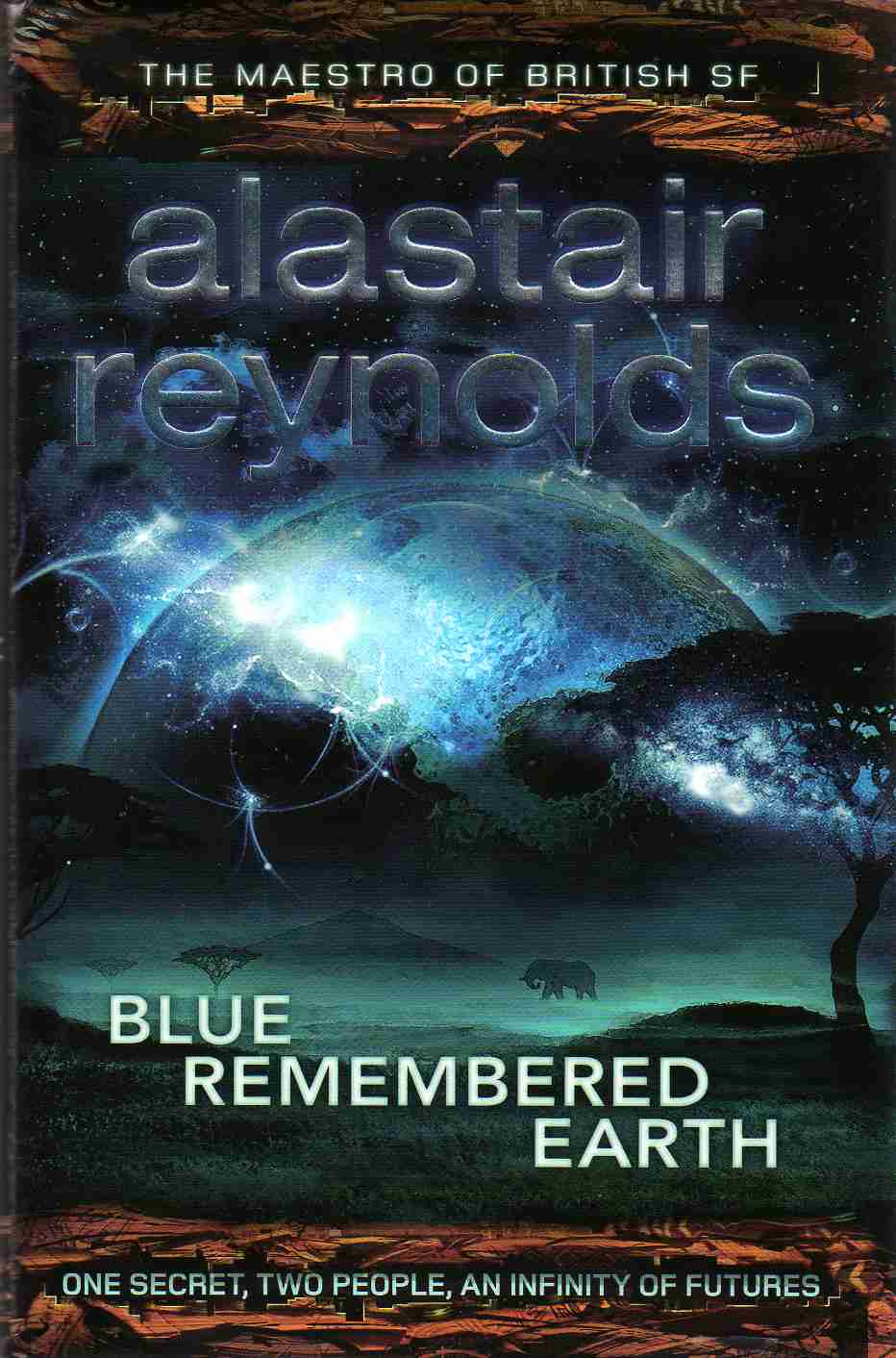
Alastair Reynolds' Poseidon's Children trilogy follows humanity — and its transhuman descendants — expanding into the galaxy over the course of centuries, beginning with Blue Remembered Earth (2012) and continuing through On the Steel Breeze and the concluding Poseidon's Wake (2015).
- Sun Eater
series36 books2018
similar by+1 more
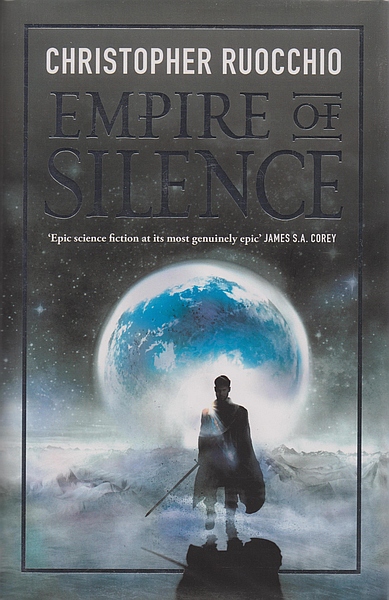
The Sun Eater is a science fiction novel series written by American author Christopher Ruocchio. Not including short stories and novellas, the series consists of the following novels: Empire of Silence (2018), Howling Dark (2019), Demon in White (2020), Kingdoms of Death (2022), Ashes of Man (2022), Disquiet Gods (2024), and Shadows Upon Time (2025).
- Stars in My Pocket Like Grains of Sand
Samuel R. Delanystandalone novel1984
similar bygalactic scale
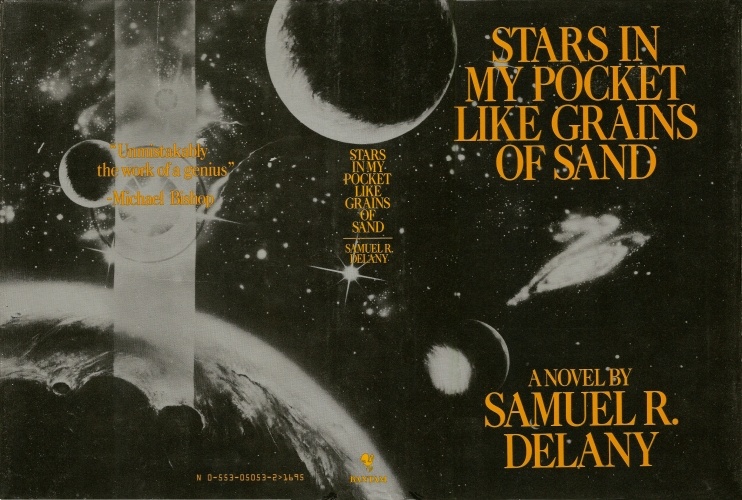
Stars in My Pocket Like Grains of Sand (1984) is a science fiction novel by Samuel R. Delany. It is part of what would have been a "diptych", in Delany's description, of which the second half, The Splendor and Misery of Bodies, of Cities, remains unfinished.
- Space Opera (Catherynne M. Valente)
series2 books2018
similar by+1 more
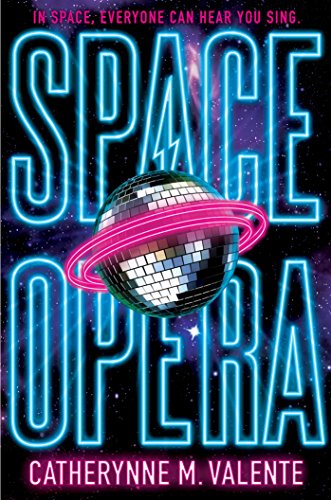
Catherynne M. Valente's Space Opera imagines a galaxy where a century-old war was ended by replacing armed conflict with Galactivision, an interstellar singing contest that doubles as first contact: any newly discovered species has to compete or be judged too dangerous to exist. When aliens finally notice humanity, the fate of Earth ends up resting on a fading rock band drafted to represent the whole species on stage. It's Eurovision transplanted into space opera, played for absurdist comedy with real stakes underneath.
- Azean Empire
series2 books1987
similar by+1 more
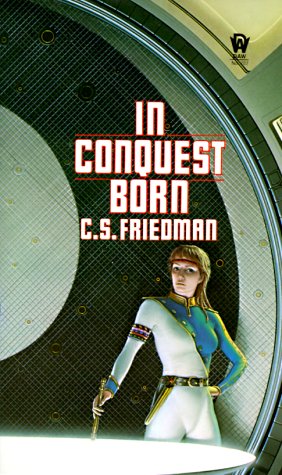
C. S. Friedman's Azean Empire novels are set in a distant-future conflict between two competing human societies, the Azeans and the Braxins, contesting interstellar dominance. In Conquest Born, her debut, works as space opera and military SF with an anthropological bent, using the two societies' opposed cultures and reproductive philosophies as the real engine of the conflict rather than just the battles themselves. The Wilding continues the same interstellar rivalry.
- Sten
series11 books1982
completed
similar by+1 more
The Sten Chronicles, also called The Sten Adventures, are a series of eight military science fiction and space opera novels by Chris Bunch and Allan Cole published from 1982 to 1993. The series was originally published by Del Rey and then re-released by Orbit.
- Far Future History
series4 books1982
completed
part of Birthright
similar by+1 more
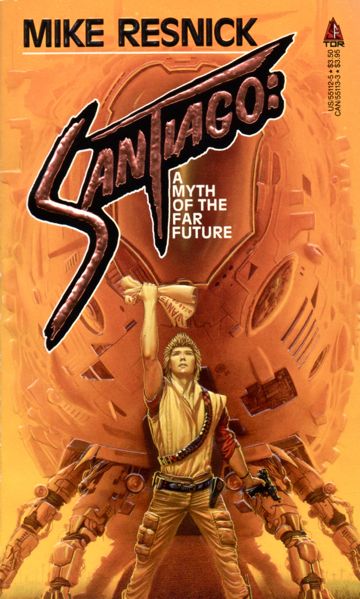
Far Future History collects Mike Resnick's Birthright-universe far-future Western sequence, told as a series of tall tales in the style of the Old West relocated into deep space, complete with lonely heroes, shoot-outs, and faithless companions. Santiago: A Myth of the Far Future anchors the sequence, building its own outlaw legend the way frontier folklore mythologized gunslingers. The related volumes extend the same Birthright history across the far future rather than forming one continuous plot.
- The Interdependency
series3 books2017
similar bygalactic scale
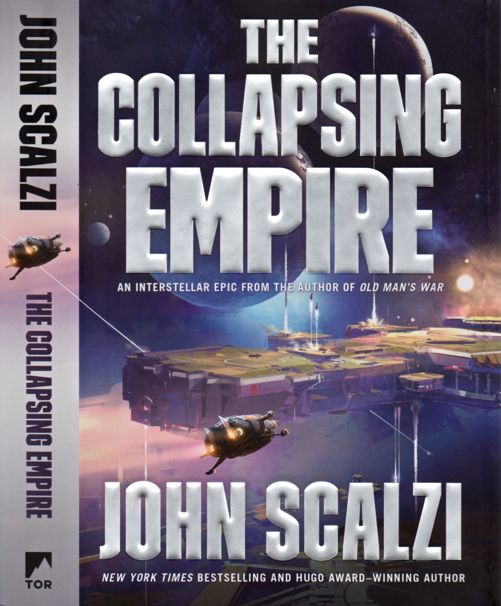
The Interdependency follows the collapse of a wormhole-linked network called the Flow that connects humanity's scattered, otherwise-uninhabitable colonies, forcing an emperox, a scientist studying the collapse, and a scheming trading family to confront a looming interstellar crisis. John Scalzi's trilogy, beginning with The Collapsing Empire, follows the political and personal fallout as the empire's foundations unravel.