More like Firebolt
anchored on:epic fantasysecondary world
but
- The Hobbit
series2 books1937
completed
part of Tolkien's legendarium
similar byadventurousdragonssecondary worldepic fantasyfantasy+1 more
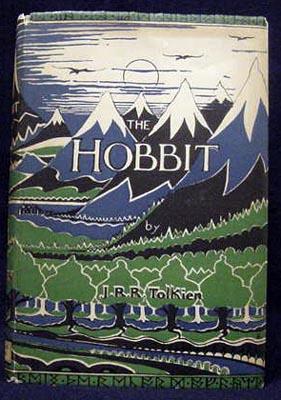
The Hobbit (1937) is J. R. R. Tolkien's children's fantasy novel following the reluctant burglar Bilbo Baggins, who joins a company of dwarves and the wizard Gandalf on a journey to reclaim treasure guarded by the dragon Smaug. It stands as a complete adventure on its own, but shares its setting with the rest of Tolkien's legendarium and leads into the events of The Lord of the Rings.
- Earthsea Cycle
series18 books1964
completed
part of Earthsea
similar bysecondary worldepic fantasyfantasy+2 more
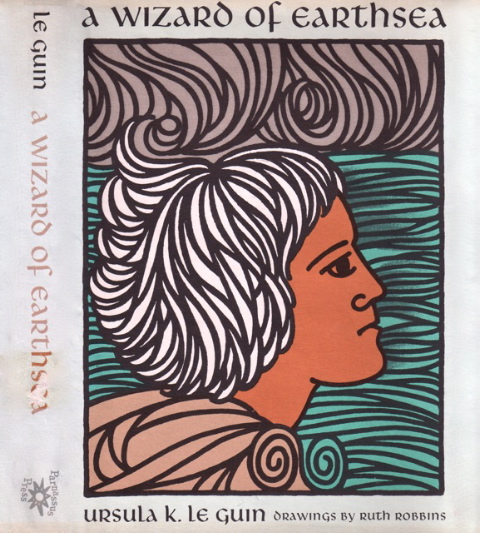
The Earthsea Cycle, also known as Earthsea, is a series of high fantasy books written by American author Ursula K. Le Guin. Beginning with A Wizard of Earthsea (1968), The Tombs of Atuan (1970), and The Farthest Shore (1972), the series was continued in Tehanu (1990), and Tales from Earthsea and The Other Wind. In 2018, all the novels and short stories were published in a single volume, The Books of Earthsea: The Complete Illustrated Edition, with artwork by Charles Vess.
- A Song of Ice and Fire
series14 books1996
part of World of Ice and Fire
similar byepic fantasysecondary worldfantasy+1 more
A Song of Ice and Fire is a series of high fantasy novels by the American author George R. R. Martin. Martin began writing the first volume, A Game of Thrones, in 1991, and published it in 1996. Martin, who originally envisioned the series as a trilogy, has released five out of seven planned volumes. The most recent entry in the series, A Dance with Dragons, was published in 2011. Since then, Martin has been working on the sixth novel, titled The Winds of Winter. A seventh novel, A Dream of Spring, is planned to follow.
- The Lord of the Rings
series13 books1954
part of Tolkien's legendarium
similar byepic fantasysecondary world+2 more
The Lord of the Rings is an epic high fantasy novel written by the English author and scholar J. R. R. Tolkien. Set in Middle-earth, the story began as a sequel to Tolkien's 1937 children's book The Hobbit but eventually developed into a much larger work. Written in stages between 1937 and 1949, The Lord of the Rings is one of the best-selling books ever written, with over 150 million copies sold.
- Riftwar Saga
series7 books1982
part of The Riftwar Universe
similar byadventurousepic fantasysecondary worldfantasy+1 more
The Riftwar Saga is Raymond E. Feist's debut fantasy trilogy, opening with Magician, in which an orphaned apprentice named Pug is swept up when otherworldly invaders emerge through a dimensional rift into the frontier kingdom of Midkemia. Silverthorn and A Darkness at Sethanon carry the resulting war to its close, and the trilogy became the founding entry of Feist's much larger Riftwar Cycle.
- Dragon Trilogies
series6 books1988
similar byepic fantasydragonssecondary worldfantasy+1 more
The Dragon Prince and Dragon Star trilogies comprise six connected fantasy novels written by Melanie Rawn. The Dragon Prince trilogy focuses on Prince Rohan of the Desert and his Sunrunner wife, Sioned, while the Dragon Star trilogy focuses on their son, Pol. The Dragon Prince trilogy consists of novels Dragon Prince, The Star Scroll, and Sunrunner's Fire. The books in the Dragon Star trilogy are Stronghold, The Dragon Token, and Skybowl.
- Halfblood Chronicles
series3 books1991
similar byadventurousepic fantasydragonssecondary worldfantasy
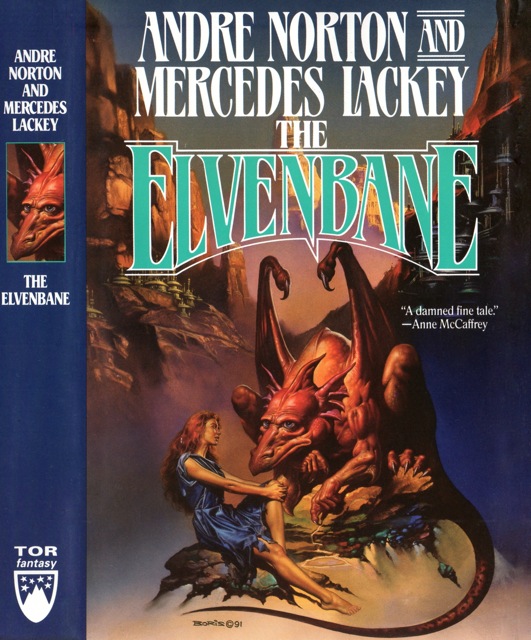
The Halfblood Chronicles is a series of fantasy books originally written by Andre Norton and Mercedes Lackey. The series is set in a mystical world of elves, wizards and dragons. The series was originally released by Tor Books, and comprised three books: Elvenbane (1991), Elvenblood (1995), Elvenborn (2002). Elvenbred, the fourth book in the series, remained unfinished due to the death of Andre Norton.
- Narnia
series26 books1950
part of Narnia Universe
similar byadventurouscoming of agesecondary worldfantasy+1 more
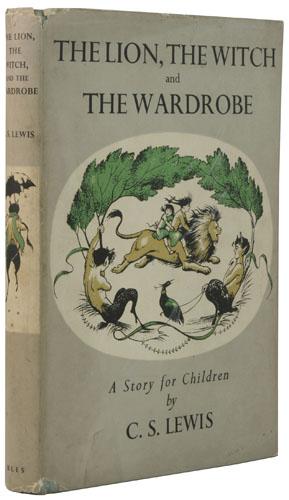
The Chronicles of Narnia is a series of seven portal fantasy novels by British author C. S. Lewis. Illustrated by Pauline Baynes and originally published between 1950 and 1956, the series is set in the fictional realm of Narnia, a fantasy world of magic, mythical beasts, and talking animals. It narrates the adventures of various children who play central roles in the unfolding history of the Narnian world. Except in The Horse and His Boy, the protagonists are all children from the real world who are magically transported to Narnia, where they are sometimes called upon by the lion Aslan to protect Narnia from evil. The books span the entire history of Narnia, from its creation in The Magician's Nephew to its eventual destruction in The Last Battle.
- Hurog
series2 books2002
similar bydragonssecondary worldfantasy+3 more
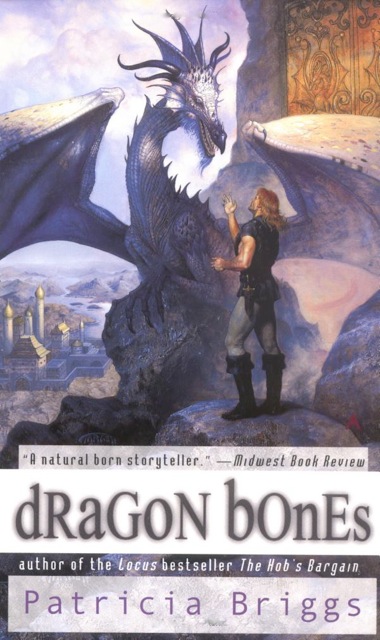
Patricia Briggs's Hurog duology follows Ward, heir to the crumbling mountain holding of Hurog, who has spent his life feigning simple-mindedness to survive his abusive father and scheming relatives' contempt for a perceived weakling. Dragon Bones opens as his father's death forces Ward to finally act, uncovering old magic tied to the dragon bones buried beneath Hurog's keep as war looms over the wider kingdom; Dragon Blood carries the stakes into open conflict. It is a duology about hidden competence and reclaiming an underestimated inheritance.
- Seraphina Universe
series6 books2012
similar bysecondary worldfantasy+4 more
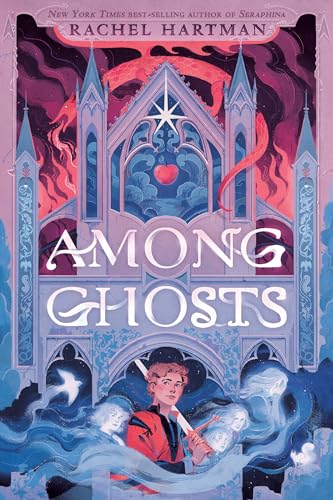
Among Ghosts (2025) is Rachel Hartman's most recent return to the world she introduced in Seraphina, extending the setting beyond the original duology. It belongs to Hartman's wider Seraphina-world writing rather than continuing as a numbered sequel in the core two-book series.
- The Roots of Chaos
series3 books2019
similar byepic fantasydragonssecondary world+2 more
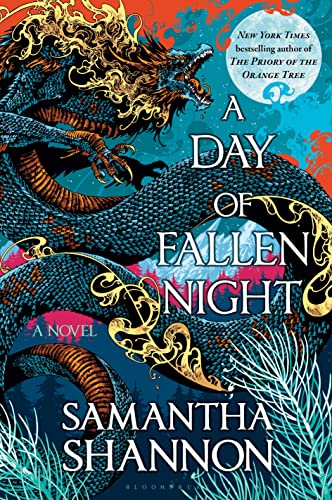
Samantha Shannon's The Priory of the Orange Tree opens a feminist retelling of the Saint George and the Dragon myth: Queen Sabran the Ninth of Inys faces pressure to secure an heir and hold her divided realm together as an ancient draconic enemy stirs. Multiple viewpoints carry the story, including Ead Duryan, a lady-in-waiting secretly protecting the queen through forbidden magic, and Tané, a dragonrider facing a life-changing choice, as Eastern and Western powers edge toward war instead of alliance. A Day of Fallen Night, set generations earlier in the same world, continues the Roots of Chaos cycle.
- The Riftwar Universe
universe44 books1982
Start hereRiftwar Saga · Start here
similar byepic fantasysecondary worldfantasy+1 more
On the world of Midkemia a tear opens in the air itself, a rift hung between stars, and through it march the armies of an empire from another world entirely. So begins the chronicle Raymond E. Feist has kept for three decades: the tale of Pug, a castle kitchen boy apprenticed to a magician on the very day the invasion lands, and of Tomas, his friend, who inherits the armor and the ancient fury of a dead dragon-lord. Around these two the Riftwar Cycle turns, widening book by book from one besieged frontier keep into the whole history of a world of kingdoms, guilds, thieves' dens and mage-towers. The cycle runs to roughly thirty novels, gathered into arcs a newcomer can enter and finish on their own. The founding Riftwar Saga (Magician, Silverthorn, A Darkness at Sethanon) sets the board; the Serpentwar Saga, Krondor's Sons and the Conclave of Shadows carry the story down the generations; the Darkwar, Demonwar and Chaoswar sagas bring it toward its close. Crossing the rift to the rival world of Kelewan, Feist and Janny Wurts wrote the Empire trilogy, opening with Daughter of the Empire, a court intrigue told wholly from the invaders' side and for many the finest thing here. Shorter Legends of the Riftwar and the game-born Riftwar Legacy fill the corners; later still, Feist opens an altogether new world in the Firemane books. Feist writes fantasy in its most companionable key: apprentices who grow into archmages, tavern boys who become spies and dukes, a world you return to the way you return to an old inn. The mood is adventure before dread, friendship and rank and hard-won craft, wars that cost something, all of it rendered plainly and at a gallop. Begin where it began, with Magician, then follow the arcs in the order they were written, and the rift will carry you the rest of the way.
- Wings of Fire
series24 books2012
similar byadventurousdragonssecondary worldepic fantasyfantasy+1 more
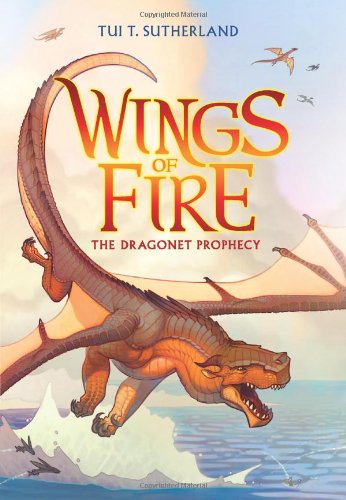
Wings of Fire is a children's adventure fantasy novel series about dragons, written by Tui T. Sutherland and published by Scholastic Inc. The series has been translated into over ten languages, with some versions having their own cover art, has sold over 30 million copies worldwide making it one of the most successful fantasy series for young readers, and has been on the New York Times Best Seller list for over 300 weeks. Wings of Fire is rated for ages 7–12 according to Scholastic, Inc. The series has also proven popular with young adults and older audiences.
- The Wizard Knight
series2 books2004
completed
similar byadventurousepic fantasycoming of agesecondary worldfantasy
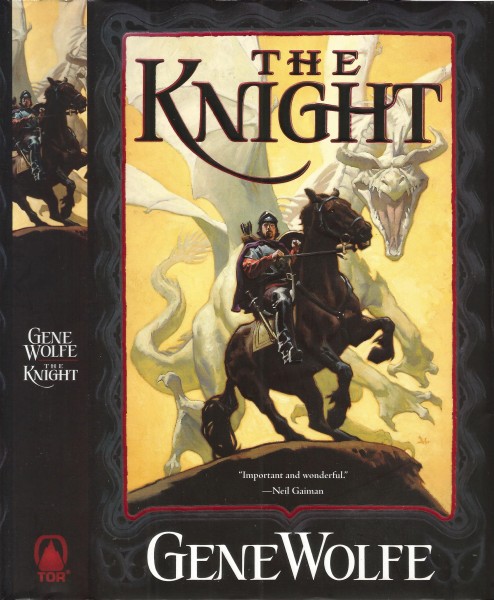
The Wizard Knight is a series of epistolary novels written by fantasy and science fiction author Gene Wolfe. It chronicles the journey of Able of the High Heart, an American boy transported to a magical world and supernaturally aged to adulthood. Able becomes a knight, and because of his connection with the magical and spiritual elements of the world around him is soon also dubbed a wizard.
- The Black Magician Trilogy
series3 books2001
part of Kyralia series
similar byepic fantasysecondary worldfantasy+2 more
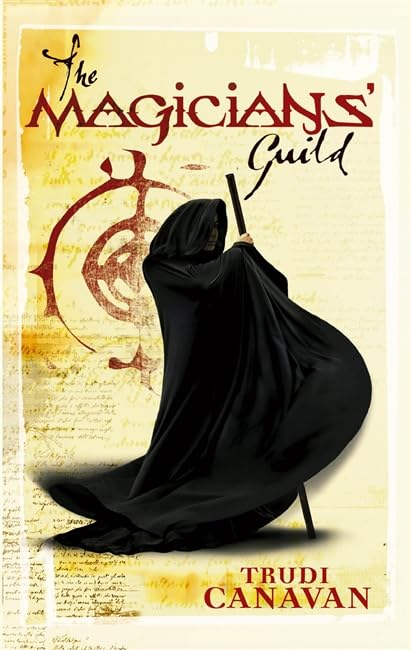
Trudi Canavan's Black Magician Trilogy (The Magicians' Guild, The Novice, The High Lord, 2001-2003) opens in the city of Imardin, where the ruling magicians' guild's annual purge of the slums goes wrong when a street girl named Sonea unknowingly shatters their protective shield with raw, untrained power. The guild must hunt her down and decide whether to control her or train her, and the trilogy follows Sonea's forced initiation into magical society and the guild's internal politics. It's Canavan's best-known trilogy and the founding story of her Kyralia setting.
- Dragonlance
universe436 books1984
Start hereDragons of Autumn Twilight · Start here
similar byepic fantasysecondary worldfantasy+2 more
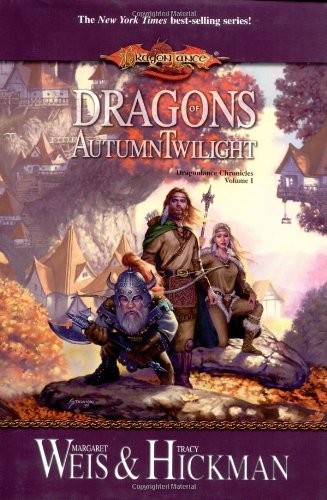
The gods have kept their silence over Krynn for three hundred years, and the world has learned to make do without them: the dragons are a nursery tale, the old clerics gone, faith worn down to superstition. Then strangers bearing a blue crystal staff cross an autumn road, and shadows with wings blot out the three moons. This is a world where magic answers to those moons—white, red, and black—where a lance is the only weapon a dragon fears, and where the fate of nations turns on a handful of friends who meet again at a tavern table and find the age of legend has come for them. At its heart stand Margaret Weis and Tracy Hickman's twin trilogies. Chronicles—Dragons of Autumn Twilight, Winter Night, and Spring Dawning—follows the Heroes of the Lance through the War of the Lance; Legends turns inward to the twins, the frail mage Raistlin and his warrior brother Caramon, and the bargain a man will strike for power. Around this core Krynn sprawls across five ages and hundreds of volumes by many hands: The Raistlin Chronicles, The War of Souls, the Preludes and Meetings cycles, the Tales anthologies, with Richard A. Knaak, Douglas Niles, Jean Rabe, and Chris Pierson each adding elf-kingdoms, dragon-overlords, and long-buried history. It is a shared world—vast, uneven, honestly enormous. What sets Dragonlance apart is its warmth. This is heroic fantasy of fellowship and hard choices rather than grimness—the companionship of the road, courage measured against temptation, gods who watch to see whether mortals deserve them back. Begin with Chronicles, then read Legends; that pairing is the doorway every reader and both creators point newcomers through.
- Millennium's Rule
series4 books2014
similar byepic fantasysecondary world+3 more
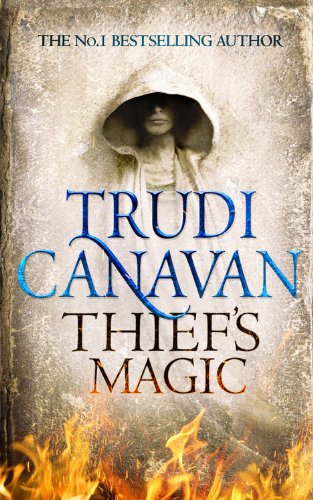
Millennium's Rule is set across multiple worlds that only certain travelers can cross between, opening with Tyen, an archaeology student who unearths a sentient, centuries-old book named Vella, and Rielle, a dyer's daughter hiding forbidden magical talent in a society ruled by priests who forbid it. Trudi Canavan follows both of them as their discoveries chip away at what their worlds have taught them about magic, history, and who holds power. The series runs Thief's Magic, Angel of Storms, and Successor's Promise.
- Hierarchy
series2 books2023
similar byadventurousepic fantasycoming of agesecondary world
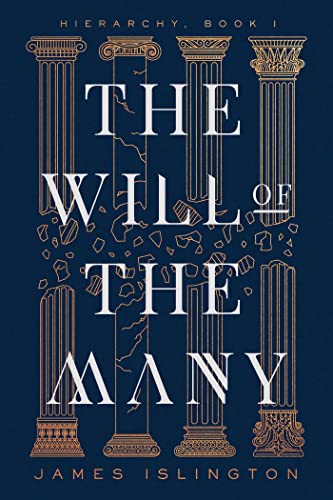
James Islington's Hierarchy series opens with The Will of the Many, set in the Catenan Republic, an empire built on 'Will' — citizens' personal strength and drive, ceded upward to those in power. Its protagonist infiltrates the empire's most prestigious academy under a false identity to investigate a murder and search for a hidden weapon, refusing to surrender his own Will to the empire that killed his family. The Strength of the Few continues the story as book two.
- Dragon Jousters
series5 books2003
similar byadventurousdragonssecondary worldfantasy+2 more
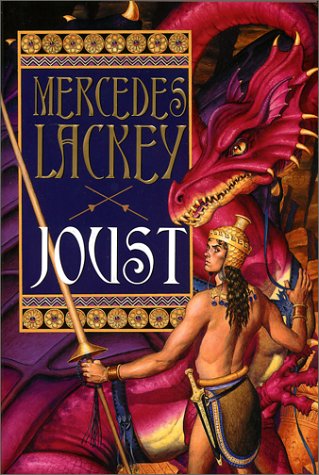
Mercedes Lackey's Dragon Jousters series is set in an Egyptian-flavored fantasy world where warring kingdoms ride tamed dragons into battle. It follows Vetch, a conquered boy forced into servitude as a dragon boy who ends up bonding with and training a dragon of his own, complicating his place between enemy nations. The five novels trace his rise from serf to jouster across a continuous story published in the mid-2000s.
- Enchanted Forest
series7 books1985
similar bydragonssecondary worldfantasy+2 more
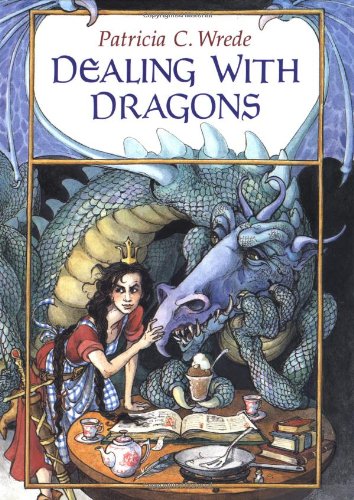
Patricia Collins Wrede is an American author of fantasy literature. She is known for her Enchanted Forest Chronicles series for young adults, which was voted number 84 in NPR's 100 Best-Ever Teen Novels list.
- The Saga of Recluce
series48 books1991
similar byepic fantasysecondary worldfantasy+1 more
The Saga of Recluce is a series of fantasy novels written by L. E. Modesitt Jr. The initial novel in the series, The Magic of Recluce, was published in 1991. The series is still in publication with the latest novel published in June 2026. In 2015 Modesitt stated that the (then) 20 novels in the Recluce series had sold nearly three million copies.
- Dragonbards
series3 books1985
completed
similar byadventurousepic fantasydragonssecondary worldfantasy+1 more
- Pellinor
series5 books2002
similar byadventurousepic fantasysecondary worldfantasy+1 more
Maerad has spent most of her life enslaved on a remote farm, until the wandering Bard Cadvan recognizes in her the Gift -- a rare and powerful magical ability -- and takes her from captivity into training. Alison Croggon's Books of Pellinor follow Maerad across the world of Edil-Amarandh as she's drawn into a prophecy naming her the only one who might stop the Nameless One, an ancient and corrupting sorcerer, while she also searches for her lost family. The series runs through The Gift, The Riddle, The Crow, The Singing, and the later prequel The Bone Queen.
- Beklan Empire
series2 books1974
completed
similar byepic fantasysecondary worldfantasy+2 more
Two standalone novels by Richard Adams set in the same invented world, the Beklan Empire, an ancient, quasi-Mediterranean land of god-kings, slave markets, and warring city-states. Shardik (1974) follows a hunter swept into a religious and military frenzy over a giant bear believed to be the vessel of a god; Maia (1984) turns to an earlier generation of the empire and follows a slave girl's rise through its court and conquests. The two novels share only their setting, not characters or plot.