More like Humanity
anchored on:science fictionrobotsother star systemsfar futurealiens
but
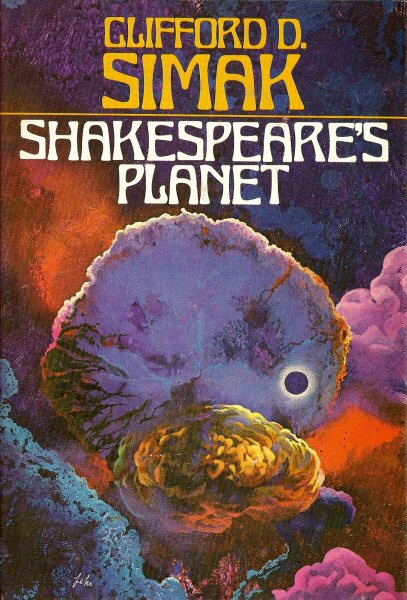
- Shakespeare's Planet
Clifford D. Simakstandalone novel1976
similar byscience fictionmysteriousother star systemsfar futurerobotsaliens
Woken after a thousand-year voyage meant to find humanity a new home, Carter Horton finds his ship stranded for good, tended by the disembodied minds of three volunteers who gave up their bodies to fly it. Outside waits a world already crowded with strangers: a robot named Nicodemus, and an alien called the Carnivore who claims to have known a human, once, called Shakespeare, and to have arrived here through a tunnel across time. As more travelers arrive through that same tunnel, Horton has to work out what kind of planet he has actually landed on. A standalone novel from Clifford D. Simak.
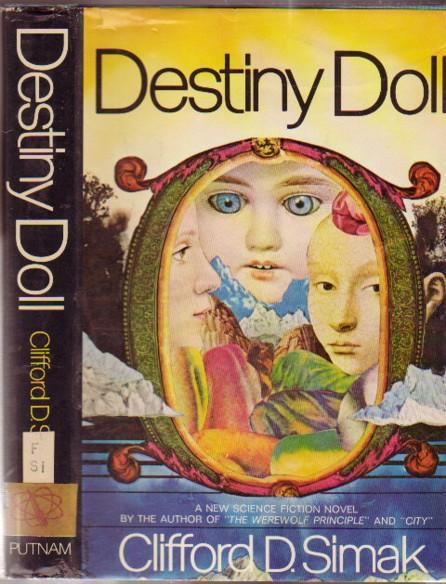
- Destiny Doll
Clifford D. Simakstandalone novel1971
similar byscience fictionmysteriousother star systemsfar futurerobotsaliens
A group of space travelers is trapped on a planet that lured them to land. The story involves their adventures on the planet and the discovery of friendly aliens, robots, and not-so-friendly life forms. There is the alternate reality possibility toward the end of the story.
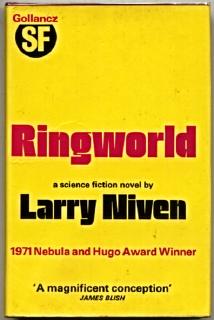
- Ringworld
series5 books1970
part of Known Space
similar byscience fictionother star systemsfar futurealiens+1 more
The Ringworld series is a series of science fiction novels written by American author Larry Niven. It is part of his Known Space series of stories. Its backdrop is the Ringworld, a giant artifact 3 million times the surface area of Earth circling a star. The series is composed of four standalone science fiction novels, the original award-winning book and its three sequels:1970: Ringworld 1979: The Ringworld Engineers 1996: The Ringworld Throne 2004: Ringworld's Children
- Heechee
series19 books1972
completed
similar byscience fictionfar futurealiensother star systems+1 more
The Heechee Saga, also known as the Gateway series, is a series of science fiction novels and short stories by Frederik Pohl. The Heechee are an advanced alien race that visited the Solar System hundreds of millennia ago and then mysteriously disappeared. They left behind bases containing artifacts, including working starships, which are discovered and exploited by humanity.
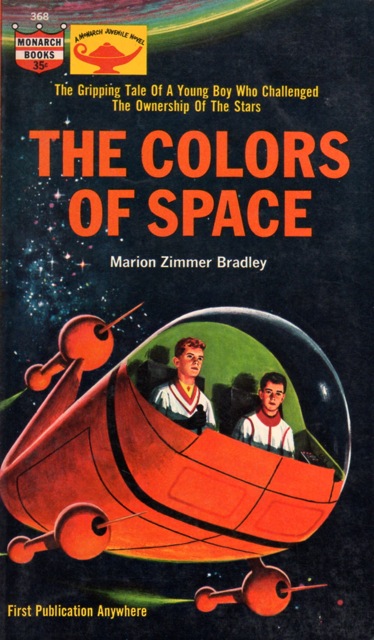
- The Colors of Space
Marion Zimmer Bradleystandalone novel1963
similar byscience fictionmysteriousother star systemsfar futurealiens
The Lhari seem peaceful and friendly, but they go to some lengths to protect their monopoly on faster-than-light travel. One young man is sent to discover their secrets.
- Doorways in the Sand
Roger Zelaznystandalone novel1976
similar byscience fictionmysteriousfar futurealiensother star systems
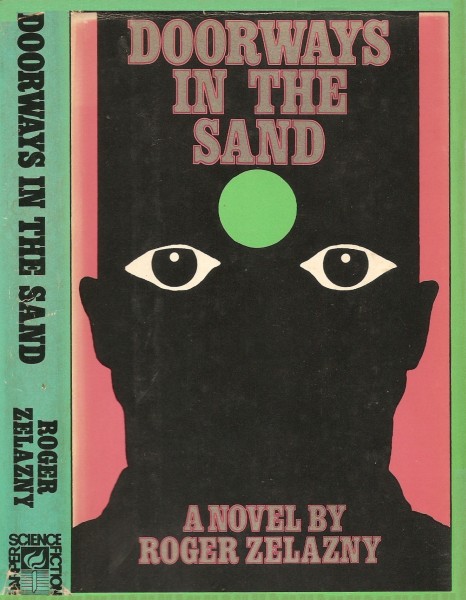
Doorways in the Sand is a science fiction novel by American writer Roger Zelazny. Featuring both detective fiction and comic elements, it was originally published in serial form in the magazine Analog Science Fiction and Science Fact; the hardcover edition was first published in 1976 and the paperback in 1977. Zelazny wrote the whole story in one draft, with no rewrites, and it subsequently became one of his five favorites among his own work. Doorways in the Sand was nominated for the Nebula and Hugo awards.
- Against the Fall of Night
series2 books1953
similar byscience fictionother star systemsfar future+1 more
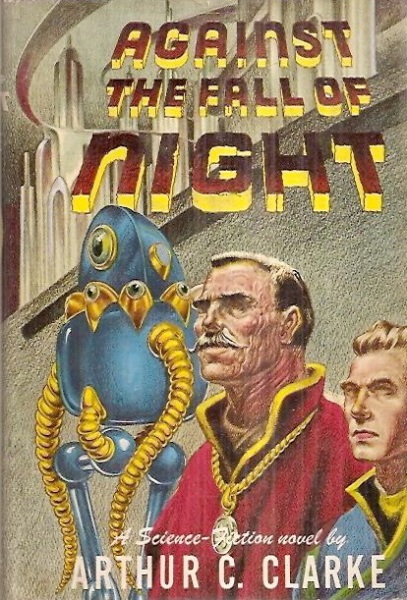
Against the Fall of Night is Arthur C. Clarke's 1953 novel of a stagnant, climate-controlled city called Diaspar a billion years in Earth's future, where a young man named Alvin becomes the first in living memory to want to leave it. Clarke later rewrote the book more expansively as The City and the Stars, and in 1990 Gregory Benford wrote Beyond the Fall of Night, an authorized sequel continuing on from this original, shorter version's ending.
- Academy / Priscilla (Hutch) Hutchins
series16 books1983
similar byscience fictionfar futureother star systemsaliens+1 more
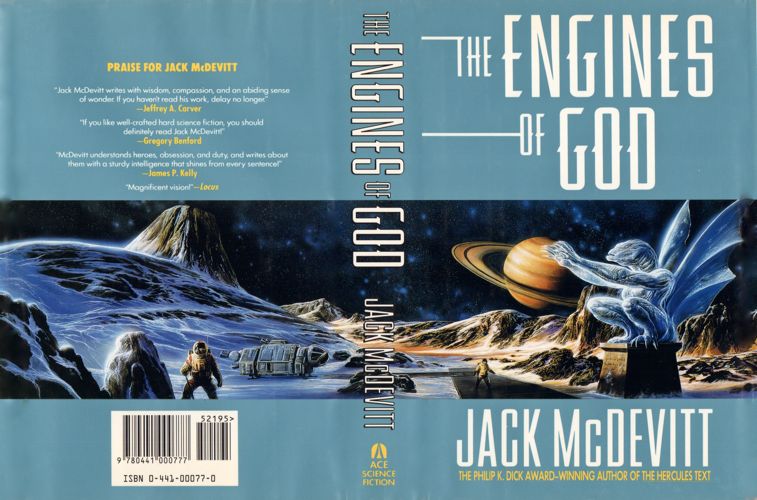
Jack McDevitt's Academy novels follow Priscilla 'Hutch' Hutchins, a starship pilot turned administrator, across a series of archaeological mysteries involving vanished alien civilizations and inexplicable ancient artifacts scattered through human space. Beginning with The Engines of God, the series treats deep time and the near-total absence of intelligent alien life as its central mystery, favoring slow-burn discovery over action. McDevitt returned to Hutch across three decades of publication.
- The Avatar
Poul Andersonstandalone novel1978
similar byscience fictionmysteriousfar futurealiensother star systems
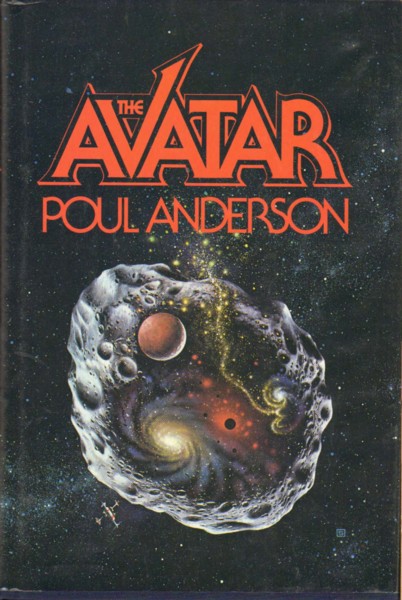
After humanity discovers portals that transport a space vessel through time and space, a crew which has visited the planet of another species returns to Earth, only to find a political faction in power which seeks to conceal this knowledge in the name of social stability. With the aid of the political opposition, they escape and journey through the portal in search of knowledge, and perhaps even to meet those who created the portal system.
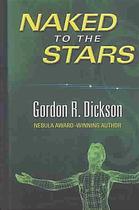
- Naked to the Stars
Gordon R. Dicksonstandalone novel1961
similar byscience fictionmysteriousother star systemsfar futurealiens
The subject of the cosmic soldier has become a matter of concern for the science fiction reader. With the award-winning success of The Forever War, and with the great classic novels of Gordon R. Dickson's genetically bred mercenaries, the Dorsai, it is clear that the role of a fighter in a universe of expanding technology and competing alien intelligences is on science fiction's orders of the day. Gordon R. Dickson has been the master of that field, and his novel, Naked to the Stars, is one of his masterpieces. Long out of print, it is the story of a star soldier who, during a battle against a non-human foe on a far planet, somehow lost sixteen hours from his memory. Discharged for the potential danger those lost hours might have programmed, Cal Truant made it his fixation to uncover the mystery buried in his mind - to find out what had happened in those missing hours - and block the peril it might present to his fellow troopers, to his war command, and to the planet for which they fought - Earth.
- Riverworld
series37 books1965
similar byscience fictionfar futureother star systems+1 more
The Riverworld series consists of five science fiction novels (1971–1983) by American author Philip José Farmer (1918–2009). The Riverworld is an artificial, or heavily terraformed, planet where all humans who ever lived throughout history have been resurrected. The novels explore interactions of resurrected individuals from many different cultures and time periods. The underlying theme is quasi-religious. The motivations and ethics of the unknown intelligences that created the Riverworld and its inhabitants are explored.
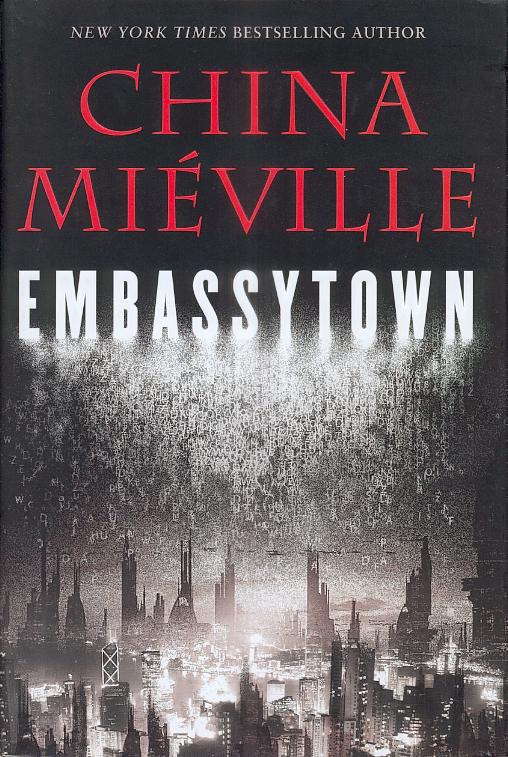
- Embassytown
China Miévillestandalone novel2011
similar byscience fictionmysteriousother star systemsfar futurealiens
In the far future, humans have colonized a distant planet, home to the enigmatic Ariekei, sentient beings famed for a language unique in the universe, one that only a few altered human ambassadors can speak. Avice Benner Cho, a human colonist, has returned to Embassytown after years of deep-space adventure. She cannot speak the Ariekei tongue, but she is an indelible part of it, having long ago been made a figure of speech, a living simile in their language. When distant political machinations deliver a new ambassador to Arieka, the fragile equilibrium between humans and aliens is violently upset. Catastrophe looms, and Avice is torn between competing loyalties—to a husband she no longer loves, to a system she no longer trusts, and to her place in a language she cannot speak yet speaks through her.
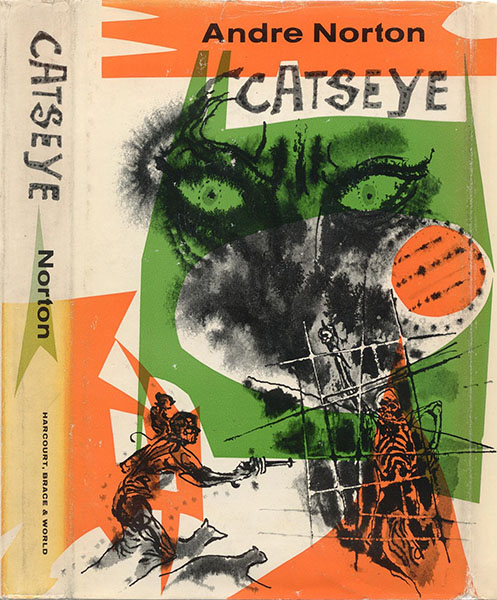
- Dipple
series2 books1961
completed
similar byscience fictionfar futureother star systems+2 more
Andre Norton's Dipple books are linked by a shared setting rather than a continuing plot: the Dipple, a squalid refugee slum for displaced aliens and humans on a distant colony world, first introduced in Catseye (1961). Night of Masks (1964), grouped here alongside it, follows a different, disfigured young protagonist drawn into his own separate adventure that also touches the Dipple, rather than continuing Catseye's story. Each book stands alone, connected mainly by Norton's recurring interest in outcasts finding purpose off-world.
- Masters of Everon
Gordon R. Dicksonstandalone novel1979
similar byscience fictionmysteriousother star systemsfar futurealiens
Jef Robini was heading for Everon with a highly controversial cargo. For eight years on Earth Jef had tried to rear the maolot cub which was the final legacy from his brother. But the maolot had failed to grow into the giant cat that was Everon's largest and most dangerous life-form. And now Jef was returning the creature to its natural home, the colonized planet of Everon. He knew the planet was barren. And that he'd have to fight to survive. But nothing had prepared him for the incomprehensible strangeness, the mind-blasting wonder of the true Masters of Everon.
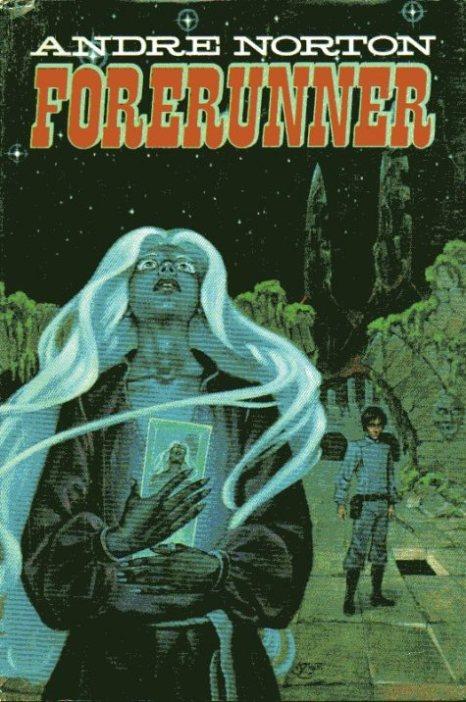
- Forerunner
series5 books1960
completed
similar byscience fictionother star systemsfar future+1 more
Forerunner and its sequel, Forerunner: The Second Venture, follow a young woman on an alien world who joins forces with an off-world traveler on a dangerous search for relics of a vanished, ancient civilization, hoping to find clues to how civilization itself began. It is a self-contained two-book adventure by Andre Norton rather than part of a longer sequence, later gathered as the omnibus The Forerunner Factor.
- Ender Wiggin
series14 books1977
part of Ender's Game Universe
similar byscience fictionfar futurealiensother star systems
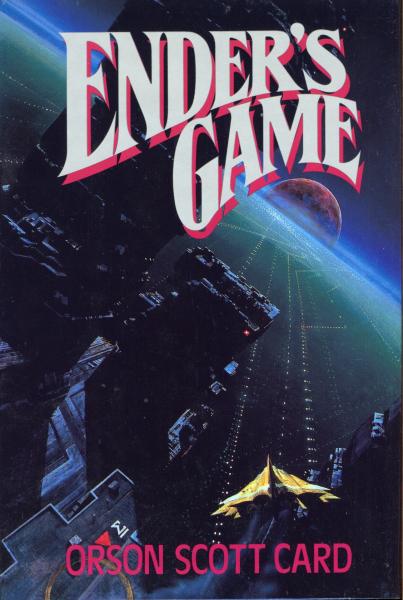
Orson Scott Card's Ender's Game (1985, expanded from his 1977 novella) follows child prodigy Andrew "Ender" Wiggin as he is recruited into a military training program built to prepare Earth's defenses for an anticipated third war against an insectoid alien species known as the Formics. The saga continues years later through Speaker for the Dead and Xenocide, following an older Ender as he confronts the moral weight of his role in that earlier conflict, and concludes the core arc in Children of the Mind, with Ender in Exile filling in the years between the first two books. Set within the wider Ender's Game universe, the series shifts from military coming-of-age story to slower, more philosophical science fiction as it progresses.
- Incandescence
Greg Eganstandalone novel2008
similar byscience fictionmysteriousother star systemsfar futurealiens
Incandescence is a 2008 science fiction novel by Australian author Greg Egan. The book is based on the idea that the theory of general relativity could be discovered by a pre-industrial civilisation.
- The Companions
Sheri S. Tepperstandalone novel2003
similar byscience fictionmysteriousother star systemsfar futurealiens
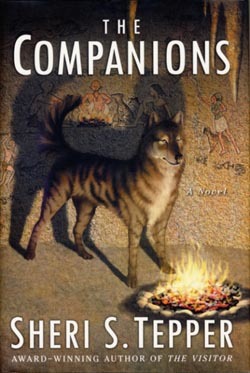
Three planets in deep space were named by their human discoverers to reflect their environments: lush and foreboding Jungle, which swallowed up an exploratory team; Stone, phenomenally rich in rare ore; and Moss, the most enigmatic -- and dangerous -- of the trio.Joining her half-brother Paul, the famed linguist, on a two-person scientific expedition, Jewel Delis has come to Moss to observe the phenomenon of dancing light and to help decipher the strange musical "language" that accompanies it. But there are other mysteries alive on this exotic world covered in ever-shifting vegetation -- and something more than illuminations has enticed her away from a disastrously overpopulated homeworld to seek answers at the universe's unexplored edge. For Jewel herself is a question mark with a radical agenda that will put her at perilous odds with her planet's ruling powers -- and with the inscrutable alien races she encounters -- as she risks all for justice for the endangered beasts of the Earth.
- Quadrail
series5 books2005
similar byscience fictionmysteriousfar futurealiens+1 more
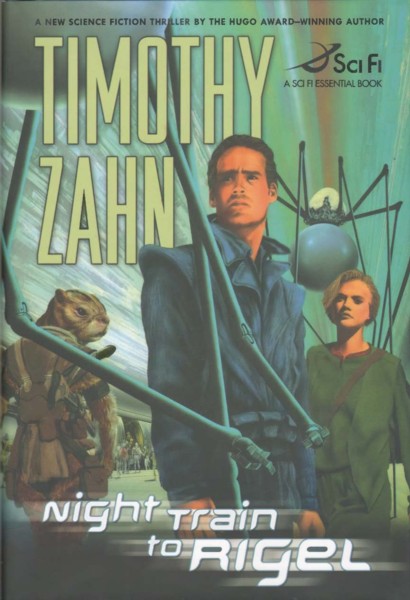
Timothy Zahn's Quadrail series follows ex-intelligence operative Frank Compton, recruited by the enigmatic Spider caretakers of the Quadrail, an interstellar train network that lets a dozen alien empires travel between worlds at a light-year a minute. Paired with the telepathically gifted Bayta, Compton investigates and fights the Modhri, a parasitic group-mind quietly seizing control of galactic leaders from within. The five novels, published 2005-2012, follow one continuous investigation from first contact with the threat to its final confrontation.
- Teixcalaan
series2 books2019
similar byscience fictionother star systemsfar future+2 more
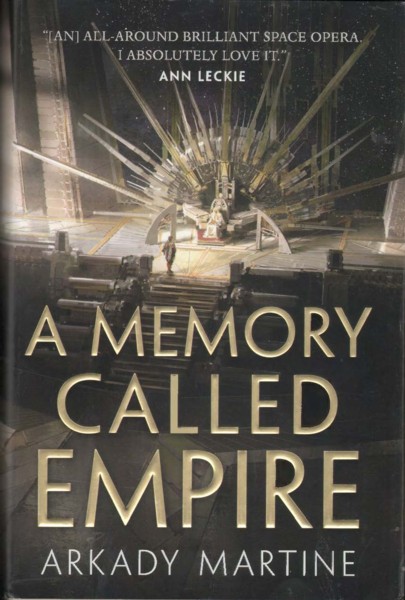
Arkady Martine's space opera duology follows Mahit Dzmare, ambassador from the small, independent Lsel Station, as she arrives in the vast Teixcalaanli Empire to investigate her predecessor's death and finds herself caught up in the empire's own succession crisis. A Memory Called Empire and A Desolation Called Peace pair court intrigue with Mahit's conflicted, outsider fascination with an empire she can't help admiring.
- Infinity Beach
Jack McDevittstandalone novel2000
similar byscience fictionmysteriousother star systemsfar futurealiens
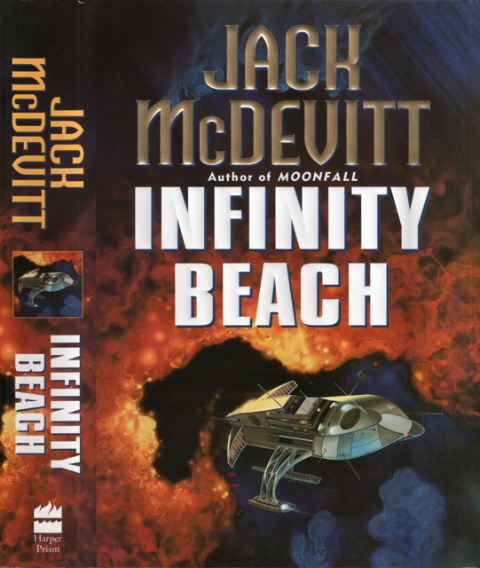
Infinity Beach is a 2000 science fiction novel by Jack McDevitt. It is a story of a first contact between human and alien civilizations.
- The Orchid Cage
Herbert W. Frankestandalone novel1961
similar byscience fictionmysteriousother star systemsfar futurealiens
On a distant planet, not too different from Earth, there stands a mechanized city with no visible inhabitants. Obviously of a highly developed civilization, the question is who built it, where are they, and what can humans learn from them? Two teams of explorers enter into a competition to find the answers. There are no holds barred - almost anything goes to win the contest. But the city is capable of meeting trickery with trickery, violence with violence - and murder with justice. (from the back cover of the DAW Books first English language edition)
- As on a Darkling Plain
Ben Bovastandalone novel1972
similar byscience fictionmysteriousfar futurealiensother star systems
Humanity has explored the solar system and is in the beginnings of interstellar exploration. However, as the explorations proceed it becomes more and more apparent that people from Earth have already been there before. Was the Earth a spacefaring planet in prehistory and had that civilization been wiped out by aliens from elsewhere so that the people of Earth had to start all over again. The discovery of the remnants of an Earth colony in orbit around Sirius seems to confirm that supposition. There is alsoa large machine that is still functioning in the solar system.
- Foundation Universe
universe123 books1940
Start hereFoundation · Start here
similar byscience fictionfar futurerobots+2 more
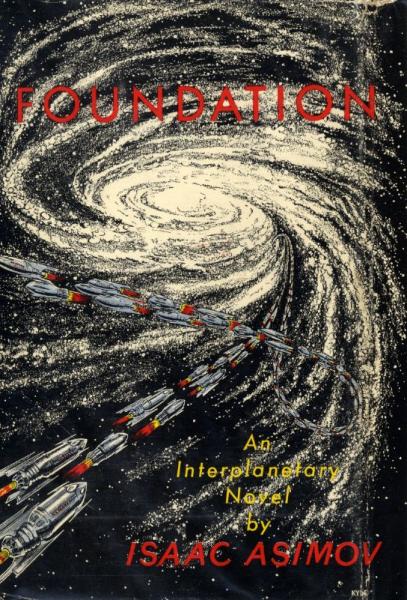
There is a science that reads the future of quadrillions the way an astronomer reads the orbits of stars. It is called psychohistory, and its equations foresee something the ruling Galactic Empire cannot admit: the throne is rotting, and thirty thousand years of barbarism are coming. One man, Hari Seldon, cannot stop the fall. He can only shorten it — by seeding a Foundation of scholars at the rim of the galaxy, a fragile institution built to carry knowledge across the dark and cut the interregnum to a single millennium. This is a universe told in the register of history itself: the long view, the calm of deep time, empires measured in centuries and men measured against them. The spine is Asimov's original trilogy — Foundation, Foundation and Empire, Second Foundation — followed decades later by the sequels Foundation's Edge and Foundation and Earth and the prequels Prelude to Foundation and Forward the Foundation. Late in life Asimov braided this in with his other future histories: the Robot novels of detective Elijah Baley and his humaniform partner R. Daneel Olivaw (The Caves of Steel, The Naked Sun, The Robots of Dawn, Robots and Empire) and the early Galactic Empire novels (Pebble in the Sky and its kin), until one continuous chronicle ran from the first thinking robots to the Second Empire. Other hands extend it — the Second Foundation Trilogy by Gregory Benford, Greg Bear, and David Brin, and shared-world spinoffs such as Robot City — so the corpus sprawls beyond a single author's tidy shelf. What distinguishes it is that the drama is intellectual: crises resolved by insight, nerve, and dialogue rather than fleets and blades, each turn hinging on the hidden logic of the Seldon Plan. Begin where readers have always begun — with Foundation, and the original trilogy in publication order. The rest opens outward from there.