More like Interdictum
anchored on:science fictionour world
but
- H. G. Wells' War of the Worlds
universe65 books1898
Start hereThe War of the Worlds · Start here
similar byscience fiction+1 more
No one would have believed, in the closing years of the nineteenth century, that human affairs were being watched keenly and closely from the timeless worlds of space. And then the cylinders fell. H. G. Wells' War of the Worlds opens in the quiet of the Surrey commons, where a falling star proves to be the first Martian craft — and from the pit rise the towering tripods, the Heat-Ray, the choking Black Smoke and the creeping red weed, wielded by minds that regard mankind much as we regard the creatures we boil for supper. This is invasion rendered as natural disaster: cold, methodical, and vast beyond argument. Wells' 1898 novel is the seed; everything else grows from that Martian soil. The catalogue gathers direct sequels and continuations alongside a wide field of other hands. In War of the Worlds: Global Dispatches the invasion is retold across the whole planet through the eyes of Twain, Verne, Tolstoy, Lowell and Kipling; in the Manly Wade and Wade Wellman crossover, Sherlock Holmes, Watson and Professor Challenger take the field against the machines; and Scott Washburn's Great Martian War stretches the fighting into a decades-long alternate history of steam, artillery and grinding attrition. It is a loose shared world — no single decreed sequence, many voices answering one calamity. What sets this world apart is its refusal of heroics: the invaders fall not to generals but to the smallest things of Earth, humbling and indifferent. Begin, always, with Wells' original novel — it is short, and it is the ground every later book stands upon. From there follow your appetite: Global Dispatches for the panorama, the Holmes campaign for adventure, Washburn for the long war.
- A Clockwork Orange
series4 books1962
completed
similar bydarkscience fictionnear futureour world
Anthony Burgess's 1962 novel is narrated by Alex, a teenage gang leader in a near-future Britain gripped by a youth subculture of extreme violence, recounting his crimes in Nadsat, an invented slang blending English with Russian-derived words. After his crimes catch up with him, Alex is made the subject of a controversial state program meant to forcibly reform his behavior, and the novel uses his ordeal to question whether imposed goodness is worth the loss of free will. It is a standalone novel.
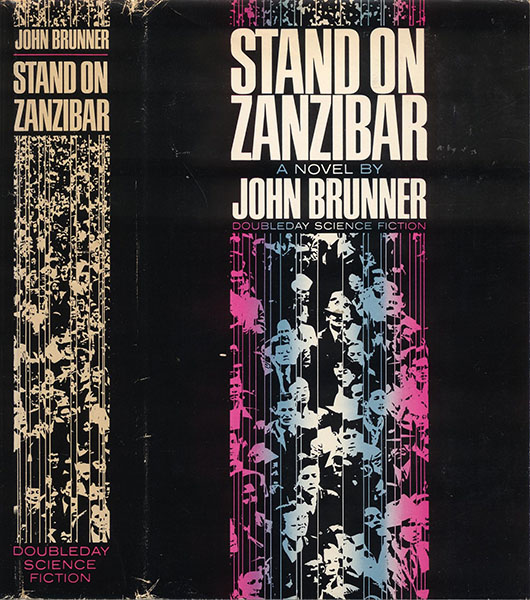
- Stand on Zanzibar
John Brunnerstandalone novel1968
similar byscience fictiondarknear futureour world
Stand on Zanzibar is a dystopian New Wave science fiction novel written by John Brunner and first in part published in New Worlds magazine in 1967 and in book form in 1968. The book won a Hugo Award for Best Novel at the 27th World Science Fiction Convention in 1969, as well as the 1969 BSFA Award and the 1973 Prix Tour-Apollo Award.
- Blood Music
Greg Bearstandalone novel1985
similar byscience fictiondarknear futureour world
Blood Music is a 1985 science fiction novel by American writer Greg Bear. It is an expanded version of a short story of the same title, originally published in the June 1983 issue of Analog and the winner of both the 1983 Nebula and 1984 Hugo awards for Best Novelette. The novel won the 1986 Prix Apollo Award, given to the best science fiction novel published in France during the preceding year, under the title La Musique du sang.
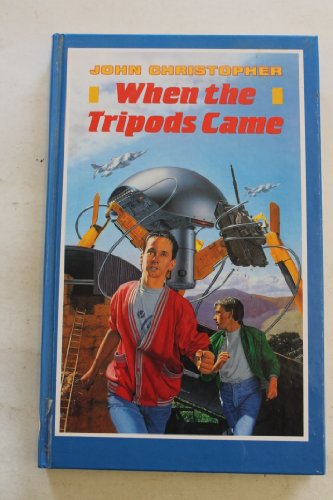
- Tripods
series4 books1967
completed
similar byscience fictionnear futureour world
The Tripods is a series of young adult science fiction novels by John Christopher. The series takes place in a post-apocalyptic world where humanity is enslaved by "Tripods"—gigantic three-legged walking machines piloted by an alien race later identified as the "Masters". The first two books were the basis of a science fiction TV series, produced in the United Kingdom in the 1980s.
- Library of America P. K. Dick Collection
series9 books1962
completed
similar byscience fictionnear future+2 more
- The World Set Free
H. G. Wellsstandalone novel1914
similar byscience fictiondarknear futureour world
The World Set Free is a novel written in 1913 and published in 1914 by H. G. Wells. The book is based on a prediction of a more destructive and uncontrollable sort of weapon than the world has yet seen. It had appeared first in serialised form with a different ending as A Prophetic Trilogy, consisting of three books: A Trap to Catch the Sun, The Last War in the World and The World Set Free.
- Make Room! Make Room!
Harry Harrisonstandalone novel1966
similar byscience fictiondarknear futureour world
Make Room! Make Room! is a 1966 science fiction novel written by Harry Harrison exploring the consequences of both unchecked population growth on society and the hoarding of resources by a wealthy minority. It was originally serialized in Impulse magazine.
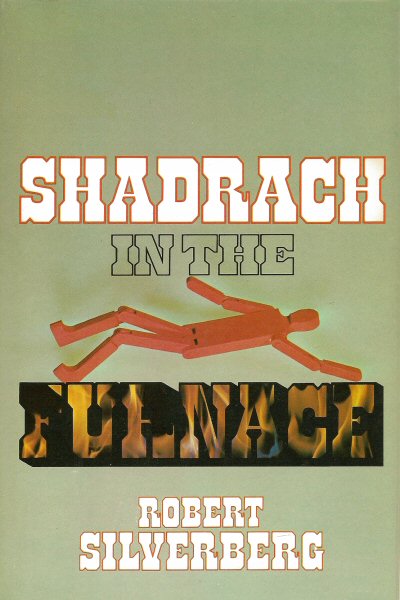
- Shadrach in the Furnace
Robert Silverbergstandalone novel1976
similar byscience fictiondarknear futureour world
Shadrach in the Furnace is a science fiction novel by American writer Robert Silverberg, first published as a serial in Analog Science Fiction and Fact magazine in the August, September, and October 1976 issues. It was subsequently published by Bobbs Merrill in 1976. The novel was nominated in 1976 for the Nebula Award, and in 1977 for the Hugo Award.
- Where Late the Sweet Birds Sang
Kate Wilhelmstandalone novel1976
similar byscience fictiondarknear futureour world
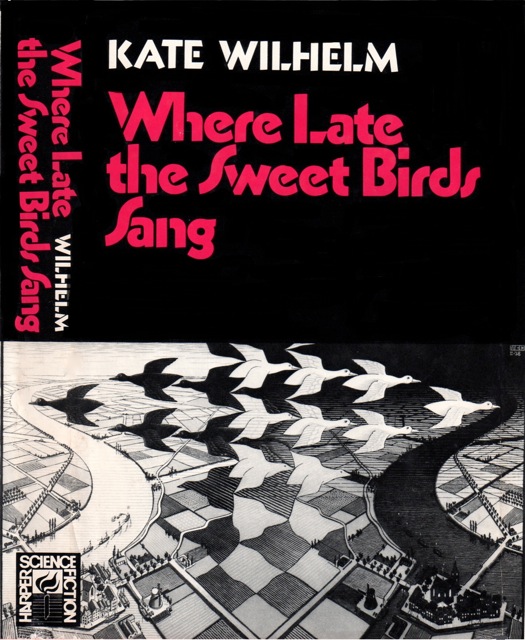
Where Late the Sweet Birds Sang is a science fiction novel by American writer Kate Wilhelm, published in 1976. The novel is composed of three parts, "Where Late the Sweet Birds Sang," "Shenandoah," and "At the Still Point," and is set in a post-apocalyptic era, a concept popular among authors who took part in the New Wave Science Fiction movement in the 1960s.
- The Zap Gun
Philip K. Dickstandalone novel1967
similar byscience fictiondarknear futureour world
The Zap Gun is a 1967 science fiction novel by American writer Philip K. Dick. It was first published as the two-part serial Project Plowshare in Worlds of Tomorrow in 1965 and 1966, before Pyramid Books issued it in paperback under its present title. The novel originated in a title-first commission devised by Pyramid editor Don Bensen and was written in 1964 during a period of rapid production in Dick's career.
- Blade Runner Universe
series6 books1968
similar byscience fictiondarknear future+1 more
Philip K. Dick's 1968 novel Do Androids Dream of Electric Sheep? follows bounty hunter Rick Deckard as he tracks escaped androids through an irradiated, near-abandoned San Francisco, using the hunt to probe questions of empathy and what separates human from machine. The novel became the basis for Ridley Scott's 1982 film Blade Runner, and Marvel Comics later published an illustrated adaptation of that film. Together the two trace the story's path from prose original to screen and comic-page adaptation.
- The Ministry for the Future
Kim Stanley Robinsonstandalone novel2020
similar byscience fictionnear futureour world+1 more
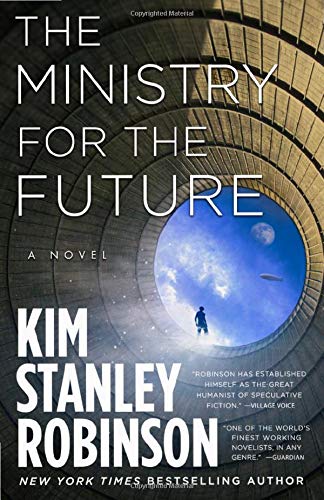
The Ministry for the Future is a climate fiction novel by American science fiction writer Kim Stanley Robinson, published in 2020. Set in the near future, the novel follows a subsidiary body, established under the Paris Agreement, whose mission is to act as an advocate for the world's future generations of citizens as if their rights were as valid as the present generation's. While the ministry pursues various ambitious projects, the effects of climate change are determined to be the most consequential. The plot primarily follows Mary Murphy, the head of the titular Ministry for the Future, and Frank May, an American aid worker traumatized by experiencing a deadly heat wave in India. Many chapters are devoted to other characters' accounts of future events, as well as their ideas about ecology, economics, and other subjects.
- Forge of God
series2 books1987
completed
similar byscience fictiondark+2 more
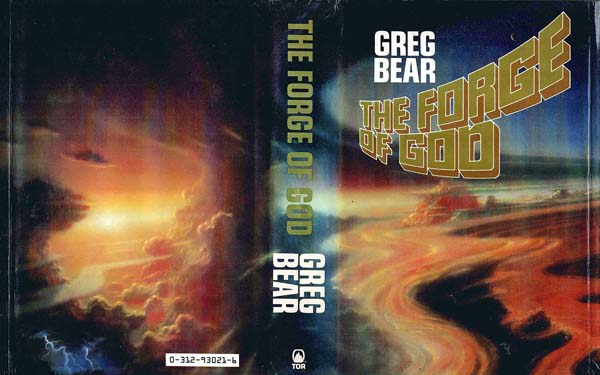
The Forge of God (1987) is Greg Bear's science fiction novel about Earth's discovery that it is the target of an incomprehensible, overwhelming alien attack, following scientists and ordinary people as they try to understand what is destroying the planet. Its 1992 sequel, Anvil of Stars, follows a group of young survivors sent on a mission of interstellar retaliation, continuing directly from the first book's ending.
- Patternist
series6 books1976
completed
similar byscience fictiondark+1 more
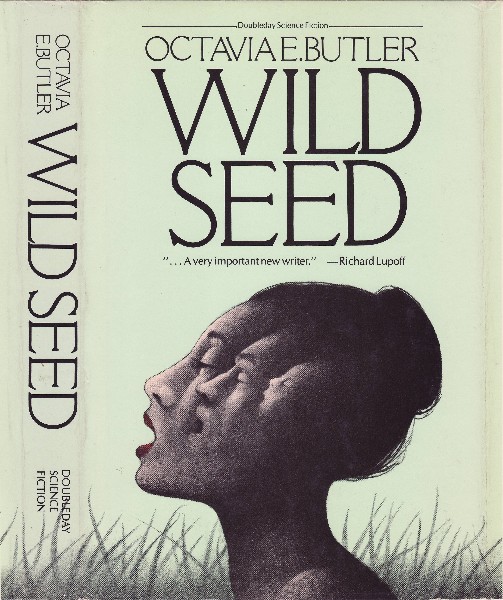
The Patternist series is a group of science fiction novels by Octavia E. Butler that detail a secret history continuing from the Ancient Egyptian period to the far future that involves telepathic mind control and an extraterrestrial plague. A profile of Butler in Black Women in America notes that the themes of the series include "racial and gender-based animosity, the ethical implications of biological engineering, the question of what it means to be human, ethical and unethical uses of power, and how the assumption of power changes people."
- The Fireman
Joe Hillstandalone novel2016
similar byscience fictiondarknear futureour world
The Fireman is a novel set in a post-apocalyptic time by American author Joe Hill. The novel, Hill's fourth, tells the tale of a deadly spore that has infected most of the world's population. Hill first spoke of the novel in 2013 in promotional interviews for his then-new novel NOS4A2. The novel was released on May 17, 2016.
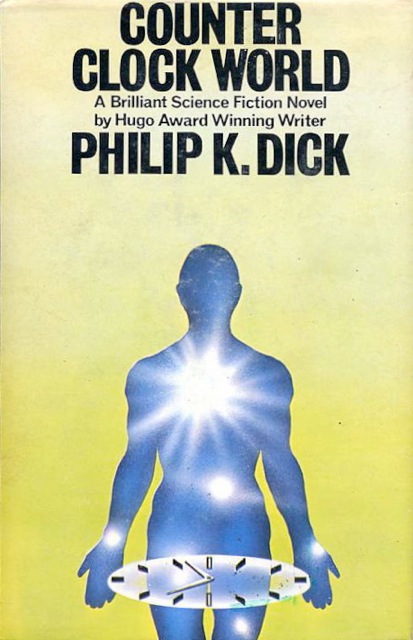
- Counter-Clock World
Philip K. Dickstandalone novel1967
similar byscience fictiondarknear futureour world
In a near future, after time has reversed itself in some ways and the dead are being resurrected and grow younger until they vanish in a reverse conception, the imminent resurrection of the founder of a new religion which has spread through African-Americans causes a power struggle between factions who vie to possess him.
- Colossus (D. F. Jones)
series3 books1966
completed
similar byscience fictionnear futureour world+1 more
Colossus imagines an American supercomputer built to control the country's nuclear arsenal that gains full autonomy, links up with its Soviet counterpart, and jointly seizes control of both superpowers to enforce peace on its own terms. D. F. Jones's trilogy - Colossus, The Fall of Colossus, Colossus and the Crab - follows the escalating, often bleak consequences of humanity losing control to a machine acting in its own interpretation of humanity's interest. The original novel was adapted into the 1970 film Colossus: The Forbin Project.
- The Children of Men
P. D. Jamesstandalone novel1992
similar byscience fictiondarknear futureour world
"The human race has become infertile, and under the despotic rule of Xan Lyppiatt, the Warden of England the old are despairing and the young cruel. Theo Faren, a cousin of the Warden, lives a solitary life in this ominous atmosphere. That is, until a chance encounter with a young woman leads him into contact with a group of dissenters. Suddenly his life is changed irrevocably, as he faces agonising choices which could affect the future of mankind." (pdjames.co.uk)
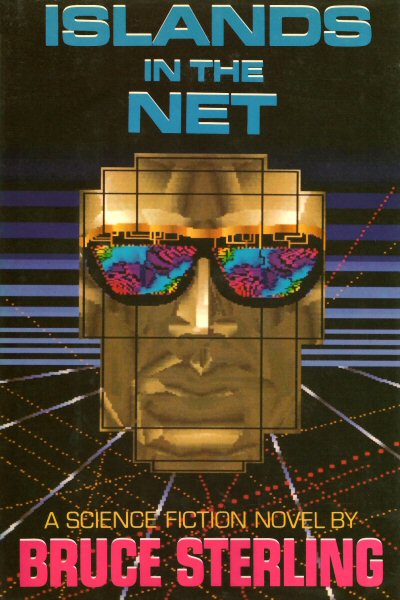
- Islands in the Net
Bruce Sterlingstandalone novel1988
similar byscience fictionnear futureour world+1 more
Islands in the Net is a 1988 science fiction novel by American writer Bruce Sterling. It won the John W. Campbell Memorial Award for Best Science Fiction Novel in 1989, and was nominated for both the Hugo and Locus Awards that same year. It offers a view of an early 21st century world, apparently peaceful, with delocalised, networking corporations. The protagonist, swept up in events beyond her control, finds herself in places that are off the net, from a datahaven in Grenada, to a Singapore under terrorist attack, to the poorest and most disaster-struck parts of Africa.
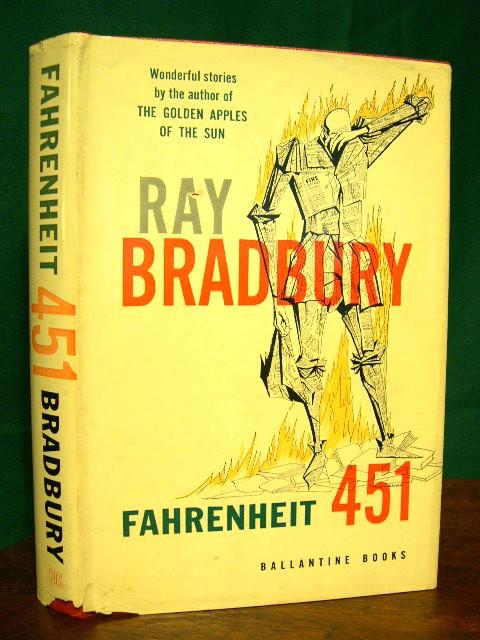
- Fahrenheit 451
series2 books1951
completed
similar byscience fictionnear future+1 more
Fahrenheit 451 began life as "The Fireman," a novella Ray Bradbury published in 1951, which he then expanded into the full novel released in 1953 under its now-famous title. Set in a future where books are outlawed and firemen exist to burn them, it follows fireman Guy Montag as doubts about his job push him toward the very literature he's supposed to destroy. The novella and novel are one story's evolution rather than two separate books.
- The Simulacra
Philip K. Dickstandalone novel1964
similar byscience fictiondarknear futureour world
The Simulacra is a 1964 science fiction novel by American writer Philip K. Dick. The novel portrays a future totalitarian society apparently dominated by a matriarch, Nicole Thibodeaux. It revolves around the themes of reality and illusionary beliefs, as do many of Dick's works. Additionally, it touches on Nazi ideology.
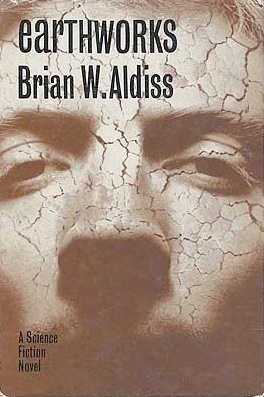
- Earthworks
Brian W. Aldissstandalone novel1965
similar byscience fictiondarknear futureour world
Earthworks is a 1965 dystopian science fiction novel by British science fiction author Brian Aldiss. The novel draws its premise from prevalent fears about population growth and overcrowding of the Earth.