More like Involution Ocean
anchored on:science fictionother star systemsfar futurealiensdark
but
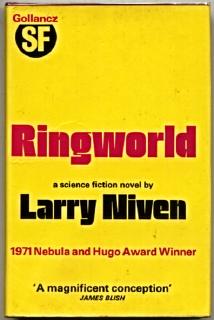
- Ringworld
series5 books1970
part of Known Space
similar byscience fictionaliensother star systemsfar futurespace explorationadventurous
The Ringworld series is a series of science fiction novels written by American author Larry Niven. It is part of his Known Space series of stories. Its backdrop is the Ringworld, a giant artifact 3 million times the surface area of Earth circling a star. The series is composed of four standalone science fiction novels, the original award-winning book and its three sequels:1970: Ringworld 1979: The Ringworld Engineers 1996: The Ringworld Throne 2004: Ringworld's Children
- Moties
series4 books1974
part of CoDominium
similar byscience fictionaliensfar futureother star systems+2 more
Larry Niven and Jerry Pournelle's The Mote in God's Eye (1974) depicts humanity's first contact with an alien species, the Moties, set within the far-future interstellar setting of Pournelle's codominium future history. The Gripping Hand continues that first-contact crisis years later, and Outies, written by J. R. Pournelle, carries the story forward into a new generation. Together the three books trace an escalating encounter between human and Motie civilizations within the codominium universe.
- Heechee
series19 books1972
completed
similar byscience fictionaliensfar futureother star systemsspace exploration+1 more
The Heechee Saga, also known as the Gateway series, is a series of science fiction novels and short stories by Frederik Pohl. The Heechee are an advanced alien race that visited the Solar System hundreds of millennia ago and then mysteriously disappeared. They left behind bases containing artifacts, including working starships, which are discovered and exploited by humanity.
- Mesklin
series6 books1954
completed
similar byscience fictionaliensother star systemsfar futurespace explorationadventurous
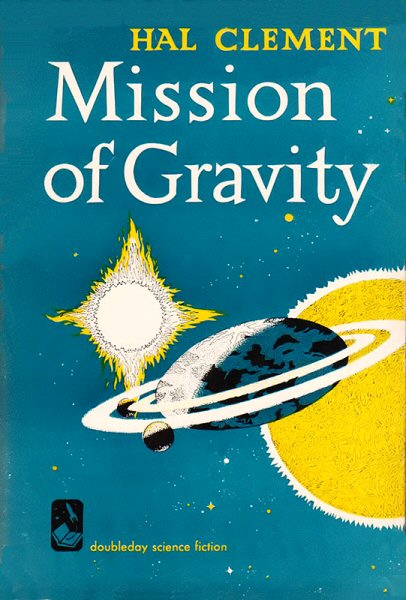
Mesklin is a fictional planet created by Hal Clement and used in a number of his hard science fiction stories, starting with Mission of Gravity (1954). Alongside the novel's original 1953 serialization in Astounding Science Fiction, Clement published an essay titled "Whirligig World" on how he designed the planet to have the properties he wanted. The idea came from an object that was at the time believed to exist in the 61 Cygni system, and which might represent an extrasolar planet.
- Uplift Universe
universe13 books1980
Start hereUplift · Start here
similar byscience fictionaliensfar futureother star systemsadventurous+1 more
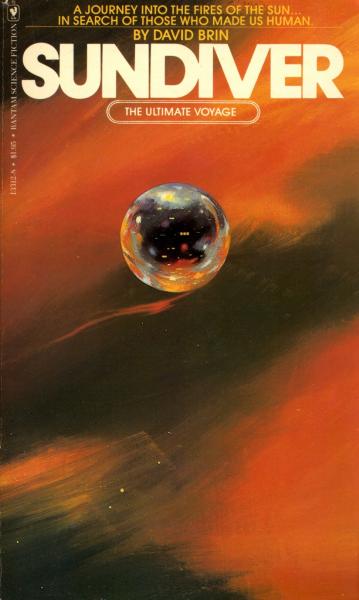
No species, the Galactics insist, ever climbs to sapience alone. For a billion years the elder races have "uplifted" their chosen clients — reshaping some promising animal, gene by patient gene, into a thinking being, then binding it through long ages of indenture. Patron lifts client; client one day becomes patron; and every lineage traces back through the vast Galactic Library to the vanished Progenitors who began it all. Then a ragged band of primates arrives at the stars with no patron to claim them — wolflings, self-made, an affront to a hundred thousand years of law — and worse, these humans have already started uplifting neighbors of their own: the neo-dolphins and neo-chimpanzees of Earthclan. David Brin builds this galaxy across two trilogies. The first — Sundiver, the Hugo- and Nebula-winning Startide Rising, and the Hugo-winning The Uplift War — sends an expedition into the Sun, then follows the dolphin-crewed survey ship Streaker as it flees a discovery that sets fanatical star-clans at war, and a chimp-led resistance on an invaded colony world. The second sequence, Uplift Storm — Brightness Reef, Infinity's Shore, Heaven's Reach — descends to Jijo, a forbidden world where six fallen races hide as illegal settlers, and draws every loose thread toward a reckoning. Short fiction fills the margins. This is space opera with an ecologist's conscience: teeming with invented biologies, wry cross-species banter, and real unease about what we owe the minds we make. Begin with Startide Rising — the saga's beating heart, and readable on its own — or take Sundiver first and read straight through in publication order.
- The Colors of Space
Marion Zimmer Bradleystandalone novel1963
similar byscience fictionaliensother star systemsfar futurespace explorationadventurous
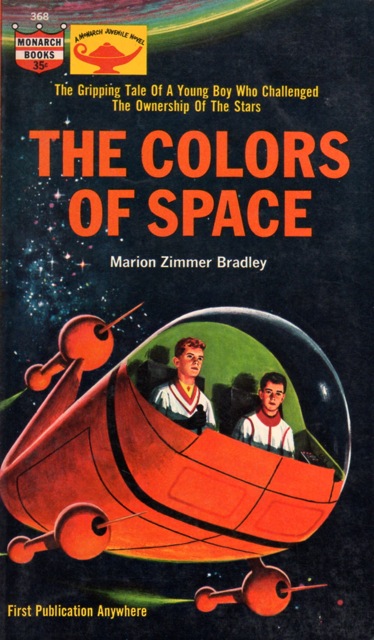
The Lhari seem peaceful and friendly, but they go to some lengths to protect their monopoly on faster-than-light travel. One young man is sent to discover their secrets.
- The Dosadi Experiment
Frank Herbertstandalone novel1977
similar byscience fictionaliensother star systemsfar future+2 more
From the flaps of the Berkley Putnam first edition: "In his first new work of science fiction since the best-selling Children of Dune, Frank Herbert returns to his world of Whipping Star, and involves Jorj X. McKie, Saboteur Extraordinary, in a new intrigue. In Whipping Star, McKie discovered that some of the stars in the universe are actually intelligent, super-powerful beings, and was able to befriend one of them, the star Alcyone - affectionately known as Fannie Mae. As The Dosadi Experiment opens, McKie is assigned to investigate the planet Dosadi, which is isolated from the rest of the galaxy by a "god-wall," a barrier set up by one of the intelligent stars. Dosadi is rumored to be an experimental planet, and the experimenters are the froglike Gowachin, whose culture is founded upon a strange legal system in which McKie is the only human ever trained. He learns that humans and Gowachin have been placed on Dosadi, without their consent, for an experiment that could last centuries: an experiment in extreme overcrowding. But this monstrous plot is apparently out of control, and it seems the Gowachin may be prepared to destroy Dosadi rather than expose its secret, thus breaking the peace among the races, and starting the first interstellar war. But this is just the beginning. When McKie finally reaches Dosadi he discovers that the Dosadis have taken control of their own evolution and produced a competitive, highly evolved elite, of both humans and Gowachin, who have been able to extrapolate the existence of a universe beyond the god-wall and hate whoever has imprisoned them like this. They plan to break out and avenge themselves on the galaxy."
- Thorns
Robert Silverbergstandalone novel1967
similar byscience fictionaliensdarkfar futureother star systems+1 more
From the back cover of the Ballantine first edition: "Lona Kelvin - naive orphan. And at seventeen, mother of one hundred children. Minner Burris - starman. Whose butchered body had been put together by aliens, with artificial and alien replacements. Horror stalked just beneath the surface of these two lonely creatures. Duncan Chalk - a vulture, carrion eater of other people's emotions, feeding on pain, fear, anger, hatred, jealousy, terror; typifying in the appetites of his vast body the sick delight that millions took in the tragedies he skillfully arranged. Lona Kelvin - Minner Burris - Duncan Chalk - Surely the strangest triangle the worlds had ever seen."
- Pip & Flinx
series18 books1972
part of Humanx Commonwealth
similar byscience fictionaliensfar futureother star systemsadventurous+1 more
The Pip & Flinx novels follow Flinx, a young man with an unusual, mysterious origin, and his ever-present animal companion Pip, across Alan Dean Foster's Humanx Commonwealth setting. Beginning with The Tar-Aiym Krang (1972) — chronologically the second entry, since Foster later filled in Flinx's earlier life — the series grew to fifteen novels published between 1972 and 2017, mixing planetary adventure with a slowly unfolding personal mystery.
- Uplift
series5 books1980
part of Uplift Universe
similar byscience fictionaliensfar futureother star systemsadventurous+1 more
David Brin's Uplift trilogy opens with Sundiver, sending human explorers into the Sun itself, then follows a dolphin-crewed starship on the run from hostile aliens in Startide Rising and a fight over the colony world Garth in The Uplift War. The books sit inside Brin's wider Uplift Universe, built on the idea that spacefaring "patron" species genetically engineer younger "client" species into full sapience, with humanity an anomaly that reached the stars without a patron of its own.
- Armor
John Steakleystandalone novel1984
similar byscience fictionaliensdarkother star systemsfar future
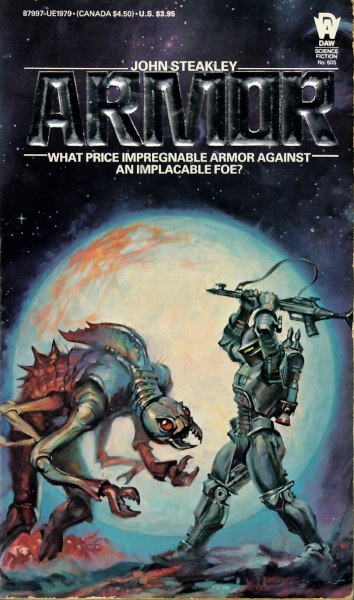
Armor is a military science fiction novel by John Steakley. It features the military use of exoskeletons and insect-like alien enemies but concentrates on the psychological effects of violence on human beings.
- Ender Wiggin
series14 books1977
part of Ender's Game Universe
similar byscience fictionaliensfar futureother star systems
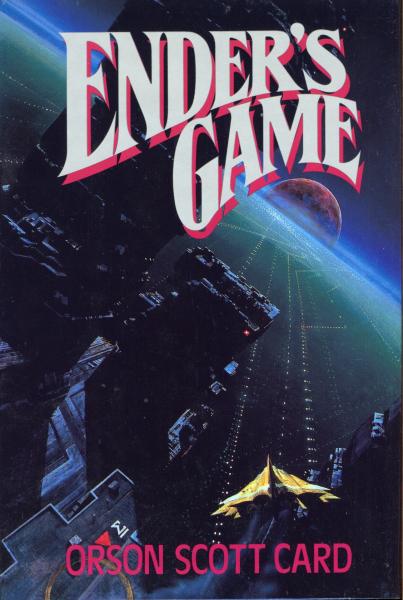
Orson Scott Card's Ender's Game (1985, expanded from his 1977 novella) follows child prodigy Andrew "Ender" Wiggin as he is recruited into a military training program built to prepare Earth's defenses for an anticipated third war against an insectoid alien species known as the Formics. The saga continues years later through Speaker for the Dead and Xenocide, following an older Ender as he confronts the moral weight of his role in that earlier conflict, and concludes the core arc in Children of the Mind, with Ender in Exile filling in the years between the first two books. Set within the wider Ender's Game universe, the series shifts from military coming-of-age story to slower, more philosophical science fiction as it progresses.
- The Stars My Destination
Alfred Besterstandalone novel1956
similar byscience fictiondarkfar futureother star systemsadventurous+1 more
When a passing spaceship refuses to rescue the lone survivor from the drifting wreck of another ship, he dedicates his life to discovering who made that decision and exacting his revenge, in the process altering human history and his own character.
- Of Man and Manta
series3 books1968
similar byscience fictionaliensother star systemsfar futureadventurous+1 more
Of Man and Manta is a trilogy of science fiction novels written by Piers Anthony. It consists of the three books: Omnivore (1968), Orn (1970), and 0X (1975).
- Across a Billion Years
Robert Silverbergstandalone novel1969
similar byscience fictionaliensother star systemsfar futurespace explorationadventurous
Across a Billion Years is a 1969 science fiction novel by American writer Robert Silverberg.
- The Avatar
Poul Andersonstandalone novel1978
similar byscience fictionaliensfar futureother star systemsspace explorationadventurous
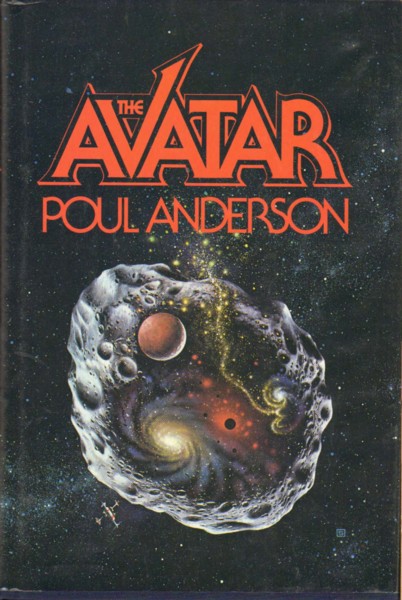
After humanity discovers portals that transport a space vessel through time and space, a crew which has visited the planet of another species returns to Earth, only to find a political faction in power which seeks to conceal this knowledge in the name of social stability. With the aid of the political opposition, they escape and journey through the portal in search of knowledge, and perhaps even to meet those who created the portal system.
- Academy / Priscilla (Hutch) Hutchins
series16 books1983
similar byscience fictionaliensfar futureother star systemsspace exploration+1 more
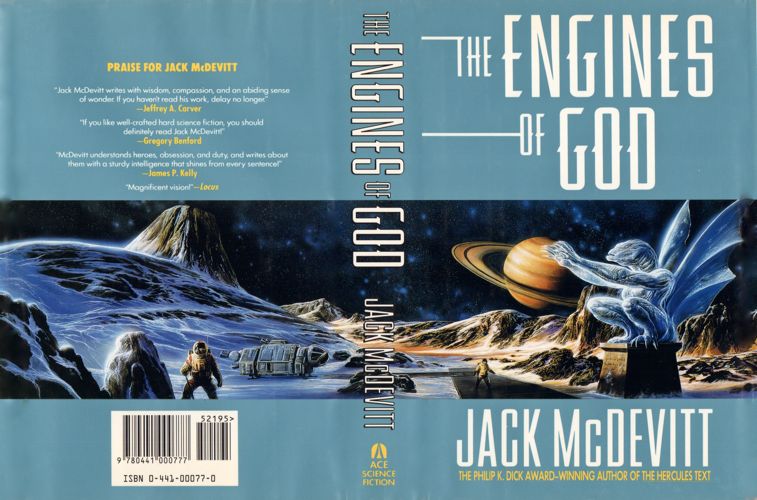
Jack McDevitt's Academy novels follow Priscilla 'Hutch' Hutchins, a starship pilot turned administrator, across a series of archaeological mysteries involving vanished alien civilizations and inexplicable ancient artifacts scattered through human space. Beginning with The Engines of God, the series treats deep time and the near-total absence of intelligent alien life as its central mystery, favoring slow-burn discovery over action. McDevitt returned to Hutch across three decades of publication.
- Forge of God
series2 books1987
completed
similar byscience fictionaliensdark+3 more
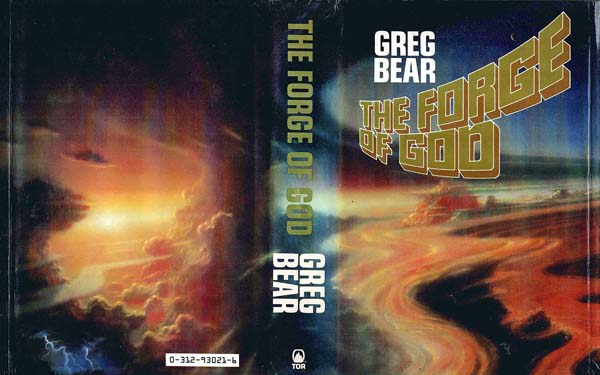
The Forge of God (1987) is Greg Bear's science fiction novel about Earth's discovery that it is the target of an incomprehensible, overwhelming alien attack, following scientists and ordinary people as they try to understand what is destroying the planet. Its 1992 sequel, Anvil of Stars, follows a group of young survivors sent on a mission of interstellar retaliation, continuing directly from the first book's ending.
- The Final Architecture
series6 books2021
similar byscience fictionaliensfar futureother star systemsspace explorationadventurous
The Final Architecture is a series of science fiction novels by British writer Adrian Tchaikovsky. It contains the books Shards of Earth, Eyes of the Void, and Lords of Uncreation. The series focuses on a group of humans fighting against the mysterious Architects, who destroy inhabited planets. The series has been well-received critically, with Shards of Earth winning the 2021 BSFA Award for Best Novel. The entire series was a finalist for the 2024 Hugo Award for Best Series.
- Shoal Sequence
series4 books2007
similar byscience fictionaliensfar futureother star systems+2 more
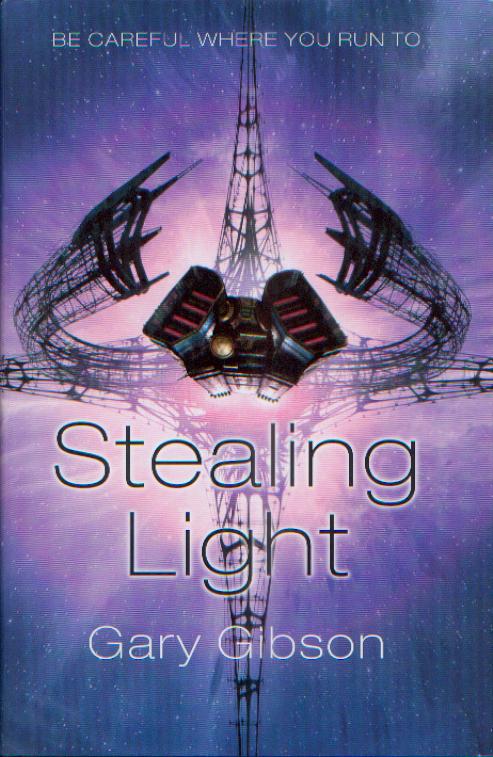
Gary Gibson's Shoal Sequence opens with Stealing Light, set two centuries into humanity's uneasy dependence on the Shoal, an alien race that alone holds the secret of faster-than-light travel. Military pilot Dakota Merrick, having witnessed the Shoal's atrocities, is drawn into events around a derelict starship that threaten to upend that arrangement across the four-book series.
- Dragon's Egg
series3 books1980
completed
similar byscience fictionaliensother star systemsspace explorationfar future+1 more
Robert L. Forward's Dragon's Egg (1980) follows first contact with the cheela, intelligent beings the size of sesame seeds living on the surface of a neutron star, where crushing gravity and fast-moving physics let them evolve from primitive agriculture to advanced technology in about a month of Earth time while human observers watch from orbit. The sequel Starquake (1985) follows the cheela's own development of space travel and a catastrophic starquake that devastates their neutron-star home, alongside the continuing story of the human crew observing them.
- Fleet of Worlds
series5 books2007
part of Known Space
similar byscience fictionaliensfar futureother star systemsspace exploration+1 more
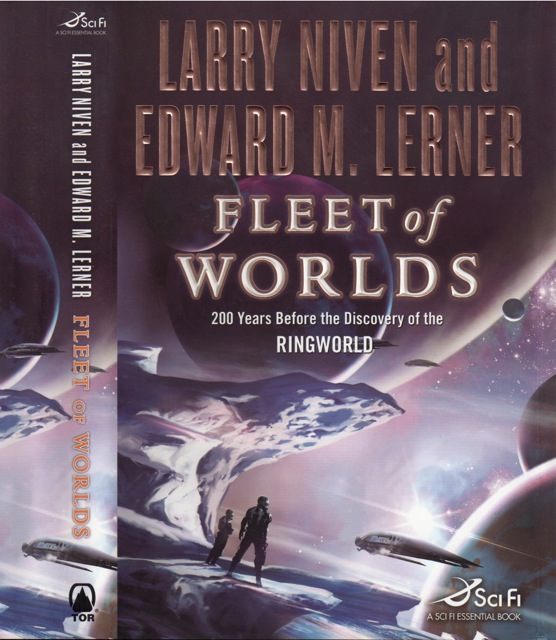
Fleet of Worlds opens a run of Known Space prequels co-written by Larry Niven and Edward M. Lerner, centered on the liberation of the human colony New Terra from the control of the Pierson's Puppeteers — the famously cowardly aliens who steer their fleet of five worlds away from any hint of danger. The series introduces a new Known Space species, the Gw'oth, across its run and eventually catches up to and continues past the original Ringworld novel in its fifth book, Fate of Worlds.
- West of the Sun
Edgar Pangbornstandalone novel1953
similar byscience fictionaliensother star systemsfar futureadventurous+1 more
From the back cover of the Dell first paperback printing: "After eleven years in space the Argo landed... West of the Sun ... on the dangerous planet Lucifer. The crew faced and untamed world of huge carnivorous birds with wolverine heads and flashing black teeth; furred, ten-foot tall men; red-skinned man-eating pygmies. They fought for mere survival but - their duty was to colonize and populate the planet - four men and only two women."
- Uncharted Territory
Connie Willisstandalone novel1994
similar byscience fictionaliensother star systemsfar futurespace exploration+1 more
Uncharted Territory is a science fiction novella by Connie Willis. Published in 1994, it follows three humans sent to explore an alien world, accompanied by a native guide, in an "archly written satire... of political correctness."