Loreful
HomeDiscover
Search series, authors…⌘K
Loreful

Reading orders for SF/F series and shared universes — with your place kept in every one.

Explore

UniversesSeriesWorksAuthorsAtlas

Help

FAQAboutSite map

Account & legal

Sign inCreate accountPrivacyTerms

Data

Built on ISFDB, Wikipedia, Wikidata and Open Library. Curated reading orders carry their reasoning on the page; the rest follow publication order. Data sources & licenses

© Loreful · data: ISFDB · CC BY

More like Loser

but

Mood

The mood the book leaves you in.

  • The reading experience is propelled by journeys, exploration, and physical risk; excitement and forward momentum dominate over dread or introspection.
  • The book demands work from the reader — dense prose, difficult structure, unfamiliar ideas, or morally uncomfortable material — as part of its intended effect.
  • Grim events, cruelty, or despair dominate the atmosphere, and the book does not soften them with comfort or comic relief.
  • The atmosphere is quietly unsettling — wrongness, unease, and the uncanny pervade the book without necessarily escalating into overt horror.
  • The book is built to move the reader; character feeling is foregrounded and major scenes aim at a strong emotional response.
  • Humor is a primary aim and the prose plays for laughs — comic situations, wit, or dialogue produce sustained comedy, not occasional levity.
  • The overall register is cheerful and easygoing; stakes are kept gentle and the book avoids dwelling on pain or dread.
  • Withheld information drives the experience; the book sustains enigmas and secrets the reader wants resolved, whatever its genre.
  • The book is contemplative and inward-looking, giving more weight to thought, memory, and meaning than to external events.
  • Sustained suspense is the point; the book keeps the reader braced for what happens next through danger, pressure, or impending revelation.
  • Playful invention and charm define the register — fanciful conceits, light absurdity, and a narration that delights in its own oddity.

About

What the story runs on.

  • Stories in which extraterrestrial beings are central — as characters, cultures, or the object of the plot.
  • Stories centered on wizards, mages, and other learned practitioners of magic as protagonists or masters.
  • Stories about the raised or restless dead — necromancers and their arts, liches, skeletons, and revenants.
  • Stories driven by a curse laid on a person, family, or place, and the struggle to live under it or break it.
  • Stories structured as a quest — a journey undertaken to find, deliver, or destroy something of great import.
  • Stories that turn on objects of power — enchanted weapons, rings, and relics sought, wielded, or destroyed.
  • Stories driven by lost memory — a protagonist who must reconstruct who they are and what they did.
  • Stories in which staying alive against nature, catastrophe, or scarcity is the central problem.
  • Stories about who a character truly is — self-discovery, doubled lives, and the search for a self.
  • Stories driven by the pursuit of vengeance for a wrong, and what the pursuit costs the avenger.
  • Stories about books themselves — readers, writers, libraries, and bookshops, where the written word is the subject.
  • Stories driven by maneuvering for power — factions, conspiracies, and statecraft conducted in shadow.

Shelf

Where it sits in the library.

    • Fiction built on magic or other supernatural elements that have no scientific explanation.
    • Secondary-world fantasy at large scale, where the fate of nations or the world turns on the protagonists' struggle.
    • Action-driven fantasy following warriors or rogues with personal stakes against sorcerous threats, rather than world-spanning conflicts.
    • Fantasy set in a real historical period or a close analogue of one, with magic woven into the era.
    • Fantasy of ghosts, vampires, shapeshifters, psychics, and similar phenomena, usually set in an otherwise ordinary world.
    • Fiction mixing science-fictional trappings with overtly magical or impossible elements in one setting.
    • Fiction that extrapolates from science and technology — future societies, space travel, or speculative inventions — within at least nominally natural laws.
    • Science fiction of interstellar scope — starships, galactic polities, and adventure across star systems.
    • Fiction set after civilization's collapse, following survivors in the ruins of the old world.
    • Fiction in which characters move between past and future, and the mechanics or consequences of that travel drive the plot.
    • Fiction exploring a world where a historical event went differently and history diverged from ours.
    • Science fiction in which extraterrestrial forces attack or occupy Earth and humanity resists.
    • Fiction whose primary aim is to frighten or unsettle the reader through dread, menace, or the monstrous.
    • Horror centered on hauntings and the returning dead.
    • Horror located in the mind — paranoia, obsession, and unreliable perception rather than external monsters.
    • Horror built around the reanimated dead and survival amid their outbreaks.
    • Fiction organized around solving a crime or puzzle, typically following an investigator toward the identification of a culprit.
    • A mystery following the realistic routines of police work — forensics, interviews, and case-building.
    • Fast-paced fiction driven by imminent danger, pursuit, or high-stakes conspiracy, built to sustain tension.
    • A thriller of espionage — agents, tradecraft, and intelligence services in conflict.
    • Fiction set in a real past period, where the historical setting materially shapes characters and events.
      • General and literary fiction emphasizing prose style, character interiority, or formal ambition over genre plot conventions.
      • Fiction in a realistic world where magical events occur and are treated as ordinary, in the tradition of Latin American literature.
      • Fiction that plays with narrative convention through metafiction, fragmentation, and self-reference.
      • Fiction propelled by journeys, exploration, and physical peril, where action and survival carry the plot.
      • Fiction of the American frontier West — gunmen, ranchers, and lawmen, typically in the late nineteenth century.
      • Fiction written primarily to amuse, using comedic situations, wit, or parody as its organizing principle.
        • Fiction whose world runs on explicit game mechanics — levels, stats, and skills that characters can see and exploit.

        Practical

        How long a commitment, whether it stands alone, and whether it has finished.

        Tap a chip to ask for it · tap again to rule it out · once more to clear. Numbers show what would be left.

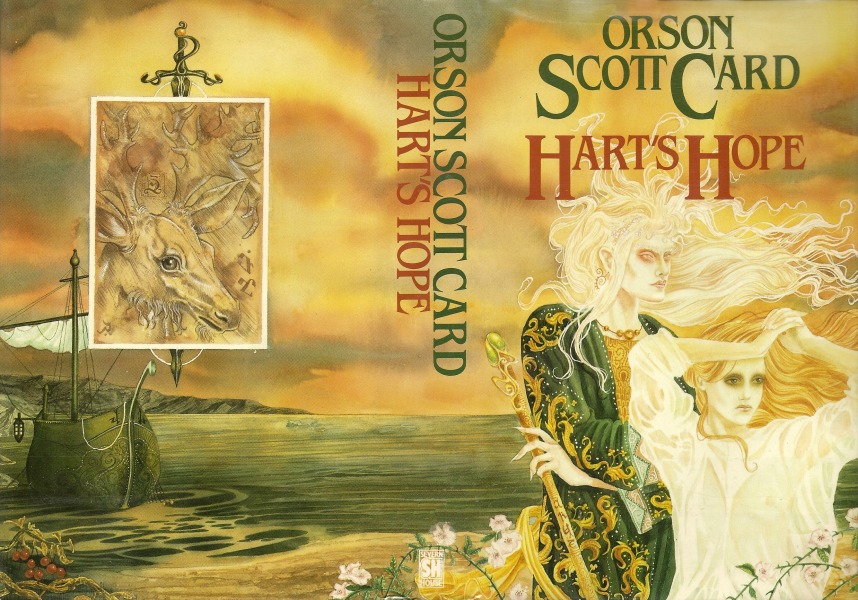
        • Cover of Hart's Hope
          Hart's Hope

          Orson Scott Card · standalone novel · 1983

          similar bysecond person

          Hart's Hope (1983) is a fantasy novel by American writer Orson Scott Card. It is written in second person.

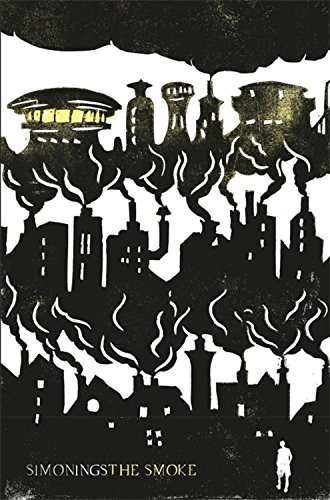
        • Cover of The Smoke
          The Smoke

          Simon Ings · standalone novel · 2018

          similar by+1 more

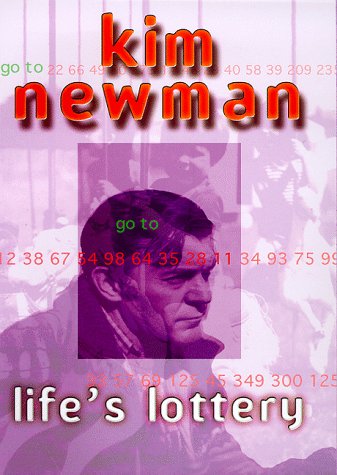
        • Cover of Life's Lottery
          Life's Lottery

          Kim Newman · standalone novel · 1999

          similar bysecond person

          Life's Lottery is a speculative fiction novel by Kim Newman, published in 1999. Loosely connected to Newman's The Quorum, Life's Lottery is written in second-person and invites the reader to assume the role of the protagonist, an Englishman named Keith Marion, and make decisions that determine the character's life and death. Because Life's Lottery can be read not only as a standard novel but also in a traditional gamebook format, it is often classified as a "Choose Your Own Adventure book for adults".

        • Cover of The Jewels of Elsewhen
          The Jewels of Elsewhen

          Ted White · standalone novel · 1967

          similar bysecond person

          From the back cover of the Belmont first edition: "You are riding home from work on the subway. There is a jolt - and as you fall against your neighbor you discover - he is a manikin. You investigate. The entire train is filled with manikins. Are there no humans in this world...? You approach a door. There is only an opaque blackness on the other side. You are wary. You put through only one arm. It disappears completely. You are curious. You must find out what lies beyond. You walk through the door into the void..."

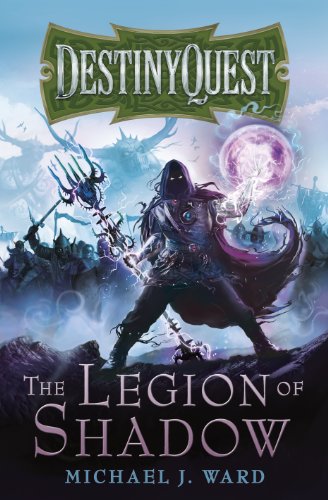
        • Cover of DestinyQuest
          DestinyQuest

          series · 4 books · 2012

          similar by+1 more

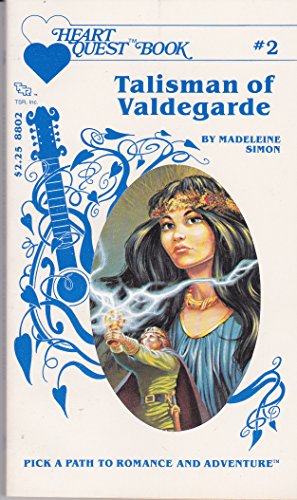
        • Cover of HeartQuest
          HeartQuest

          series · 6 books · 1983

          similar by+1 more

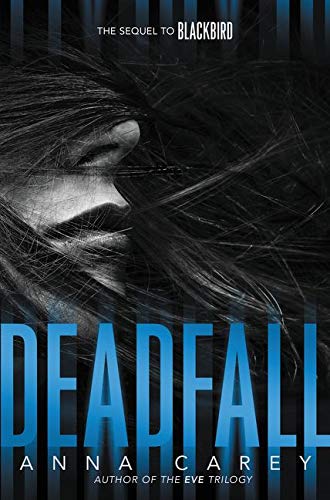
        • Cover of Deadfall
          Deadfall

          Anna Carey · standalone novel · 2015

          similar bysecond person

          The suspenseful sequel to Blackbird is told in a second-person voice that follows the survival experiences of a girl who after waking up with no memory is forced to put her life in the hands of others while fleeing from people who want to kill her.

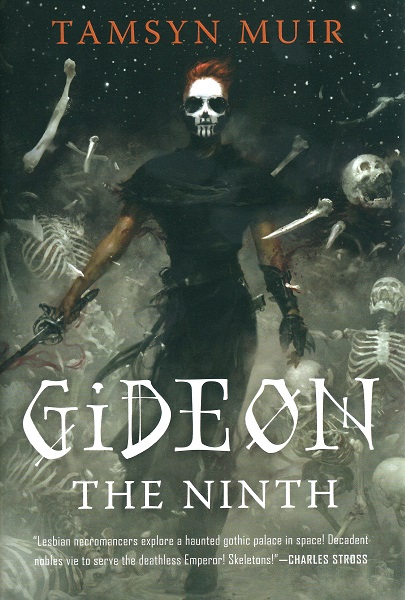
        • Cover of The Locked Tomb
          The Locked Tomb

          series · 6 books · 2019

          similar by+1 more

          Tamsyn Muir's Gideon the Ninth follows Gideon Nav, an indentured swordswoman raised among nuns and skeletons in the Ninth House, who is drafted into a deadly imperial trial by Harrowhark, the necromancer she can't stand. Competing against heirs from the Emperor's other necromantic Houses, the two must survive a decaying, secret-filled fortress where old powers are best left undisturbed. Harrow the Ninth and Nona the Ninth continue the Locked Tomb series.

        • Cover of The Great Dark Mouth
          The Great Dark Mouth

          series · 2 books · 2013

          similar bysecond person

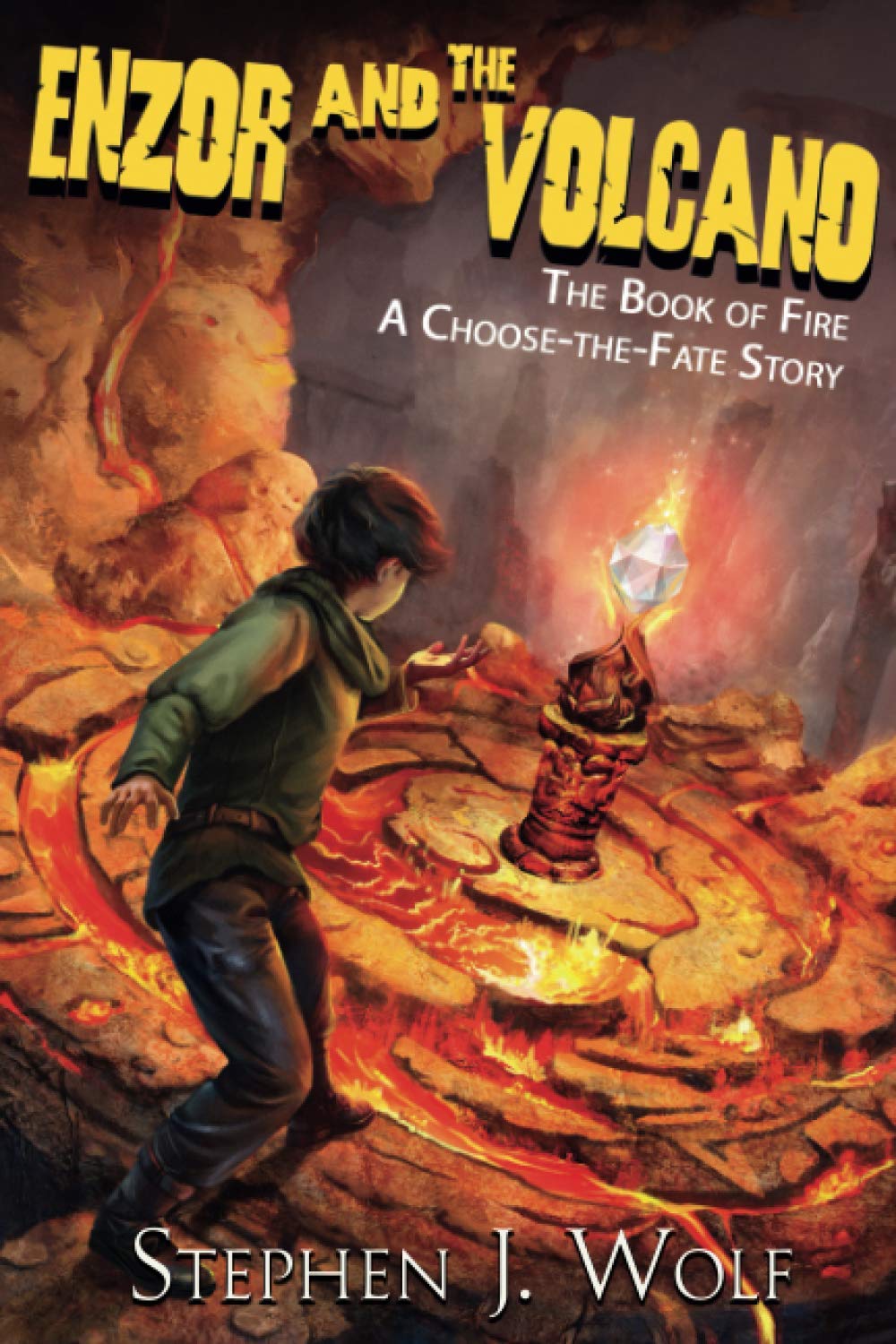
        • Cover of Choose-the-Fate
          Choose-the-Fate

          series · 6 books · 2019

          similar by+1 more

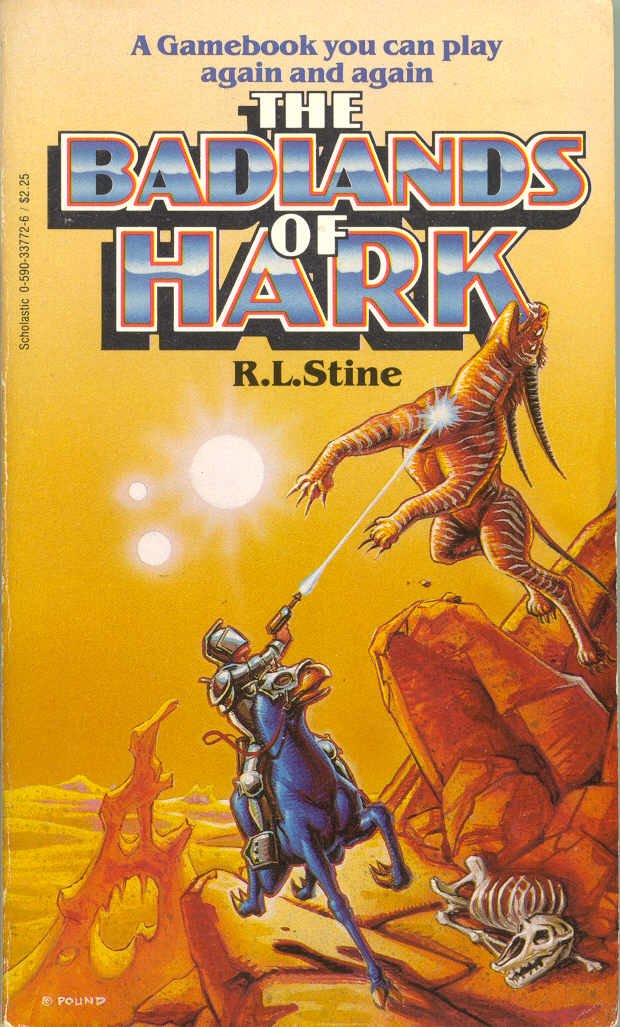
        • Cover of Hark
          Hark

          series · 2 books · 1985

          similar bysecond person

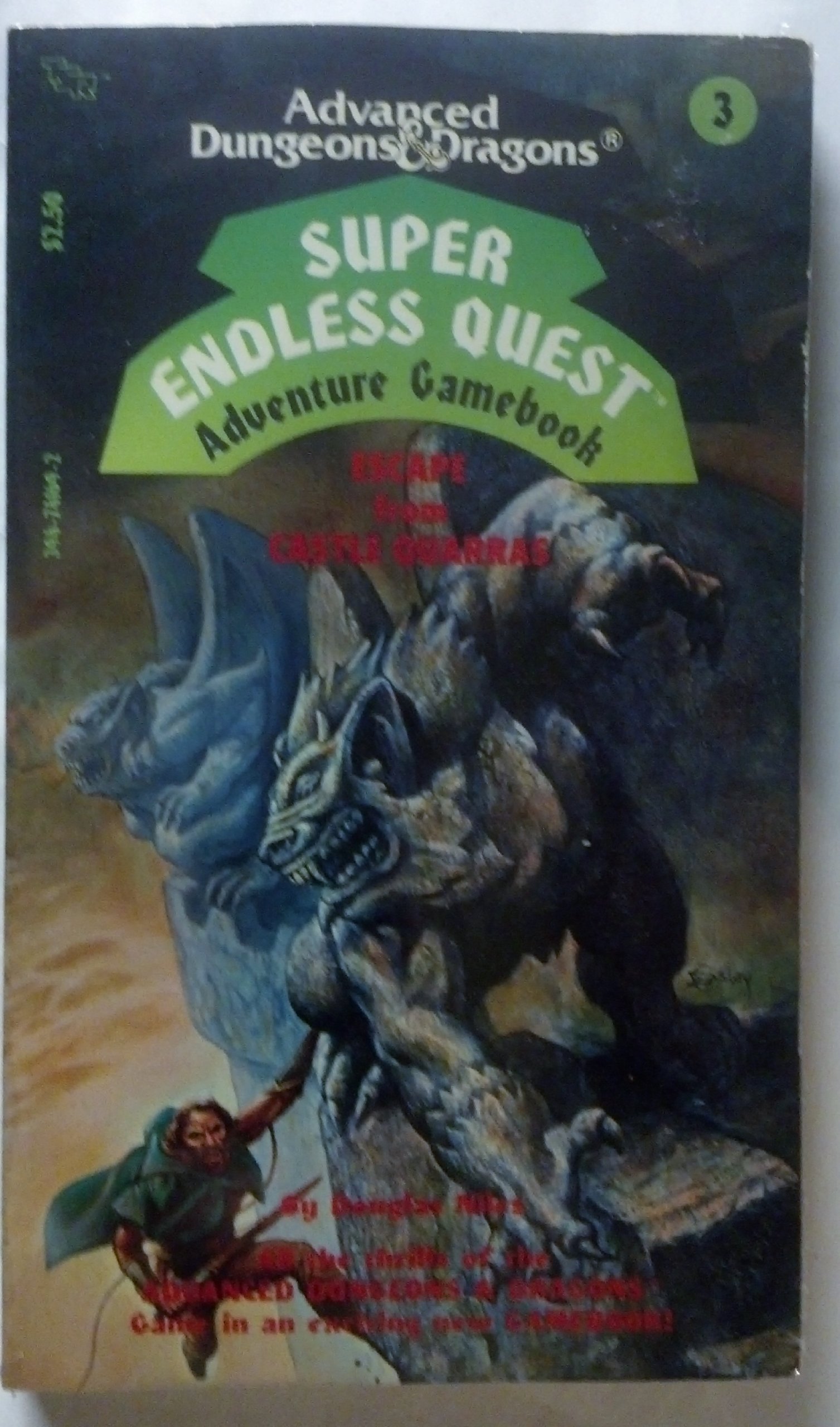
        • Cover of Escape from Castle Quarras
          Escape from Castle Quarras

          Douglas Niles · standalone novel · 1985

          similar bysecond person

          Stalked by a Livin Gargoyle! High atop the shadowy walls of Castle Quarras, you, Derek Shadowalker, master thief, make your way stealthily toward your destination—the Gemtower where the fabled Gem of Illystia is kept safe to cast its evil magic. Suddenly you stop short. Looming just ahead of you in the darkness, perched like a vulture atop the castle wall, is a monstrous figure. Motionless and poised as if about to spring, its ugly fangs protrude from its gaping mouth. Long, wicked claws form the end of each finger, and a pair of huge wings billow batlike behind it. You breathe a sigh of relief as you realize the figure is merely a stone statue—a gargoyle. As you move past the grinning statue, a savage blow smashes you from behind, sending you hurtling to the edge of the parapet. Turning quickly, you see that the hideous statue has come to life! Its vicious Claws are smeared with your blood, and you know you are going to have to fight it. Can you defeat this fearsome creature? Roll two dice and add the result to your fighting skill score. The total is 12 or more, turn to 136. Hit is less than 12, turn to 10. Whatever the outcome, only your decisions, and the luck of the dice. roll, can help as you try to Escape from the Castle Quarras.

        • FI
          Flight Into the Unknown

          Barbara Bartholomew · standalone novel · 1982

          similar bysecond person

          Taking his first solo airplane trip, the reader makes choices that determine the outcome of the flight which is complicated by a storm, a strange radio message, and a little man with a gun.

        • IW
          If on a Winter's Night a Traveler

          Italo Calvino · standalone novel · 1979

          similar bysecond person

          If on a winter's night a traveler is a 1979 novel by the Italian writer Italo Calvino. The postmodernist narrative, in the form of a frame story, is about the reader trying to read a book called If on a winter's night a traveler. Each chapter, except for the last one, is divided into two sections. The first section of each chapter is in second person, and describes the process the reader goes through to attempt to read the next chapter of the book they are reading. The second half is the first part of a new book that the reader ("you") finds. The second half is always about something different from the previous ones. The book was published in an English translation by William Weaver in 1981.

        • TC
          The Cereal Box Adventures

          Barbara Bartholomew · standalone novel · 1981

          similar bysecond person

          The readers must make the decisions determining the development of the story, including such possibilities as taking a space trip, scuffling with a street gang, and winning a baby elephant.

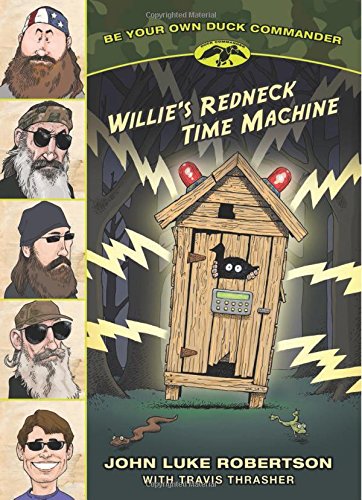
        • Cover of Be Your Own Duck Commander
          Be Your Own Duck Commander

          series · 3 books · 2014

          similar by+1 more

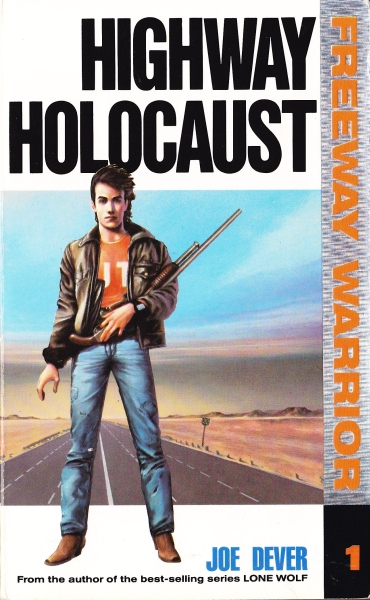
        • Cover of Freeway Warrior
          Freeway Warrior

          series · 4 books · 1988

          completed

          similar by+1 more

          Freeway Warrior is a series of four gamebooks, created by Joe Dever. The books were published between 1988 and 1989, detailing the complete story of a band of nuclear holocaust survivors as they flee Texas to the relative safety of California. In 2016, a Swedish company, Åskfågeln, started reprints.

        • C
          Complicity

          Iain M. Banks · standalone novel · 1993

          similar bysecond person

          Narrator, leftist Scottish gonzo journalist, receives anonymous phone calls about a series of ingeniously sadistic murders (described in alternating chapters in second person) of unsavoury public figures, whom he had once criticized; as he comes under suspicion, he realizes he must find the killer in his own past.

        • GQ
          Grail Quest (J. H. Brennan)

          series · 8 books · 1984

          completed

          GrailQuest is a series of gamebooks by J. H. Brennan. The books are illustrated by John Higgins. The stories follow the adventures of a young hero named Pip, who is often called upon by Merlin to right wrongs and save the realm from evil. The series is light in tone and does not take itself seriously, often spoofing the fantasy genre and inserting slapstick humour or nonsensical elements.

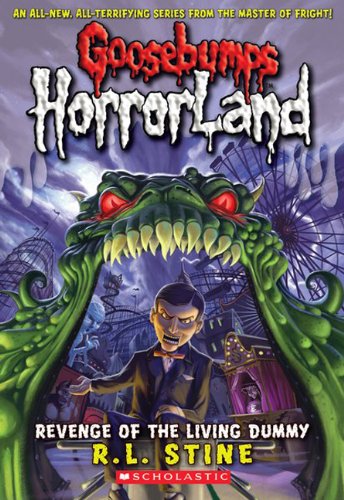
        • Cover of Goosebumps
          Goosebumps

          universe · 234 books · 1992

          Start hereRevenge of the Living Dummy · The connected HorrorLand story

          Reader beware — you're in for a scare. That promise has been kept, book after book, since a boy first knocked on the door of the Dead House and found the whole neighborhood grinning too widely. Goosebumps is R. L. Stine's carnival of small-town dread, where the horror is always sized just right for a kid: a haunted ventriloquist dummy, a camera that photographs disasters before they happen, a mask that won't come off, a basement that hums. Each book is its own self-contained nightmare, narrated by an ordinary boy or girl whose ordinary street has quietly turned against them — and every one snaps shut on a twist that pulls the rug out one last time before the lights come up. The shelf is deep. The original run of paperbacks gave way to Series 2000, then the branching, choose-your-doom gamebooks of Give Yourself Goosebumps, the story-collections Tales to Give You Goosebumps, and villain showcases in Most Wanted. HorrorLand strung the standalones into a single running arc set inside a monstrous theme park, and SlappyWorld and House of Shivers keep the lights flickering for new readers, hosted by Slappy, the wooden fiend who considers himself the star of the whole show. The tone is mock-scary and knowing — spooky enough to thrill, silly enough to laugh off before bed, always short and always cliffhung. No reading order binds them; open any cover. Newcomers usually meet the dummy first, in Night of the Living Dummy, or start where it all began, in Welcome to Dead House.

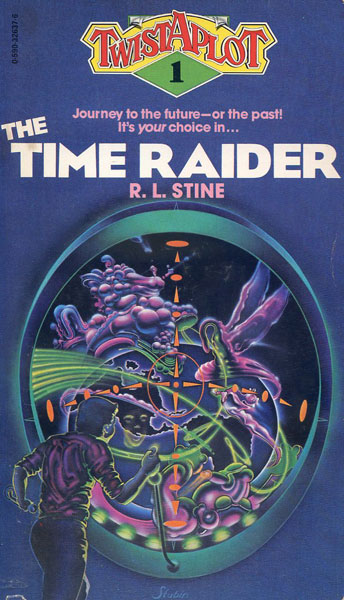
        • Cover of Twistaplot
          Twistaplot

          series · 18 books · 1982

          Twistaplot is a series of children's gamebooks published by Scholastic from 1982 to 1985. Books #1, #4, #9, and #14 were written by R.L. Stine, who went on to write the Fear Street series and the Goosebumps series, which in turn spawned the gamebook spin-off series Give Yourself Goosebumps. The remaining books were written by various authors including Louise Munro Foley. They were Scholastic's response to the Choose Your Own Adventure series. After the success of the Goosebumps series, the Twistaplot titles written by R. L. Stine were reissued with new covers in 1994 and 1995.

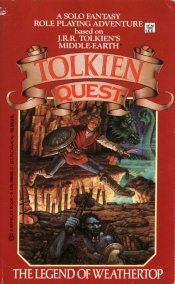
        • Cover of Tolkien Quest
          Tolkien Quest

          series · 8 books · 1985

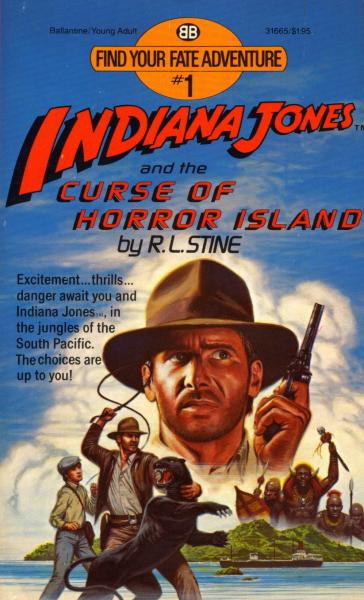
        • Cover of Find Your Fate
          Find Your Fate

          series · 32 books · 1984

          Find Your Fate is a series of gamebooks published by Ballantine Books featuring licensed characters including Indiana Jones, James Bond, and Morgan Swift. They were written and published between 1984 and 1987 by authors including R. L. Stine, Rose Estes, and Richard Wenk to compete with the popular Choose Your Own Adventure series published by Bantam Books, featuring a similar branching storyline which depended on choices made by the reader.

        • Cover of YOU
          YOU

          Greg Stolze · standalone novel · 2017