More like Masquerades
anchored on:fantasysecondary worldepic fantasypolitical intrigueadventurous
but
- Mordant's Need
series2 books1986
similar bypolitical intrigueadventurousfantasysecondary world+2 more
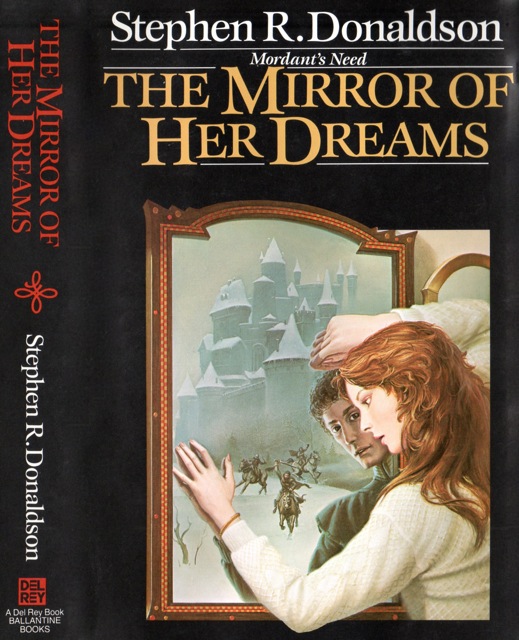
Mordant's Need is a fantasy two-part book series by American writer Stephen R. Donaldson, comprising the novels The Mirror of Her Dreams (1986) and A Man Rides Through (1987).
- The Tainted Blood Duology
series2 books2023
similar bypolitical intrigueadventurousfantasyepic fantasysecondary world+1 more
- The Traitor Spy Trilogy
series3 books2010
part of Kyralia series
similar bypolitical intriguefantasyadventurousepic fantasysecondary world+1 more
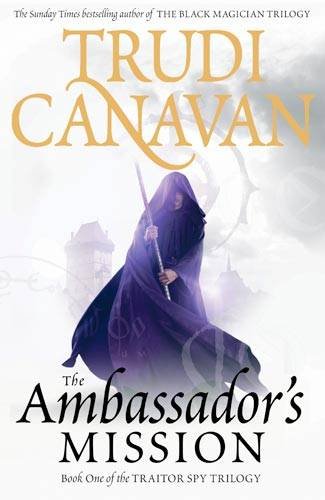
Trudi Canavan is an Australian writer of fantasy novels, best known for her best-selling fantasy trilogies The Black Magician and Age of the Five. While establishing her writing career she worked as a graphic designer. She completed her third trilogy, The Traitor Spy trilogy, in August 2012 with The Traitor Queen. Subsequently, Canavan has written a series called Millennium's Rule, with a completely new setting consisting of multiple worlds which characters can cross between. Though originally planned as a trilogy, a fourth and final book in the Millennium's Rule series was published.
- The Black Magician Trilogy
series3 books2001
part of Kyralia series
similar byfantasymagic schoolsepic fantasysecondary world+3 more
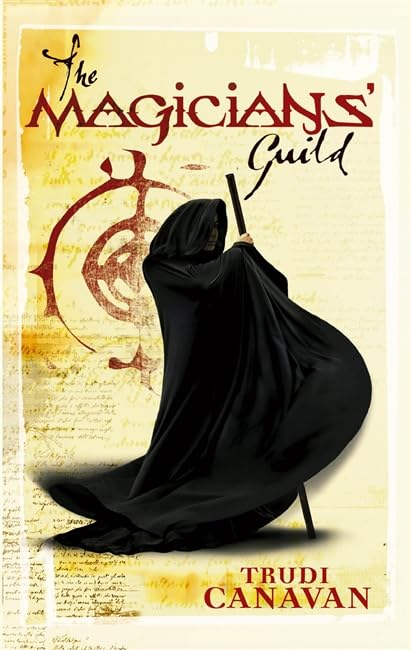
Trudi Canavan's Black Magician Trilogy (The Magicians' Guild, The Novice, The High Lord, 2001-2003) opens in the city of Imardin, where the ruling magicians' guild's annual purge of the slums goes wrong when a street girl named Sonea unknowingly shatters their protective shield with raw, untrained power. The guild must hunt her down and decide whether to control her or train her, and the trilogy follows Sonea's forced initiation into magical society and the guild's internal politics. It's Canavan's best-known trilogy and the founding story of her Kyralia setting.
- The White Mists of Power
Kristine Kathryn Ruschstandalone novel1991
similar bypolitical intrigueadventurousfantasyepic fantasysecondary world+1 more
Synopsis -An innocent excited boy, a prince and heir, takes his first journey to the city. It is like nothing he imagined. Hands pound against his carriage: voices call for a coin, Sir just one, spare me some money, sir, I haven’t eaten in days. The streets teem with merchants in velvet robes, magicians, half mad preachers, with life and colour and noise. He doesn’t want to miss any of it. But it is the last journey of his life as a prince. Soon he will be abandoned and declared dead. Soon with survival and what will be the driving force of his life: the quest to recover his stolen inheritance, his usurped throne. His home. A story of cities and palaces, of power hungry lords and ladies scheming inside a magically threatened land...Intricate, compelling.
- The Hobbit
series2 books1937
completed
part of Tolkien's legendarium
similar byadventurousfantasyepic fantasysecondary world
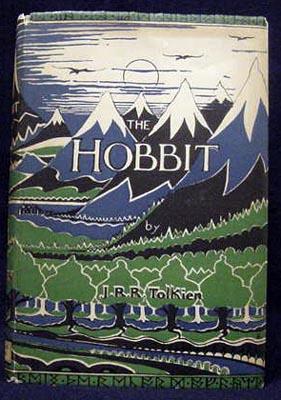
The Hobbit (1937) is J. R. R. Tolkien's children's fantasy novel following the reluctant burglar Bilbo Baggins, who joins a company of dwarves and the wizard Gandalf on a journey to reclaim treasure guarded by the dragon Smaug. It stands as a complete adventure on its own, but shares its setting with the rest of Tolkien's legendarium and leads into the events of The Lord of the Rings.
- The Licanius Trilogy
series3 books2014
similar bypolitical intrigueepic fantasysecondary world+4 more
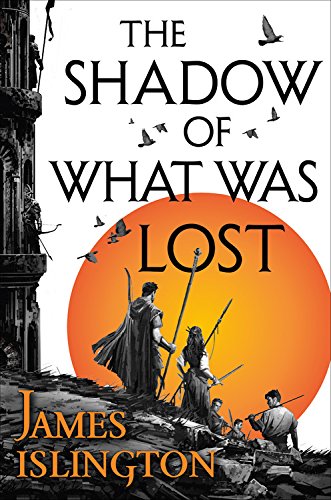
Twenty years after a war that toppled the god-like Augurs and stripped magic from the world, James Islington's Licanius Trilogy follows Davian, a young man bound by laws written to suppress the powers the Augurs once had, who discovers he can still reach forbidden abilities. His awakening coincides with the stirring of an ancient enemy and the appearance of an amnesiac stranger whose fate is bound to his. The three books trace how the old war's cover-up starts to unravel.
- The Saga of Recluce
series48 books1991
similar bypolitical intrigueepic fantasyfantasysecondary world+1 more
The Saga of Recluce is a series of fantasy novels written by L. E. Modesitt Jr. The initial novel in the series, The Magic of Recluce, was published in 1991. The series is still in publication with the latest novel published in June 2026. In 2015 Modesitt stated that the (then) 20 novels in the Recluce series had sold nearly three million copies.
- The Seven Towers
Patricia C. Wredestandalone novel1984
similar bypolitical intrigueadventurousfantasyepic fantasysecondary world+1 more
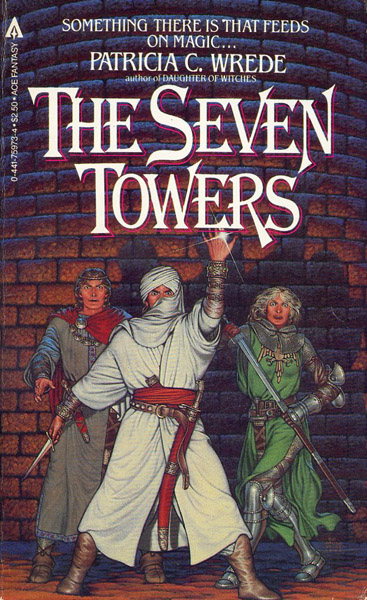
They are seven players in a game of deadly magic- Eltiron, Prince of Sevarin; Crystalorn, Princess of Barinash; Ranlyn, the desert rider; Jermain, the outlaw; Vandaris, the soldier; Carachel, the Wizard-King; and Amberglas, the sorceress. Each of them has a secret, and each fights his or her part in the thrilling battle that has put seven kingdoms on the very edge of destruction. Filled with wit, swordplay, humor, and intrigue, this early novel is one of Patricia C. Wrede's best.
- The Riftwar Universe
universe44 books1982
Start hereRiftwar Saga · Start here
similar byepic fantasyfantasysecondary world+2 more
On the world of Midkemia a tear opens in the air itself, a rift hung between stars, and through it march the armies of an empire from another world entirely. So begins the chronicle Raymond E. Feist has kept for three decades: the tale of Pug, a castle kitchen boy apprenticed to a magician on the very day the invasion lands, and of Tomas, his friend, who inherits the armor and the ancient fury of a dead dragon-lord. Around these two the Riftwar Cycle turns, widening book by book from one besieged frontier keep into the whole history of a world of kingdoms, guilds, thieves' dens and mage-towers. The cycle runs to roughly thirty novels, gathered into arcs a newcomer can enter and finish on their own. The founding Riftwar Saga (Magician, Silverthorn, A Darkness at Sethanon) sets the board; the Serpentwar Saga, Krondor's Sons and the Conclave of Shadows carry the story down the generations; the Darkwar, Demonwar and Chaoswar sagas bring it toward its close. Crossing the rift to the rival world of Kelewan, Feist and Janny Wurts wrote the Empire trilogy, opening with Daughter of the Empire, a court intrigue told wholly from the invaders' side and for many the finest thing here. Shorter Legends of the Riftwar and the game-born Riftwar Legacy fill the corners; later still, Feist opens an altogether new world in the Firemane books. Feist writes fantasy in its most companionable key: apprentices who grow into archmages, tavern boys who become spies and dukes, a world you return to the way you return to an old inn. The mood is adventure before dread, friendship and rank and hard-won craft, wars that cost something, all of it rendered plainly and at a gallop. Begin where it began, with Magician, then follow the arcs in the order they were written, and the rift will carry you the rest of the way.
- The Codex Alera
series6 books2004
similar bypolitical intrigueadventurousepic fantasyfantasysecondary world
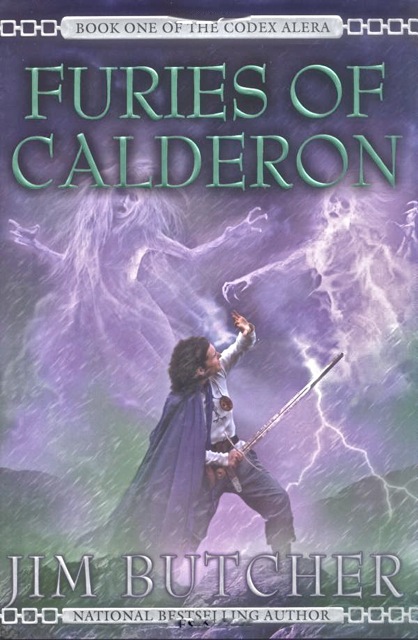
Furies of Calderon opens The Codex Alera in a Rome-flavored fantasy world where nearly everyone commands elemental spirits called furies, except Tavi, a teenager with none, whose resourcefulness becomes the series' recurring answer to raw magical power. Jim Butcher's six-book series, continuing through Academ's Fury, Cursor's Fury, Captain's Fury, Princeps' Fury, and First Lord's Fury, builds from small-scale political maneuvering into full-scale war.
- Zimiamvian Trilogy
series4 books1922
completed
similar bypolitical intriguefantasyepic fantasysecondary world
The Zimiamvian Trilogy is a series of fantasy novels by English author E. R. Eddison.Mistress of Mistresses (1935) A Fish Dinner in Memison (1941) The Mezentian Gate (1958)
- The Quest of the Riddle-Master
series3 books1976
completed
similar byadventurousfantasysecondary worldepic fantasy+2 more
Patricia A. McKillip's Riddle-Master trilogy follows Morgon, prince of the small island of Hed, whose discovery of three star-shaped birthmarks on his forehead draws him into a search for his own hidden identity and a confrontation with ancient, shape-shifting powers. Drawing on Celtic myth, the three books are prized for their lyrical prose and riddle-based magic, and are often cited among the best high fantasy of the 1970s.
- A Song of Ice and Fire
series14 books1996
part of World of Ice and Fire
similar bypolitical intrigueepic fantasyfantasysecondary world
A Song of Ice and Fire is a series of high fantasy novels by the American author George R. R. Martin. Martin began writing the first volume, A Game of Thrones, in 1991, and published it in 1996. Martin, who originally envisioned the series as a trilogy, has released five out of seven planned volumes. The most recent entry in the series, A Dance with Dragons, was published in 2011. Since then, Martin has been working on the sixth novel, titled The Winds of Winter. A seventh novel, A Dream of Spring, is planned to follow.
- The Elder Scrolls
series2 books2009
similar byadventurouspolitical intriguefantasyepic fantasysecondary world
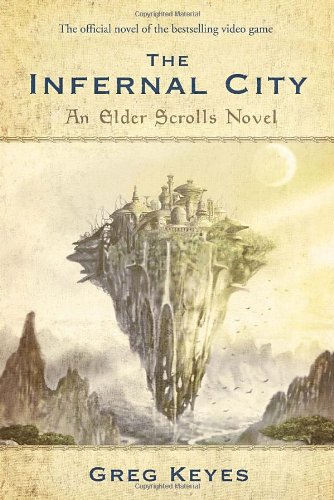
The Elder Scrolls is a series of action role-playing video games primarily developed by Bethesda Game Studios and published by Bethesda Softworks. The series focuses on free-form gameplay in an open world. Most games in the series have been critically and commercially successful, with The Elder Scrolls III: Morrowind (2002), The Elder Scrolls IV: Oblivion (2006) and The Elder Scrolls V: Skyrim (2011) all winning Game of the Year awards from multiple outlets. The series has sold more than 90 million copies worldwide.
- Hierarchy
series2 books2023
similar bypolitical intrigueadventurousmagic schoolsepic fantasysecondary world
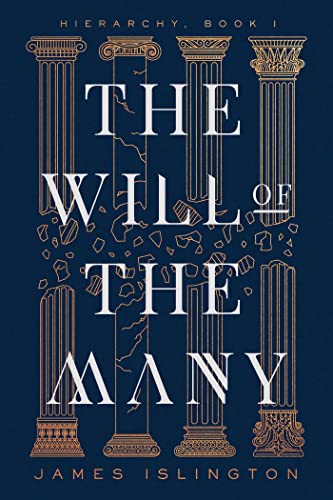
James Islington's Hierarchy series opens with The Will of the Many, set in the Catenan Republic, an empire built on 'Will' — citizens' personal strength and drive, ceded upward to those in power. Its protagonist infiltrates the empire's most prestigious academy under a false identity to investigate a murder and search for a hidden weapon, refusing to surrender his own Will to the empire that killed his family. The Strength of the Few continues the story as book two.
- The Stormlight Archive
series15 books2010
part of Cosmere
similar byadventurousepic fantasysecondary worldfantasy+2 more
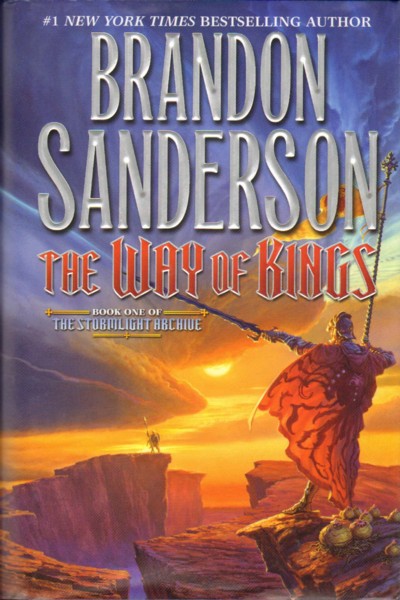
The Stormlight Archive is a high fantasy novel series written by American author Brandon Sanderson, planned to consist of ten novels. As of 2024, the series comprises five published novels and two novellas, set within Sanderson's broader Cosmere universe. The first novel, The Way of Kings, was published on August 31, 2010. The second novel, Words of Radiance, was published on March 4, 2014 and debuted at number one on The New York Times Best Seller List. This was repeated by Oathbringer and Rhythm of War. The fifth novel, Wind and Truth, was released December 6, 2024. Sanderson has indicated that he will start drafting the latter half of the series after he finishes writing the upcoming Era Three Mistborn trilogy and the two Elantris sequels. The series has been adapted as a VR Experience and a tabletop roleplaying game.
- Sparhawk
universe6 books1989
Start hereElenium · Start here
similar byadventurousepic fantasyfantasysecondary world+1 more
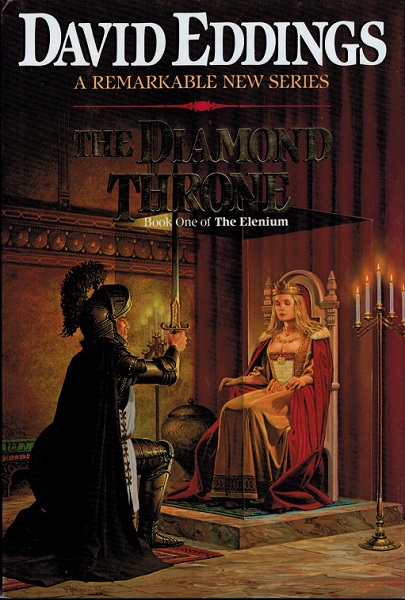
Sir Sparhawk is not a young man, and he has little patience for the pageantry his order pretends to. A Pandion Knight of the militant Elene Church, he rides home from a long exile to find his kingdom rotten with intrigue and his young queen, Ehlana, poisoned — kept alive only inside a shell of living crystal. To wake her he must find Bhelliom, a jewel with the power to remake the world or unmake it. So begins a long ride across the continent of Eosia. This is warm, character-first epic fantasy from David Eddings, told across two trilogies. The Elenium — The Diamond Throne, The Ruby Knight, The Sapphire Rose — pits Sparhawk against a corrupt church and a hungry elder god. The Tamuli — Domes of Fire, The Shining Ones, The Hidden City — carries him east into the vast Tamul Empire, where older enemies stir. Around him gathers a quarrelsome company: the Styric sorceress Sephrenia, the thief-boy Talen, the plain-spoken squire Kurik, and a small, imperious goddess who plays a set of pipes and always, somehow, gets her way. The pleasure here is the talk — grizzled knights trading dry insults between miracles and murders, a hero who solves as many problems with patience as with a sword. It never reaches for grimness or grand obscurity; it wants your good company for a long journey. Newcomers begin with The Diamond Throne and read the six in order: the Elenium stands whole on its own before the Tamuli widens the map.
- Rithmatist
series1 book2013
similar byadventurousfantasymagic schoolssecondary worldmysterious+1 more
The Rithmatist series is a young adult fantasy series written by American author Brandon Sanderson. At least two books are planned in the series: The Rithmatist (2013) and a second volume, titled The Aztlanian, is planned.
- The Nikolai Duology
series2 books2019
part of Grishaverse
similar bypolitical intriguefantasyepic fantasysecondary world+1 more
Leigh Bardugo's Nikolai Duology picks up Nikolai Lantsov and Zoya Nazyalensky from her earlier Grishaverse trilogy set in Ravka, now dealing with the kingdom's fallout as king and general, and adds Nina Zenik from the Six of Crows spin-off working a mission out of Ketterdam. King of Scars and its sequel Rule of Wolves tie together threads from across the wider Grishaverse rather than starting fresh, raising the stakes to a hidden threat inside Nikolai himself. It functions as the convergence point for Bardugo's separate Grishaverse story lines.
- Dragon Trilogies
series6 books1988
similar bypolitical intrigueepic fantasyfantasysecondary world+1 more
The Dragon Prince and Dragon Star trilogies comprise six connected fantasy novels written by Melanie Rawn. The Dragon Prince trilogy focuses on Prince Rohan of the Desert and his Sunrunner wife, Sioned, while the Dragon Star trilogy focuses on their son, Pol. The Dragon Prince trilogy consists of novels Dragon Prince, The Star Scroll, and Sunrunner's Fire. The books in the Dragon Star trilogy are Stronghold, The Dragon Token, and Skybowl.
- Fortress (C. J. Cherryh)
series5 books1995
similar bypolitical intrigueadventurousfantasyepic fantasysecondary world
Fortress is a series of fantasy novels by American writer C. J. Cherryh, published by HarperCollins. They are set in a medieval fantasy world with a 15th-century feel and feature magic, sorcery, medieval warfare, politics and other elements common to the high fantasy subgenre. The first book in the series, Fortress in the Eye of Time, was published in 1995 and followed by Fortress of Eagles in 1998, Fortress of Owls in 1999, Fortress of Dragons in 2000 and Fortress of Ice in 2006. The books are all sub-titled "A Galasien novel".
- The Grisha
series9 books2012
part of Grishaverse
similar byadventurousfantasyepic fantasysecondary world+1 more
Leigh Bardugo is an American fantasy author. She is best known for her young adult Grishaverse novels, which include the Shadow and Bone trilogy and the Six of Crows and King of Scars duologies. She also received acclaim for her paranormal fantasy adult debut, Ninth House. The Shadow and Bone and Six of Crows series have been adapted into Shadow and Bone by Netflix, and Ninth House will be adapted by Amazon Studios; Bardugo is an executive producer on both works.