Loreful
HomeDiscover
Search series, authors…⌘K
Loreful

Reading orders for SF/F series and shared universes — with your place kept in every one.

Explore

UniversesSeriesWorksAuthorsAtlas

Help

FAQAboutSite map

Account & legal

Sign inCreate accountPrivacyTerms

Data

Built on ISFDB, Wikipedia, Wikidata and Open Library. Curated reading orders carry their reasoning on the page; the rest follow publication order. Data sources & licenses

© Loreful · data: ISFDB · CC BY

More like Nightworld

anchored on:science fantasysecondary worlddarkdark fantasyartificial intelligencevampires+2 more

but

Mood

The mood the book leaves you in.

  • The reading experience is propelled by journeys, exploration, and physical risk; excitement and forward momentum dominate over dread or introspection.
  • Joy and loss are deliberately mixed; the resolution grants characters something real while taking something else away, leaving warmth and sorrow together.
  • The book demands work from the reader — dense prose, difficult structure, unfamiliar ideas, or morally uncomfortable material — as part of its intended effect.
  • Grim events, cruelty, or despair dominate the atmosphere, and the book does not soften them with comfort or comic relief.
  • The atmosphere is quietly unsettling — wrongness, unease, and the uncanny pervade the book without necessarily escalating into overt horror.
  • The book is built to move the reader; character feeling is foregrounded and major scenes aim at a strong emotional response.
  • Humor is a primary aim and the prose plays for laughs — comic situations, wit, or dialogue produce sustained comedy, not occasional levity.
  • The book insists that things can improve; effort and decency are shown to matter, and the arc bends toward better outcomes even through hardship.
  • The book teaches as it goes — real facts, history, science, or craft are conveyed in enough depth that learning is part of the reading experience.
  • The book is designed to uplift and motivate, presenting perseverance or achievement in a way that invites the reader to aspire or act.
  • The overall register is cheerful and easygoing; stakes are kept gentle and the book avoids dwelling on pain or dread.
  • Withheld information drives the experience; the book sustains enigmas and secrets the reader wants resolved, whatever its genre.
  • The book is contemplative and inward-looking, giving more weight to thought, memory, and meaning than to external events.
  • The book works as comfort reading — low tension, a soothing pace, and an atmosphere the reader can unwind in.
  • Grief, loss, or melancholy set the dominant register, and the book lets sorrow stand rather than resolving it into comfort.
  • Sustained suspense is the point; the book keeps the reader braced for what happens next through danger, pressure, or impending revelation.
  • Playful invention and charm define the register — fanciful conceits, light absurdity, and a narration that delights in its own oddity.

About

What the story runs on.

  • Stories in which extraterrestrial beings are central — as characters, cultures, or the object of the plot.
  • Stories about venturing into space to explore — survey missions, astronauts, and the frontier of the unknown beyond Earth.
  • Stories structured as a quest — a journey undertaken to find, deliver, or destroy something of great import.
  • Stories in which staying alive against nature, catastrophe, or scarcity is the central problem.
  • Stories of lovers kept apart by law, family, faith, or station, where the obstacle to love is the plot.
  • Stories in which a friendship — its making, testing, or loss — is the emotional center.
  • Stories of growing up — a young protagonist crossing from childhood into adult knowledge and responsibility.
  • Stories about who a character truly is — self-discovery, doubled lives, and the search for a self.
  • Stories in which a buried family truth — hidden parentage, crimes, or shames — surfaces and reorders the present.
  • Stories driven by maneuvering for power — factions, conspiracies, and statecraft conducted in shadow.
  • Stories in which war itself is the subject — combat, occupation, and what warfare does to soldiers and civilians.
  • Stories organized around investigating a killing — the case, the clues, and the pursuit of the killer, in any genre's clothing.

Shelf

Where it sits in the library.

    • Fiction built on magic or other supernatural elements that have no scientific explanation.
    • Secondary-world fantasy at large scale, where the fate of nations or the world turns on the protagonists' struggle.
    • Fantasy set in a recognizably modern city or contemporary world where the supernatural intrudes on everyday life.
    • Fantasy that blends in horror's atmosphere and imagery, keeping a fantastical frame around grim or frightening material.
    • Action-driven fantasy following warriors or rogues with personal stakes against sorcerous threats, rather than world-spanning conflicts.
    • Fantasy set in a real historical period or a close analogue of one, with magic woven into the era.
    • Fantasy in which protagonists cross from the ordinary world into another world through a portal or similar passage.
    • Fiction that retells or reworks a traditional fairy tale in a new form or setting.
    • Fantasy drawing directly on myths, legends, and folklore, retelling them or building on their figures and logic.
    • Fantasy of ghosts, vampires, shapeshifters, psychics, and similar phenomena, usually set in an otherwise ordinary world.
    • Fiction mixing science-fictional trappings with overtly magical or impossible elements in one setting.
    • Low-stakes fantasy emphasizing comfort, community, and everyday pleasures over conflict and peril.
    • Speculative fiction of pervasive moral ambiguity, violence, and cynicism that rejects heroic conventions — fantasy and SF alike.
      • Fiction that extrapolates from science and technology — future societies, space travel, or speculative inventions — within at least nominally natural laws.
      • Science fiction of interstellar scope — starships, galactic polities, and adventure across star systems.
      • Science fiction committed to scientific rigor, where technical plausibility constrains the story.
      • Science fiction centered on armed forces and warfare, told largely from a military point of view.
      • Science fiction of networked, corporate-dominated near futures, pairing high technology with social decay.
      • Science fiction styled on nineteenth-century steam-powered technology, often in a Victorian or pseudo-Victorian setting.
      • Fiction depicting an oppressive or catastrophic society, presented as a warning.
      • Fiction set after civilization's collapse, following survivors in the ruins of the old world.
      • Fiction in which characters move between past and future, and the mechanics or consequences of that travel drive the plot.
      • Fiction exploring a world where a historical event went differently and history diverged from ours.
      • Science fiction about humanity's first encounter and communication with an alien intelligence.
      • Science fiction in which extraterrestrial forces attack or occupy Earth and humanity resists.
      • Fiction whose primary aim is to frighten or unsettle the reader through dread, menace, or the monstrous.
      • Horror of vast, indifferent, incomprehensible entities before which humanity is insignificant, in the Lovecraft tradition.
      • Horror of decaying houses, buried family secrets, and oppressive atmosphere in the Gothic literary tradition.
      • Horror centered on hauntings and the returning dead.
      • Horror located in the mind — paranoia, obsession, and unreliable perception rather than external monsters.
      • Horror built around the reanimated dead and survival amid their outbreaks.
      • Horror defined by explicit, transgressive gore that refuses to cut away from violence.
      • Speculative fiction of the strange and uncanny that resists both natural explanation and standard genre categories.
      • Fiction organized around solving a crime or puzzle, typically following an investigator toward the identification of a culprit.
      • A puzzle-first mystery that lays out clues so the culprit's identity can be deduced before the reveal.
      • Crime fiction of moral ambiguity, fatalism, and hard-edged style, set among the corrupt and the doomed.
      • A mystery following the realistic routines of police work — forensics, interviews, and case-building.
      • A gentle mystery with an amateur sleuth, a small community, and violence kept off the page.
      • A mystery set in a past era, where the investigation works within that period's methods and society.
      • Fast-paced fiction driven by imminent danger, pursuit, or high-stakes conspiracy, built to sustain tension.
      • A thriller of espionage — agents, tradecraft, and intelligence services in conflict.
      • A thriller centered on lawyers and the courtroom, where litigation carries the suspense.
      • A thriller driven by detailed contemporary or near-future technology, often military or scientific.
      • A thriller whose tension comes from mental states and manipulation between characters rather than external action.
      • Fiction whose central plot is a romantic relationship and its development toward an emotionally satisfying resolution.
      • Romance in which one or both partners are supernatural beings, blending fantasy elements into the love story.
      • A fantasy-romance hybrid in which the romantic arc and the fantasy plot carry equal weight.
      • Romance set in a past era, with courtship shaped by the period's society and manners.
      • Romance set in the present day, without supernatural or historical elements.
      • Fiction set in a real past period, where the historical setting materially shapes characters and events.
        • General and literary fiction emphasizing prose style, character interiority, or formal ambition over genre plot conventions.
        • Fiction in a realistic world where magical events occur and are treated as ordinary, in the tradition of Latin American literature.
        • Fiction that ridicules people, institutions, or society in order to criticize them.
        • Fiction of dreamlike, irrational imagery and logic that breaks from realistic representation.
        • Fiction that plays with narrative convention through metafiction, fragmentation, and self-reference.
        • Fiction propelled by journeys, exploration, and physical peril, where action and survival carry the plot.
        • Adventure fiction of ships and seafaring — naval engagements, voyages, and life at sea.
        • Fiction of the American frontier West — gunmen, ranchers, and lawmen, typically in the late nineteenth century.
        • Fiction centered on soldiers, campaigns, and the experience of warfare, historical or imagined.
          • Fiction written primarily to amuse, using comedic situations, wit, or parody as its organizing principle.
            • Multi-generational fiction following a family or dynasty across decades, with inheritance and kinship as the through-line.
              • Fiction whose world runs on explicit game mechanics — levels, stats, and skills that characters can see and exploit.
                • Fiction about costumed or superpowered heroes and their conflicts with comparable villains.

                Practical

                How long a commitment, whether it stands alone, and whether it has finished.

                Tap a chip to ask for it · tap again to rule it out · once more to clear. Numbers show what would be left.

                • Cover of The Devils
                  The Devils

                  series · 1 book · 2025

                  similar bysecondary worlddarkadventurousquests+2 more

                  Joe Abercrombie's The Devils (2025) opens a new grimdark fantasy series set in an alternate medieval Europe besieged by plague, famine, and monsters, following Brother Diaz as he's tasked by the Church with managing a squad of imprisoned monstrosities - a vampire, a werewolf, a cursed knight, a pirate, and others - for a mission nobody sane would volunteer for. Their job is to escort a former thief posing as a claimant to the throne of Troy safely to her coronation, through a landscape falling apart around them. It's Abercrombie's first work outside his First Law universe in a decade, pairing his usual morally compromised cast with a monster-squad premise.

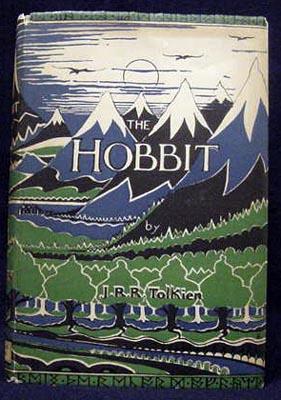
                • Cover of The Hobbit
                  The Hobbit

                  series · 2 books · 1937

                  completed

                  part of Tolkien's legendarium

                  similar bysecondary worldadventurousquestsdragons

                  The Hobbit (1937) is J. R. R. Tolkien's children's fantasy novel following the reluctant burglar Bilbo Baggins, who joins a company of dwarves and the wizard Gandalf on a journey to reclaim treasure guarded by the dragon Smaug. It stands as a complete adventure on its own, but shares its setting with the rest of Tolkien's legendarium and leads into the events of The Lord of the Rings.

                • Cover of Jack of Shadows
                  Jack of Shadows

                  series · 4 books · 1971

                  similar bysecondary worldscience fantasyadventurousquests

                  Roger Zelazny's Jack of Shadows (1971) is a single novel set on a tidally locked world split between a permanently lit hemisphere ruled by science and a permanently dark one ruled by magic. Its protagonist, Jack of Shadows, draws his power from shadow itself and is nearly helpless in full light or full darkness but formidable wherever shadows fall; the book follows his quest to recover a lost artifact, the Key called Kolwynia, and the power -- and responsibility -- that comes with finding it.

                • Cover of The Thin Executioner
                  The Thin Executioner

                  Darren Shan · standalone novel · 2010

                  similar bysecondary worlddarkdark fantasyadventurousquests

                  The Thin Executioner is young adult and dark fantasy novel written by Irish novelist Darren O'Shaughnessy under the pen name of Darren Shan, published in April 2010. Inspired by and partially adapting Adventures of Huckleberry Finn by Mark Twain and The Firework-Maker's Daughter by Philip Pullman, Shan cited Middle Eastern influences for the novel's tone, describing the novel as his "favourite out of all his books [to have written]."

                • Cover of Gor
                  Gor

                  series · 41 books · 1966

                  similar byscience fantasysecondary worlddark+1 more

                  Gor is the fictional setting for a series of sword and planet novels written by philosophy professor John Lange, writing as John Norman. The setting was first described in the 1966 novel Tarnsman of Gor. The series is inspired by science fantasy pulp fiction works by Edgar Rice Burroughs, such as the Barsoom series. It also includes erotica and philosophical content. The Gor series repeatedly depicts men abducting and physically and sexually brutalizing women, who grow to enjoy their submissive state. According to The Encyclopedia of Science Fiction, Norman's "sexual philosophy" is "widely detested", but the books have inspired a Gorean subculture.

                • Cover of A Song of Ice and Fire
                  A Song of Ice and Fire

                  series · 14 books · 1996

                  part of World of Ice and Fire

                  similar bysecondary worlddark+2 more

                  A Song of Ice and Fire is a series of high fantasy novels by the American author George R. R. Martin. Martin began writing the first volume, A Game of Thrones, in 1991, and published it in 1996. Martin, who originally envisioned the series as a trilogy, has released five out of seven planned volumes. The most recent entry in the series, A Dance with Dragons, was published in 2011. Since then, Martin has been working on the sixth novel, titled The Winds of Winter. A seventh novel, A Dream of Spring, is planned to follow.

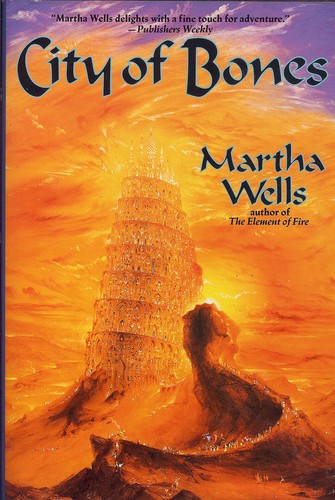
                • Cover of City of Bones
                  City of Bones

                  Martha Wells · standalone novel · 1995

                  similar bysecondary worldscience fantasyadventurousquests

                  From the dust jacket laps of the Tor first edition: "....With City of Bones, Wells shapes a fabled and mysterious Arabian Nights wonderland in which science and magic meet in a head-on clash. it is a place that has been devastated by an ancient holocaust, and where not of the world's water has evaporated. But out of the ashes, a bizarre and wonderful civilization arises. Sand ship now traverse the routes once used by the great war galleons, and a glittering chain of city-states dot the Great Waste. And the greatest of them all is Charisat. Charisat, Imperial seat and wonder of wonders, a great monolithic structure towering over the desert. Charisat, a phantasmagorical place where silken courtesans and beggars weave lies side by side, where any man's dreams can be fulfilled at the whisper of a genie, and where the tier that you live on determines how high up the food (or more importantly, water) chain you are. Charisat, the goal of every schemer, treasure hunter, and madman intent on finding his hearts content. For if it can't be had in Charisat, it's not worth having. A beautiful woman and a handsome thief try to unravel the mysteries of an age-old technology to stop a fanatical cult before its members unleash an evil that will topple Charisat. And destroy all the water in the world."

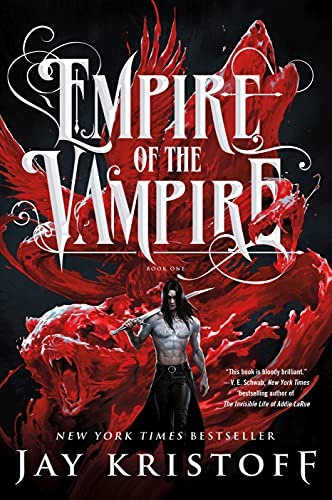
                • Cover of Empire of the Vampire
                  Empire of the Vampire

                  series · 3 books · 2021

                  similar bysecondary worlddarkdark fantasyvampires+1 more

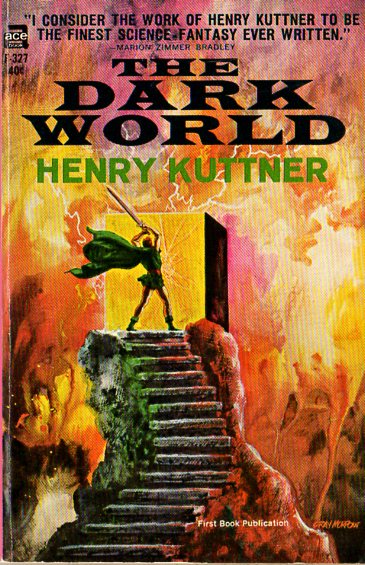
                • Cover of The Dark World
                  The Dark World

                  Henry Kuttner · standalone novel · 1965

                  similar bysecondary worldscience fantasyadventurous+1 more

                  The Dark World is a science fantasy novel credited to Henry Kuttner, although his wife C. L. Moore may have been an uncredited collaborator, or possibly even the author. The novel was first published in the July 1946 issue of Startling Stories, then reprinted in the Winter 1954 issue of Fantastic Story Magazine. Its first book edition was issued by Ace in 1965, followed by a British edition by Mayflower Books in 1966. A French translation appeared in 1972. The novel was reprinted in full in Issue #5 of Amberzine in 1992, and also collected in a 1997 paperback omnibus, The Startling Worlds of Henry Kuttner. Roger Zelazny, author of The Chronicles of Amber, credits this book as being one of his primary influences during his youth.

                • Cover of Malazan Book of the Fallen
                  Malazan Book of the Fallen

                  series · 20 books · 1999

                  part of Malazan

                  similar bysecondary worlddarkdark fantasy

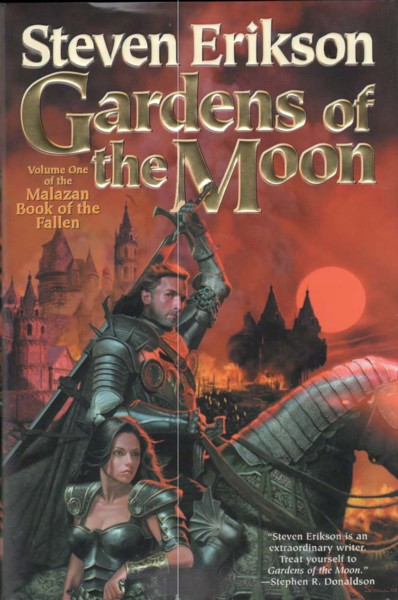
                  The Malazan Book of the Fallen is a series of epic fantasy novels written by the Canadian author Steven Erikson. The series, published by Bantam Books in the U.K. and Tor Books in the U.S., consists of ten volumes, beginning with Gardens of the Moon (1999) and concluding with The Crippled God (2011). Erikson's series presents the narratives of a large cast of characters spanning thousands of years across multiple continents.

                • Cover of The Princess and the Goblin
                  The Princess and the Goblin

                  series · 2 books · 1871

                  completed

                  similar bysecondary worldadventurousquests

                • Cover of Nightworld
                  Nightworld

                  series · 2 books · 1979

                  completed

                  similar bydarkvampires+6 more

                • TC
                  Thomas Covenant the Unbeliever

                  series · 11 books · 1977

                  similar bysecondary worlddarkquests

                  The Chronicles of Thomas Covenant is a series of ten high fantasy novels written by American author Stephen R. Donaldson. The series began as a trilogy, The Chronicles of Thomas Covenant the Unbeliever. This was followed by another trilogy, The Second Chronicles of Thomas Covenant, and finally a tetralogy, The Last Chronicles of Thomas Covenant.

                • Cover of Fairy Tale
                  Fairy Tale

                  Stephen King · standalone novel · 2022

                  similar bysecondary worlddarkdark fantasyadventurousquests

                  Fairy Tale is a dark fantasy novel by American author Stephen King, published on September 6, 2022, by Scribner. The novel follows Charlie Reade, a 17-year-old who inherits keys to a hidden, otherworldly realm, and finds himself leading the battle between forces of good and evil.

                • C
                  Corum

                  series · 6 books · 1971

                  part of Moorcock's Multiverse

                  similar bysecondary worldadventurous+2 more

                • Cover of Green Star Rises
                  Green Star Rises

                  series · 5 books · 1972

                  completed

                  similar byscience fantasysecondary worldadventurousquests

                  Linwood Vrooman Carter was an American author of science fiction and fantasy, as well as an editor and critic. He usually wrote as Lin Carter; known pseudonyms include H. P. Lowcraft and Grail Undwin. In the 1970s he was editor of the Ballantine Adult Fantasy series, which introduced readers to many overlooked classics of the fantasy genre.

                • Cover of House of Hunger
                  House of Hunger

                  Alexis Henderson · standalone novel · 2022

                  similar bysecondary worlddarkdark fantasyvampires

                  House of Hunger is a 2022 horror novel by Alexis Henderson. It is the author's second novel. The story is set in a world where nobles feed on the blood of their servants. The plot follows the life of Marion as she becomes a bloodmaid in the titular House of Hunger.

                • Cover of Sign for the Sacred
                  Sign for the Sacred

                  Storm Constantine · standalone novel · 1993

                  similar bysecondary worlddarkdark fantasyquests

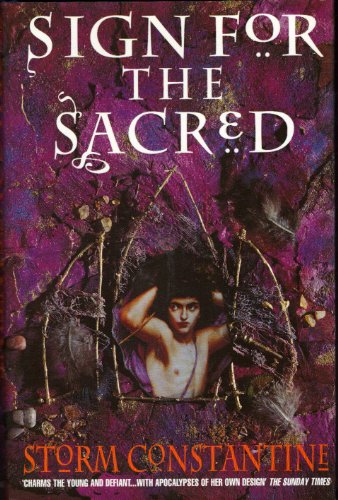
                  The Church of Ixmarity is under siege – the followers of the maverick prophet Resence Jeopardy are winning new converts daily and their heresy threatens the state itself, as well as the wealth and position of those who govern it, particularly the eccliesiarch, Wilfish Implexion. Implexion is determined to stamp out the Jeopardites by any means at his disposal, no matter how ruthless. But the Jeopardites are nomadic, flitting from sanctuary to sanctuary, constantly evading the forces of Ixmarity. Implexion is not alone in his determination to seek out the elusive heretic – four others are desperate in their desire to find Jeopardy... Lucein ... a former colleague of Resences Jeopardy, a vibrancer of the Church of Ixmarity, a man who would have dedicated his life to the dance in respectable slavery had it not been for the love of the prophet to be. Cleo...the child bride of a poisoner. When the beautiful Inky, one of Jeopardy’s illegitimate offspring, is brought to her house for disposal, she falls in love – with the boy and with his sire. Selilah and Trajan..brought together by death and disease. Delilah is orphaned by Rajan’s violent attack on her village, and she’s the only one ont prey to either his wrath or the pernicious plague he carries. Delilah promises to watch over Trajan as he returns to the sanctuary of the Jeopardite camp – he believes Resenence is his only possible saviour from the terrible curse he carries. But in finding Jeopardy all four questers are ultimately surprised by the nature of their success...

                • Cover of Julian
                  Julian

                  series · 19 books · 1976

                  similar bysecondary worlddarkdark fantasyquests

                • Cover of The Lord of the Rings
                  The Lord of the Rings

                  series · 13 books · 1954

                  part of Tolkien's legendarium

                  similar bysecondary world+2 more

                  The Lord of the Rings is an epic high fantasy novel written by the English author and scholar J. R. R. Tolkien. Set in Middle-earth, the story began as a sequel to Tolkien's 1937 children's book The Hobbit but eventually developed into a much larger work. Written in stages between 1937 and 1949, The Lord of the Rings is one of the best-selling books ever written, with over 150 million copies sold.

                • Cover of Birthgrave
                  Birthgrave

                  series · 3 books · 1975

                  completed

                  similar bysecondary worlddark+3 more

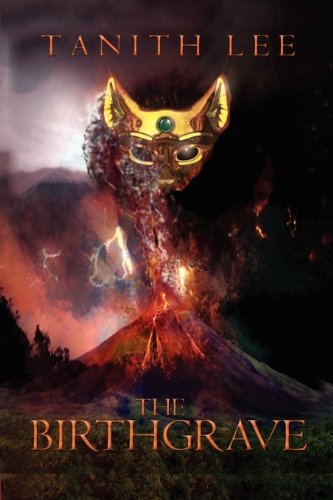
                  Tanith Lee's Birthgrave trilogy (The Birthgrave, Vazkor Son of Vazkor, Quest for the White Witch, 1975-1978) opens with an amnesiac woman waking inside a volcano with no memory of who she is, and follows her journey through a brutal, quasi-medieval world in search of her identity, wielding strange powers she doesn't understand along the way. She eventually learns she is one of the last of the Old Ones, an ancient, nearly extinct people, and must reckon with the harm her own vanished civilization once did.

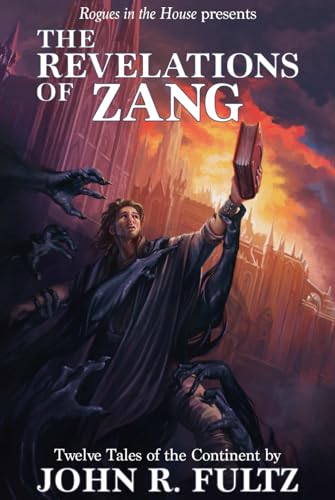
                • Cover of Zang Cycle
                  Zang Cycle

                  series · 13 books · 2006

                  similar bysecondary worlddarkdark fantasyquests

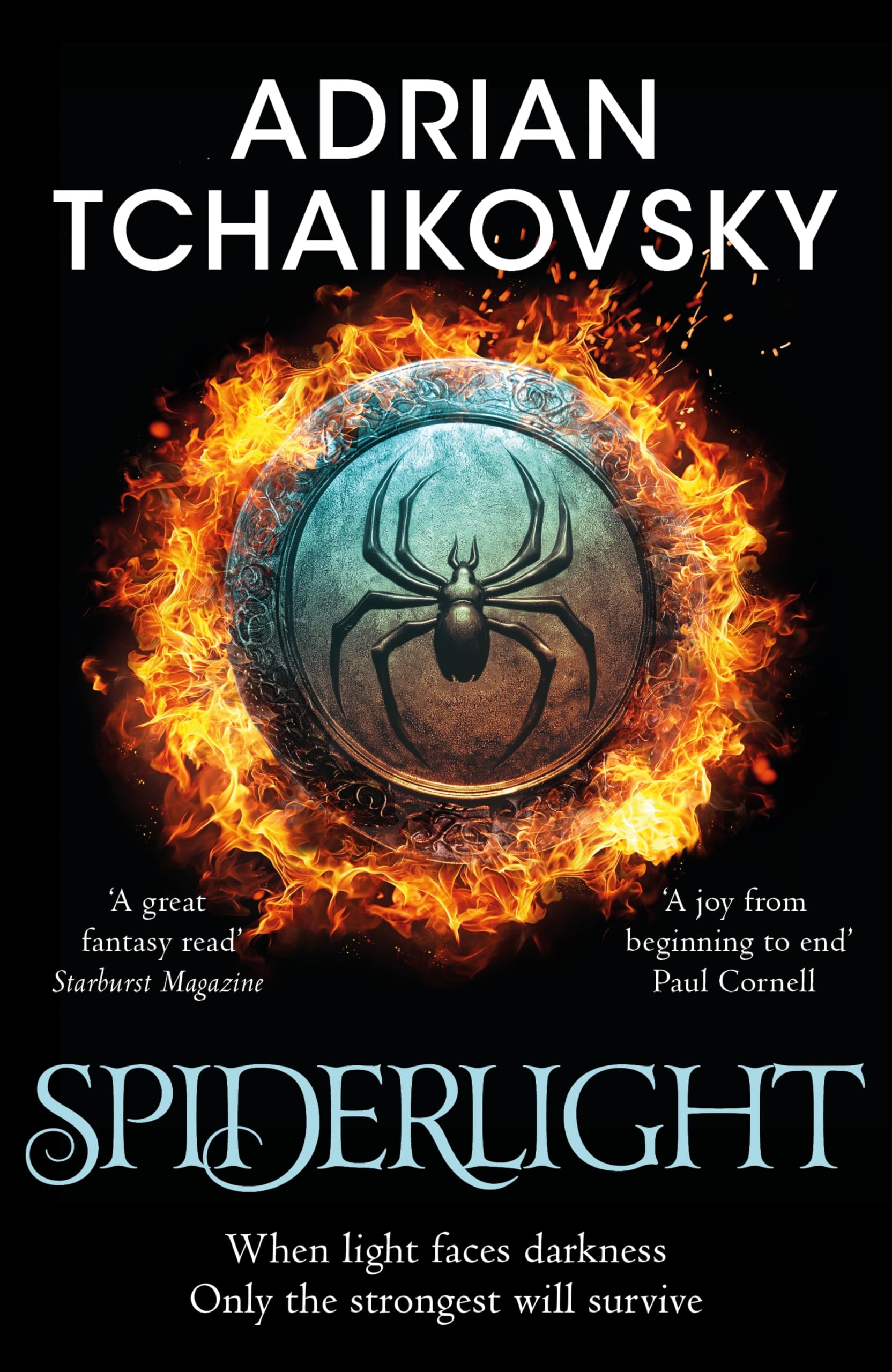
                • Cover of Spiderlight
                  Spiderlight

                  Adrian Tchaikovsky · standalone novel · 2016

                  similar bysecondary worldadventurousdarkquests

                  Spiderlight is a 2013 fantasy novel by Adrian Tchaikovsky. The novel tells the story of a group of humans and a giant spider who follow a prophecy to defeat the Dark Lord. The novel received critical praise for its exploration of the meaning of good and evil through the use of common fantasy tropes.

                • Cover of The Princess Bride
                  The Princess Bride

                  William Goldman · standalone novel · 1973

                  similar bysecondary worldadventurousquests

                  The Princess Bride: S. Morgenstern's Classic Tale of True Love and High Adventure, The "Good Parts" Version is a 1973 fantasy romance novel by American writer William Goldman. The book combines elements of comedy, adventure, fantasy, drama, romance, and fairy tale. It is metafictionally presented as an abridgment of a longer work by the fictional S. Morgenstern, and Goldman's commentary asides are constant throughout. It was originally published in the United States by Harcourt Brace, then later by Random House, while in the United Kingdom it was later published by Bloomsbury.