More like Oris
anchored on:epic fantasysecondary world
but
- The Lord of the Rings
series13 books1954
part of Tolkien's legendarium
similar byepic fantasysecondary world+2 more
The Lord of the Rings is an epic high fantasy novel written by the English author and scholar J. R. R. Tolkien. Set in Middle-earth, the story began as a sequel to Tolkien's 1937 children's book The Hobbit but eventually developed into a much larger work. Written in stages between 1937 and 1949, The Lord of the Rings is one of the best-selling books ever written, with over 150 million copies sold.
- Riftwar Saga
series7 books1982
part of The Riftwar Universe
similar byepic fantasyadventuroussecondary world+1 more
The Riftwar Saga is Raymond E. Feist's debut fantasy trilogy, opening with Magician, in which an orphaned apprentice named Pug is swept up when otherworldly invaders emerge through a dimensional rift into the frontier kingdom of Midkemia. Silverthorn and A Darkness at Sethanon carry the resulting war to its close, and the trilogy became the founding entry of Feist's much larger Riftwar Cycle.
- The Stormlight Archive
series15 books2010
part of Cosmere
similar byepic fantasyadventuroussecondary world+2 more
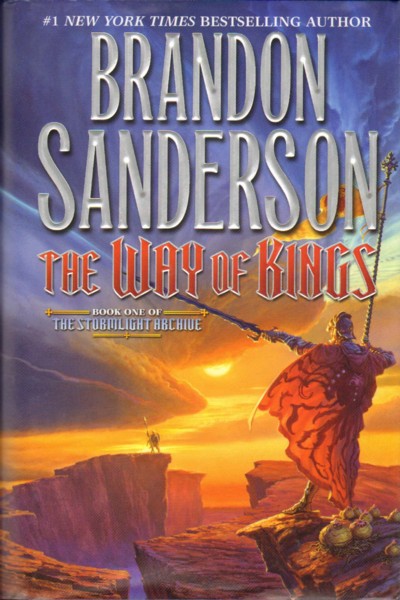
The Stormlight Archive is a high fantasy novel series written by American author Brandon Sanderson, planned to consist of ten novels. As of 2024, the series comprises five published novels and two novellas, set within Sanderson's broader Cosmere universe. The first novel, The Way of Kings, was published on August 31, 2010. The second novel, Words of Radiance, was published on March 4, 2014 and debuted at number one on The New York Times Best Seller List. This was repeated by Oathbringer and Rhythm of War. The fifth novel, Wind and Truth, was released December 6, 2024. Sanderson has indicated that he will start drafting the latter half of the series after he finishes writing the upcoming Era Three Mistborn trilogy and the two Elantris sequels. The series has been adapted as a VR Experience and a tabletop roleplaying game.
- Earthsea Cycle
series18 books1964
completed
part of Earthsea
similar bysecondary worldepic fantasy
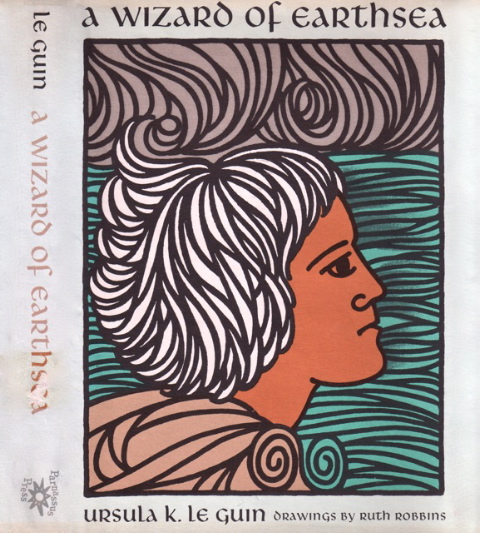
The Earthsea Cycle, also known as Earthsea, is a series of high fantasy books written by American author Ursula K. Le Guin. Beginning with A Wizard of Earthsea (1968), The Tombs of Atuan (1970), and The Farthest Shore (1972), the series was continued in Tehanu (1990), and Tales from Earthsea and The Other Wind. In 2018, all the novels and short stories were published in a single volume, The Books of Earthsea: The Complete Illustrated Edition, with artwork by Charles Vess.
- The Kingkiller Chronicle
series8 books2002
similar bysecondary world+4 more
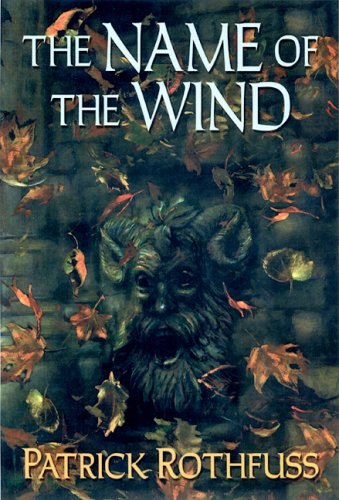
The Kingkiller Chronicle is a planned fantasy trilogy by the American writer Patrick Rothfuss. The first two books, The Name of the Wind and The Wise Man's Fear, were released in 2007 and 2011. The books released in the series have sold over 10 million copies.
- Bronze Canticles
series3 books2004
similar byepic fantasysecondary world+1 more
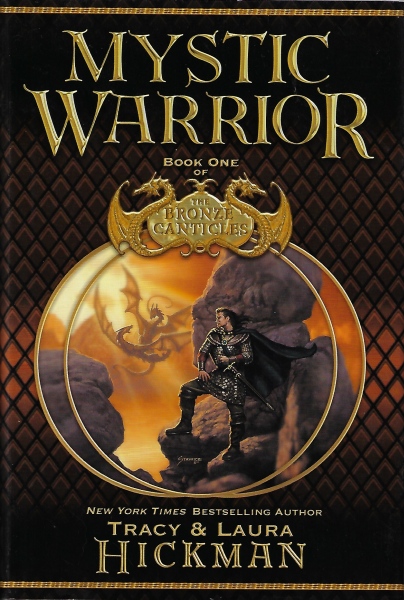
Laura and Tracy Hickman's Bronze Canticles trilogy follows Bronwyn, a young woman who discovers she's half-dragon, coming into an inheritance of both draconic and human power amid a war between the two peoples. Mystic Quest and Mystic Empire continue the conflict as she's forced to reconcile which side she truly belongs to. The trilogy reworks the Hickmans' long collaboration on dragon-centric fantasy outside the Dragonlance setting they're best known for.
- The Nicci Chronicles
series4 books2017
completed
part of Sword of Truth
similar byepic fantasysecondary world+2 more
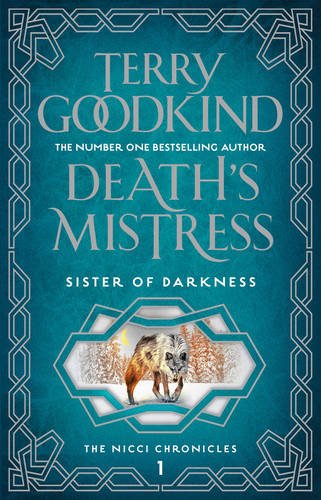
The Nicci Chronicles follows Nicci, a reformed sorceress and former antagonist from Terry Goodkind's Sword of Truth series, as she travels with the wizard Nathan Rahl through war-torn lands beyond the Old World, confronting new threats to the D'Haran Empire. The quartet, beginning with Death's Mistress, continues the larger Sword of Truth universe from Nicci's perspective.
- The Riftwar Universe
universe44 books1982
Start hereRiftwar Saga · Start here
similar byepic fantasysecondary world+1 more
On the world of Midkemia a tear opens in the air itself, a rift hung between stars, and through it march the armies of an empire from another world entirely. So begins the chronicle Raymond E. Feist has kept for three decades: the tale of Pug, a castle kitchen boy apprenticed to a magician on the very day the invasion lands, and of Tomas, his friend, who inherits the armor and the ancient fury of a dead dragon-lord. Around these two the Riftwar Cycle turns, widening book by book from one besieged frontier keep into the whole history of a world of kingdoms, guilds, thieves' dens and mage-towers. The cycle runs to roughly thirty novels, gathered into arcs a newcomer can enter and finish on their own. The founding Riftwar Saga (Magician, Silverthorn, A Darkness at Sethanon) sets the board; the Serpentwar Saga, Krondor's Sons and the Conclave of Shadows carry the story down the generations; the Darkwar, Demonwar and Chaoswar sagas bring it toward its close. Crossing the rift to the rival world of Kelewan, Feist and Janny Wurts wrote the Empire trilogy, opening with Daughter of the Empire, a court intrigue told wholly from the invaders' side and for many the finest thing here. Shorter Legends of the Riftwar and the game-born Riftwar Legacy fill the corners; later still, Feist opens an altogether new world in the Firemane books. Feist writes fantasy in its most companionable key: apprentices who grow into archmages, tavern boys who become spies and dukes, a world you return to the way you return to an old inn. The mood is adventure before dread, friendship and rank and hard-won craft, wars that cost something, all of it rendered plainly and at a gallop. Begin where it began, with Magician, then follow the arcs in the order they were written, and the rift will carry you the rest of the way.
- The Hobbit
series2 books1937
completed
part of Tolkien's legendarium
similar byadventurousepic fantasysecondary worldquests
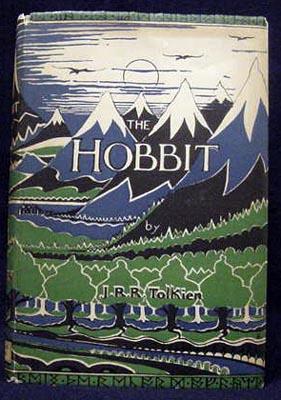
The Hobbit (1937) is J. R. R. Tolkien's children's fantasy novel following the reluctant burglar Bilbo Baggins, who joins a company of dwarves and the wizard Gandalf on a journey to reclaim treasure guarded by the dragon Smaug. It stands as a complete adventure on its own, but shares its setting with the rest of Tolkien's legendarium and leads into the events of The Lord of the Rings.
- Shannara
universe50 books1977
Start hereWord and the Void · The very beginning of the timeline
similar byepic fantasysecondary world+2 more
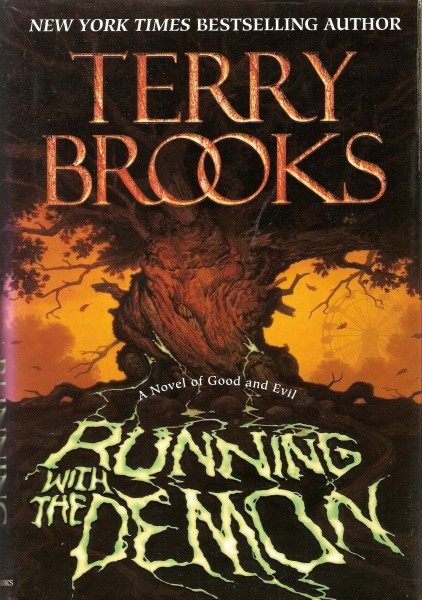
Long after the world we know has burned itself to slag in the Great Wars, the Four Lands rise green over the bones of the old age. Science is a forbidden memory; magic has come back into the world, and with it the old divisions — Men, Elves, Dwarves, Trolls, and Gnomes, each Race a splinter of what humanity became. This is the far-future Earth of Shannara, where the ruins buried beneath the soil are ours, and the only keepers of the vanished knowledge are the Druids of Paranor, who wake once a generation to meet the darkness rising again. Terry Brooks opened the Four Lands in 1977 with The Sword of Shannara and has charted its history for four decades since — a legendarium ordered not by throne but by a single bloodline, the Ohmsfords, each generation inheriting an Elfstone, a blade, or a wishsong when the age demands a hero. The original trilogy gives way to the Heritage of Shannara, the Voyage of the Jerle Shannara, the High Druid, Dark Legacy, Defenders, and the concluding Fall of Shannara; the Genesis of Shannara books reach back to the apocalypse itself, and the Word and the Void trilogy back further still, into a demon-haunted version of our own present that is the root of everything after. In 2025 Brooks passed the histories to Delilah S. Dawson to carry forward. What sets these books apart is their long memory: a world where every triumph is provisional, where the same evil returns wearing a fresh shape each age, and magic always exacts its price. The reading is warm and headlong — questing companies, old talismans, journeys across a mapped and named wilderness — shadowed by the knowledge that all of it stands on the wreckage of a former world. Enter as readers first did: with The Sword of Shannara, then onward in publication order. The chronological path, beginning with Word and the Void, rewards a second journey, once the Four Lands already feel like home.
- The Black Magician Trilogy
series3 books2001
part of Kyralia series
similar bymagic schoolsepic fantasysecondary world+1 more
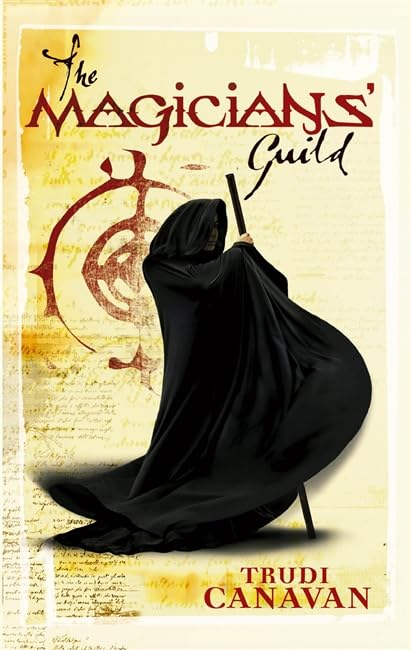
Trudi Canavan's Black Magician Trilogy (The Magicians' Guild, The Novice, The High Lord, 2001-2003) opens in the city of Imardin, where the ruling magicians' guild's annual purge of the slums goes wrong when a street girl named Sonea unknowingly shatters their protective shield with raw, untrained power. The guild must hunt her down and decide whether to control her or train her, and the trilogy follows Sonea's forced initiation into magical society and the guild's internal politics. It's Canavan's best-known trilogy and the founding story of her Kyralia setting.
- The Licanius Trilogy
series3 books2014
similar byepic fantasysecondary world+2 more
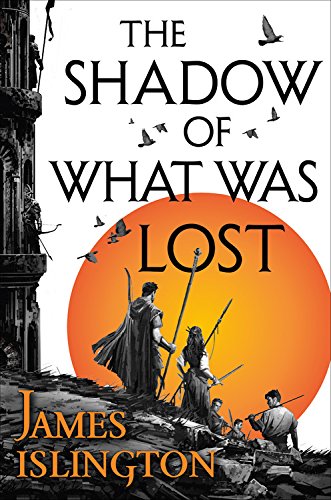
Twenty years after a war that toppled the god-like Augurs and stripped magic from the world, James Islington's Licanius Trilogy follows Davian, a young man bound by laws written to suppress the powers the Augurs once had, who discovers he can still reach forbidden abilities. His awakening coincides with the stirring of an ancient enemy and the appearance of an amnesiac stranger whose fate is bound to his. The three books trace how the old war's cover-up starts to unravel.
- Chronicles of Ynis Aielle
series3 books1990
similar byepic fantasyadventuroussecondary world+2 more
Chronicles of Ynis Aielle is a fantasy trilogy by American author R. A. Salvatore, published between 1990 and 2000. It comprises Echoes of the Fourth Magic (1990), The Witch's Daughter (1991), and Bastion of Darkness (2000).
- Green Rider
series13 books1998
similar byepic fantasysecondary world+3 more
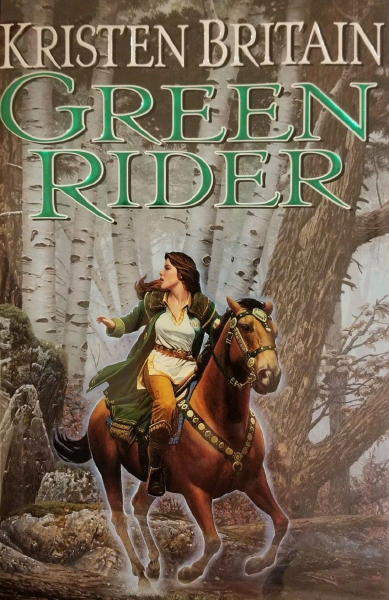
Green Rider follows Karigan G'ladheon, a merchant's daughter expelled from school, who takes on a dying stranger's uniform and message and is thereby drafted into the Green Riders — the magically gifted messenger corps of the kingdom of Sacoridia — and pulled into a conspiracy against the king. Kristen Britain's series, which now runs to eight books, keeps returning Karigan to Sacor City and the haunted Green Cloak forest as the magic system and the threats against the throne both deepen.
- The Deed of Paksenarrion
series4 books1988
part of Paksenarrion
similar byepic fantasysecondary worldquests+1 more
Elizabeth Moon's The Deed of Paksenarrion follows Paksenarrion Dorthansdotter, a sheepfarmer's daughter who leaves home to become a mercenary soldier and, over the course of three novels, a paladin. Grounded in the practical, unglamorous realities of military life before turning toward divine calling, the trilogy was originally published in 1988-89 and later collected as one omnibus. It's known for its grounded approach to fantasy soldiering, informed by Moon's own military background.
- Pellinor
series5 books2002
similar byadventurousepic fantasysecondary worldquests+1 more
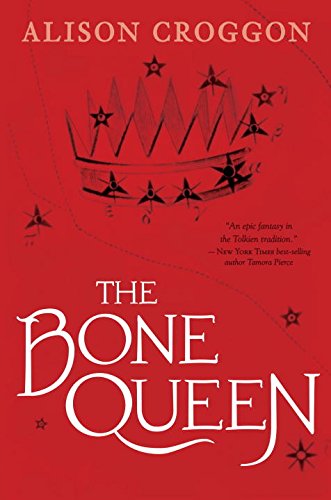
Maerad has spent most of her life enslaved on a remote farm, until the wandering Bard Cadvan recognizes in her the Gift -- a rare and powerful magical ability -- and takes her from captivity into training. Alison Croggon's Books of Pellinor follow Maerad across the world of Edil-Amarandh as she's drawn into a prophecy naming her the only one who might stop the Nameless One, an ancient and corrupting sorcerer, while she also searches for her lost family. The series runs through The Gift, The Riddle, The Crow, The Singing, and the later prequel The Bone Queen.
- Hierarchy
series2 books2023
similar byepic fantasyadventurousmagic schoolssecondary world
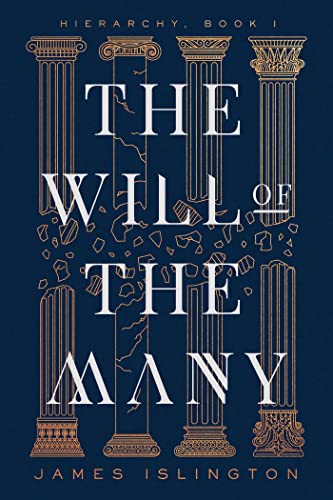
James Islington's Hierarchy series opens with The Will of the Many, set in the Catenan Republic, an empire built on 'Will' — citizens' personal strength and drive, ceded upward to those in power. Its protagonist infiltrates the empire's most prestigious academy under a false identity to investigate a murder and search for a hidden weapon, refusing to surrender his own Will to the empire that killed his family. The Strength of the Few continues the story as book two.
- Lightbringer
series5 books2010
similar byepic fantasysecondary world+2 more
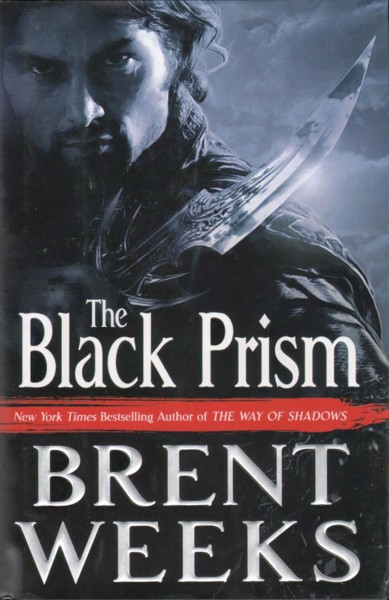
The Black Prism introduces Gavin Guile, the Prism — supreme religious and political authority over the Seven Satrapies, and the only person able to draft every color of magical light into solid, structural "luxin" — as an uprising and a hidden family secret both threaten to unravel the fragile peace he's built. Brent Weeks's five-book Lightbringer series pushes its chromaturgy magic system toward its physical and moral limits: drafters who overuse their color eventually "break the halo" and turn into monsters called wights.
- The Quest of the Riddle-Master
series3 books1976
completed
similar byadventuroussecondary worldepic fantasyquests+1 more
Patricia A. McKillip's Riddle-Master trilogy follows Morgon, prince of the small island of Hed, whose discovery of three star-shaped birthmarks on his forehead draws him into a search for his own hidden identity and a confrontation with ancient, shape-shifting powers. Drawing on Celtic myth, the three books are prized for their lyrical prose and riddle-based magic, and are often cited among the best high fantasy of the 1970s.
- Lord of the Isles
series10 books1997
completed
similar byadventurousepic fantasysecondary worldquests
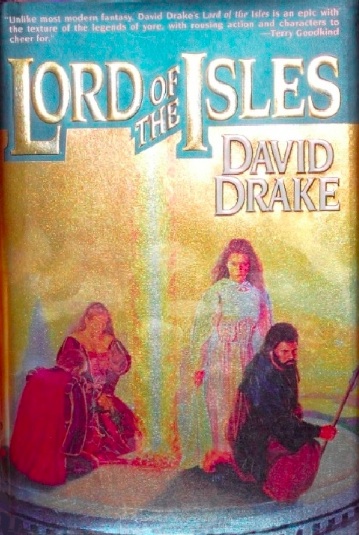
Lord of the Isles is a series of books by author David Drake. In 1997, Drake began his largest fantasy series, Lord of the Isles, using elements of Sumerian religion and medieval-era technology. The series consists of nine books broken into two distinct parts, the Lord of the Isles consisting of the first six books, and a final trilogy dubbed the Crown of the Isles.
- A Song of Ice and Fire
series14 books1996
part of World of Ice and Fire
similar byepic fantasysecondary world
A Song of Ice and Fire is a series of high fantasy novels by the American author George R. R. Martin. Martin began writing the first volume, A Game of Thrones, in 1991, and published it in 1996. Martin, who originally envisioned the series as a trilogy, has released five out of seven planned volumes. The most recent entry in the series, A Dance with Dragons, was published in 2011. Since then, Martin has been working on the sixth novel, titled The Winds of Winter. A seventh novel, A Dream of Spring, is planned to follow.
- Sparhawk
universe6 books1989
Start hereElenium · Start here
similar byepic fantasyadventuroussecondary worldquests
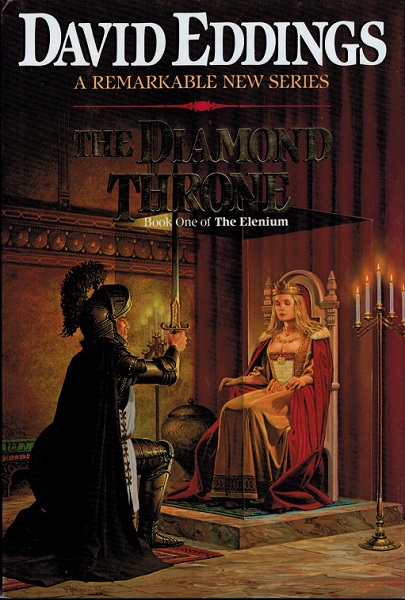
Sir Sparhawk is not a young man, and he has little patience for the pageantry his order pretends to. A Pandion Knight of the militant Elene Church, he rides home from a long exile to find his kingdom rotten with intrigue and his young queen, Ehlana, poisoned — kept alive only inside a shell of living crystal. To wake her he must find Bhelliom, a jewel with the power to remake the world or unmake it. So begins a long ride across the continent of Eosia. This is warm, character-first epic fantasy from David Eddings, told across two trilogies. The Elenium — The Diamond Throne, The Ruby Knight, The Sapphire Rose — pits Sparhawk against a corrupt church and a hungry elder god. The Tamuli — Domes of Fire, The Shining Ones, The Hidden City — carries him east into the vast Tamul Empire, where older enemies stir. Around him gathers a quarrelsome company: the Styric sorceress Sephrenia, the thief-boy Talen, the plain-spoken squire Kurik, and a small, imperious goddess who plays a set of pipes and always, somehow, gets her way. The pleasure here is the talk — grizzled knights trading dry insults between miracles and murders, a hero who solves as many problems with patience as with a sword. It never reaches for grimness or grand obscurity; it wants your good company for a long journey. Newcomers begin with The Diamond Throne and read the six in order: the Elenium stands whole on its own before the Tamuli widens the map.
- The Well at the World's End
William Morrisstandalone novel1896
similar byepic fantasyadventuroussecondary worldquests
The Well at the World's End is a high fantasy novel by the British textile designer, poet, and author William Morris. It was first published in 1896 and has been reprinted repeatedly since, most notably in two parts as the 20th and 21st volumes of the Ballantine Adult Fantasy series, in August and September 1970.