More like Posterity
anchored on:science fictionnear futureour worlddark
but
- A Clockwork Orange
series4 books1962
completed
similar bydarkscience fictionour worldnear future
Anthony Burgess's 1962 novel is narrated by Alex, a teenage gang leader in a near-future Britain gripped by a youth subculture of extreme violence, recounting his crimes in Nadsat, an invented slang blending English with Russian-derived words. After his crimes catch up with him, Alex is made the subject of a controversial state program meant to forcibly reform his behavior, and the novel uses his ordeal to question whether imposed goodness is worth the loss of free will. It is a standalone novel.
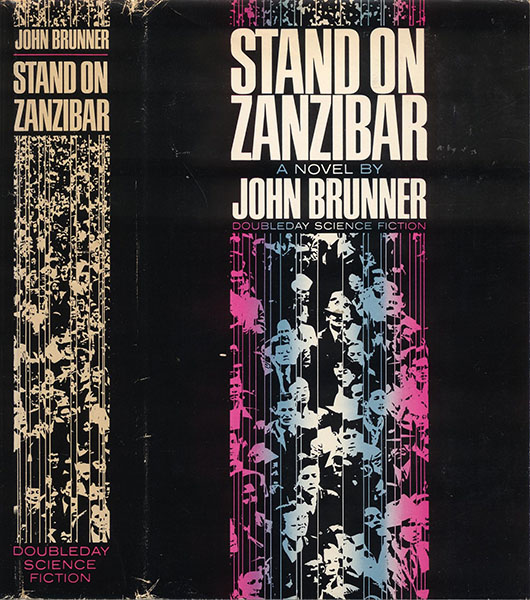
- Stand on Zanzibar
John Brunnerstandalone novel1968
similar byscience fictiondarknear futureour world
Stand on Zanzibar is a dystopian New Wave science fiction novel written by John Brunner and first in part published in New Worlds magazine in 1967 and in book form in 1968. The book won a Hugo Award for Best Novel at the 27th World Science Fiction Convention in 1969, as well as the 1969 BSFA Award and the 1973 Prix Tour-Apollo Award.
- Blood Music
Greg Bearstandalone novel1985
similar byscience fictiondarknear futureour world
Blood Music is a 1985 science fiction novel by American writer Greg Bear. It is an expanded version of a short story of the same title, originally published in the June 1983 issue of Analog and the winner of both the 1983 Nebula and 1984 Hugo awards for Best Novelette. The novel won the 1986 Prix Apollo Award, given to the best science fiction novel published in France during the preceding year, under the title La Musique du sang.
- The World Set Free
H. G. Wellsstandalone novel1914
similar byscience fictiondarknear futureour world
The World Set Free is a novel written in 1913 and published in 1914 by H. G. Wells. The book is based on a prediction of a more destructive and uncontrollable sort of weapon than the world has yet seen. It had appeared first in serialised form with a different ending as A Prophetic Trilogy, consisting of three books: A Trap to Catch the Sun, The Last War in the World and The World Set Free.
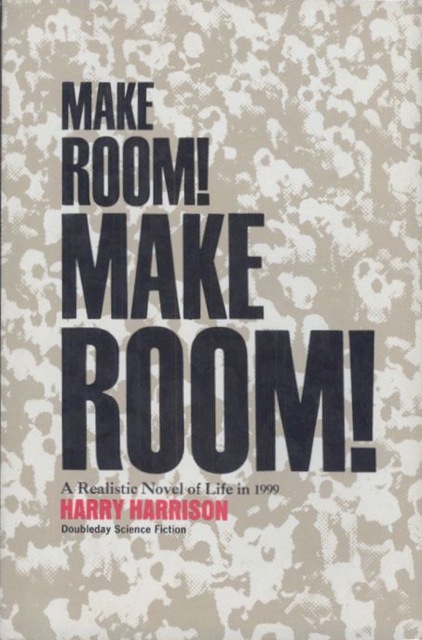
- Make Room! Make Room!
Harry Harrisonstandalone novel1966
similar byscience fictiondarknear futureour world
Make Room! Make Room! is a 1966 science fiction novel written by Harry Harrison exploring the consequences of both unchecked population growth on society and the hoarding of resources by a wealthy minority. It was originally serialized in Impulse magazine.
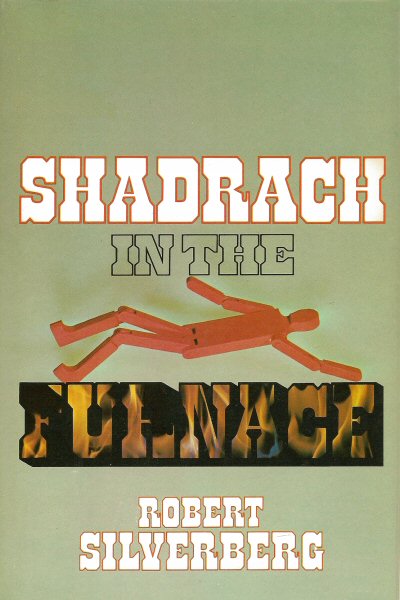
- Shadrach in the Furnace
Robert Silverbergstandalone novel1976
similar byscience fictiondarknear futureour world
Shadrach in the Furnace is a science fiction novel by American writer Robert Silverberg, first published as a serial in Analog Science Fiction and Fact magazine in the August, September, and October 1976 issues. It was subsequently published by Bobbs Merrill in 1976. The novel was nominated in 1976 for the Nebula Award, and in 1977 for the Hugo Award.
- Where Late the Sweet Birds Sang
Kate Wilhelmstandalone novel1976
similar byscience fictiondarknear futureour world
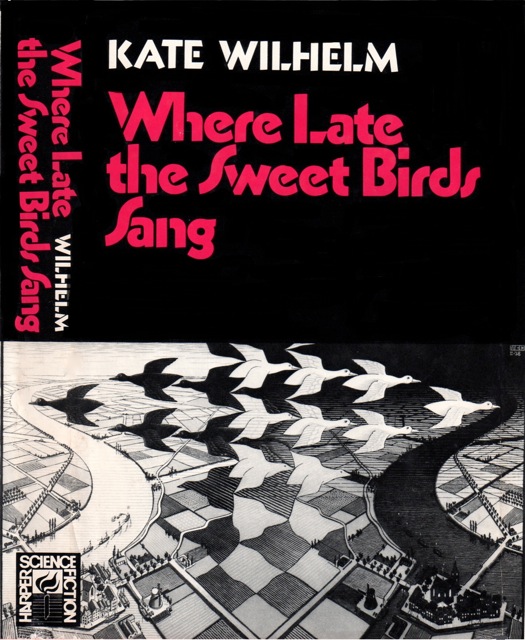
Where Late the Sweet Birds Sang is a science fiction novel by American writer Kate Wilhelm, published in 1976. The novel is composed of three parts, "Where Late the Sweet Birds Sang," "Shenandoah," and "At the Still Point," and is set in a post-apocalyptic era, a concept popular among authors who took part in the New Wave Science Fiction movement in the 1960s.
- The Zap Gun
Philip K. Dickstandalone novel1967
similar byscience fictiondarknear futureour world
The Zap Gun is a 1967 science fiction novel by American writer Philip K. Dick. It was first published as the two-part serial Project Plowshare in Worlds of Tomorrow in 1965 and 1966, before Pyramid Books issued it in paperback under its present title. The novel originated in a title-first commission devised by Pyramid editor Don Bensen and was written in 1964 during a period of rapid production in Dick's career.
- The Fireman
Joe Hillstandalone novel2016
similar byscience fictiondarknear futureour world
The Fireman is a novel set in a post-apocalyptic time by American author Joe Hill. The novel, Hill's fourth, tells the tale of a deadly spore that has infected most of the world's population. Hill first spoke of the novel in 2013 in promotional interviews for his then-new novel NOS4A2. The novel was released on May 17, 2016.
- Counter-Clock World
Philip K. Dickstandalone novel1967
similar byscience fictiondarknear futureour world
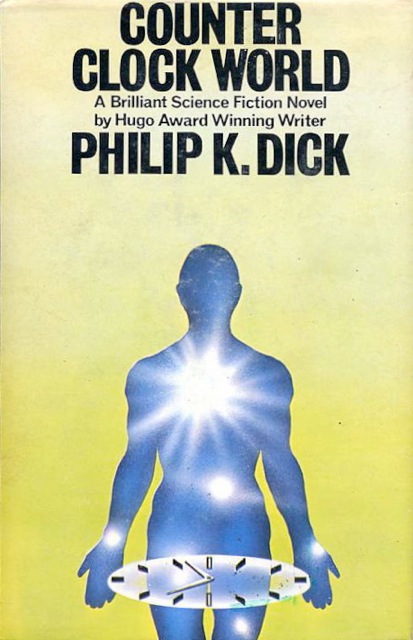
In a near future, after time has reversed itself in some ways and the dead are being resurrected and grow younger until they vanish in a reverse conception, the imminent resurrection of the founder of a new religion which has spread through African-Americans causes a power struggle between factions who vie to possess him.
- The Children of Men
P. D. Jamesstandalone novel1992
similar byscience fictiondarknear futureour world
"The human race has become infertile, and under the despotic rule of Xan Lyppiatt, the Warden of England the old are despairing and the young cruel. Theo Faren, a cousin of the Warden, lives a solitary life in this ominous atmosphere. That is, until a chance encounter with a young woman leads him into contact with a group of dissenters. Suddenly his life is changed irrevocably, as he faces agonising choices which could affect the future of mankind." (pdjames.co.uk)
- Blade Runner Universe
series6 books1968
similar byscience fictiondarknear future+1 more
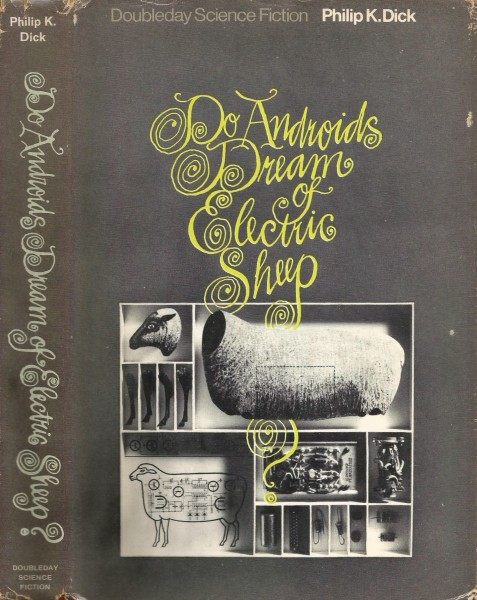
Philip K. Dick's 1968 novel Do Androids Dream of Electric Sheep? follows bounty hunter Rick Deckard as he tracks escaped androids through an irradiated, near-abandoned San Francisco, using the hunt to probe questions of empathy and what separates human from machine. The novel became the basis for Ridley Scott's 1982 film Blade Runner, and Marvel Comics later published an illustrated adaptation of that film. Together the two trace the story's path from prose original to screen and comic-page adaptation.
- The Simulacra
Philip K. Dickstandalone novel1964
similar byscience fictiondarknear futureour world
The Simulacra is a 1964 science fiction novel by American writer Philip K. Dick. The novel portrays a future totalitarian society apparently dominated by a matriarch, Nicole Thibodeaux. It revolves around the themes of reality and illusionary beliefs, as do many of Dick's works. Additionally, it touches on Nazi ideology.
- Earthworks
Brian W. Aldissstandalone novel1965
similar byscience fictiondarknear futureour world
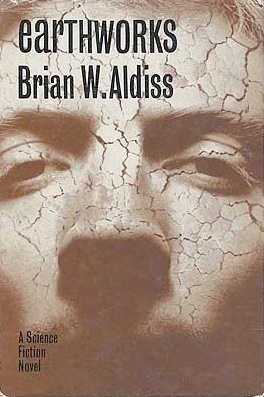
Earthworks is a 1965 dystopian science fiction novel by British science fiction author Brian Aldiss. The novel draws its premise from prevalent fears about population growth and overcrowding of the Earth.
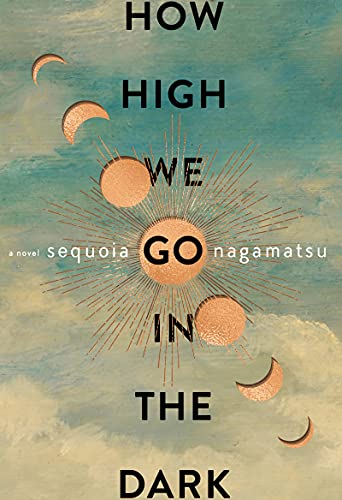
- How High We Go in the Dark
Sequoia Nagamatsustandalone novel2022
similar byscience fictiondarknear futureour world
(Robin MacArthur, in Scientific American): "[A] dystopian narrative set in the near future about an ancient virus that is uncovered by a scientist ... while she is researching melting permafrost in the Arctic."
- The Future
Naomi Aldermanstandalone novel2023
similar byscience fictiondarknear futureour world
The Future is a 2023 science fiction novel by English writer Naomi Alderman, published by Simon & Schuster. The novel is set in a future dystopia where the world has been altered by environmental crisis and a powerful technocracy.
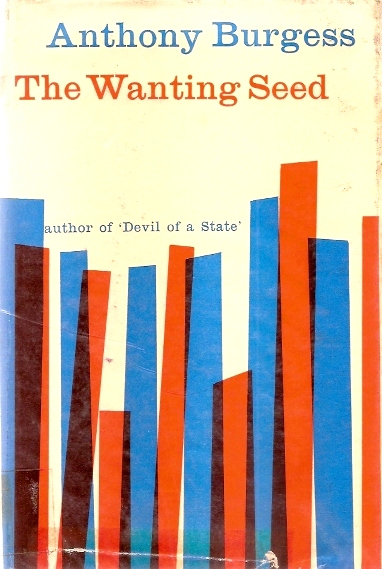
- The Wanting Seed
Anthony Burgessstandalone novel1962
similar byscience fictiondarknear futureour world
The Wanting Seed is a dystopian novel by the English author Anthony Burgess, written in 1962.
- Final Blackout
L. Ron Hubbardstandalone novel1948
similar byscience fictiondarknear futureour world
Final Blackout is a dystopic science fiction novel by American writer L. Ron Hubbard. The novel is set in the future and follows a man known as "the Lieutenant" as he restores order to England after a world war. First published in serialized format in 1940 in the science fiction magazine Astounding Science Fiction, Final Blackout was published in book form in 1948 by The Hadley Publishing Co. Author Services Inc. published a hardcover edition of the book in 1988, and in 1989 the Church of Scientology-affiliated organization Bridge Publications said that a film director named Christopher Cain had signed a contract to write and direct a movie version based on the book.
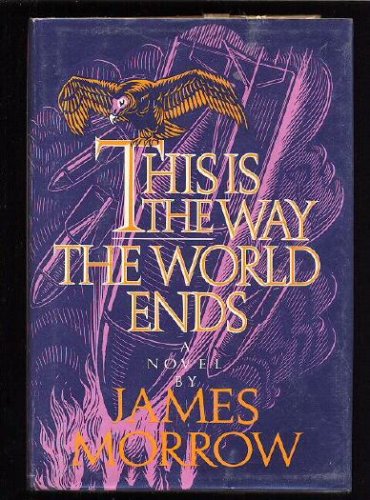
- This Is the Way the World Ends
James Morrowstandalone novel1986
similar byscience fictiondarknear futureour world
This Is the Way the World Ends is a post-apocalyptic novel by American writer James K. Morrow, published in 1986.
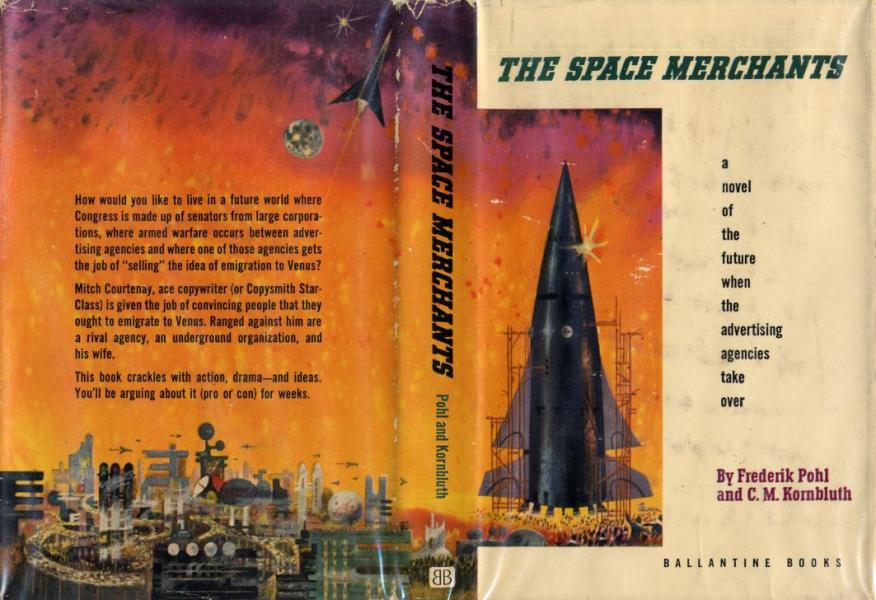
- Space Merchants
series2 books1953
completed
similar byscience fictiondarknear future
The Space Merchants (1953) is a satirical science fiction novel by Frederik Pohl and C. M. Kornbluth that follows an advertising executive navigating a future where aggressive consumer capitalism has swallowed politics and daily life. The authors reunited three decades later for a direct sequel, The Merchants' War (1984), returning to the same satirical world. Together the two books form a compact bookend pair rather than an ongoing series.
- The Power
Naomi Aldermanstandalone novel2016
similar byscience fictiondarknear futureour world
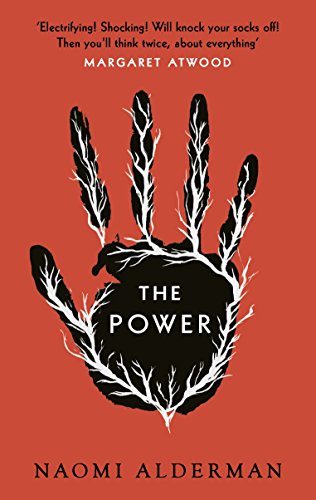
The Power is a 2016 science fiction novel by the British writer Naomi Alderman. Its central premise is of women developing the ability to release electrical jolts from their fingers, which allows them to become the dominant sex. In 2017, it won the Baileys Women's Prize for Fiction.
- The Hopkins Manuscript
R. C. Sherriffstandalone novel1939
similar byscience fictiondarknear futureour world
The Hopkins Manuscript is a dystopian science fiction novel by R. C. Sherriff, first published in 1939 by Victor Gollancz. In 1958 it was reissued in a revised edition as a Pan paperback under the title The Cataclysm. The novel was later republished under its original title by The Macmillan Company in 1963 and by Persephone Books in 2002.
- Aftermath (Charles Sheffield)
series2 books1998
completed
similar byscience fictiondarknear futureour world
Charles Sheffield's Aftermath duology opens with a near-future Earth devastated by a nearby supernova's radiation, which knocks out electronics and forces survivors to rebuild without most modern technology. Starfire continues years later as a second, larger stellar threat approaches and humanity must recover enough capability to respond. Sheffield, a physicist by training, grounds both books in hard-science consequences of the disaster rather than treating it as mere backdrop.