More like Project 17
anchored on:horrornorth americacontemporaryyoung adultfriendshipmadness+2 more
but
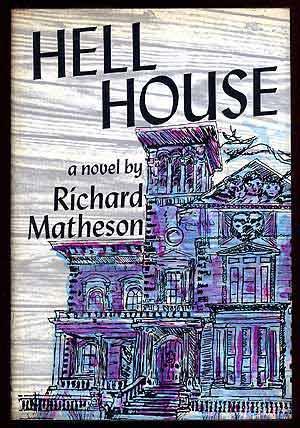
- Hell House
Richard Mathesonstandalone novel1971
similar byhorrornorth americacontemporaryeerietensemadnessghost stories
A dying millionaire wants proof, once and for all, of what happens after death, and hires physicist-turned-parapsychologist Dr. Lionel Barrett to spend a week investigating the Belasco House in Maine -- a mansion so thoroughly associated with atrocity that it's known simply as Hell House, where every previous investigation has ended in death or madness. Barrett brings his wife Edith along with two mediums, the spiritualist Florence Tanner and Benjamin Franklin Fischer, survivor of an earlier disastrous visit, whose scientific skepticism and spiritualist convictions clash from the first night inside. Richard Matheson's haunted-house novel, later filmed as The Legend of Hell House.
- Insomnia
Stephen Kingstandalone novel1994
similar byhorrornorth americacontemporaryeerietensemadness
When an elderly widower in Maine finds himself with sleep maintenance insomnia, awakening early every morning, this state of exhaustion allows him to perceive a higher state of reality, where he learns of an impending disaster which will shake not just the Earthly reality. but all the higher realities, and which he has been recruited to prevent.
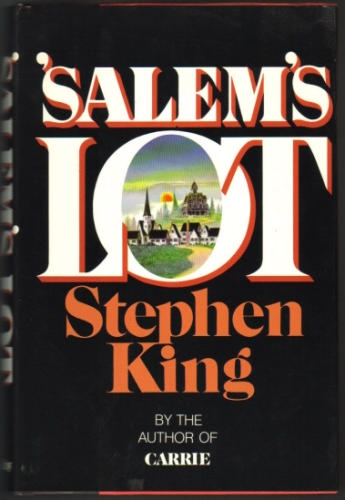
- Jerusalem's Lot
series3 books1975
similar byhorrorcontemporarytensenorth americaeerie+1 more
Stephen King's 1975 novel 'Salem's Lot follows writer Ben Mears as he returns to his childhood town of Jerusalem's Lot, Maine, only to discover that its residents are being turned into vampires by a newly arrived stranger. It transplants Gothic vampire horror into a small New England community, tracking that community's collapse under a supernatural siege. It is a single, self-contained novel.
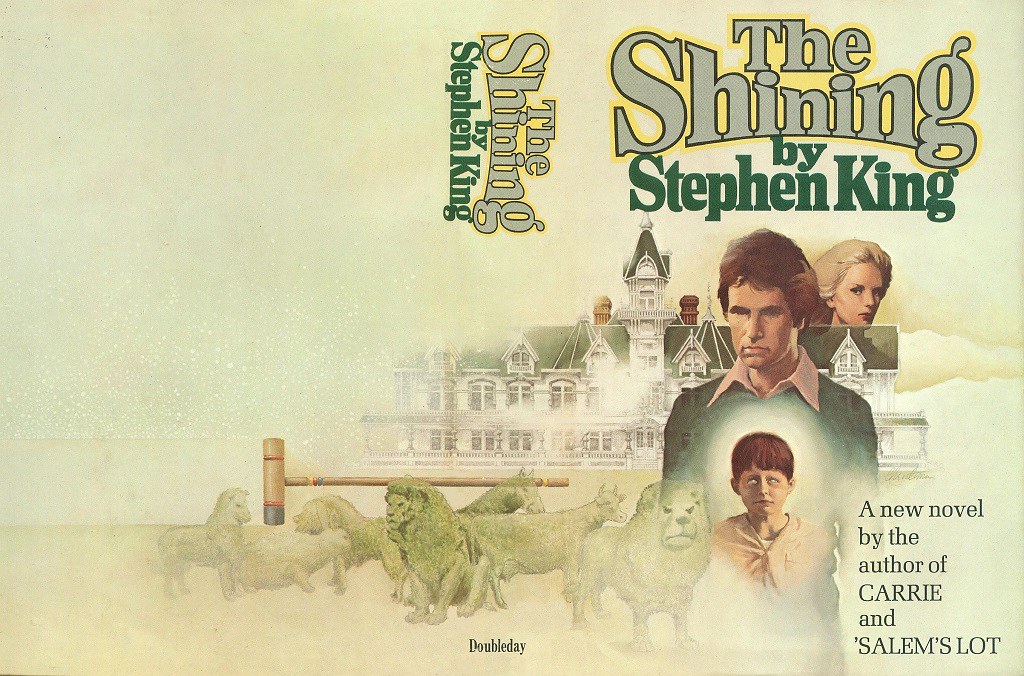
- The Shining
series5 books1977
similar byhorrornorth americacontemporarytense+2 more
Stephen King's 1977 novel The Shining follows the Torrance family as winter caretakers of the isolated, malevolent Overlook Hotel, where father Jack is gradually consumed by the hotel's influence while his young son Danny's psychic "shining" draws its attention. Doctor Sleep (2013) picks up the story decades later, following Danny as an adult still marked by that childhood ordeal. Together the two form a horror duology spanning nearly forty years of real-world publication.
- White Smoke
Tiffany D. Jacksonstandalone novel2021
similar byhorrornorth americacontemporaryeerietenseyoung adultghost stories+1 more
Marigold is running from ghosts. The phantoms of her old life keep haunting her, but a move with her newly blended family from their small California beach town to the embattled Midwestern city of Cedarville might be the fresh start she needs. Her mom has accepted a new job with the Sterling Foundation that comes with a free house, one that Mari now has to share with her bratty ten-year-old stepsister, Piper. The renovated picture-perfect home on Maple Street, sitting between dilapidated houses, surrounded by wary neighbors has its... secrets. That’s only half the problem: household items vanish, doors open on their own, lights turn off, shadows walk past rooms, voices can be heard in the walls, and there’s a foul smell seeping through the vents only Mari seems to notice. Worse: Piper keeps talking about a friend who wants Mari gone. But "running from ghosts" is just a metaphor, right? As the house closes in, Mari learns that the danger isn’t limited to Maple Street. Cedarville has its secrets, too. And secrets always find their way through the cracks.
- The House on Moon Creek Avenue
E. Reyesstandalone novel2020
similar byhorrorcontemporaryeerietensemadnessnorth americaghost stories
● "Cindy is a twenty-one-year-old single mother, retail worker, and college student. She inherits her grandmother's home on Moon Creek Avenue after she passes away. At first, the home is comfortable, nostalgic of Cindy's childhood at nana's, and her daughter enjoys the home, too. But soon, ghosts randomly appear day and night, doors open and close, a streak of bad luck begins, Cindy and her daughter have unsettling nightmares, and Cindy's mental state is pushed to the edge. When Cindy's video recording of paranormal activity goes viral on social media, she gets the attention of famous ghost hunters. Without anywhere else to turn, Cindy accepts their help." ― paraphrased from this book's product page on Amazon.com as of 2024-09-26.
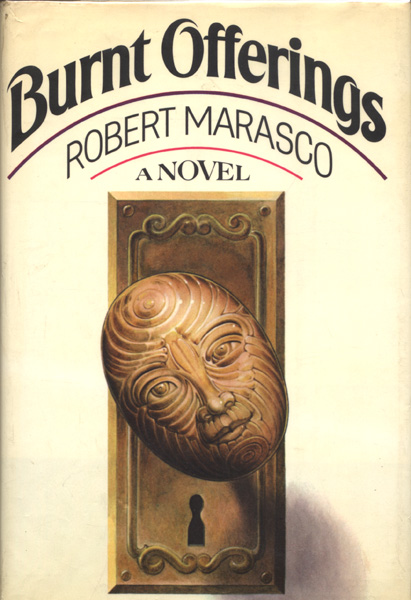
- Burnt Offerings
Robert Marascostandalone novel1973
similar byhorrornorth americacontemporaryeerietensemadness
Burnt Offerings is a 1973 American horror novel by Robert Marasco. Its plot follows a family who move into a summer home where each member is plagued by unusual experiences and personality changes. Published by Delacorte Press, the novel had originally been conceived as a screenplay before Marasco rewrote it into a novel. It was adapted into a film of the same name in 1976. The novel was reprinted in 2015 by Valancourt Press.
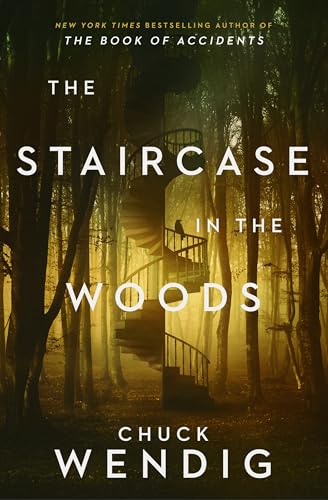
- The Staircase in the Woods
Chuck Wendigstandalone novel2025
similar byhorrornorth americacontemporaryeerietensefriendship
While on a camping trip, five high-schoolers bound by an oath to always protect one another discover something in the middle of the forest: a mysterious staircase to nowhere. One friend climbs up but does not come back down. Then the staircase disappears. Twenty years later it reappears, and the friends return to find the lost boy—and what lies beyond the staircase.
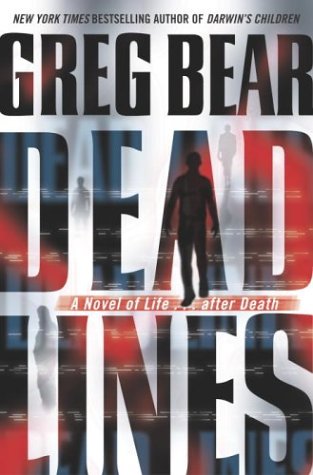
- Dead Lines
Greg Bearstandalone novel2004
similar byhorrorcontemporaryeeriemadnessnorth americaghost stories+1 more
From the flaps of the Ballantine first edition: "For the last two years, Peter Russell has mourned the death of one of his twin daughters - who was just ten when she was murdered. Recent news of his best friend's fatal heart attack has now come as another devastating blow. Divorced, despondent, and going nowhere in his career, Peter fears his life is circling the drain. Then Trans comes along. The brainchild of an upstart telecom company, Trans is (as its name suggests) a transcendent marvel, a sleek, handheld interpersonal communication device capable of flawless operation anywhere in the world, at any time. "A cell phone, but not" - transmitting with crystal clarity across a newly discovered, never-utilized bandwidth... and poised to spark a new-technology revolution. When its creators offer Peter a position on their team, it should be a golden opportunity for him. If only he wasn't seemingly going mad. Everywhere Peter turns, inexplicable apparitions are walking before him or reaching out in torment. After a chilling encounter with his own lost child he begins to grasp the terrifying truth: Trans is a Pandora's box that has tapped into a frequency not of this world... but of the next. And now, via this open channel to oblivion, the dead have gained access to the living. For Peter, and for humankind, a long shadowy night of the soul has descended, bringing with it the stuff of a horrifying nightmare from which they may never awaken."
- Monster
Christopher Pikestandalone novel1992
similar byhorrorcontemporarytensemadnessnorth americayoung adultsurvival+1 more
She said she killed them because they were monsters. Mary Blanc walked into the party with a loaded shotgun. In the blink of an eye she blew two people away. She wanted to kill more, but was stopped by her best friend, Angela Warner, and the police. The next day, when Angela visits Mary at the jail, she asks why she did it. Mary responds, "Because they were no longer human." Angela thinks she's crazy. At first. Until she probes deeper into Mary's claims and discovers a horror so unimaginable that she thinks she is going crazy. She even gets to the point where she wonders if she should have let Mary keep on killing. While there was still time to stop the thing from spreading. The very old thing. The hungry thing.
- Carrie
Stephen Kingstandalone novel1974
similar byhorrorcontemporarynorth americatense+1 more
In one way or another, everybody abused Carrie. This sixteen-year-old misfit was forbidden everything that was young and fun by her fanatical mother. She was teased and taunted by her classmates, misunderstood by her teachers, and given up as hopeless by almost everyone. But Carrie had a secret: She possessed terrifying telekinetic powers that could make inanimate objects move, a lighted candle fall, or a door lock. Carrie could make all kinds of startling bizarre, and malevolent things happen. (WorldCat)
- Desperation/Regulators
series2 books1996
similar byhorrornorth americacontemporarytensemadnesssurvival
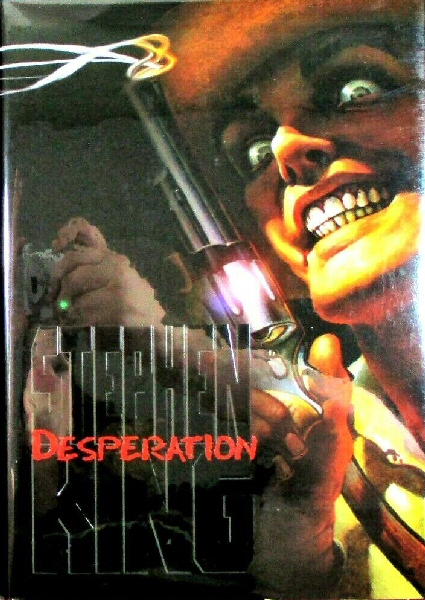
Stephen King published Desperation and The Regulators simultaneously in 1996, the first under his own name and the second under his Richard Bachman pseudonym. The two novels are mirror-universe companions: largely the same cast of characters appears in both, recast into different roles and circumstances, with each book's story driven by the same malevolent supernatural entity, Tak.
- Tighter
Adele Griffinstandalone novel2011
similar bynorth americacontemporaryhorroreerietensemadnessyoung adultghost stories
Based on Henry James's "The Turn of the Screw," tells the story of Jamie Atkinson's summer spent as a nanny in a small Rhode Island beach town, where she begins to fear that the estate may be haunted, especially after she learns of two deaths that occurred there the previous summer.
- The Harrowing
Alexandra Sokoloffstandalone novel2006
similar byhorrornorth americacontemporaryeerietensemadness
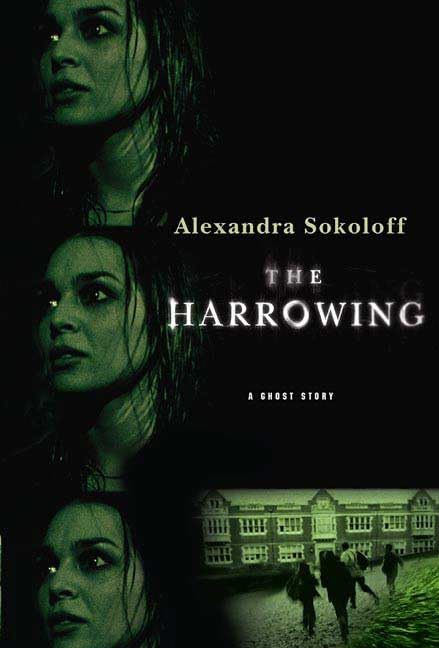
The Harrowing is a horror novel by American writer Alexandra Sokoloff. It was first published in 2006 by St. Martin's Press, and is the author's debut book, following a screenwriting career. According to Sokoloff's website, she was inspired to write the novel because of her experiences teaching to troubled teenagers in the Los Angeles County prison system. The Harrowing was nominated for the Bram Stoker Award for Best First Novel.
- Dreamcatcher
Stephen Kingstandalone novel2001
similar byhorrorcontemporarytensefriendshipnorth americasurvival
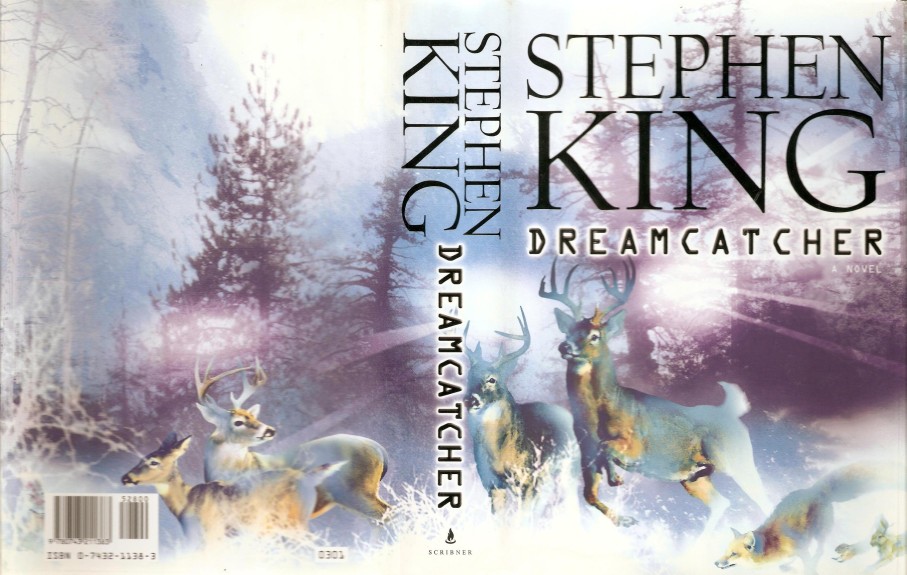
Dreamcatcher is a 2001 science fiction horror novel by American writer Stephen King, featuring elements of body horror, suspense and alien invasion. The book, written in longhand, helped the author recuperate from a 1999 car crash, and was completed in half a year. According to the author in his afterword, the working title was Cancer. His wife, Tabitha King, persuaded him to change the title. A film adaptation was released in 2003.
- Wait Till Helen Comes
Mary Downing Hahnstandalone novel1986
similar byhorrornorth americacontemporaryeerietenseghost stories+1 more
"Molly and Michael dislike their spooky new stepsister Heather but realize that they must try to save her when she seems ready to follow a ghost child to her doom." (source: Open Library.
- Later
Stephen Kingstandalone novel2021
similar byhorrornorth americacontemporaryeerietenseghost stories+1 more
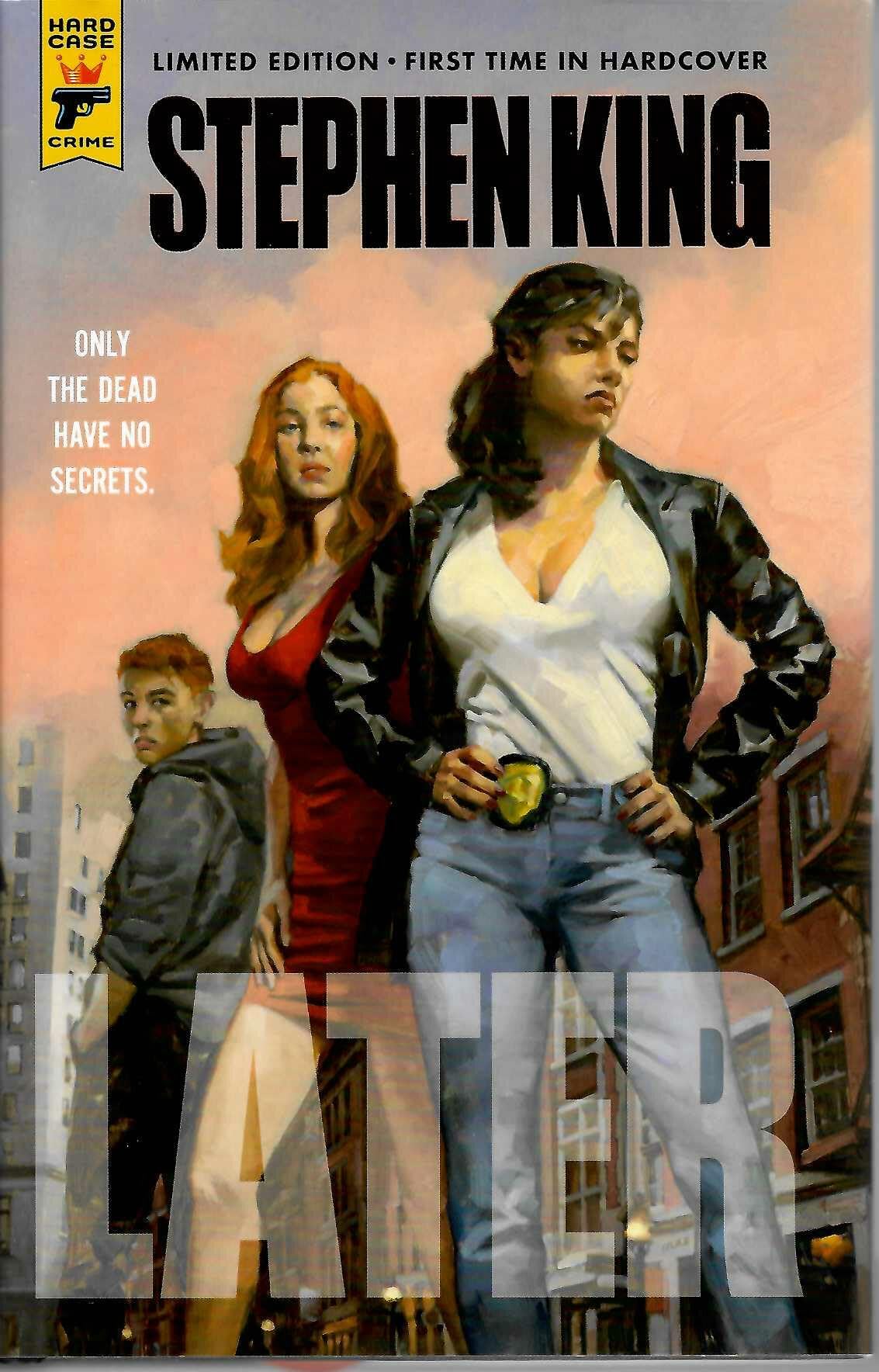
A young boy, with the power of seeing and talking with the recently deceased, and his single mother try to avoid personal and financial disasters.
- Sawkill Girls
Claire Legrandstandalone novel2018
similar byhorrornorth americacontemporaryeerietensefriendshipyoung adult
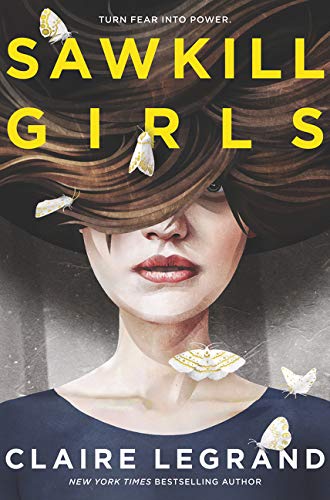
Beware of the woods and the dark, dank deep. He’ll follow you home, and he won’t let you sleep. Who are the Sawkill Girls? Marion: the new girl. Awkward and plain, steady and dependable. Weighed down by tragedy and hungry for love she’s sure she’ll never find. Zoey: the pariah. Luckless and lonely, hurting but hiding it. Aching with grief and dreaming of vanished girls. Maybe she’s broken—or maybe everyone else is. Val: the queen bee. Gorgeous and privileged, ruthless and regal. Words like silk and eyes like knives, a heart made of secrets and a mouth full of lies. Their stories come together on the island of Sawkill Rock, where gleaming horses graze in rolling pastures and cold waves crash against black cliffs. Where kids whisper the legend of an insidious monster at parties and around campfires. Where girls have been disappearing for decades, stolen away by a ravenous evil no one has dared to fight… until now.
- Misery
Stephen Kingstandalone novel1987
similar bynorth americacontemporaryhorrortensesurvival+1 more
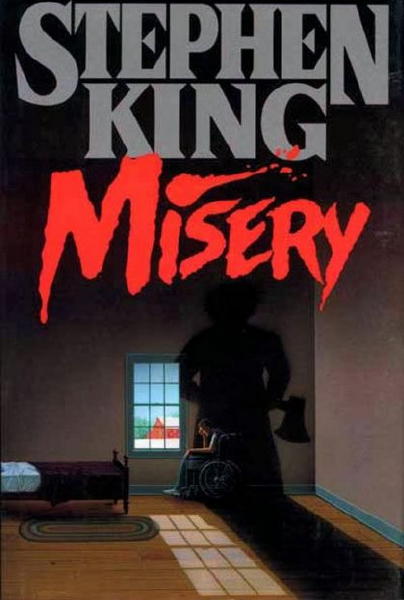
Novelist Paul Sheldon finishes the manuscript that will finally kill off Misery Chastain, the heroine who made his career, when a snowstorm sends his car off a Colorado road. He wakes with both legs shattered, in the care of Annie Wilkes, a former nurse and 'number one fan' with no intention of taking him to a hospital. Annie manages his pain with drugs he comes to depend on, and her moods swing between doting and violent. When she learns Misery doesn't survive his new manuscript, her reaction makes clear Paul isn't just her patient, he's her hostage. A Stephen King novel about a writer at his most devoted fan's mercy.
- The Waking Dark
Robin Wassermanstandalone novel2013
similar byhorrornorth americacontemporarytensemadnessyoung adultsurvival
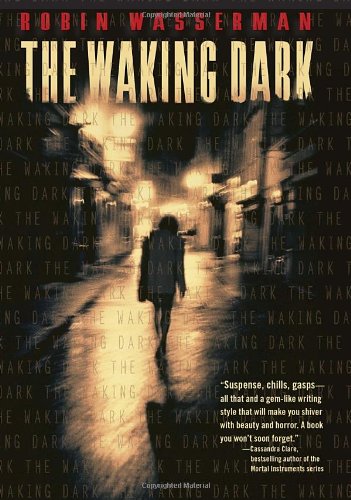
"After a series of suicide-killings and a deadly storm, the residents of the town of Oleander, Kansas, start acting even more strangely than would be expected. Only the 5 witnesses of the murders retain their sound minds, and must band together to save the town from whatever has come over it"-- After a series of suicide-killings in a small town, only five witnesses retain their sound minds and must band together. The plot contains profanity, sexual situations, graphic violence, references to pornography, and drug use.
- Near the Bone
Christina Henrystandalone novel2021
similar byhorrornorth americacontemporaryeerietensesurvival+1 more
Mattie can't remember a time before she and William lived alone on a mountain together. She must never make him upset. But when Mattie discovers the mutilated body of a fox in the woods, she realizes that they’re not alone after all. There's something in the woods that wasn’t there before, something that makes strange cries in the night, something with sharp teeth and claws. When three strangers appear on the mountaintop looking for the creature in the woods, Mattie knows their presence will anger William. Terrible things happen when William is angry.
- Asylum (Madeleine Roux)
series8 books2013
similar byhorrorcontemporarytensemadnessnorth americayoung adult+1 more
Asylum is a New York Times bestselling young adult horror novel series by Madeleine Roux. The series is composed of four novels, Asylum, Sanctum, Catacomb, and Escape from Asylum and three novellas: The Scarlets, The Bone Artists, and The Warden. The series features various twists and turns.
- Black Light
Patrick Melton, Marcus Dunstan & Stephen Romanostandalone novel2011
similar byhorrornorth americacontemporaryeerietenseghost stories+1 more
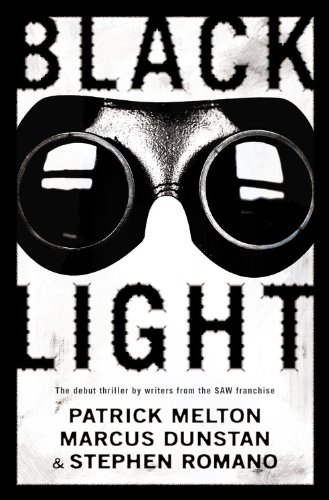
A psychic for hire, who disposes of malignant ghosts by absorbing them then excreting them, in the process experiences enhanced spiritual vision, the "Black light". He is hired by an enormously wealthy and powerful industrialist to defend the trial run of a bullet train from Los Angeles to Las Vegas, which passes through an area of the desert particularly notorious for powerfully evil ghost presences; the same area which took the lives of his father and mother when he was a child.
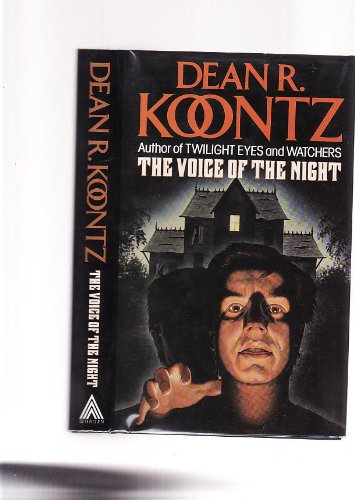
- The Voice of the Night
Dean R. Koontzstandalone novel1980
similar byhorrorcontemporarytensefriendshipmadnessnorth america
WorldCat: No one could understand why Colin and Roy were best friends. Colin was so shy; Roy was so popular. Colin was nervous around girls; Roy was a ladies' man. Colin was fascinated by Roy--and Roy was fascinated with death. Then one day Roy asked his timid friend, "You ever killed anything?" And from that moment on, the two were bound together in a game too terrifying to imagine...and too irresistible to stop.