More like Seacursed
anchored on:fantasysecondary world
but
- Dilvish
series13 books1965
completed
similar byfantasysecondary world+2 more
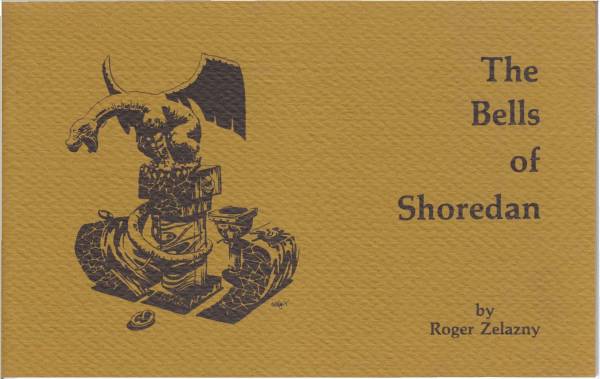
Centuries ago, the half-elf warrior Dilvish tried to stop a dark sorcerer named Jelerak from completing a terrible ritual, and paid for it by being turned to stone and having his soul cast into Hell. Roger Zelazny's Dilvish the Damned stories bring him back when the people he once protected need him again, reuniting him with his strange metal steed Black for a string of sword-and-sorcery adventures built around his long-delayed vengeance against Jelerak. The tales run as short, episodic quests rather than one continuous plot.
- Book of the Isle
series7 books1977
similar byfantasysecondary world
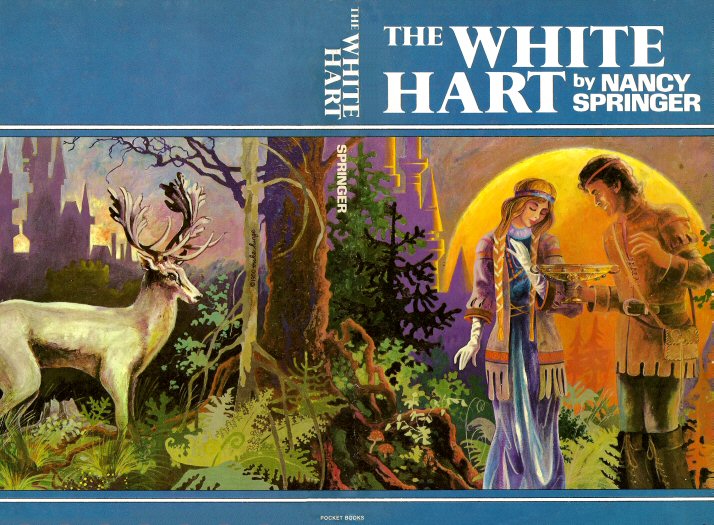
Nancy Springer's Book of Isle sequence is set in a kingdom ruled by Sun Kings who draw their authority from the Book of Suns, following blood brothers Hal and Alan as they're sent to hunt down the many forms an ancient evil takes across the land. Later volumes widen the cast and the kingdom's history while keeping the same mythic, quest-driven register. It's 1970s heroic fantasy built on chosen champions and inherited destiny.
- The Elric Saga
series72 books1961
part of Moorcock's Multiverse
similar byfantasysecondary world+1 more
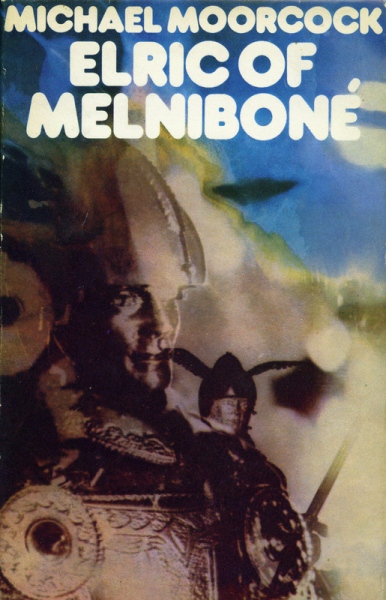
The Elric Saga is Michael Moorcock's sequence of sword-and-sorcery novels about Elric, the frail, sorcery-dependent last emperor of the ancient island empire of Melniboné, who abandons his throne to wander a violent, magic-soaked world carrying a sentient, soul-drinking black sword. Core entries such as Elric of Melniboné, The Sailor on the Seas of Fate, and Stormbringer trace his path toward a self-destructive destiny, and Elric was later folded into Moorcock's wider Eternal Champion multiverse, of which this saga is one strand.
- Earthsea Cycle
series18 books1964
completed
part of Earthsea
similar byfantasysecondary worldwizards
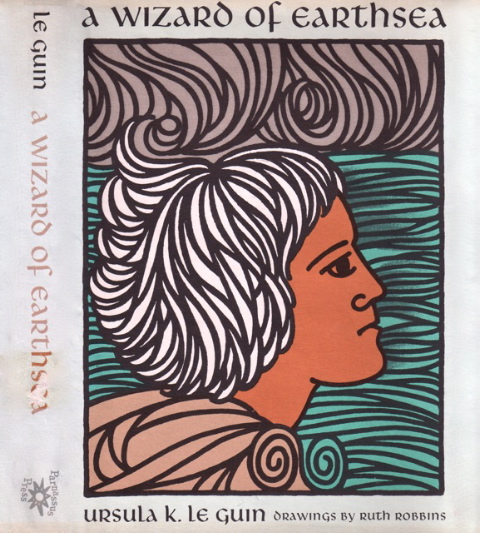
The Earthsea Cycle, also known as Earthsea, is a series of high fantasy books written by American author Ursula K. Le Guin. Beginning with A Wizard of Earthsea (1968), The Tombs of Atuan (1970), and The Farthest Shore (1972), the series was continued in Tehanu (1990), and Tales from Earthsea and The Other Wind. In 2018, all the novels and short stories were published in a single volume, The Books of Earthsea: The Complete Illustrated Edition, with artwork by Charles Vess.
- The Old Kingdom / Abhorsen milieu
series11 books1995
similar byfantasysecondary world+1 more
The Old Kingdom, or Abhorsen in North America and the UK, is a fantasy series written by Australian author Garth Nix. It originated in 1995 with the novel Sabriel and has continued in the novels Lirael (2001), Abhorsen (2003), Goldenhand (2016), and Terciel & Elinor (2021), as well as a prequel novel titled Clariel (2014). The Old Kingdom also consists of the novella The Creature in the Case (2005) and various other short fiction.
- Narnia
series26 books1950
part of Narnia Universe
similar byfantasysecondary world
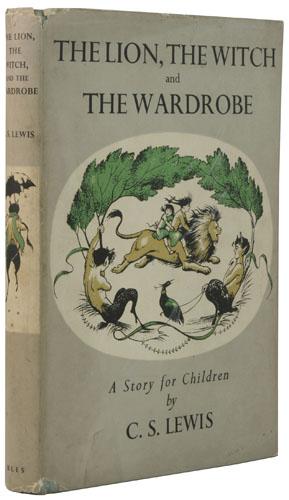
The Chronicles of Narnia is a series of seven portal fantasy novels by British author C. S. Lewis. Illustrated by Pauline Baynes and originally published between 1950 and 1956, the series is set in the fictional realm of Narnia, a fantasy world of magic, mythical beasts, and talking animals. It narrates the adventures of various children who play central roles in the unfolding history of the Narnian world. Except in The Horse and His Boy, the protagonists are all children from the real world who are magically transported to Narnia, where they are sometimes called upon by the lion Aslan to protect Narnia from evil. The books span the entire history of Narnia, from its creation in The Magician's Nephew to its eventual destruction in The Last Battle.
- Nightseer
series5 books1989
similar byfantasydarksecondary world
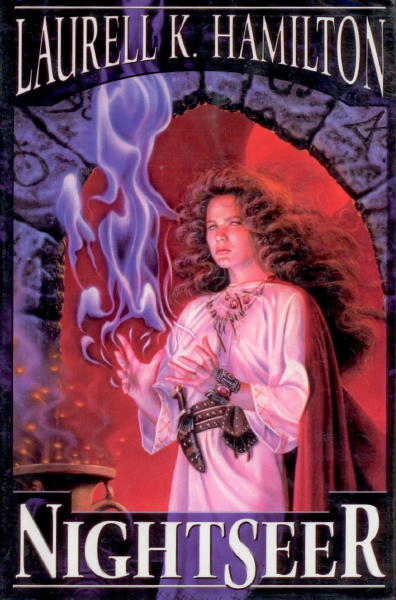
Laurell K. Hamilton's Nightseer (1992) follows Keleios, a half-elf seeking vengeance for her mother's murder, who is granted extraordinary powers along with a dangerous 'demonmark' that risks opening her to dark magic. A standalone fantasy adventure, it predates Hamilton's better-known Anita Blake and Merry Gentry series.
- A Court of Thorns and Roses
series6 books2015
similar byfantasysecondary world+1 more
A Court of Thorns and Roses is a fantasy romance series by American author Sarah J. Maas, which follows the journey of 19-year-old Feyre Archeron after she is brought into the faerie lands of Prythian. The first book of the series, A Court of Thorns and Roses, was published in May 2015. The series centers on Feyre's adventures across Prythian and the faerie courts, following the epic love story and fierce struggle that ensues after she enters the fae lands. The series has sold over 13 million copies. There are currently five novels in the series, with the sixth scheduled to release on October 27, 2026, and the seventh on January 12, 2027. An eighth installment is set to conclude the continuous story told across books six, seven and eight.
- Winterlands
series7 books1986
similar byfantasysecondary world+2 more
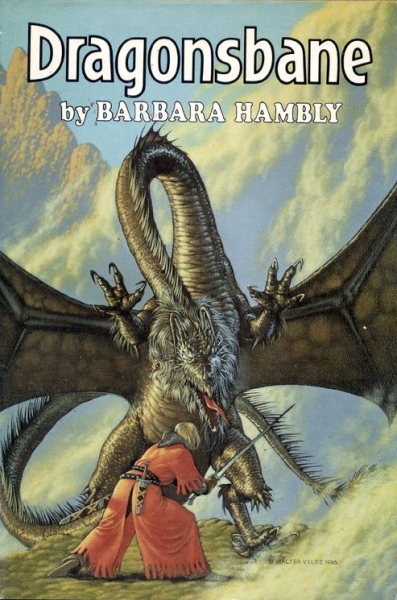
Winterlands follows John Aversin, a practical, unglamorous dragon-slayer, and Jenny Waynest, the self-taught village witch he loves, as their small corner of a forgotten kingdom keeps getting dragged into magic far bigger than either of them wanted. Barbara Hambly's series opens with Dragonsbane (1985), which deliberately undercuts the 'brave knight slays dragon' story it seems to promise, and continues across Dragonshadow, Knight of the Demon Queen, and Dragonstar as Jenny pursues real magical training. It favors domestic detail and moral complexity over conventional high-fantasy grandeur.
- The Riftwar Universe
universe44 books1982
Start hereRiftwar Saga · Start here
similar byfantasysecondary world
On the world of Midkemia a tear opens in the air itself, a rift hung between stars, and through it march the armies of an empire from another world entirely. So begins the chronicle Raymond E. Feist has kept for three decades: the tale of Pug, a castle kitchen boy apprenticed to a magician on the very day the invasion lands, and of Tomas, his friend, who inherits the armor and the ancient fury of a dead dragon-lord. Around these two the Riftwar Cycle turns, widening book by book from one besieged frontier keep into the whole history of a world of kingdoms, guilds, thieves' dens and mage-towers. The cycle runs to roughly thirty novels, gathered into arcs a newcomer can enter and finish on their own. The founding Riftwar Saga (Magician, Silverthorn, A Darkness at Sethanon) sets the board; the Serpentwar Saga, Krondor's Sons and the Conclave of Shadows carry the story down the generations; the Darkwar, Demonwar and Chaoswar sagas bring it toward its close. Crossing the rift to the rival world of Kelewan, Feist and Janny Wurts wrote the Empire trilogy, opening with Daughter of the Empire, a court intrigue told wholly from the invaders' side and for many the finest thing here. Shorter Legends of the Riftwar and the game-born Riftwar Legacy fill the corners; later still, Feist opens an altogether new world in the Firemane books. Feist writes fantasy in its most companionable key: apprentices who grow into archmages, tavern boys who become spies and dukes, a world you return to the way you return to an old inn. The mood is adventure before dread, friendship and rank and hard-won craft, wars that cost something, all of it rendered plainly and at a gallop. Begin where it began, with Magician, then follow the arcs in the order they were written, and the rift will carry you the rest of the way.
- Prospero and Roger Bacon
series2 books1969
completed
similar byfantasydarksecondary worldwizards
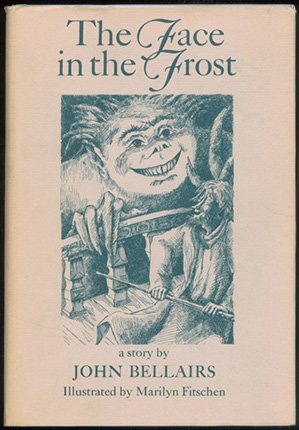
The Face in the Frost, John Bellairs's only adult fantasy novel, follows two aging wizards, Prospero and Roger Bacon, as they track down a rising magical evil that has started to unravel the world around them. Ursula K. Le Guin praised how quickly the book tips from whimsy into genuine nightmare and back; it stands alone rather than launching a series, unlike the children's books Bellairs is now best known for.
- Howl's Castle
series3 books1986
completed
similar byfantasysecondary world+2 more
Howl's Moving Castle (1986) follows Sophie Hatter, cursed by the Witch of the Waste into an old woman's body, who takes refuge in the wandering castle of the wizard Howl and strikes an uneasy bargain with his fire demon Calcifer while trying to break the spell. Diana Wynne Jones returned to the same magical kingdom in Castle in the Air (1990), following a new lead character, Abdullah, with Sophie and Howl appearing in supporting roles, and again in House of Many Ways (2008).
- Darwath
series7 books1982
similar bydarkfantasysecondary world+1 more
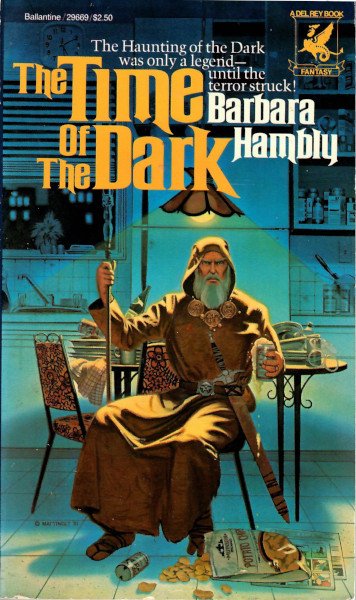
Darwath begins with two modern-day Californians pulled through a portal into a dying medieval world under siege from the Dark, shape-shifting monsters that hunt by night and are driving civilization underground. The Time of the Dark, The Walls of Air, and The Armies of Daylight make up the original trilogy; Barbara Hambly returned to the same characters decades later in Mother of Winter and Icefalcon's Quest. It's portal fantasy built around practical, unglamorous survival rather than chosen-one heroics.
- Shannara
universe50 books1977
Start hereWord and the Void · The very beginning of the timeline
similar byfantasysecondary world
Long after the world we know has burned itself to slag in the Great Wars, the Four Lands rise green over the bones of the old age. Science is a forbidden memory; magic has come back into the world, and with it the old divisions — Men, Elves, Dwarves, Trolls, and Gnomes, each Race a splinter of what humanity became. This is the far-future Earth of Shannara, where the ruins buried beneath the soil are ours, and the only keepers of the vanished knowledge are the Druids of Paranor, who wake once a generation to meet the darkness rising again. Terry Brooks opened the Four Lands in 1977 with The Sword of Shannara and has charted its history for four decades since — a legendarium ordered not by throne but by a single bloodline, the Ohmsfords, each generation inheriting an Elfstone, a blade, or a wishsong when the age demands a hero. The original trilogy gives way to the Heritage of Shannara, the Voyage of the Jerle Shannara, the High Druid, Dark Legacy, Defenders, and the concluding Fall of Shannara; the Genesis of Shannara books reach back to the apocalypse itself, and the Word and the Void trilogy back further still, into a demon-haunted version of our own present that is the root of everything after. In 2025 Brooks passed the histories to Delilah S. Dawson to carry forward. What sets these books apart is their long memory: a world where every triumph is provisional, where the same evil returns wearing a fresh shape each age, and magic always exacts its price. The reading is warm and headlong — questing companies, old talismans, journeys across a mapped and named wilderness — shadowed by the knowledge that all of it stands on the wreckage of a former world. Enter as readers first did: with The Sword of Shannara, then onward in publication order. The chronological path, beginning with Word and the Void, rewards a second journey, once the Four Lands already feel like home.
- Sun Wolf and Starhawk
series7 books1984
similar byfantasysecondary worldwizards+1 more
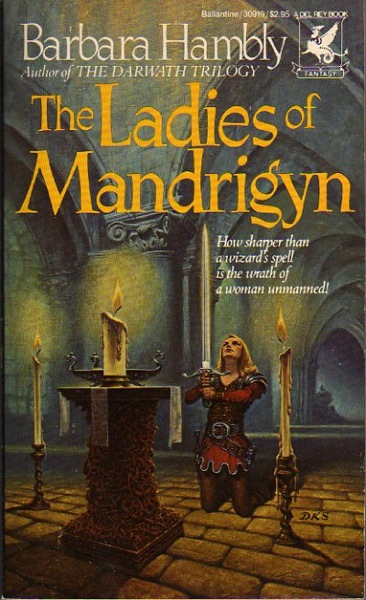
Barbara Hambly's series begins with the city of Mandrigyn conquered and its men enslaved in the mines of the wizard-king Altiokis, forcing surviving noblewoman Sheera Galernas to kidnap the mercenary captain Sun Wolf and press him into training the city's women as fighters. Sun Wolf's partnership with his lieutenant Starhawk carries across The Ladies of Mandrigyn, The Witches of Wenshar, and further volumes as both are drawn deeper into magic neither originally wanted.
- Forgotten Realms
universe526 books1987
Start hereForgotten Realms: The Legend of Drizzt · Start here
similar byfantasysecondary world
Come in from the cold and mind the door — the wind off the Sword Coast has teeth. Faerûn is a lived-in world, the best-charted of the many lands that share the sky of Toril: a continent of walled cities and haunted wilds where the gods are near enough to answer, magic is a craft with rules and a cost, and every tavern hearth throws light on someone with a blade, a grudge, or a tale worth the telling. Beneath it all lies the Underdark, that black underland where the drow raise their spider-city of Menzoberranzan; above, the merchant towers of Waterdeep, the frost of Icewind Dale, the ruin-strewn North. This is the sword-and-sorcery world of Dungeons & Dragons rendered into prose — grand, generous, and endlessly walkable. It is a world of many hands, and the shelf shows it: some five hundred novels across eighty-odd cycles, uneven as any long telling but rich past counting. R. A. Salvatore's dark-elf ranger Drizzt Do'Urden anchors the whole — the Icewind Dale and Dark Elf trilogies and the long saga that follows. Ed Greenwood, who first dreamed the Realms, chronicles the Old Mage in the Elminster books. Around them turn the god-walking Avatar cycle and its Time of Troubles, the six-author War of the Spider Queen, Salvatore's Cleric Quintet, and Elaine Cunningham's elf-and-drow songs; Troy Denning and a company of others fill the marches between. What holds it together is warmth — the register of a bard who wants you fed and seated before the tale turns. Newcomers should follow Drizzt first: read Homeland and the Dark Elf trilogy for his beginning, or The Crystal Shard as first readers met him. Either door opens the Realms; the other eighty cycles wait past it.
- The Hobbit
series2 books1937
completed
part of Tolkien's legendarium
similar byfantasysecondary world+1 more
The Hobbit (1937) is J. R. R. Tolkien's children's fantasy novel following the reluctant burglar Bilbo Baggins, who joins a company of dwarves and the wizard Gandalf on a journey to reclaim treasure guarded by the dragon Smaug. It stands as a complete adventure on its own, but shares its setting with the rest of Tolkien's legendarium and leads into the events of The Lord of the Rings.
- Halfblood Chronicles
series3 books1991
similar byfantasysecondary worldwizards
The Halfblood Chronicles is a series of fantasy books originally written by Andre Norton and Mercedes Lackey. The series is set in a mystical world of elves, wizards and dragons. The series was originally released by Tor Books, and comprised three books: Elvenbane (1991), Elvenblood (1995), Elvenborn (2002). Elvenbred, the fourth book in the series, remained unfinished due to the death of Andre Norton.
- Russian / Jewish Fairy Tales Retold
series4 books2015
similar byfantasysecondary world+2 more
Naomi Novik's Uprooted and Spinning Silver are two standalone fantasy novels rather than a continuing series, each reworking a different fairy tale: Uprooted follows village girl Agnieszka after the wizard known as the Dragon discovers her hidden magic, as they battle a malevolent, encroaching forest; Spinning Silver reworks Rumpelstiltskin into the story of a Jewish moneylender's daughter, Miryem, whose boast of turning silver to gold draws the attention of the Staryk, fae beings of eternal winter, in a kingdom besieged by both frost and a demon-possessed tsar. The two books share no characters or setting, only Novik's method of building a novel around one inherited folk tale.
- Thrice Bound
Roberta Gellisstandalone novel2001
similar byfantasydarksecondary worldwizardscurses
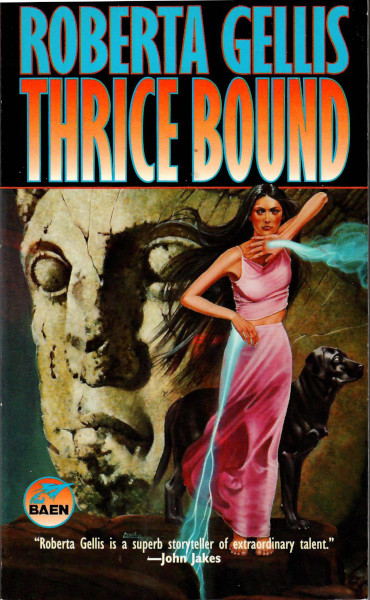
Hekate's father is the most powerful mage in Ka'anan, so when he commands her to murder the queen of Byblos and marry the king, she must obey or flee. When she learns from the seer Dionysos, who she had bound herself to protect when he was an infant, that her father has summoned an otherworldly being to bespell her, she flees to the Caves of the Dead, where her father's magic is powerless. But the Caves are barred by a spell of terror and revulsion. Enraged by her agony, Hekate swears she will punish her father - and is twice bound. Before despair destroys her, Kabeiros rescues her by breaking the terrible spell, but Hekate cannot remain in the Caves. Unsatisfied, her bindings will kill her, and she must learn new magic far from her father's influence to loose them. Yet when she learns that Kabeiros cannot accompany her because he changes into a black dog if he leaves the Caves, Hekate swears to free him from his curse - and is thrice bound. (from the back cover of the Baen Books first edition)
- Dragon Trilogies
series6 books1988
similar byfantasysecondary world
The Dragon Prince and Dragon Star trilogies comprise six connected fantasy novels written by Melanie Rawn. The Dragon Prince trilogy focuses on Prince Rohan of the Desert and his Sunrunner wife, Sioned, while the Dragon Star trilogy focuses on their son, Pol. The Dragon Prince trilogy consists of novels Dragon Prince, The Star Scroll, and Sunrunner's Fire. The books in the Dragon Star trilogy are Stronghold, The Dragon Token, and Skybowl.
- Magic Goes Away
series22 books1969
similar byfantasysecondary world+1 more
The Magic Goes Away began as a Larry Niven novella imagining a prehistoric Earth where magic is a finite, minable resource — an explicit response, by Niven's own account, to the 1973 oil shock — in which sorcerers who draw too hard on the world's dwindling mana bring on catastrophe. Niven opened the setting to other writers for follow-up anthologies (The Magic May Return, More Magic) and let Fred Saberhagen write a solo novel in it, The Time of the Warlock, making it a shared-world series about the last age of magic rather than one continuous story.