More like Something Grave
but
- Dream Cycle
series26 books1919
similar byeerie+1 more
The Dream Cycle is a series of short stories and novellas by author H. P. Lovecraft (1890–1937). Written between 1918 and 1932, they are about the "Dreamlands", a vast alternate dimension that can only be entered via dreams. The Dreamlands are described as lying deeper than space, matter and time, and are a "limitless vacua beyond all thought and entity".
- Earthsea Cycle
series18 books1964
completed
part of Earthsea
similar byfantasysecondary world
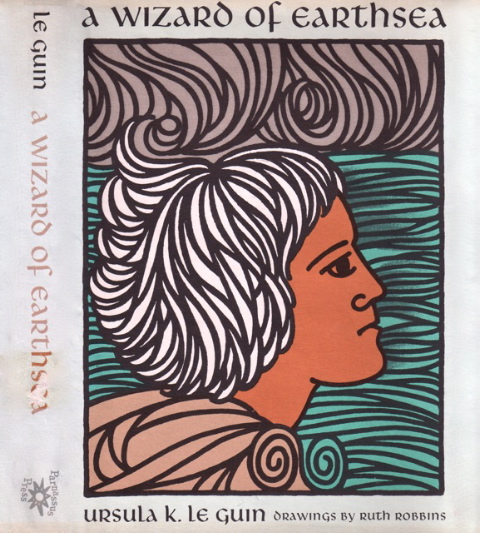
The Earthsea Cycle, also known as Earthsea, is a series of high fantasy books written by American author Ursula K. Le Guin. Beginning with A Wizard of Earthsea (1968), The Tombs of Atuan (1970), and The Farthest Shore (1972), the series was continued in Tehanu (1990), and Tales from Earthsea and The Other Wind. In 2018, all the novels and short stories were published in a single volume, The Books of Earthsea: The Complete Illustrated Edition, with artwork by Charles Vess.
- The Old Kingdom / Abhorsen milieu
series11 books1995
similar byfantasysecondary world+2 more
The Old Kingdom, or Abhorsen in North America and the UK, is a fantasy series written by Australian author Garth Nix. It originated in 1995 with the novel Sabriel and has continued in the novels Lirael (2001), Abhorsen (2003), Goldenhand (2016), and Terciel & Elinor (2021), as well as a prequel novel titled Clariel (2014). The Old Kingdom also consists of the novella The Creature in the Case (2005) and various other short fiction.
- A Song of Ice and Fire
series14 books1996
part of World of Ice and Fire
similar byfantasysecondary worlddark
A Song of Ice and Fire is a series of high fantasy novels by the American author George R. R. Martin. Martin began writing the first volume, A Game of Thrones, in 1991, and published it in 1996. Martin, who originally envisioned the series as a trilogy, has released five out of seven planned volumes. The most recent entry in the series, A Dance with Dragons, was published in 2011. Since then, Martin has been working on the sixth novel, titled The Winds of Winter. A seventh novel, A Dream of Spring, is planned to follow.
- Stephen King multiverse
universe46 books1967
Start hereThe Gunslinger · Start here
similar bydark+2 more
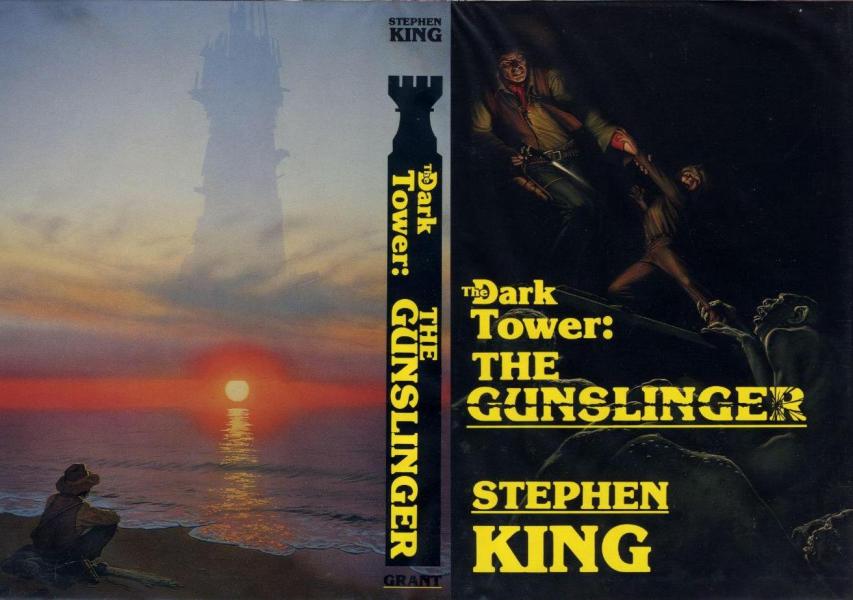
The man in black fled across the desert, and the gunslinger followed. So begins the long walk of Roland Deschain, last of an order of knight-errant pistoleers, across a land that has "moved on" — where the compass points drift, dead machines rot toward sentience, and the weave of what's real wears thin. His quest is the Dark Tower itself: a spire standing at the hub of every world that exists, the linchpin that holds all of them back from ruin. Roland's road runs eight volumes, from The Gunslinger through the closing Dark Tower, with the later, interleaved tale The Wind Through the Keyhole folding a story-within-a-story back into his youth. Along the way he draws a ka-tet — a fellowship bound by fate, not choosing — through doorways between worlds: a heroin-shackled New Yorker, a woman of two minds, a boy who dies twice. The Tower is also the secret axle around which the wider shelf of King's work turns; threads from The Stand, 'Salem's Lot and beyond wind quietly toward it. Expect a mongrel of Western, high fantasy, horror and decayed science fiction, told in a dusty, incantatory dialect all its own — ka, thankee-sai, the world that has moved on. This is King at his most mythic and most personal, a decades-spanning circle that rewards a patient reader. Begin at the beginning: The Gunslinger, then walk forward in publication order. There are other worlds than these — but this door opens first.
- Narnia
series26 books1950
part of Narnia Universe
similar byfantasysecondary world
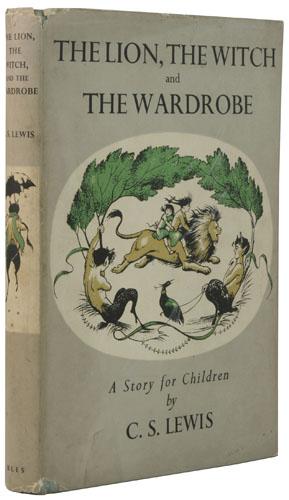
The Chronicles of Narnia is a series of seven portal fantasy novels by British author C. S. Lewis. Illustrated by Pauline Baynes and originally published between 1950 and 1956, the series is set in the fictional realm of Narnia, a fantasy world of magic, mythical beasts, and talking animals. It narrates the adventures of various children who play central roles in the unfolding history of the Narnian world. Except in The Horse and His Boy, the protagonists are all children from the real world who are magically transported to Narnia, where they are sometimes called upon by the lion Aslan to protect Narnia from evil. The books span the entire history of Narnia, from its creation in The Magician's Nephew to its eventual destruction in The Last Battle.
- Gormenghast
series6 books1946
completed
similar byfantasysecondary worlddark+1 more
Gormenghast is a fantasy series by British author Mervyn Peake, about the inhabitants of Castle Gormenghast, a sprawling, decaying, Gothic structure. Originally conceived as a single on-going novel, the series was ended by Peake's death and comprises three novels: Titus Groan (1946), Gormenghast (1950) and Titus Alone (1959); and a novella, Boy in Darkness (1956). Peake was writing a fourth novel, Titus Awakes, at the time of his death in 1968. The book was completed by Peake's widow Maeve Gilmore in the 1970s, but was not published until 2011 after it was discovered by their family.
- Malazan Book of the Fallen
series20 books1999
part of Malazan
similar byfantasysecondary worlddark
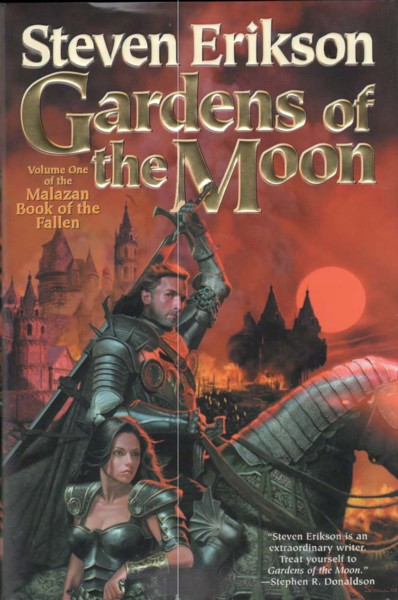
The Malazan Book of the Fallen is a series of epic fantasy novels written by the Canadian author Steven Erikson. The series, published by Bantam Books in the U.K. and Tor Books in the U.S., consists of ten volumes, beginning with Gardens of the Moon (1999) and concluding with The Crippled God (2011). Erikson's series presents the narratives of a large cast of characters spanning thousands of years across multiple continents.
- Malazan
universe36 books1999
Start hereMalazan Book of the Fallen · Start here
similar bysecondary worlddark+1 more
Pity the historian who tries to map this world; pity more the god who thinks he rules it. The Malazan Empire marches across continents on the boots of its common soldiers, and above them move Ascendants — mortals grown into something like gods, and gods worn thin as old coin. Magic is drawn from Warrens, roads of power threaded through reality; the dead keep their grudges; and every empire, however vast, is a wager against time. This is epic fantasy told from the mud, where a sapper cracking a joke weighs as much as an immortal settling a feud older than the human race. The world began as a tabletop campaign two friends built in the 1980s, and it still moves by two hands. Steven Erikson's ten-volume Malazan Book of the Fallen is the spine — Gardens of the Moon, Deadhouse Gates, Memories of Ice, on through The Crippled God — each book a near-standalone campaign that only later reveals how it locks together. Ian C. Esslemont walks the same years from a different vantage in his Novels of the Malazan Empire (Night of Knives, Return of the Crimson Guard onward). Around them stand the prequels: Erikson's Kharkanas Trilogy, archaic and elegiac, chronicling a doomed elder people, and Esslemont's brisker Path to Ascendancy, following two adventurers before they became legends. Erikson's Witness sequence carries the tale forward, and novellas of the genial necromancers Bauchelain and Korbal Broach supply the gallows comedy. Nothing is explained to you; comprehension is earned, and that is the pleasure. The themes run deep — compassion set against cruelty, the toll empires charge, civilizations that fall and are mourned. Begin where the saga does, with Erikson's Gardens of the Moon, and read the ten in publication order; the prequels are for the already-initiated. Trust that confusion is the price of entry.
- Tales from the Sinister City
series4 books2007
similar byfantasysecondary world+2 more
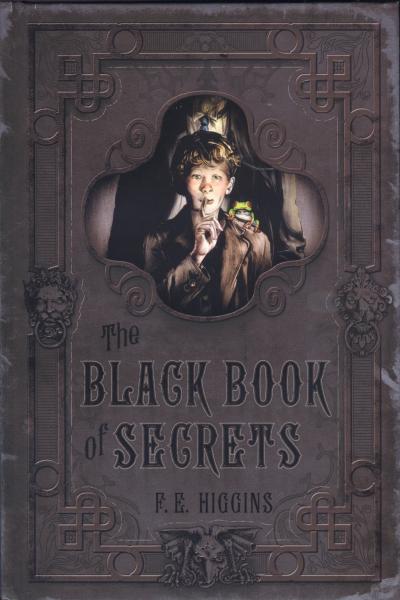
F. E. Higgins's four Sinister City novels, opening with the Bisto Honour-winning The Black Book of Secrets, follow a rotating cast of apprentices, runaways, and pawnbrokers through a fog-bound, Victorian-flavored world built on secrecy and betrayal. Each book stands as its own dark, fairy-tale-style mystery rather than continuing a single plot, unified by setting and tone more than by recurring characters. Higgins, an Irish children's author, writes in a tradition closer to gothic fable than epic fantasy.
- The Night Land
series5 books1912
similar by+4 more
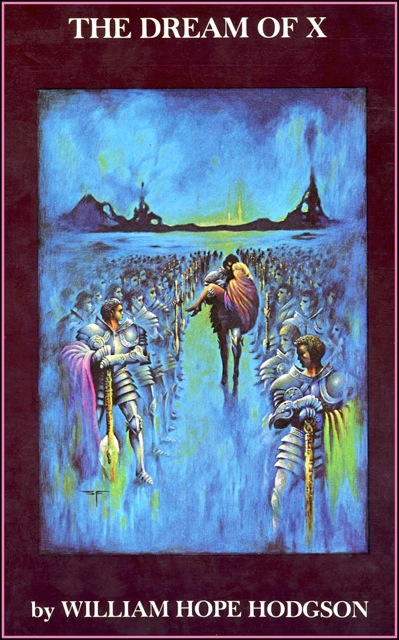
The Night Land is William Hope Hodgson's 1912 novel, set in an unimaginably distant future after the sun has died, where the last of humanity shelters inside a colossal pyramid called the Last Redoubt against unseen things that hunt in the surrounding dark. Framed as a seventeenth-century narrator's vision of that future, the story follows his far-future self on a journey out into the night to find a woman he believes is his lost love reincarnated. James Stoddard later produced The Night Land, A Story Retold (2011), a modernized retelling that adds conventional dialogue and character names to make Hodgson's dense, archaic prose more approachable.
- The Wardstone Chronicles (UK) / The Last Apprentice (US)
series18 books2004
completed
part of Spook's Universe
similar bydark+2 more
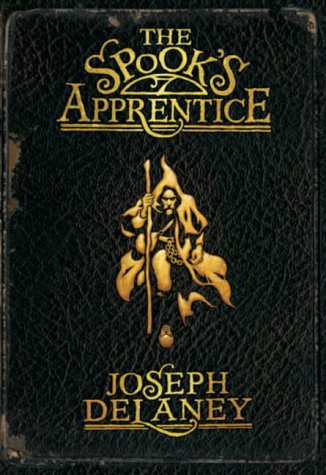
Spook's, published as The Last Apprentice in the United States, is a children's dark fantasy series by the English author Joseph Delaney. It is published by imprints of Penguin Random House in the United Kingdom and HarperCollins in the United States. The series has been published in 30 countries, with sales exceeding 4.5 million copies. It began in 2004 with The Spook's Apprentice, which was later adapted as a play script, a feature film titled Seventh Son, and a French graphic novel.
- New Crobuzon
series4 books2000
similar byfantasysecondary worlddark+1 more
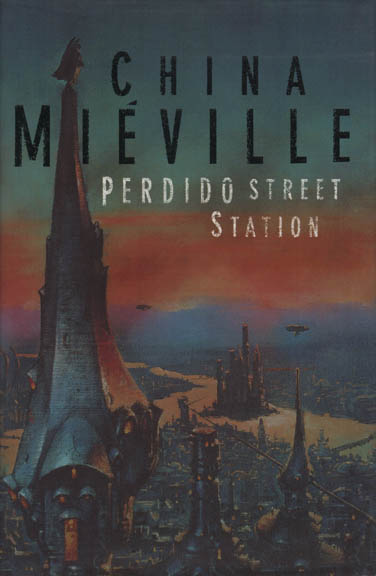
The New Crobuzon books are three standalone novels by China Miéville set in and around New Crobuzon, a vast, corrupt industrial city in his invented world of Bas-Lag where magic, biopunk technology, and several sentient species coexist. Perdido Street Station follows a renegade scientist and his lover after an experiment unleashes something monstrous on the city, while The Scar and Iron Council return to the same setting with different casts and only loose continuity between books.
- Dominion of the Fallen
series16 books2015
similar bydark+1 more
The House of Shattered Wings opens Aliette de Bodard's Dominion of the Fallen in a Paris devastated by a magical war between rival Houses of fallen angels, its streets and ruins still haunted by the fighting. The series follows uneasy alliances within House Silverspires as its members contend with old secrets and Annamese magic traditions colliding with European angelic power politics. It continues across further novels and a number of shorter linked stories.
- Tales of the Flat Earth
series14 books1978
completed
similar byfantasysecondary worlddark+1 more
Tales from the Flat Earth is a fantasy series by British writer Tanith Lee. The novels take inspiration from One Thousand and One Nights and are similarly structured as interconnected stories. The series has been well received, and Death's Master, the second book in the series, won the British Fantasy Award for Best Novel in 1980.
- Ambergris
series20 books1996
similar byfantasysecondary world+1 more
Ambergris is the fictional, fungus-ridden city Jeff VanderMeer uses as the throughline for a loosely connected cycle of increasingly strange fiction, beginning with the linked stories of City of Saints and Madmen. Shriek: An Afterword recasts the city's history through a historian's biography of her artist brother's disappearance into its underground; Finch turns to a hardboiled detective investigating a murder after the city's balance of power has shifted. Each book changes form and narrator, using the setting itself as the connective tissue rather than a continuing plot.
- The Iron Dragon's Daughter
series3 books1993
similar bydark+2 more
The Iron Dragon's Daughter follows Jane, a human changeling enslaved in a factory that builds part-mechanical, part-magical dragons used as war machines, in a Faerie that runs on industrial-age technology as much as spellcraft. Michael Swanwick wrote it as a deliberately recursive, spiral narrative rather than a straight line, and returned to the same colliding fantasy-industrial world, though not the same plot, in The Dragons of Babel and The Iron Dragon's Mother. The three books share a setting and sensibility more than a continuing story.
- Dragon King (Stephen R. Lawhead)
series3 books1982
similar bysecondary world+1 more
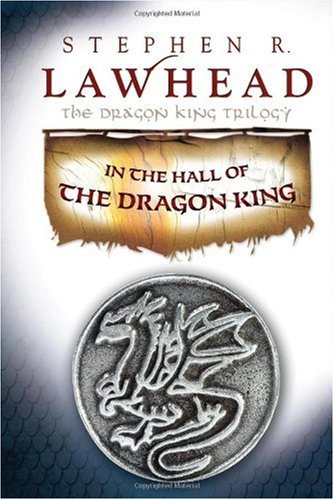
Stephen Lawhead's Dragon King trilogy opens with young temple acolyte Quentin sheltering a dying knight who begs him to carry on a quest to protect the Dragon King's realm of Mensandor. In the Hall of the Dragon King, The Warlords of Nin, and The Sword and the Flame follow Quentin's growth from reluctant helper into a central figure of the kingdom's fate, in a fantasy world shaped by Lawhead's Christian themes.