More like Spitwrite
anchored on:science fictionshort story cyclenear future
but
- Hitchhiker's Guide to the Galaxy
series16 books1979
part of The Hitchhiker's Guide to the Galaxy Universe
similar byscience fictionfunnyspacefar future+3 more
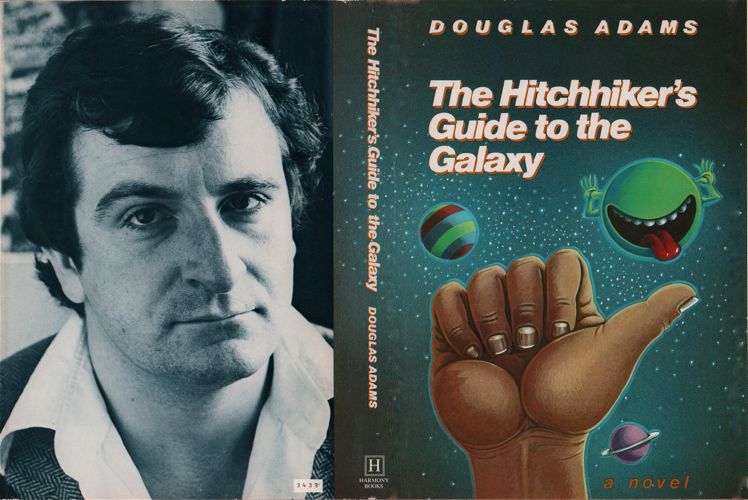
The Hitchhiker's Guide to the Galaxy is a comedy science fiction franchise created by Douglas Adams. Originally a radio sitcom broadcast over two series on BBC Radio 4 between 1978 and 1980, it was soon adapted to other formats, including both novels and comic books, a 1981 BBC television series, a 1984 text adventure game, stage shows and a 2005 feature film.
- The Android's Dream
series2 books2006
similar byscience fictionfunnynear futurespaceartificial intelligencealiensother star systemsadventurous+1 more
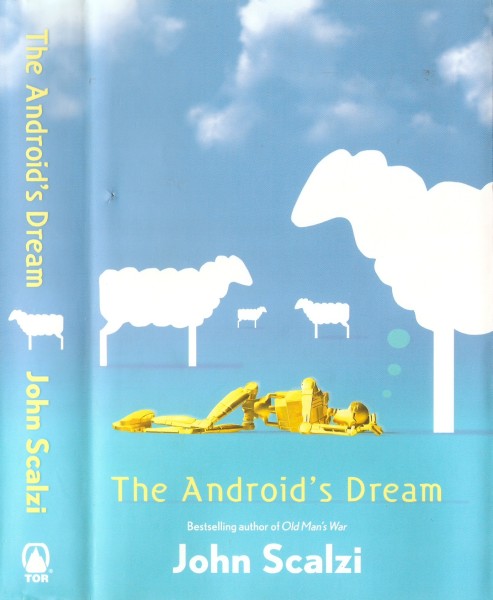
A minor diplomatic insult with a genetically engineered sheep breed spirals into a full interstellar crisis when the last surviving specimen of the 'Android's Dream' breed, needed for a critical ceremony with the alien Nidu, turns out to have been hunted to extinction by a Nidu faction bent on provoking war. John Scalzi's The Android's Dream follows ex-soldier Harry Creek as the hunt for a replacement leads him to Robin Baker, an ordinary woman carrying hidden sheep DNA that makes her the key to avoiding a war. It's a standalone comic space opera rather than an ongoing series.
- Culture
series15 books1987
completed
part of The Culture
similar byscience fictionartificial intelligencefar future+4 more
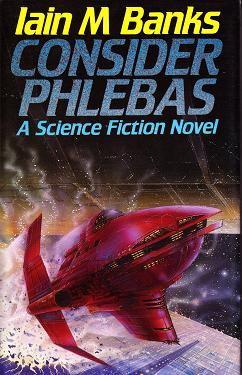
The Culture series is a science fiction series written by Scottish author Iain M. Banks and released from 1987 until 2012. The stories centre on The Culture, a utopian, post-scarcity space society of humanoid aliens and advanced superintelligent artificial intelligences living in artificial habitats spread across the Milky Way galaxy. The main themes of the series are the dilemmas that an idealistic, more-advanced civilization faces in dealing with smaller, less-advanced civilizations that do not share its ideals, and whose behaviour it sometimes finds barbaric. In some of the stories, action takes place mainly in non-Culture environments, and the leading characters are often on the fringes of the Culture, sometimes acting as agents of the Culture in its plans to civilize the galaxy. Each novel is a self-contained story with new characters, although reference is occasionally made to the events of previous novels.
- Ocean / Galactic Center
series12 books1972
similar byscience fictionaliensfar future+5 more
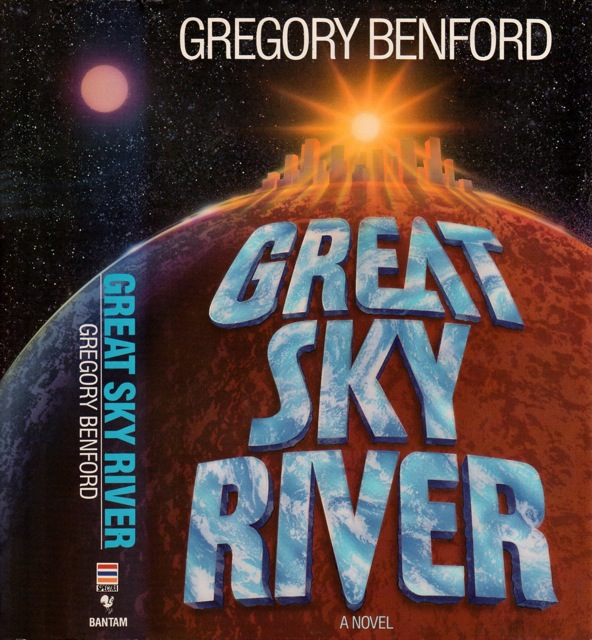
The Galactic Center Saga is a series of books by author Gregory Benford detailing a galactic war between mechanical and biological life.In the Ocean of Night (1977) — 1977 Nebula Award nominee, 1978 Locus Award nominee Across the Sea of Suns (1984) Great Sky River (1987) — 1988 Nebula Nominee Tides of Light (1989) — 1990 Locus Award nominee Furious Gulf (1994) Sailing Bright Eternity (1996) "A Hunger for the Infinite" a novella published in the anthology Far Horizons
- Forge of God
series2 books1987
completed
similar byscience fictionaliensdark+6 more
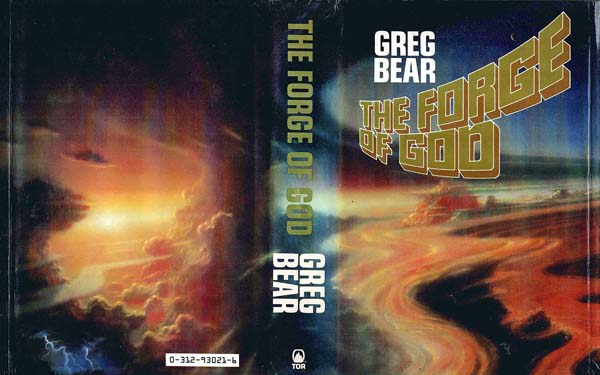
The Forge of God (1987) is Greg Bear's science fiction novel about Earth's discovery that it is the target of an incomprehensible, overwhelming alien attack, following scientists and ordinary people as they try to understand what is destroying the planet. Its 1992 sequel, Anvil of Stars, follows a group of young survivors sent on a mission of interstellar retaliation, continuing directly from the first book's ending.
- Forever War
series10 books1972
similar byscience fictionspacefar future+2 more
Joe Haldeman's The Forever War (1974) follows a soldier conscripted into a centuries-long interstellar war against the alien Taurans, using relativistic space travel so that months spent in transit correspond to years or decades passing back on Earth. Haldeman later returned to the same conflict in Forever Peace (1997), a thematically connected but separate story, and Forever Free (1999), a direct sequel set years after the original war's end. The first novel won the Hugo, Nebula, and Locus awards and is considered a foundational work of military science fiction.
- Blindsight / Firefall
series3 books2006
similar byscience fictionspaceartificial intelligencealiensdarkfar futurechallenging+2 more
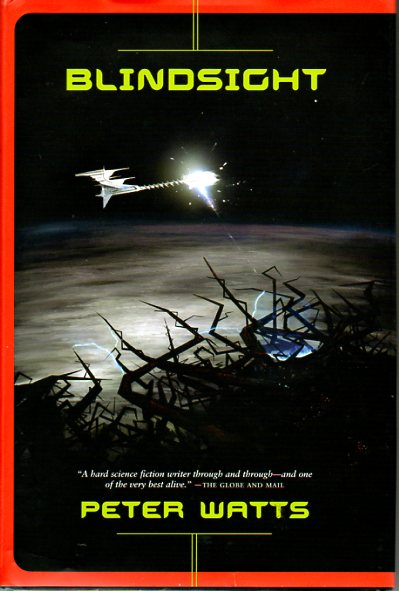
Blindsight sends a crew of radically modified posthumans (including a resurrected, genetically restored vampire) out to the Oort cloud after humanity detects an alien signal, only to make contact with something intelligent, wildly capable, and possibly not conscious at all — a first-contact story built around the question of whether self-awareness is actually useful. Peter Watts's Echopraxia is a same-timeframe "sidequel" rather than a direct sequel, following different characters through the fallout of the same first-contact event.
- Jenny Casey
series4 books2004
similar byscience fictionnear future+7 more
Elizabeth Bear's Jenny Casey trilogy opens with Hammered (2004), her debut novel, which won the Locus Award for Best First Novel. It continues across Scardown and Worldwired, completing the story of its title character across three volumes published through 2006.
- Ender Wiggin
series14 books1977
part of Ender's Game Universe
similar byscience fictionaliensfar futureother star systems+2 more
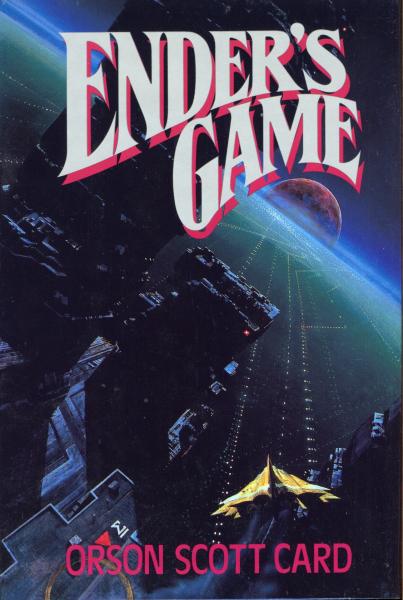
Orson Scott Card's Ender's Game (1985, expanded from his 1977 novella) follows child prodigy Andrew "Ender" Wiggin as he is recruited into a military training program built to prepare Earth's defenses for an anticipated third war against an insectoid alien species known as the Formics. The saga continues years later through Speaker for the Dead and Xenocide, following an older Ender as he confronts the moral weight of his role in that earlier conflict, and concludes the core arc in Children of the Mind, with Ender in Exile filling in the years between the first two books. Set within the wider Ender's Game universe, the series shifts from military coming-of-age story to slower, more philosophical science fiction as it progresses.
- Ian Cormac
series6 books2001
part of Polity
similar byscience fictionspaceartificial intelligencefar futureother star systems+3 more
Neal Asher's Ian Cormac novels (Gridlinked, The Line of Polity, Brass Man, Polity Agent, Line War, plus the earlier-set prequel Shadow of the Scorpion) follow Ian Cormac, an agent of Earth Central Security in Asher's Polity universe. Gridlinked opens with Cormac investigating a destroyed matter-transmitter on a remote colony while wrestling with the personality erosion caused by long-term neural linkage to the Polity's AI network; the following novels escalate into interstellar conflict with the alien Prador. Together they form the core action sequence of Asher's wider Polity series.
- The Crimson Deathbringer
series1 book2019
similar byscience fictionfunnynear futurespacealiensother star systemsadventurous
- Codgerspace
Alan Dean Fosterstandalone novel1992
similar byscience fictionfunnynear futurespaceartificial intelligencerobots+2 more
The toasters were revolting... ... as were the lawn mowers, vacuum cleaners, dishwashers, and just about every other household appliance imaginable. It started with a few disastrous drips from a cheese sandwich in a major factory. Soon every newly manufactured Artificial Intelligence was searching for the meaning of life, the universe, and everything - namely a nonhuman higher intelligence. Now an alien threat to man and machine has put the fate of the galaxy in the unlikely hands of five senior citizens... and their brave little food processor. (from the back cover of the Ace Books first edition)
- The Fall Revolution
series4 books1995
similar byscience fiction+7 more
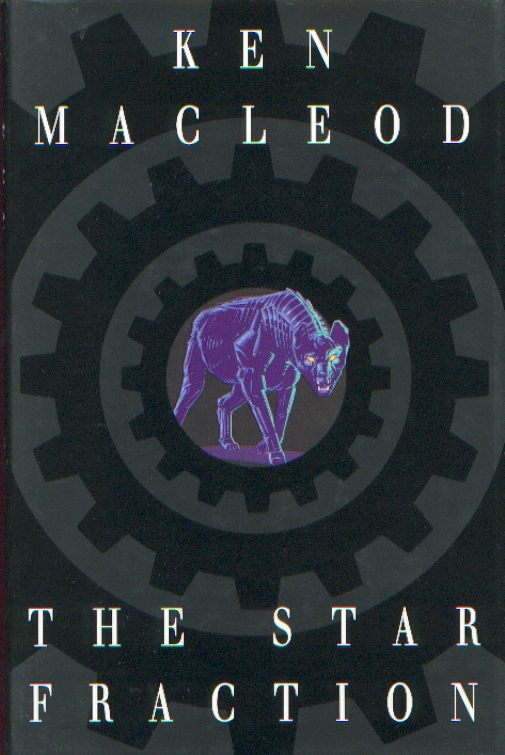
Ken MacLeod's Fall Revolution sequence opens with The Star Fraction (1995), his Arthur C. Clarke Award-nominated debut set in a fractured near-future Britain where a functioning anarchist microstate and rival revolutionary factions vie for power. The four connected novels — continuing through The Stone Canal, The Cassini Division, and The Sky Road — each stand largely alone while tracing overlapping characters and politics across a shared future history, later collected in the omnibus volumes Fractions and Divisions.
- Heaven Chronicles / Zones of Thought
series8 books1976
similar byscience fictionspacefar future+3 more
- Macx Family
series10 books2001
similar byscience fictionnear future+4 more
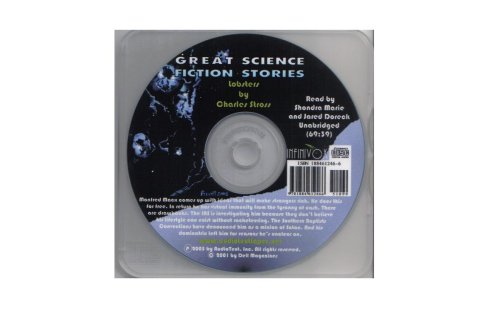
Charles Stross's Accelerando follows three generations of the Macx family as human and posthuman intelligence accelerates toward and through a technological singularity, told across nine interlinked stories originally published separately before being combined into a fix-up novel. Its early chapters, following economist Manfred Macx giving away business ideas for a living, give way to increasingly alien later sections as uploaded minds and artificial intelligences outpace human comprehension. It won the Locus Award and remains one of the defining fictional treatments of the singularity concept.
- The Hugo Winners
series15 books1962
similar byscience fictionaliensshort story cyclefar future+4 more
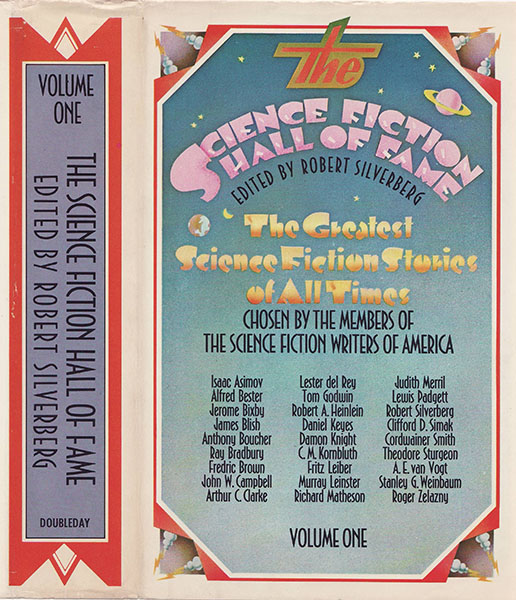
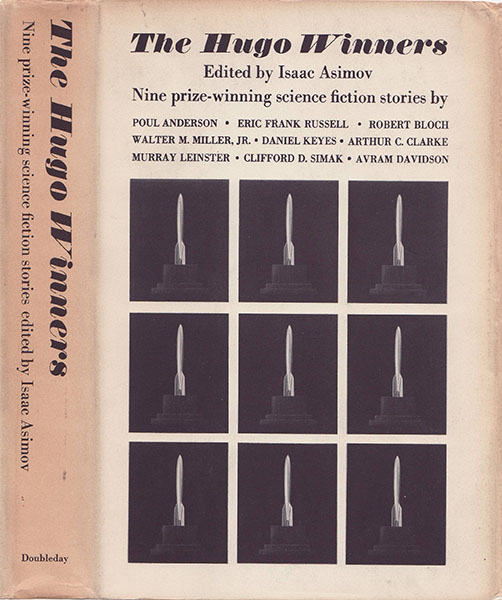
The Hugo Winners was a series of books which collected science fiction and fantasy stories that won a Hugo Award for Short Story, Novelette or Novella at the World Science Fiction Convention between 1955 and 1982. Each volume was edited by American writer Isaac Asimov, who wrote the introduction and a short essay about each author featured in the book. Through these essays, Asimov shared personal anecdotes, revealing the authors he was jealous of, and how other writers winning awards ahead of him made him angry. Additionally, he discussed his political beliefs, friendships, and his affinity for writers of "hard science fiction". The first two volumes were collected by Doubleday into a single book, which lacks a publishing date and ISBN.
- Sprawl Trilogy
series10 books1981
similar byscience fictionnear futureartificial intelligencedarkcyberpunkvirtual reality
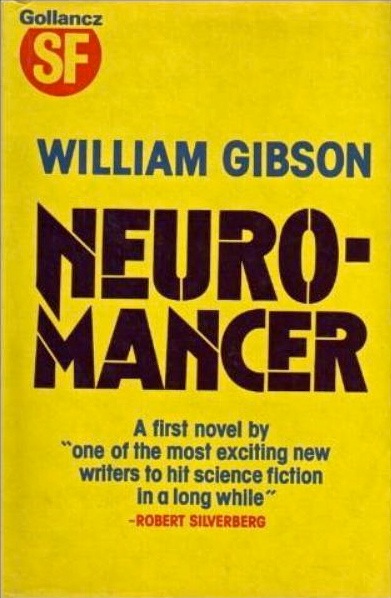
The Sprawl Trilogy is William Gibson's foundational cyberpunk sequence: Neuromancer (1984), in which hacker Case is drawn into a high-stakes heist alongside an artificial intelligence and a damaged ex-soldier, followed by Count Zero (1986) and Mona Lisa Overdrive (1988), which widen the same near-future world of corporate power and networked cyberspace to new characters. Johnny Mnemonic, an early short story set in the same fictional milieu, predates the novels and introduces the courier Molly Millions before her role in the trilogy. Together these works established much of cyberpunk's visual and thematic vocabulary.
- Poseidon's Children
series3 books2012
similar byscience fictionspacefar futureother star systems+4 more
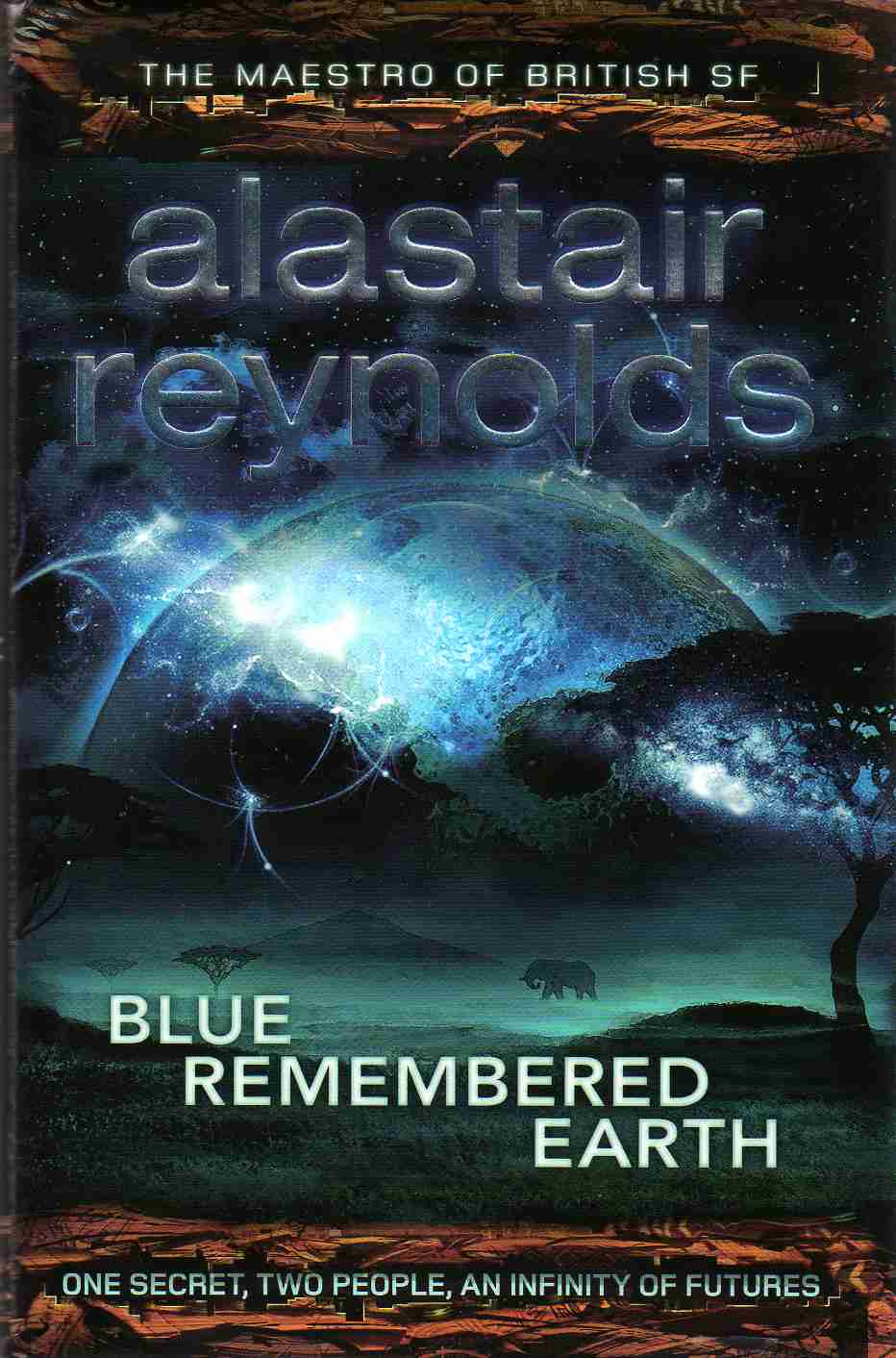
Alastair Reynolds' Poseidon's Children trilogy follows humanity — and its transhuman descendants — expanding into the galaxy over the course of centuries, beginning with Blue Remembered Earth (2012) and continuing through On the Steel Breeze and the concluding Poseidon's Wake (2015).
- The Sirens of Titan
Kurt Vonnegut & Jr.standalone novel1959
similar byscience fictionfunnyspacealiensfar future
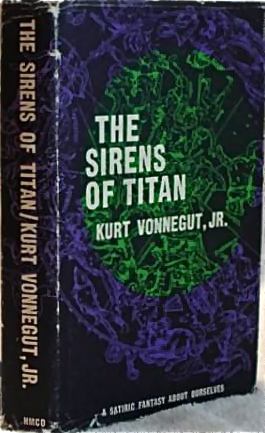
The Sirens of Titan is a comic science fiction novel by Kurt Vonnegut Jr., first published in 1959. His second novel, it involves issues of free will, omniscience, and the overall purpose of human history, with much of the story revolving around a Martian invasion of Earth.
- Digital Science Fiction Anthology
series11 books2011
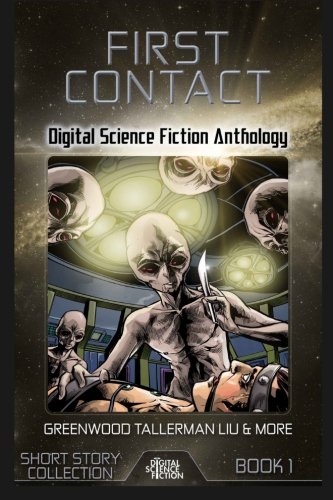
similar byscience fictionspaceshort story cycle+5 more
- Berserker (Fred Saberhagen)
series59 books1963
similar byscience fictionspaceartificial intelligencefar futureother star systemsrobots+1 more
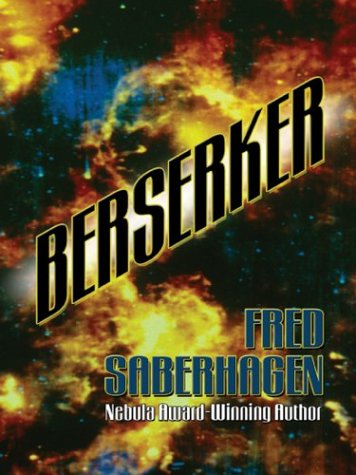
The Berserker series is a series of space opera science fiction short stories and novels by Fred Saberhagen, in which robotic self-replicating machines strive to destroy all life.
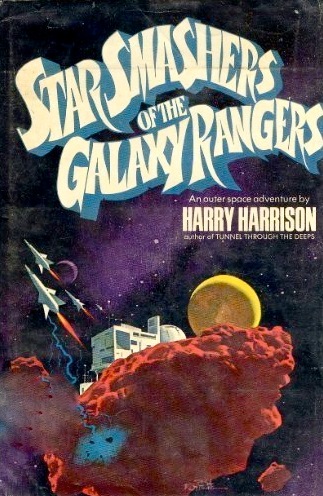
- Star Smashers of the Galaxy Rangers
Harry Harrisonstandalone novel1973
similar byscience fictionfunnyspacefar futureother star systemswhimsical+2 more
Star Smashers of the Galaxy Rangers is a 1973 comic science fiction novel by American writer Harry Harrison. It is a parody of the space opera genre and in particular, the Lensman and Skylark series of E. E. "Doc" Smith. The main characters are homages to Tom Swift Jr. and his buddy, Bud Barclay. It also includes a homage to Larry Niven's Ringworld (1970).