


Shadow of the Scorpion 2008
Open book →
Universe
Neal Asher · 5 series · 23 novels · 7 novellas · 15 novelettes · 23 short stories · 4 collections · 1992–2026
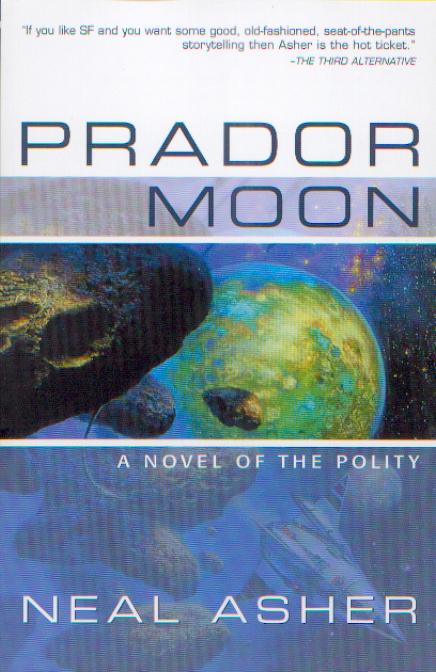
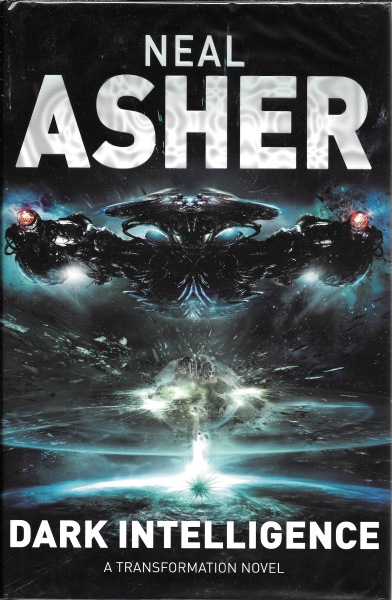
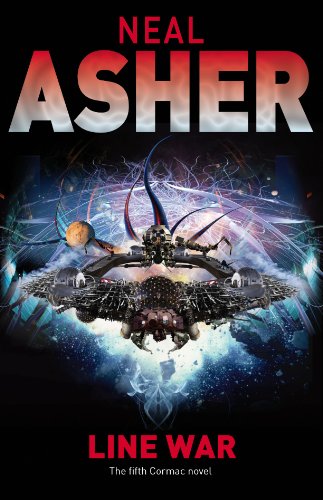
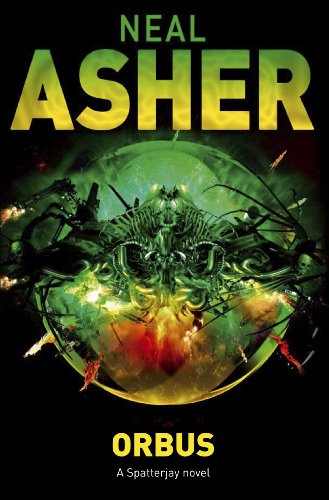
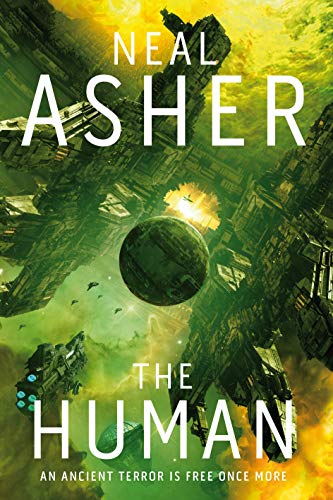
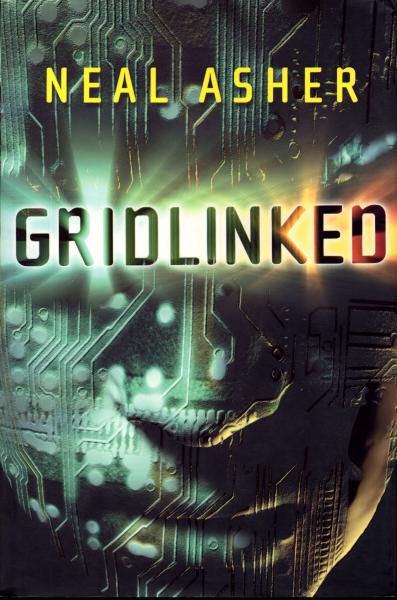
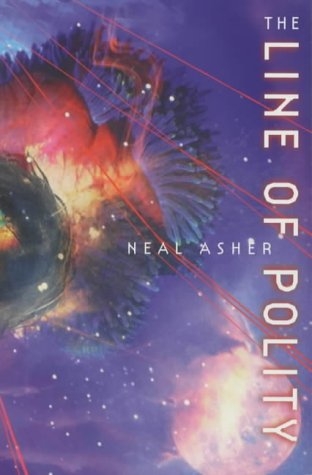
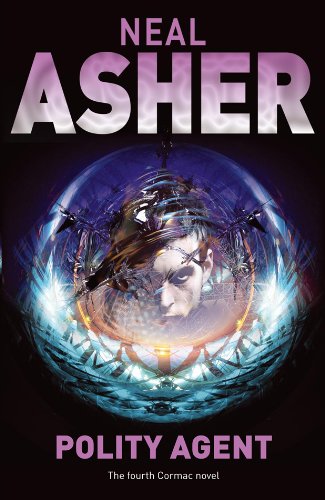
The Quiet War is already over by the time you arrive. The artificial intelligences took the human worlds with barely a shot fired, and — this is the uncomfortable part — they run them better than we ever did. Welcome to the Polity: a post-scarcity civilization strung between stars by runcibles, matter-transmission gates that turn light-years into a single step. It is clean, it is abundant, it is watched over by god-minds who mostly wish you well. It is also one bad day away from something with too many legs and an appetite for human meat. That something is usually the Prador — armoured, crablike, utterly without mercy — or worse, the Jain: an ancient technology that hands you power and then devours the civilization foolish enough to take it. Neal Asher builds this universe out of overlapping sequences rather than one long march. The Agent Cormac novels (Gridlinked onward) run a Polity black-ops agent through war and conspiracy; the Spatterjay books (The Skinner) maroon you on an ocean world whose viral biology makes everything nearly impossible to kill; the Transformation and Rise of the Jain trilogies chase rogue AIs and resurrected weapons across deep space, while Time's Shadow and standalones like Prador Moon and Shadow of the Scorpion fill in the history. Expect hard science worn like body armour, biotech that is equal parts wonder and horror, and violence rendered with cold precision and a dry, sardonic grin. Two good doors stand open: Gridlinked, for the Cormac thread in publication order, or Prador Moon, a lean standalone plunge into the war that shaped everything after.
Summary by Loreful, from public sources
One book per branch.
23 novels
✦ Curated by the Loreful team
45 works not in this orderPublication order, the author/fan consensus, which weaves the Agent Cormac, Spatterjay, Transformation, and Rise of the Jain sub-series together as they were written. Two entries are prequels placed at their publication dates rather than their story chronology — Prador Moon and Shadow of the Scorpion — and either is a common alternative point to start the whole series.
Polity at the centre, 5 branches around it.
What this universe published, when, and what it is made of.
72 works · 1992–2026 · busiest 2020 (13 works) · longest gap 4 years (2011–2014)
Empty columns are silent years — nothing published. The longest silence here is 4 years, 2011–2014.
See every work ↓23 novels · 7 novellas · 15 novelettes · 23 short stories · 4 collections
1 author
reads like:science fictionartificial intelligenceother star systemsfar futuretenseadult
Grim and intense: 77% of this universe's placed works, the catalog's 46%.
this universe · the catalog · one dot = one book35 of 72 works carry a tone
Every work, three ways to look at it.
Series and publication data from ISFDB, CC BY 4.0. Branch grouping is derived, not curated.