More like Stormbringer
anchored on:fantasyepic fantasymagical artifactssecondary worlddarkdark fantasy+3 more
but
- Corum
series6 books1971
part of Moorcock's Multiverse
similar bysecondary worldmagical artifactsadventurousfantasyepic fantasy+3 more
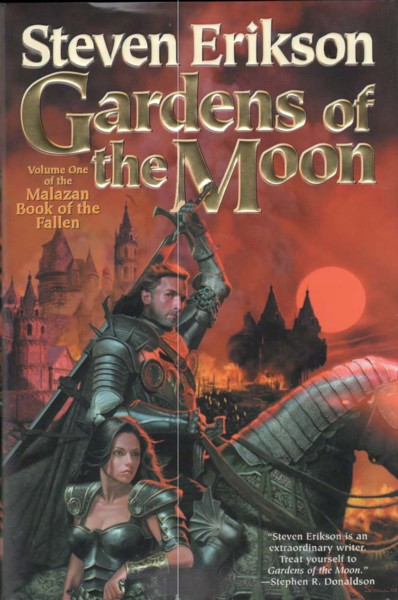
- Malazan Book of the Fallen
series20 books1999
part of Malazan
similar bysecondary worlddarkepic fantasydark fantasygodsfantasy
The Malazan Book of the Fallen is a series of epic fantasy novels written by the Canadian author Steven Erikson. The series, published by Bantam Books in the U.K. and Tor Books in the U.S., consists of ten volumes, beginning with Gardens of the Moon (1999) and concluding with The Crippled God (2011). Erikson's series presents the narratives of a large cast of characters spanning thousands of years across multiple continents.
- A Song of Ice and Fire
series14 books1996
part of World of Ice and Fire
similar bysecondary worlddarkepic fantasyfantasy+1 more
A Song of Ice and Fire is a series of high fantasy novels by the American author George R. R. Martin. Martin began writing the first volume, A Game of Thrones, in 1991, and published it in 1996. Martin, who originally envisioned the series as a trilogy, has released five out of seven planned volumes. The most recent entry in the series, A Dance with Dragons, was published in 2011. Since then, Martin has been working on the sixth novel, titled The Winds of Winter. A seventh novel, A Dream of Spring, is planned to follow.
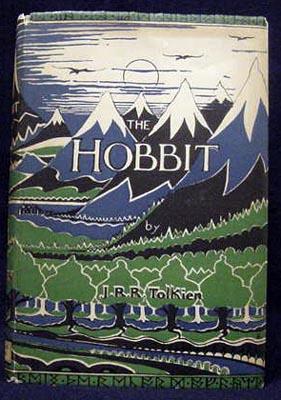
- The Hobbit
series2 books1937
completed
part of Tolkien's legendarium
similar bysecondary worldfantasyadventurousepic fantasy+1 more
The Hobbit (1937) is J. R. R. Tolkien's children's fantasy novel following the reluctant burglar Bilbo Baggins, who joins a company of dwarves and the wizard Gandalf on a journey to reclaim treasure guarded by the dragon Smaug. It stands as a complete adventure on its own, but shares its setting with the rest of Tolkien's legendarium and leads into the events of The Lord of the Rings.
- Malazan
universe36 books1999
Start hereMalazan Book of the Fallen · Start here
similar bysecondary worlddarkepic fantasy+3 more
Pity the historian who tries to map this world; pity more the god who thinks he rules it. The Malazan Empire marches across continents on the boots of its common soldiers, and above them move Ascendants — mortals grown into something like gods, and gods worn thin as old coin. Magic is drawn from Warrens, roads of power threaded through reality; the dead keep their grudges; and every empire, however vast, is a wager against time. This is epic fantasy told from the mud, where a sapper cracking a joke weighs as much as an immortal settling a feud older than the human race. The world began as a tabletop campaign two friends built in the 1980s, and it still moves by two hands. Steven Erikson's ten-volume Malazan Book of the Fallen is the spine — Gardens of the Moon, Deadhouse Gates, Memories of Ice, on through The Crippled God — each book a near-standalone campaign that only later reveals how it locks together. Ian C. Esslemont walks the same years from a different vantage in his Novels of the Malazan Empire (Night of Knives, Return of the Crimson Guard onward). Around them stand the prequels: Erikson's Kharkanas Trilogy, archaic and elegiac, chronicling a doomed elder people, and Esslemont's brisker Path to Ascendancy, following two adventurers before they became legends. Erikson's Witness sequence carries the tale forward, and novellas of the genial necromancers Bauchelain and Korbal Broach supply the gallows comedy. Nothing is explained to you; comprehension is earned, and that is the pleasure. The themes run deep — compassion set against cruelty, the toll empires charge, civilizations that fall and are mourned. Begin where the saga does, with Erikson's Gardens of the Moon, and read the ten in publication order; the prequels are for the already-initiated. Trust that confusion is the price of entry.
- The Lord of the Rings
series13 books1954
part of Tolkien's legendarium
similar bysecondary worldepic fantasy+2 more
The Lord of the Rings is an epic high fantasy novel written by the English author and scholar J. R. R. Tolkien. Set in Middle-earth, the story began as a sequel to Tolkien's 1937 children's book The Hobbit but eventually developed into a much larger work. Written in stages between 1937 and 1949, The Lord of the Rings is one of the best-selling books ever written, with over 150 million copies sold.
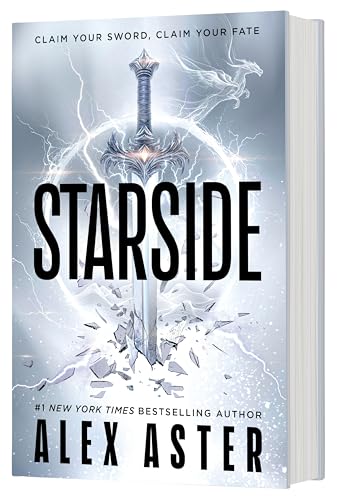
- Starside
Alex Asterstandalone novel2026
similar bysecondary worlddarkmagical artifactsfantasyepic fantasyadventurousgods
Hundreds of years ago, a brutal war split a land in two. Starside is the realm of magic and immortals—the descendants of the gods, living in a power-rich paradise. Stormside is where mortals fight for scraps of that magic. Every fifty years, the gates between them open, and fifty challengers are allowed to journey across Starside on a deadly quest to access a pool of magic that can heal, grant wealth, or extend life. Everyone has their reasons for entering, but Aris has only vengeance. As a child, a goddess set fire to her village, killing her family. Aris isn’t after the gods’ magic—she’s going to kill them. First, she must survive the Culling, the king’s deadly competition to choose his fifty challengers. An orphaned blacksmith’s apprentice, Aris doesn’t have the superior weapons of the heirs from the Great Houses. But the greatest swords—ones that contain power—are not inherited or bought, they are claimed, by both sides. And when Aris claims a great sword, it makes her not just a real competitor—but a target. Getting past the gates is only the beginning. Starside is deadlier than it seems. If the ancient creatures, magic-wielding beasts, and bloodthirsty immortals weren’t dangerous enough, a new peril has even immortals fearing what rises from the ground at night. With a blade most would kill to claim, Aris can’t trust anyone. Especially not Harlan Raker, the merciless and mysterious king’s guard who betrayed her years ago—and who may now be the key to her survival. But Aris is hiding a secret tied to her family’s death. And when it’s revealed, not even the gods will be able to stop what’s coming…
- Thomas Covenant the Unbeliever
series11 books1977
similar bysecondary worlddarkepic fantasyfantasy
The Chronicles of Thomas Covenant is a series of ten high fantasy novels written by American author Stephen R. Donaldson. The series began as a trilogy, The Chronicles of Thomas Covenant the Unbeliever. This was followed by another trilogy, The Second Chronicles of Thomas Covenant, and finally a tetralogy, The Last Chronicles of Thomas Covenant.
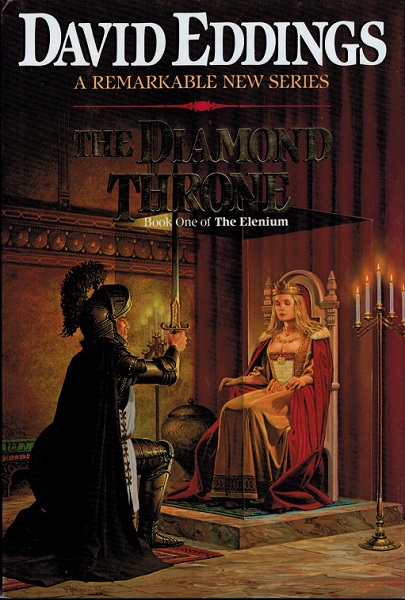
- Elenium
series3 books1989
completed
part of Sparhawk
similar bysecondary worldepic fantasyadventurousfantasy+2 more
The Elenium is a series of fantasy novels by American writer David Eddings. The series consists of three volumes: The Diamond Throne, The Ruby Knight, and The Sapphire Rose. The series is followed by The Tamuli. The Elenium is Eddings' third fantasy series.
- The Poppy War
series4 books2018
similar bydarksecondary worldepic fantasyfantasy+1 more
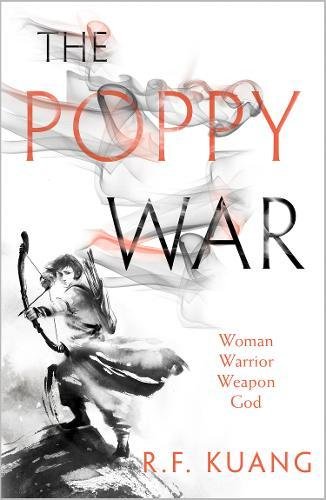
The Poppy War follows Rin, a war orphan who tests into an elite military academy and discovers a talent for shamanic power tied to a pantheon of vengeful gods. R. F. Kuang's trilogy reworks the Second Sino-Japanese War and its atrocities into an epic fantasy that grows darker and more morally compromised as it goes. It's told across The Poppy War, The Dragon Republic, and The Burning God.
- The Broken Sword
Poul Andersonstandalone novel1954
similar bydarksecondary worldcursesfantasyepic fantasygods
The Broken Sword is a fantasy novel by American writer Poul Anderson, originally published on 5 November 1954. A revised edition was issued by Ballantine Books in January 1971 as the twenty-fourth volume of their Ballantine Adult Fantasy series. The original text was reissued by Gollancz in 2002. Set during the Viking Age, the novel features numerous references to Norse mythology.
- Birthgrave
series3 books1975
completed
similar bysecondary worlddarkfantasy+2 more
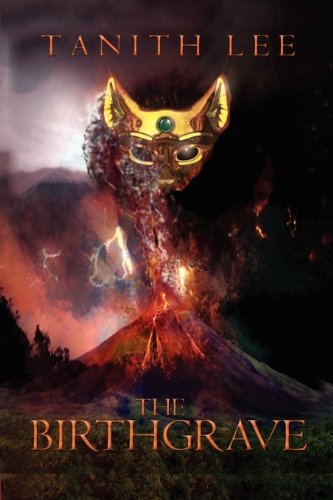
Tanith Lee's Birthgrave trilogy (The Birthgrave, Vazkor Son of Vazkor, Quest for the White Witch, 1975-1978) opens with an amnesiac woman waking inside a volcano with no memory of who she is, and follows her journey through a brutal, quasi-medieval world in search of her identity, wielding strange powers she doesn't understand along the way. She eventually learns she is one of the last of the Old Ones, an ancient, nearly extinct people, and must reckon with the harm her own vanished civilization once did.
- Kane
series25 books1970
completed
similar bydarksecondary worldsword and sorceryfantasydark fantasy+1 more
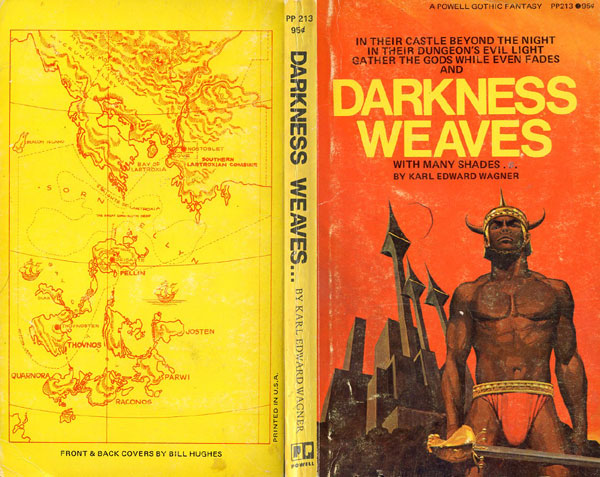
Kane is a fictional character created by American author Karl Edward Wagner, who is the protagonist of three novels and about 20 short stories published between 1970 and 1985. Most Kane tales are sword and sorcery with strong elements of gothic horror and set in a grim, pre-medieval world which is nonetheless ancient and rich in history. In some of Wagner's later stories, Kane appears in the present day—for example, as a drug dealer in "Lacunae" and as a somewhat suspect publishing magnate in "At First Just Ghostly".
- Forgotten Realms: The Legend of Drizzt
series39 books1988
part of Forgotten Realms
similar bysecondary worldepic fantasyadventurousfantasy+2 more
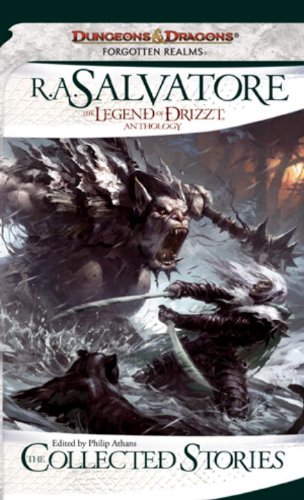
The Legend of Drizzt is a series of fantasy novels by R. A. Salvatore that began in 1988, and consists of 39 books as of August 15, 2023. They are based in the Forgotten Realms setting in the dimension of Abeir-Toril on the continent Faerûn in the Dungeons & Dragons universe currently published and owned by Wizards of the Coast. It combines the series The Dark Elf Trilogy, The Icewind Dale Trilogy, Legacy of the Drow, Paths of Darkness, The Hunter's Blades Trilogy, and other sets into an abridged compilation. Drizzt Do'Urden is the main character of most of the books.
- The Drenai Saga
series15 books1984
completed
similar bysecondary worldadventurousfantasyepic fantasy+2 more
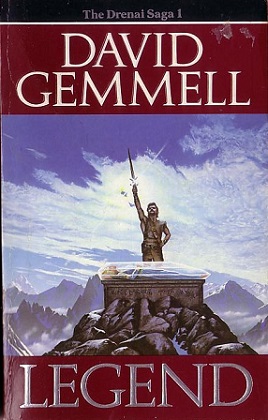
David Andrew Gemmell was a British author of heroic fantasy, best known for his debut novel, Legend. A former journalist and newspaper editor, Gemmell had his first work of fiction published in 1984. He went on to write over thirty novels. Gemmell's works display violence, yet also explore themes of honour, loyalty and redemption. There is always a strong heroic theme but nearly always the heroes are flawed in some way. With over one million copies sold, his work continues to sell worldwide.
- Dragonlance: Legends Trilogy
series3 books1986
part of Dragonlance
similar bysecondary worldepic fantasyfantasy+3 more
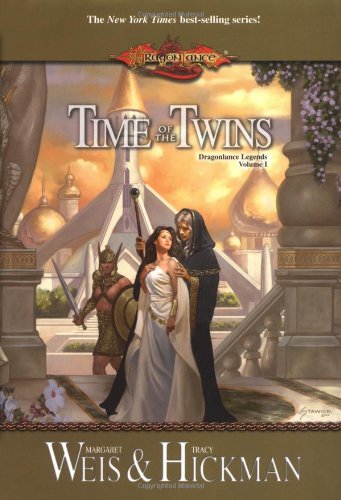
Dragonlance Legends is a trilogy of fantasy novels written by Margaret Weis and Tracy Hickman, which take place in the Dragonlance setting. This series is the sequel to the Dragonlance Chronicles, and focus on Raistlin and Caramon. The three books in the series are Time of the Twins, War of the Twins and Test of the Twins.
- The Elric Saga
series72 books1961
part of Moorcock's Multiverse
similar bysecondary worldfantasy+5 more
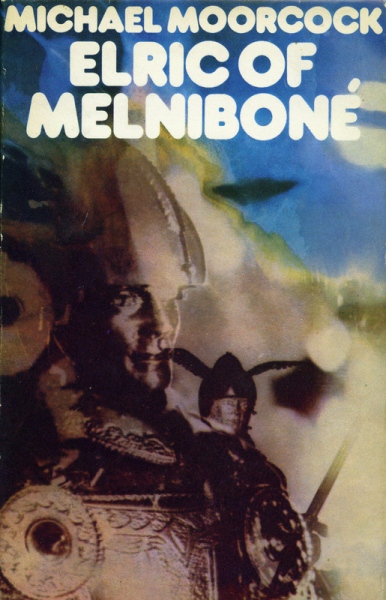
The Elric Saga is Michael Moorcock's sequence of sword-and-sorcery novels about Elric, the frail, sorcery-dependent last emperor of the ancient island empire of Melniboné, who abandons his throne to wander a violent, magic-soaked world carrying a sentient, soul-drinking black sword. Core entries such as Elric of Melniboné, The Sailor on the Seas of Fate, and Stormbringer trace his path toward a self-destructive destiny, and Elric was later folded into Moorcock's wider Eternal Champion multiverse, of which this saga is one strand.
- Sign for the Sacred
Storm Constantinestandalone novel1993
similar bydarksecondary worldcursesfantasydark fantasy
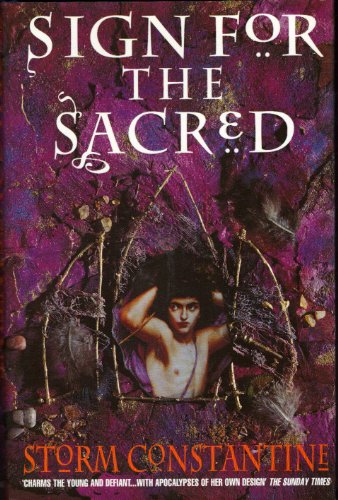
The Church of Ixmarity is under siege – the followers of the maverick prophet Resence Jeopardy are winning new converts daily and their heresy threatens the state itself, as well as the wealth and position of those who govern it, particularly the eccliesiarch, Wilfish Implexion. Implexion is determined to stamp out the Jeopardites by any means at his disposal, no matter how ruthless. But the Jeopardites are nomadic, flitting from sanctuary to sanctuary, constantly evading the forces of Ixmarity. Implexion is not alone in his determination to seek out the elusive heretic – four others are desperate in their desire to find Jeopardy... Lucein ... a former colleague of Resences Jeopardy, a vibrancer of the Church of Ixmarity, a man who would have dedicated his life to the dance in respectable slavery had it not been for the love of the prophet to be. Cleo...the child bride of a poisoner. When the beautiful Inky, one of Jeopardy’s illegitimate offspring, is brought to her house for disposal, she falls in love – with the boy and with his sire. Selilah and Trajan..brought together by death and disease. Delilah is orphaned by Rajan’s violent attack on her village, and she’s the only one ont prey to either his wrath or the pernicious plague he carries. Delilah promises to watch over Trajan as he returns to the sanctuary of the Jeopardite camp – he believes Resenence is his only possible saviour from the terrible curse he carries. But in finding Jeopardy all four questers are ultimately surprised by the nature of their success...
- A Chorus of Dragons / Godslayer Cycle
series5 books2019
similar bysecondary worlddarkepic fantasy+4 more
The Ruin of Kings opens Jenn Lyons's series with Kihrin, an orphan raised on storybook tales of lost princes, who is claimed against his will as the missing son of a treasonous prince and finds the reality of that bloodline nothing like the stories promised: prisoner-like confinement, family power plays, and revelations that dragons, gods, demons, and prophecy don't work the way the tales said either. The five-book series is told through interleaved, non-chronological narration rather than a single straightforward timeline. Lyons continues the story through The Name of All Things, The Memory of Souls, The House of Always, and The Discord of Gods.
- The Devils
series1 book2025
similar bydarksecondary worldadventurous+2 more
Joe Abercrombie's The Devils (2025) opens a new grimdark fantasy series set in an alternate medieval Europe besieged by plague, famine, and monsters, following Brother Diaz as he's tasked by the Church with managing a squad of imprisoned monstrosities - a vampire, a werewolf, a cursed knight, a pirate, and others - for a mission nobody sane would volunteer for. Their job is to escort a former thief posing as a claimant to the throne of Troy safely to her coronation, through a landscape falling apart around them. It's Abercrombie's first work outside his First Law universe in a decade, pairing his usual morally compromised cast with a monster-squad premise.
- Wars of Vis
series3 books1976
completed
similar bysecondary worlddarkfantasyepic fantasygods+2 more
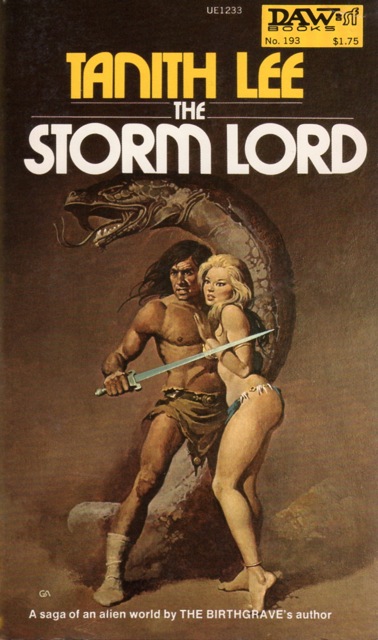
Tanith Lee's Wars of Vis trilogy is set on a world of feuding city-states, following the warlord Raldnor Am Anackire's rise as long-buried tensions between the pale-skinned Vis and darker-skinned Lowlanders erupt into open war and the revelation of hidden power. The Storm Lord opens the trilogy, continued by Anackire and The White Serpent.
- Sparhawk
universe6 books1989
Start hereElenium · Start here
similar bysecondary worldepic fantasyadventurousfantasy+2 more
Sir Sparhawk is not a young man, and he has little patience for the pageantry his order pretends to. A Pandion Knight of the militant Elene Church, he rides home from a long exile to find his kingdom rotten with intrigue and his young queen, Ehlana, poisoned — kept alive only inside a shell of living crystal. To wake her he must find Bhelliom, a jewel with the power to remake the world or unmake it. So begins a long ride across the continent of Eosia. This is warm, character-first epic fantasy from David Eddings, told across two trilogies. The Elenium — The Diamond Throne, The Ruby Knight, The Sapphire Rose — pits Sparhawk against a corrupt church and a hungry elder god. The Tamuli — Domes of Fire, The Shining Ones, The Hidden City — carries him east into the vast Tamul Empire, where older enemies stir. Around him gathers a quarrelsome company: the Styric sorceress Sephrenia, the thief-boy Talen, the plain-spoken squire Kurik, and a small, imperious goddess who plays a set of pipes and always, somehow, gets her way. The pleasure here is the talk — grizzled knights trading dry insults between miracles and murders, a hero who solves as many problems with patience as with a sword. It never reaches for grimness or grand obscurity; it wants your good company for a long journey. Newcomers begin with The Diamond Throne and read the six in order: the Elenium stands whole on its own before the Tamuli widens the map.