Loreful
HomeDiscover
Search series, authors…⌘K
Loreful

Reading orders for SF/F series and shared universes — with your place kept in every one.

Explore

UniversesSeriesWorksAuthorsAtlas

Help

FAQAboutSite map

Account & legal

Sign inCreate accountPrivacyTerms

Data

Built on ISFDB, Wikipedia, Wikidata and Open Library. Curated reading orders carry their reasoning on the page; the rest follow publication order. Data sources & licenses

© Loreful · data: ISFDB · CC BY

More like Talons

anchored on:horrorour worldcontemporaryyoung adultparanormaleerie

but

Mood

The mood the book leaves you in.

  • The reading experience is propelled by journeys, exploration, and physical risk; excitement and forward momentum dominate over dread or introspection.
  • Joy and loss are deliberately mixed; the resolution grants characters something real while taking something else away, leaving warmth and sorrow together.
  • The book demands work from the reader — dense prose, difficult structure, unfamiliar ideas, or morally uncomfortable material — as part of its intended effect.
  • Grim events, cruelty, or despair dominate the atmosphere, and the book does not soften them with comfort or comic relief.
  • The atmosphere is quietly unsettling — wrongness, unease, and the uncanny pervade the book without necessarily escalating into overt horror.
  • The book is built to move the reader; character feeling is foregrounded and major scenes aim at a strong emotional response.
  • Humor is a primary aim and the prose plays for laughs — comic situations, wit, or dialogue produce sustained comedy, not occasional levity.
  • The book insists that things can improve; effort and decency are shown to matter, and the arc bends toward better outcomes even through hardship.
  • The book teaches as it goes — real facts, history, science, or craft are conveyed in enough depth that learning is part of the reading experience.
  • The book is designed to uplift and motivate, presenting perseverance or achievement in a way that invites the reader to aspire or act.
  • The overall register is cheerful and easygoing; stakes are kept gentle and the book avoids dwelling on pain or dread.
  • Withheld information drives the experience; the book sustains enigmas and secrets the reader wants resolved, whatever its genre.
  • The book is contemplative and inward-looking, giving more weight to thought, memory, and meaning than to external events.
  • The book works as comfort reading — low tension, a soothing pace, and an atmosphere the reader can unwind in.
  • Grief, loss, or melancholy set the dominant register, and the book lets sorrow stand rather than resolving it into comfort.
  • Sustained suspense is the point; the book keeps the reader braced for what happens next through danger, pressure, or impending revelation.
  • Playful invention and charm define the register — fanciful conceits, light absurdity, and a narration that delights in its own oddity.

About

What the story runs on.

  • Stories in which extraterrestrial beings are central — as characters, cultures, or the object of the plot.
  • Stories structured as a quest — a journey undertaken to find, deliver, or destroy something of great import.
  • Stories in which staying alive against nature, catastrophe, or scarcity is the central problem.
  • Stories of lovers kept apart by law, family, faith, or station, where the obstacle to love is the plot.
  • Stories in which a friendship — its making, testing, or loss — is the emotional center.
  • Stories of growing up — a young protagonist crossing from childhood into adult knowledge and responsibility.
  • Stories about who a character truly is — self-discovery, doubled lives, and the search for a self.
  • Stories about mourning — living through the death of a loved one and what loss does to the survivors.
  • Stories in which a buried family truth — hidden parentage, crimes, or shames — surfaces and reorders the present.
  • Stories driven by maneuvering for power — factions, conspiracies, and statecraft conducted in shadow.
  • Stories in which war itself is the subject — combat, occupation, and what warfare does to soldiers and civilians.
  • Stories organized around investigating a killing — the case, the clues, and the pursuit of the killer, in any genre's clothing.

Shelf

Where it sits in the library.

    • Fiction built on magic or other supernatural elements that have no scientific explanation.
    • Secondary-world fantasy at large scale, where the fate of nations or the world turns on the protagonists' struggle.
    • Fantasy set in a recognizably modern city or contemporary world where the supernatural intrudes on everyday life.
    • Fantasy that blends in horror's atmosphere and imagery, keeping a fantastical frame around grim or frightening material.
    • Action-driven fantasy following warriors or rogues with personal stakes against sorcerous threats, rather than world-spanning conflicts.
    • Fantasy set in a real historical period or a close analogue of one, with magic woven into the era.
    • Fantasy in which protagonists cross from the ordinary world into another world through a portal or similar passage.
    • Fiction that retells or reworks a traditional fairy tale in a new form or setting.
    • Fantasy drawing directly on myths, legends, and folklore, retelling them or building on their figures and logic.
    • Fantasy of ghosts, vampires, shapeshifters, psychics, and similar phenomena, usually set in an otherwise ordinary world.
    • Fiction mixing science-fictional trappings with overtly magical or impossible elements in one setting.
    • Low-stakes fantasy emphasizing comfort, community, and everyday pleasures over conflict and peril.
    • Speculative fiction of pervasive moral ambiguity, violence, and cynicism that rejects heroic conventions — fantasy and SF alike.
      • Fiction that extrapolates from science and technology — future societies, space travel, or speculative inventions — within at least nominally natural laws.
      • Science fiction of interstellar scope — starships, galactic polities, and adventure across star systems.
      • Science fiction committed to scientific rigor, where technical plausibility constrains the story.
      • Science fiction centered on armed forces and warfare, told largely from a military point of view.
      • Science fiction of networked, corporate-dominated near futures, pairing high technology with social decay.
      • Science fiction styled on nineteenth-century steam-powered technology, often in a Victorian or pseudo-Victorian setting.
      • Fiction depicting an oppressive or catastrophic society, presented as a warning.
      • Fiction set after civilization's collapse, following survivors in the ruins of the old world.
      • Fiction in which characters move between past and future, and the mechanics or consequences of that travel drive the plot.
      • Fiction exploring a world where a historical event went differently and history diverged from ours.
      • Science fiction about humanity's first encounter and communication with an alien intelligence.
      • Science fiction in which extraterrestrial forces attack or occupy Earth and humanity resists.
      • Fiction whose primary aim is to frighten or unsettle the reader through dread, menace, or the monstrous.
      • Horror of vast, indifferent, incomprehensible entities before which humanity is insignificant, in the Lovecraft tradition.
      • Horror of decaying houses, buried family secrets, and oppressive atmosphere in the Gothic literary tradition.
      • Horror centered on hauntings and the returning dead.
      • Horror located in the mind — paranoia, obsession, and unreliable perception rather than external monsters.
      • Horror built around the reanimated dead and survival amid their outbreaks.
      • Horror defined by explicit, transgressive gore that refuses to cut away from violence.
      • Speculative fiction of the strange and uncanny that resists both natural explanation and standard genre categories.
      • Fiction organized around solving a crime or puzzle, typically following an investigator toward the identification of a culprit.
      • A puzzle-first mystery that lays out clues so the culprit's identity can be deduced before the reveal.
      • Crime fiction of moral ambiguity, fatalism, and hard-edged style, set among the corrupt and the doomed.
      • A mystery following the realistic routines of police work — forensics, interviews, and case-building.
      • A gentle mystery with an amateur sleuth, a small community, and violence kept off the page.
      • A mystery set in a past era, where the investigation works within that period's methods and society.
      • Fast-paced fiction driven by imminent danger, pursuit, or high-stakes conspiracy, built to sustain tension.
      • A thriller of espionage — agents, tradecraft, and intelligence services in conflict.
      • A thriller centered on lawyers and the courtroom, where litigation carries the suspense.
      • A thriller driven by detailed contemporary or near-future technology, often military or scientific.
      • A thriller whose tension comes from mental states and manipulation between characters rather than external action.
      • Fiction whose central plot is a romantic relationship and its development toward an emotionally satisfying resolution.
      • Romance in which one or both partners are supernatural beings, blending fantasy elements into the love story.
      • A fantasy-romance hybrid in which the romantic arc and the fantasy plot carry equal weight.
      • Romance set in a past era, with courtship shaped by the period's society and manners.
      • Romance set in the present day, without supernatural or historical elements.
      • Fiction set in a real past period, where the historical setting materially shapes characters and events.
        • General and literary fiction emphasizing prose style, character interiority, or formal ambition over genre plot conventions.
        • Fiction in a realistic world where magical events occur and are treated as ordinary, in the tradition of Latin American literature.
        • Fiction that ridicules people, institutions, or society in order to criticize them.
        • Fiction of dreamlike, irrational imagery and logic that breaks from realistic representation.
        • Fiction that plays with narrative convention through metafiction, fragmentation, and self-reference.
        • Fiction propelled by journeys, exploration, and physical peril, where action and survival carry the plot.
        • Adventure fiction of ships and seafaring — naval engagements, voyages, and life at sea.
        • Fiction of the American frontier West — gunmen, ranchers, and lawmen, typically in the late nineteenth century.
        • Fiction centered on soldiers, campaigns, and the experience of warfare, historical or imagined.
          • Fiction written primarily to amuse, using comedic situations, wit, or parody as its organizing principle.
            • Multi-generational fiction following a family or dynasty across decades, with inheritance and kinship as the through-line.
              • Fiction whose world runs on explicit game mechanics — levels, stats, and skills that characters can see and exploit.
                • Fiction about costumed or superpowered heroes and their conflicts with comparable villains.

                Practical

                How long a commitment, whether it stands alone, and whether it has finished.

                Tap a chip to ask for it · tap again to rule it out · once more to clear. Numbers show what would be left.

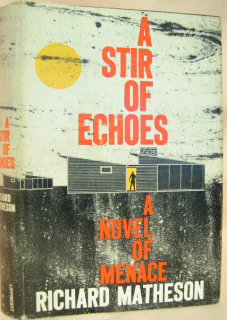
                • Cover of A Stir of Echoes
                  A Stir of Echoes

                  Richard Matheson · standalone novel · 1958

                  similar bypsychic powerseerieour worldhorrorparanormal

                  A Stir of Echoes is a supernatural novel by American writer Richard Matheson, published in 1958. It served as the inspiration for the 1999 film Stir of Echoes.

                • Cover of Strangers
                  Strangers

                  Dean R. Koontz · standalone novel · 1986

                  similar byeerieour worldcontemporaryhorror+1 more

                  Strangers is a horror novel written by Dean Koontz, released in 1986.

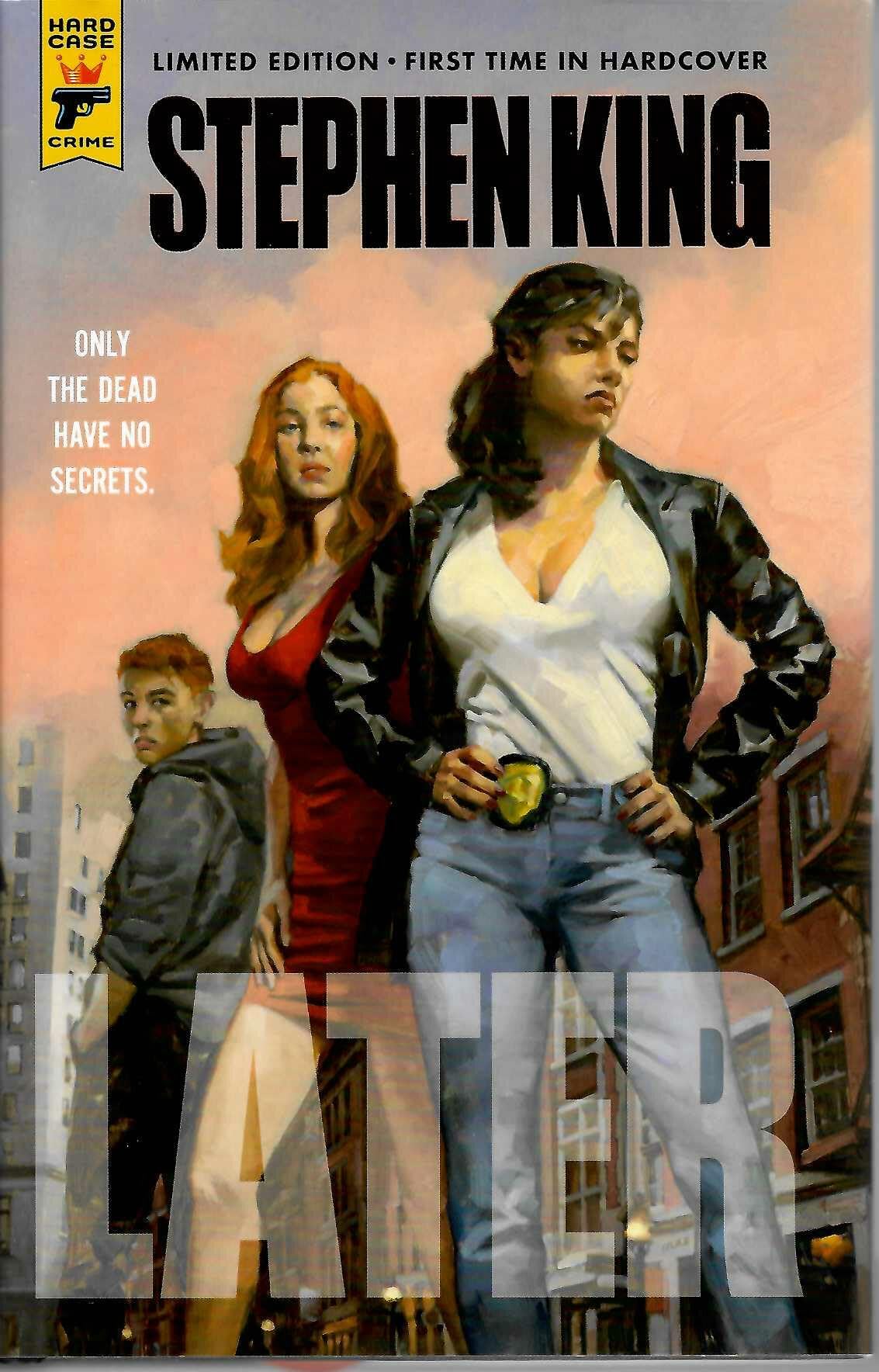
                • Cover of Later
                  Later

                  Stephen King · standalone novel · 2021

                  similar bypsychic powerseerieour worldcontemporaryhorror+1 more

                  A young boy, with the power of seeing and talking with the recently deceased, and his single mother try to avoid personal and financial disasters.

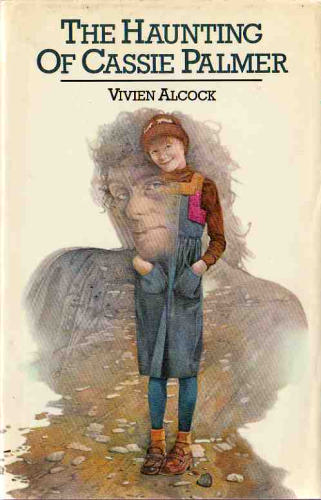
                • Cover of The Haunting of Cassie Palmer
                  The Haunting of Cassie Palmer

                  Vivien Alcock · standalone novel · 1980

                  similar bypsychic powerseerieour worldcontemporaryparanormal

                  WorldCat: Thirteen-year-old Cassie, the seventh child of a seventh child, begins to exhibit the gift of second sight which enables her to communicate with the Other World.

                • Cover of The Girl in a Swing
                  The Girl in a Swing

                  Richard Adams · standalone novel · 1980

                  similar bypsychic powerseerieour worldcontemporaryhorror

                  WorldCat: A romantic relationship between psychics is threatened by a murderous secret in the woman's past.

                • Cover of The Green Eyes of Bast
                  The Green Eyes of Bast

                  Sax Rohmer · standalone novel · 1920

                  similar bypsychic powerseerieour worldparanormalhorror

                  Psychic investigator Dr. Damar Greefe encounters ancient sorcery and a cult whose leader is possessed by the murderous cat-goddess Bast!

                • V
                  Vision

                  N. D. Hansen-Hill · standalone novel · 2001

                  similar bypsychic powerseerieour worldcontemporary

                  Dustin Mallory is a man trapped by the past - on a daily basis. He is no more a victim than his friends, whose reach at times extends beyond the grave, or whose thoughts take unwanted strolls through other people's minds. If the past can come forward enough to taunt Mallory's present, is there a chance he can influence it? Alter a fate that's too harsh to accept? Or will he spend the rest of his life hovering between reality and revelation? Dependent on strangers for his personal salvation? It is what he now fears most - that he has no future. That he'll become a victim of his own aberrant genes, to spend his days forever lost in visions...

                • Cover of The Lathe of Heaven
                  The Lathe of Heaven

                  Ursula K. Le Guin · standalone novel · 1971

                  similar bypsychic powerseerieour world

                  The Lathe of Heaven is a 1971 science fiction novel by American writer Ursula K. Le Guin, first serialized in the American science fiction magazine Amazing Stories. It won the 1972 Locus Award for Best Novel and was a finalist for the 1971 Nebula Award for Best Novel and 1972 Hugo Award for Best Novel. Two television film adaptations were released: the PBS production, The Lathe of Heaven (1980), and Lathe of Heaven (2002), a remake produced by the A&E Network.

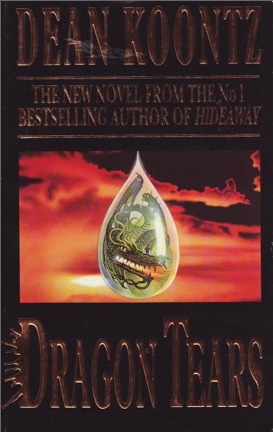
                • Cover of Dragon Tears
                  Dragon Tears

                  Dean R. Koontz · standalone novel · 1993

                  similar bypsychic powerseerieour worldcontemporaryhorrorparanormal

                  Dragon Tears is a 1993 paranormal/horror novel by the best selling author Dean Koontz.

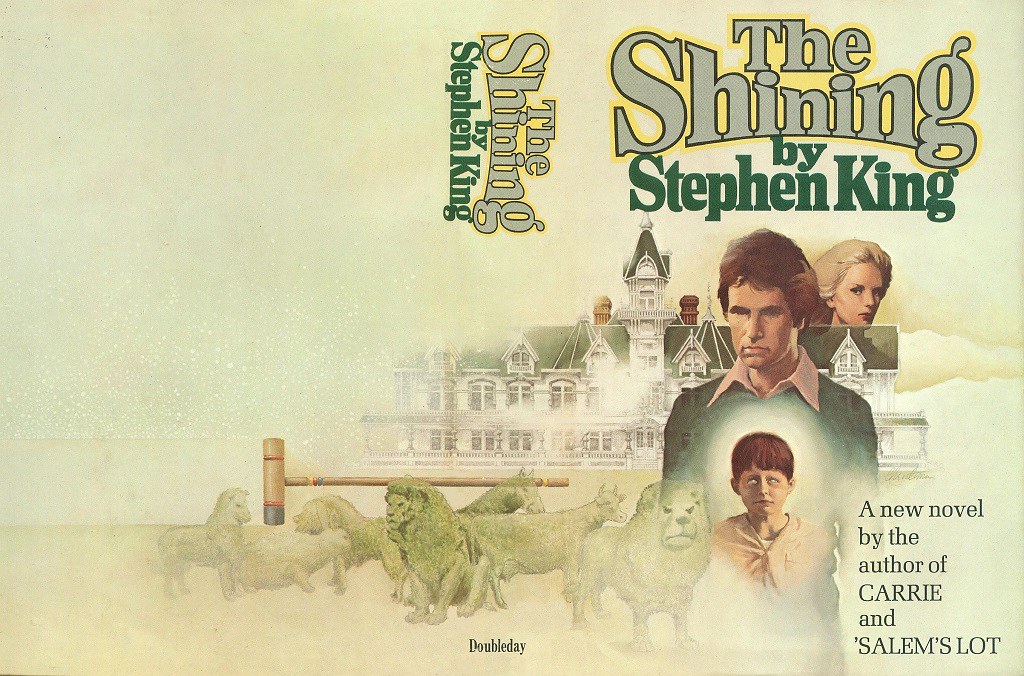
                • Cover of The Shining
                  The Shining

                  series · 5 books · 1977

                  similar bypsychic powerscontemporaryhorror+1 more

                  Stephen King's 1977 novel The Shining follows the Torrance family as winter caretakers of the isolated, malevolent Overlook Hotel, where father Jack is gradually consumed by the hotel's influence while his young son Danny's psychic "shining" draws its attention. Doctor Sleep (2013) picks up the story decades later, following Danny as an adult still marked by that childhood ordeal. Together the two form a horror duology spanning nearly forty years of real-world publication.

                • Cover of Trance Mission
                  Trance Mission

                  Martin Noble · standalone novel · 1996

                  similar byeerieour worldcontemporaryhorroryoung adult+1 more

                  Author's description: "Horror novel for teenagers involving astral travel, virtual reality, trance techno music and the transmogrification of souls."

                • Cover of The Infinite Cage
                  The Infinite Cage

                  Keith Laumer · standalone novel · 1972

                  similar bypsychic powerseerieour worldcontemporary

                  Synopsis from back cover: A little wisp of a man appears from who-knows-where, apparently suffering from delusions, schizophrenia, paranoia, and mental maladies not yet named. His misadventures in a hostile world would put Walter Mitty to shame for lack of imagination. He finds he has strange powers that bring him spectacular success at whatever he attempts--followed, it seems inevitably, by crushing disaster. At last, on the verge of utter despair, he stumbles onto a clue to the secret of his existence... Keith Laumer, famous for his witty novels of galaxy-hopping adventure, has created a spooky, funny, hauntingly brilliant novel that cannot be put down--and will never be forgotten-- Welcome To Adam's World

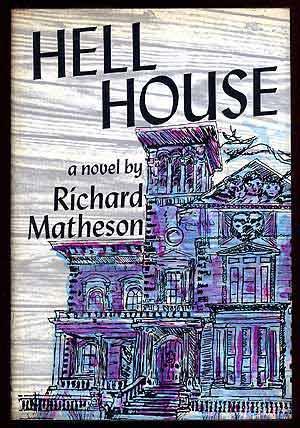
                • Cover of Hell House
                  Hell House

                  Richard Matheson · standalone novel · 1971

                  similar byeeriecontemporaryhorror+1 more

                  A dying millionaire wants proof, once and for all, of what happens after death, and hires physicist-turned-parapsychologist Dr. Lionel Barrett to spend a week investigating the Belasco House in Maine -- a mansion so thoroughly associated with atrocity that it's known simply as Hell House, where every previous investigation has ended in death or madness. Barrett brings his wife Edith along with two mediums, the spiritualist Florence Tanner and Benjamin Franklin Fischer, survivor of an earlier disastrous visit, whose scientific skepticism and spiritualist convictions clash from the first night inside. Richard Matheson's haunted-house novel, later filmed as The Legend of Hell House.

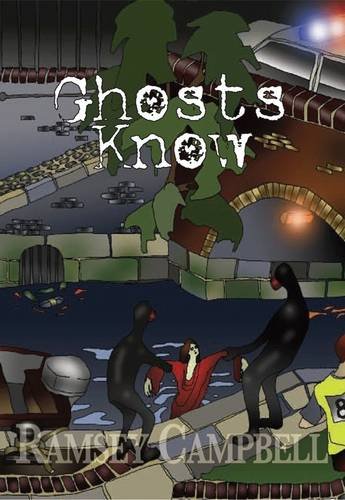
                • Cover of Ghosts Know
                  Ghosts Know

                  Ramsey Campbell · standalone novel · 2011

                  similar bypsychic powerseerieour worldcontemporary+1 more

                  "Ghosts Know is a fascinating exploration of the twists and turns of reality-media personalities, the line between the dead and the living...and how the truth can be twisted to serve all manner of reality. Graham Wilde is a contentious, bombastic host of the talk radio program Wilde Card. His job, as he sees it, is to stir the pot, and he is quite good at it, provoking many a heated call with his eccentric and often irrational audience. He invites Frank Jasper, a purported psychic, to come on the program. He firmly believes that the man is a charlatan, albeit a talented one. When Jasper appears on his show, Wilde draws upon personal knowledge about the man to embarrass him on air, using patter similar to that which Jasper utilizes in his act. Wilde's attack on Jasper earns him the enmity of his guest and some of the members of his audience. He next encounters Jasper when the psychic is hired by the family of a missing adolescent girl to help them find her. Wilde is stunned and then horrified when Jasper seems to suggest that he might be behind the girl's disappearance. Thus begins a nightmarish journey as circumstantial evidence against Wilde begins to mount, alienating his listeners, the radio station, and eventually, his lover. As Wilde descends into a pit of despair, reality and fantasy begin to blur in a kaleidoscope of terror..."--

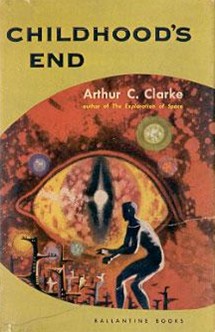
                • Cover of Childhood's End
                  Childhood's End

                  Arthur C. Clarke · standalone novel · 1953

                  similar byour world+2 more

                  Childhood's End is a 1953 science fiction novel by the British author Arthur C. Clarke. The story follows a peaceful alien invasion of Earth by mysterious Overlords, whose arrival begins decades of apparent utopia under indirect alien rule, at the cost of human identity and culture.

                • Cover of The Soul Master
                  The Soul Master

                  Graham Dunstan Martin · standalone novel · 1984

                  similar byeerieour worldcontemporaryhorror+1 more

                  The Soul Master is a horror novel by British writer Graham Dunstan Martin, published in 1984 by Allen & Unwin.

                • Cover of The Gift
                  The Gift

                  Peter Dickinson · standalone novel · 1973

                  similar bypsychic powersour worldcontemporaryparanormal+1 more

                  A Welsh youth with extrasensory perception is warned by his grandmother that bad luck happens to family members who try to use the ability.

                • Cover of The Heavens Rise
                  The Heavens Rise

                  Christopher Rice · standalone novel · 2013

                  similar bypsychic powerseeriecontemporaryhorror

                  My name is Niquette Delongpre and on the night before my mother's forty-seventh birthday, my entire family vanished without a trace. Everyone assumed the swamp swallowed them. They were wrong ...Deep in the swamps outside of New Orleans, Niquette Delongpre and her family uncover a well on their property - a well that has roots all the way down into the soils of the Mississippi River. A well that brings ancient things to the surface - things that should have stayed buried. When Niquette is exposed to a small parasite, it triggers in her mysterious and dangerous powers. As she tries to come to grips with these new abilities and what they might mean for her future, she realises that she is not alone. Someone else, someone who was exposed to the same mysterious parasite during a clandestine visit to the swamp, is also discovering his new talents, and he's not as nice as she is ...

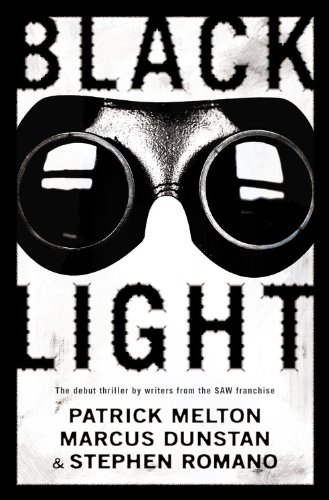
                • Cover of Black Light
                  Black Light

                  Patrick Melton, Marcus Dunstan & Stephen Romano · standalone novel · 2011

                  similar bypsychic powerseeriecontemporaryhorror

                  A psychic for hire, who disposes of malignant ghosts by absorbing them then excreting them, in the process experiences enhanced spiritual vision, the "Black light". He is hired by an enormously wealthy and powerful industrialist to defend the trial run of a bullet train from Los Angeles to Las Vegas, which passes through an area of the desert particularly notorious for powerfully evil ghost presences; the same area which took the lives of his father and mother when he was a child.

                • Cover of Abandon
                  Abandon

                  Blake Crouch · standalone novel · 2023

                  similar byeeriecontemporaryhorror+1 more

                  On Christmas Day in 1893, every man, woman, and child in a remote mining town will disappear, belongings forsaken, meals left to freeze in vacant cabins, and not a single bone will be found -- not even the gold that was rumored to have been the pride of this town. One hundred and thirteen years later, two backcountry guides are hired by a leading history professor and his journalist daughter to lead them into the abandoned mining town so they can learn what happened. This has been done once before, but the people who went in did not come out. Joining them are a psychic and a paranormal photographer -- the town is rumored to be haunted. They've come to see a ghost town, but what they are about to discover is that twenty miles from civilization, with a blizzard bearing down upon them, they are not alone, and the past is very much alive.

                • Cover of The House on Moon Creek Avenue
                  The House on Moon Creek Avenue

                  E. Reyes · standalone novel · 2020

                  similar byeerieour worldcontemporaryhorrorparanormal

                  ● "Cindy is a twenty-one-year-old single mother, retail worker, and college student. She inherits her grandmother's home on Moon Creek Avenue after she passes away. At first, the home is comfortable, nostalgic of Cindy's childhood at nana's, and her daughter enjoys the home, too. But soon, ghosts randomly appear day and night, doors open and close, a streak of bad luck begins, Cindy and her daughter have unsettling nightmares, and Cindy's mental state is pushed to the edge. When Cindy's video recording of paranormal activity goes viral on social media, she gets the attention of famous ghost hunters. Without anywhere else to turn, Cindy accepts their help." ― paraphrased from this book's product page on Amazon.com as of 2024-09-26.

                • Cover of The Hollow Man
                  The Hollow Man

                  Dan Simmons · standalone novel · 1992

                  similar bypsychic powersour worldcontemporary+1 more

                  The Hollow Man is a novel by American author Dan Simmons. The book was initially published by Bantam Books on September 1, 1992. It narrates the story of a university lecturer who has the ability to "hear" the thoughts of others, an ability he shares with his dying wife.

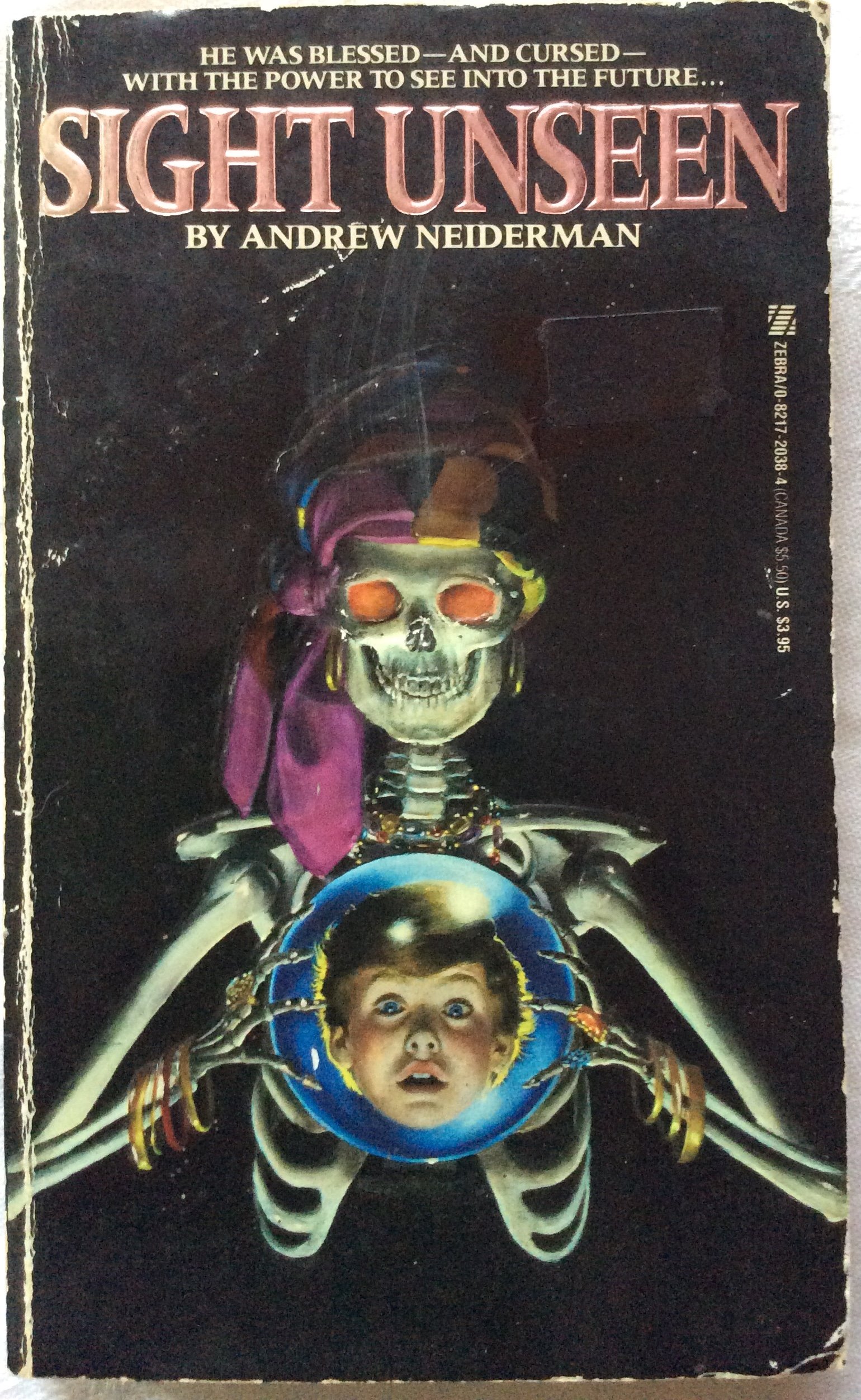
                • Cover of Sight Unseen
                  Sight Unseen

                  Andrew Neiderman · standalone novel · 1987

                  similar bypsychic powersour worldcontemporaryhorrorparanormal+1 more

                  David was always right. Always. But now that he was growing up, his gift was turning into a power. The power to know things—terrible things—that he didn't want to know. Like who would live . . . and who would die!

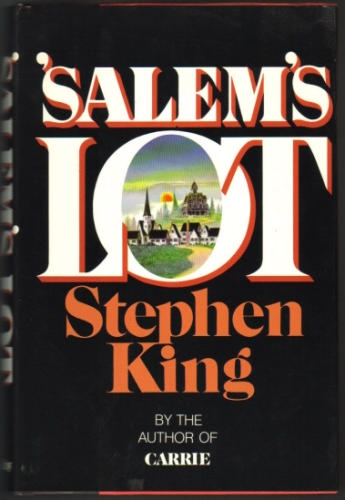
                • Cover of Jerusalem's Lot
                  Jerusalem's Lot

                  series · 3 books · 1975

                  similar byeeriecontemporaryour worldhorror

                  Stephen King's 1975 novel 'Salem's Lot follows writer Ben Mears as he returns to his childhood town of Jerusalem's Lot, Maine, only to discover that its residents are being turned into vampires by a newly arrived stranger. It transplants Gothic vampire horror into a small New England community, tracking that community's collapse under a supernatural siege. It is a single, self-contained novel.