More like The D'Karon Apprentice
anchored on:epic fantasysecondary world
but
- Thomas Covenant the Unbeliever
series11 books1977
similar byepic fantasydarksecondary worldquests+1 more
The Chronicles of Thomas Covenant is a series of ten high fantasy novels written by American author Stephen R. Donaldson. The series began as a trilogy, The Chronicles of Thomas Covenant the Unbeliever. This was followed by another trilogy, The Second Chronicles of Thomas Covenant, and finally a tetralogy, The Last Chronicles of Thomas Covenant.
- The Hobbit
series2 books1937
completed
part of Tolkien's legendarium
similar byepic fantasysecondary worldquestsadventurous+2 more
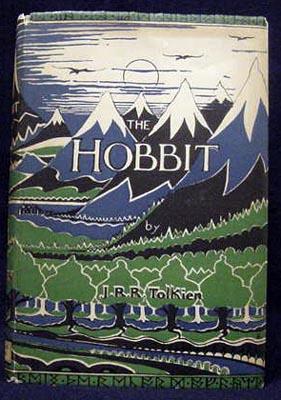
The Hobbit (1937) is J. R. R. Tolkien's children's fantasy novel following the reluctant burglar Bilbo Baggins, who joins a company of dwarves and the wizard Gandalf on a journey to reclaim treasure guarded by the dragon Smaug. It stands as a complete adventure on its own, but shares its setting with the rest of Tolkien's legendarium and leads into the events of The Lord of the Rings.
- Chronicles of Blood and Stone
series3 books2002
similar byepic fantasychosen onesecondary worldwizardsquestsadventurous+1 more
- The Lord of the Rings
series13 books1954
part of Tolkien's legendarium
similar byepic fantasysecondary world+3 more
The Lord of the Rings is an epic high fantasy novel written by the English author and scholar J. R. R. Tolkien. Set in Middle-earth, the story began as a sequel to Tolkien's 1937 children's book The Hobbit but eventually developed into a much larger work. Written in stages between 1937 and 1949, The Lord of the Rings is one of the best-selling books ever written, with over 150 million copies sold.
- Rigante
series4 books1998
completed
similar byepic fantasydarksecondary world+2 more
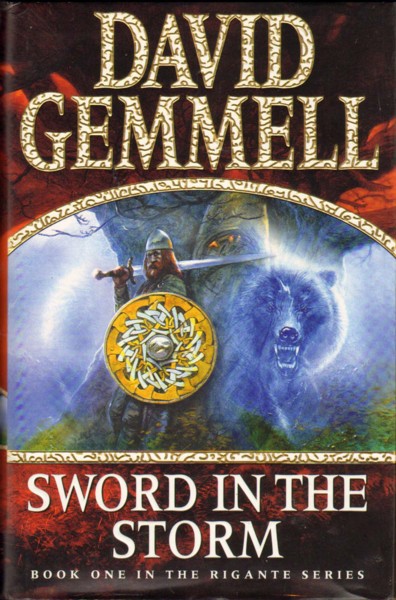
Sword in the Storm opens David Gemmell's Rigante sequence, following Connavar, a young tribesman of the Rigante people whose homeland faces both internal clan conflict and the looming threat of a technologically superior empire modeled on Rome. The series spans generations of the Rigante across four novels, mixing Gemmell's trademark heroic-fantasy action with Celtic-flavored history. It was published between 1998 and 2002.
- A Song of Ice and Fire
series14 books1996
part of World of Ice and Fire
similar byepic fantasydarksecondary world
A Song of Ice and Fire is a series of high fantasy novels by the American author George R. R. Martin. Martin began writing the first volume, A Game of Thrones, in 1991, and published it in 1996. Martin, who originally envisioned the series as a trilogy, has released five out of seven planned volumes. The most recent entry in the series, A Dance with Dragons, was published in 2011. Since then, Martin has been working on the sixth novel, titled The Winds of Winter. A seventh novel, A Dream of Spring, is planned to follow.
- Pellinor
series5 books2002
similar byepic fantasychosen onesecondary worldquestsadventurous+1 more
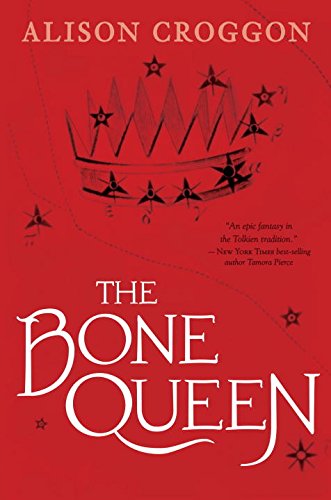
Maerad has spent most of her life enslaved on a remote farm, until the wandering Bard Cadvan recognizes in her the Gift -- a rare and powerful magical ability -- and takes her from captivity into training. Alison Croggon's Books of Pellinor follow Maerad across the world of Edil-Amarandh as she's drawn into a prophecy naming her the only one who might stop the Nameless One, an ancient and corrupting sorcerer, while she also searches for her lost family. The series runs through The Gift, The Riddle, The Crow, The Singing, and the later prequel The Bone Queen.
- The Well at the World's End
William Morrisstandalone novel1896
similar byepic fantasysecondary worldquestsadventurous+1 more
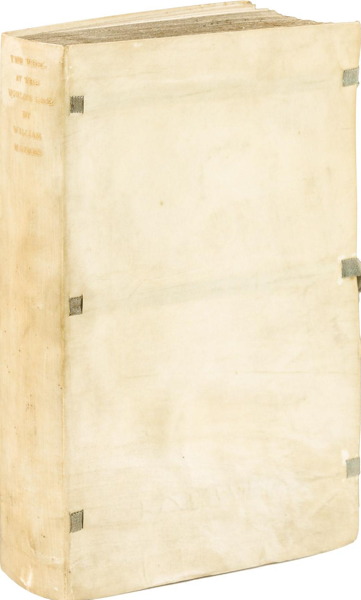
The Well at the World's End is a high fantasy novel by the British textile designer, poet, and author William Morris. It was first published in 1896 and has been reprinted repeatedly since, most notably in two parts as the 20th and 21st volumes of the Ballantine Adult Fantasy series, in August and September 1970.
- Shannara
universe50 books1977
Start hereWord and the Void · The very beginning of the timeline
similar byepic fantasysecondary world+2 more
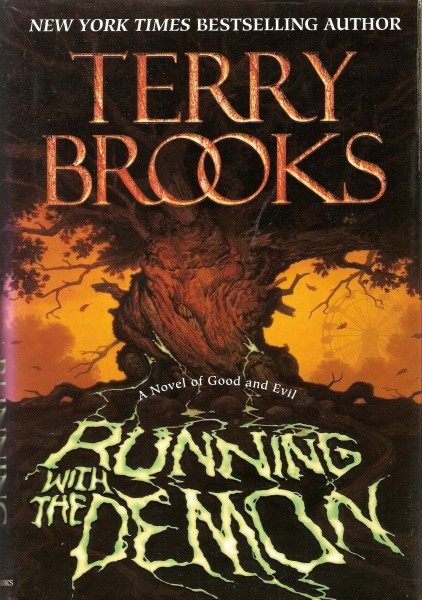
Long after the world we know has burned itself to slag in the Great Wars, the Four Lands rise green over the bones of the old age. Science is a forbidden memory; magic has come back into the world, and with it the old divisions — Men, Elves, Dwarves, Trolls, and Gnomes, each Race a splinter of what humanity became. This is the far-future Earth of Shannara, where the ruins buried beneath the soil are ours, and the only keepers of the vanished knowledge are the Druids of Paranor, who wake once a generation to meet the darkness rising again. Terry Brooks opened the Four Lands in 1977 with The Sword of Shannara and has charted its history for four decades since — a legendarium ordered not by throne but by a single bloodline, the Ohmsfords, each generation inheriting an Elfstone, a blade, or a wishsong when the age demands a hero. The original trilogy gives way to the Heritage of Shannara, the Voyage of the Jerle Shannara, the High Druid, Dark Legacy, Defenders, and the concluding Fall of Shannara; the Genesis of Shannara books reach back to the apocalypse itself, and the Word and the Void trilogy back further still, into a demon-haunted version of our own present that is the root of everything after. In 2025 Brooks passed the histories to Delilah S. Dawson to carry forward. What sets these books apart is their long memory: a world where every triumph is provisional, where the same evil returns wearing a fresh shape each age, and magic always exacts its price. The reading is warm and headlong — questing companies, old talismans, journeys across a mapped and named wilderness — shadowed by the knowledge that all of it stands on the wreckage of a former world. Enter as readers first did: with The Sword of Shannara, then onward in publication order. The chronological path, beginning with Word and the Void, rewards a second journey, once the Four Lands already feel like home.
- The Watergivers / The Stormlord Trilogy
series3 books2009
similar byepic fantasysecondary world+4 more
- Starside
Alex Asterstandalone novel2026
similar byepic fantasydarksecondary worldquestsadventurous+1 more
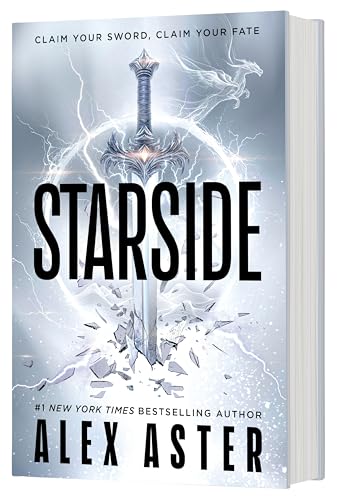
Hundreds of years ago, a brutal war split a land in two. Starside is the realm of magic and immortals—the descendants of the gods, living in a power-rich paradise. Stormside is where mortals fight for scraps of that magic. Every fifty years, the gates between them open, and fifty challengers are allowed to journey across Starside on a deadly quest to access a pool of magic that can heal, grant wealth, or extend life. Everyone has their reasons for entering, but Aris has only vengeance. As a child, a goddess set fire to her village, killing her family. Aris isn’t after the gods’ magic—she’s going to kill them. First, she must survive the Culling, the king’s deadly competition to choose his fifty challengers. An orphaned blacksmith’s apprentice, Aris doesn’t have the superior weapons of the heirs from the Great Houses. But the greatest swords—ones that contain power—are not inherited or bought, they are claimed, by both sides. And when Aris claims a great sword, it makes her not just a real competitor—but a target. Getting past the gates is only the beginning. Starside is deadlier than it seems. If the ancient creatures, magic-wielding beasts, and bloodthirsty immortals weren’t dangerous enough, a new peril has even immortals fearing what rises from the ground at night. With a blade most would kill to claim, Aris can’t trust anyone. Especially not Harlan Raker, the merciless and mysterious king’s guard who betrayed her years ago—and who may now be the key to her survival. But Aris is hiding a secret tied to her family’s death. And when it’s revealed, not even the gods will be able to stop what’s coming…
- Demon Wars
series4 books1997
part of Corona
similar byepic fantasydarksecondary world+1 more
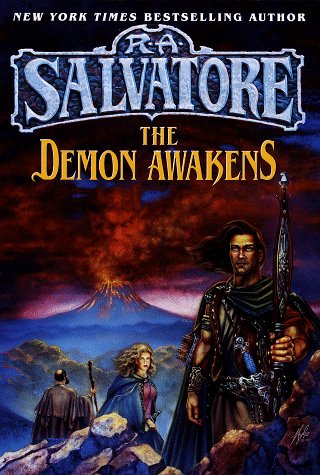
The DemonWars Saga is a series of high fantasy novels by R. A. Salvatore. It is set in the world of Corona, primarily in the kingdoms of Honce-the-Bear and Behren, and amongst the nomadic To-gai-ru. The series is separated into two trilogies connected by a single book, Mortalis. The saga has an accompanying roleplaying game entitled Demon Wars.
- Dragonlance: Legends Trilogy
series3 books1986
part of Dragonlance
similar byepic fantasysecondary worldwizards+3 more
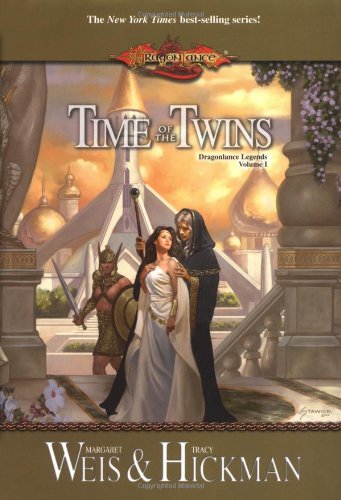
Dragonlance Legends is a trilogy of fantasy novels written by Margaret Weis and Tracy Hickman, which take place in the Dragonlance setting. This series is the sequel to the Dragonlance Chronicles, and focus on Raistlin and Caramon. The three books in the series are Time of the Twins, War of the Twins and Test of the Twins.
- Forgotten Realms: The Legend of Drizzt
series39 books1988
part of Forgotten Realms
similar byepic fantasysecondary worldadventurous+2 more
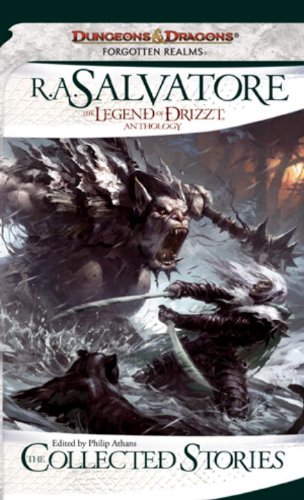
The Legend of Drizzt is a series of fantasy novels by R. A. Salvatore that began in 1988, and consists of 39 books as of August 15, 2023. They are based in the Forgotten Realms setting in the dimension of Abeir-Toril on the continent Faerûn in the Dungeons & Dragons universe currently published and owned by Wizards of the Coast. It combines the series The Dark Elf Trilogy, The Icewind Dale Trilogy, Legacy of the Drow, Paths of Darkness, The Hunter's Blades Trilogy, and other sets into an abridged compilation. Drizzt Do'Urden is the main character of most of the books.
- Cycle of Fire
series3 books1984
similar byepic fantasysecondary world+3 more
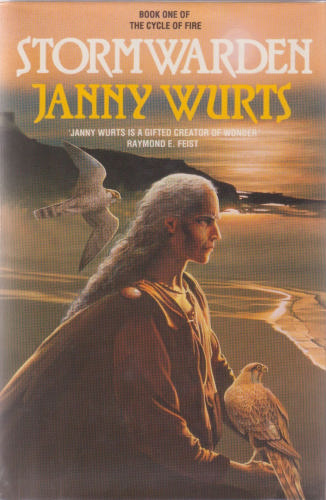
Janny Wurts's Cycle of Fire trilogy follows Elienne, a princess married off to a border lord for a political alliance, who is drawn into his secret role protecting the world from a group of extradimensional sorcerers called the Vaere. Keeper of the Keys and Shadowfane escalate that hidden war as the enemy's plans come into focus. It's an early solo work for Wurts, predating her long-running Wars of Light and Shadow series.
- Richard and Kahlan
series9 books2011
completed
part of Sword of Truth
similar byepic fantasysecondary world+3 more
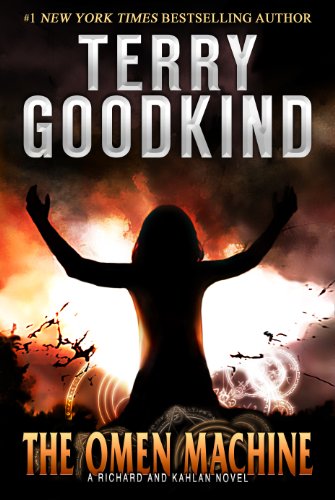
Terry Goodkind's Richard and Kahlan novels pick up the Sword of Truth's central couple after the conclusion of that eleven-book series, opening with The Omen Machine as a mysterious device begins issuing dire, unexplained prophecies that threaten to unravel the peace they fought for. The quartet continues their rule and their marriage under new, more localized threats.
- Starless
Jacqueline Careystandalone novel2018
similar byepic fantasychosen onesecondary worldquestsadventurous+1 more
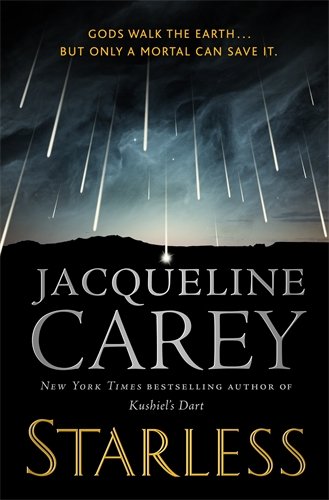
Destined from birth to serve as protector of the princess Zariya, Khai is trained in the arts of killing and stealth by a warrior sect in the deep desert. In a world where exiled gods live among mortals, the dark god Miasmus is rising, intent on nothing less than wholesale destruction. To keep Zariya alive, Khai's only hope lies with an unlikely crew of prophecy-seekers, on a journey that will take them farther beneath the starless skies than anyone can imagine. And Khai is unaware there is one profound truth that has been withheld from him....-- adapted from jacket.
- Throne of Glass
series15 books2012
similar byepic fantasysecondary world+3 more
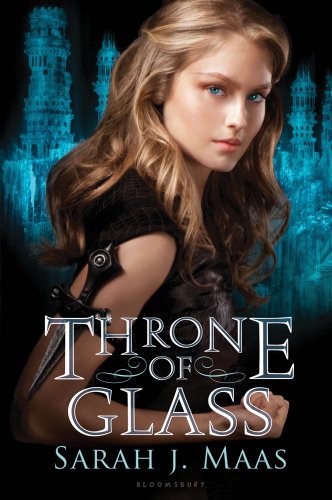
Throne of Glass is a epic fantasy novel series by American author Sarah J. Maas, beginning with the entry of the same name, released on August 2, 2012. The story follows the journey of Celaena Sardothien, a teenage assassin in a corrupt kingdom with a tyrannical ruler, the King of Adarlan. As the story progresses, Celaena forms unexpected bonds and uncovers a conspiracy amidst her adventures. The series concluded with the eighth book in October 2018.
- Malazan
universe36 books1999
Start hereMalazan Book of the Fallen · Start here
similar byepic fantasydarksecondary world
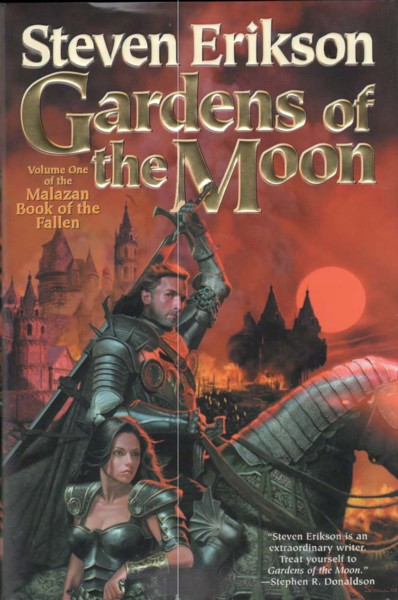
Pity the historian who tries to map this world; pity more the god who thinks he rules it. The Malazan Empire marches across continents on the boots of its common soldiers, and above them move Ascendants — mortals grown into something like gods, and gods worn thin as old coin. Magic is drawn from Warrens, roads of power threaded through reality; the dead keep their grudges; and every empire, however vast, is a wager against time. This is epic fantasy told from the mud, where a sapper cracking a joke weighs as much as an immortal settling a feud older than the human race. The world began as a tabletop campaign two friends built in the 1980s, and it still moves by two hands. Steven Erikson's ten-volume Malazan Book of the Fallen is the spine — Gardens of the Moon, Deadhouse Gates, Memories of Ice, on through The Crippled God — each book a near-standalone campaign that only later reveals how it locks together. Ian C. Esslemont walks the same years from a different vantage in his Novels of the Malazan Empire (Night of Knives, Return of the Crimson Guard onward). Around them stand the prequels: Erikson's Kharkanas Trilogy, archaic and elegiac, chronicling a doomed elder people, and Esslemont's brisker Path to Ascendancy, following two adventurers before they became legends. Erikson's Witness sequence carries the tale forward, and novellas of the genial necromancers Bauchelain and Korbal Broach supply the gallows comedy. Nothing is explained to you; comprehension is earned, and that is the pleasure. The themes run deep — compassion set against cruelty, the toll empires charge, civilizations that fall and are mourned. Begin where the saga does, with Erikson's Gardens of the Moon, and read the ten in publication order; the prequels are for the already-initiated. Trust that confusion is the price of entry.
- Dragon Age (Bioware RPG tie-in)
series21 books2009
similar byepic fantasysecondary world+2 more
These tie-in novels expand BioWare's Dragon Age video game series into prose, mostly written by the games' own lead writers, and are set in the same dark-fantasy world of Thedas. The Stolen Throne and The Calling serve as prequels filling in the backstory of characters central to the first game, while later books such as Asunder and The Masked Empire tie more directly into the plots and politics of the sequels. They are written for players wanting deeper lore rather than as standalone entry points to the setting.
- The Crescent Moon Kingdoms
series1 book2012
similar byepic fantasysecondary worldwizardsquestsadventurous+1 more
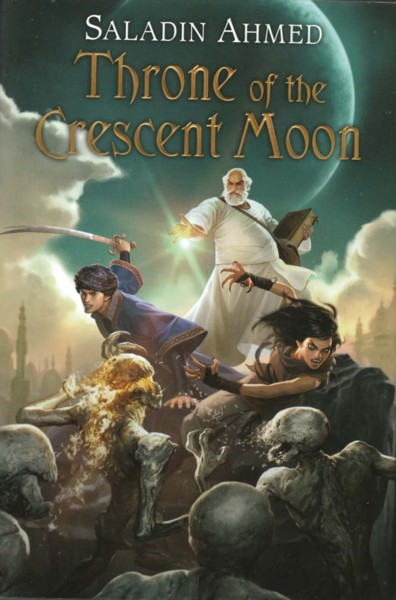
Saladin Ahmed's The Crescent Moon Kingdoms opens with Throne of the Crescent Moon, set in a realm of djenn and ghuls where a power struggle between an iron-fisted Khalif and a mysterious master thief called the Falcon Prince erupts alongside a series of brutal, supernatural murders. A handful of reluctant heroes must uncover the truth behind the killings before the kingdom tears itself apart.
- Riftwar Saga
series7 books1982
part of The Riftwar Universe
similar byepic fantasysecondary worldadventurous+1 more
The Riftwar Saga is Raymond E. Feist's debut fantasy trilogy, opening with Magician, in which an orphaned apprentice named Pug is swept up when otherworldly invaders emerge through a dimensional rift into the frontier kingdom of Midkemia. Silverthorn and A Darkness at Sethanon carry the resulting war to its close, and the trilogy became the founding entry of Feist's much larger Riftwar Cycle.
- The Grisha
series9 books2012
part of Grishaverse
similar bychosen oneepic fantasysecondary worldadventurous+1 more
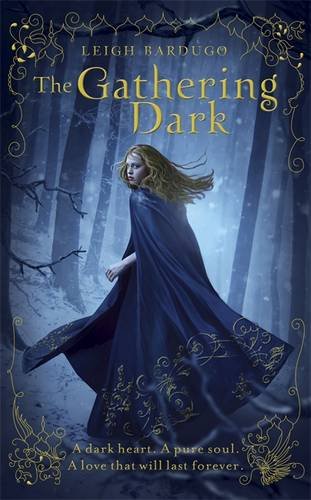
Leigh Bardugo is an American fantasy author. She is best known for her young adult Grishaverse novels, which include the Shadow and Bone trilogy and the Six of Crows and King of Scars duologies. She also received acclaim for her paranormal fantasy adult debut, Ninth House. The Shadow and Bone and Six of Crows series have been adapted into Shadow and Bone by Netflix, and Ninth House will be adapted by Amazon Studios; Bardugo is an executive producer on both works.