More like The Experiments
anchored on:horrorcontemporaryghost storiesnorth america
but
- The Shining
series5 books1977
similar bytensenorth americahorrorcontemporary+1 more
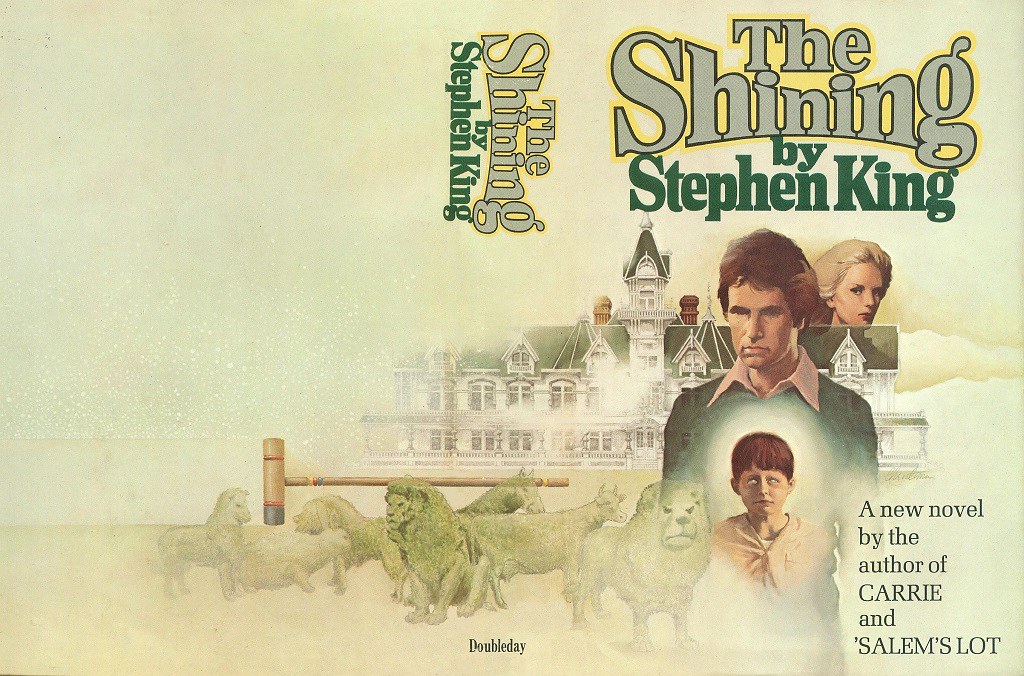
Stephen King's 1977 novel The Shining follows the Torrance family as winter caretakers of the isolated, malevolent Overlook Hotel, where father Jack is gradually consumed by the hotel's influence while his young son Danny's psychic "shining" draws its attention. Doctor Sleep (2013) picks up the story decades later, following Danny as an adult still marked by that childhood ordeal. Together the two form a horror duology spanning nearly forty years of real-world publication.
- Jerusalem's Lot
series3 books1975
similar bytensecontemporarynorth americahorroreerie
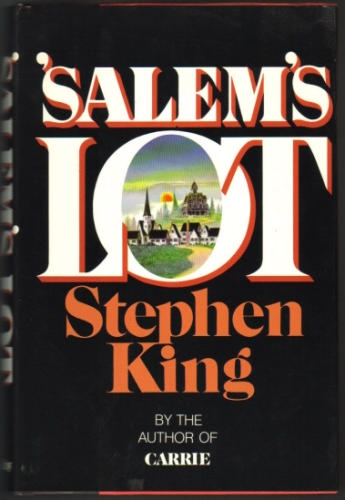
Stephen King's 1975 novel 'Salem's Lot follows writer Ben Mears as he returns to his childhood town of Jerusalem's Lot, Maine, only to discover that its residents are being turned into vampires by a newly arrived stranger. It transplants Gothic vampire horror into a small New England community, tracking that community's collapse under a supernatural siege. It is a single, self-contained novel.
- Hell House
Richard Mathesonstandalone novel1971
similar bytensecontemporarynorth americahorrorghost storieseerie
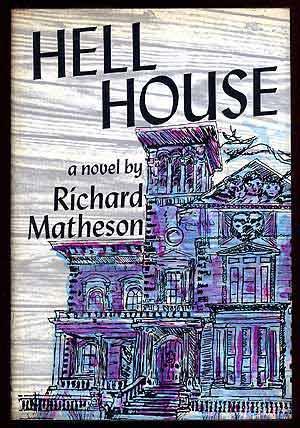
A dying millionaire wants proof, once and for all, of what happens after death, and hires physicist-turned-parapsychologist Dr. Lionel Barrett to spend a week investigating the Belasco House in Maine -- a mansion so thoroughly associated with atrocity that it's known simply as Hell House, where every previous investigation has ended in death or madness. Barrett brings his wife Edith along with two mediums, the spiritualist Florence Tanner and Benjamin Franklin Fischer, survivor of an earlier disastrous visit, whose scientific skepticism and spiritualist convictions clash from the first night inside. Richard Matheson's haunted-house novel, later filmed as The Legend of Hell House.
- Heart-Shaped Box
Joe Hillstandalone novel2007
similar bytensecontemporarynorth americahorrorghost stories
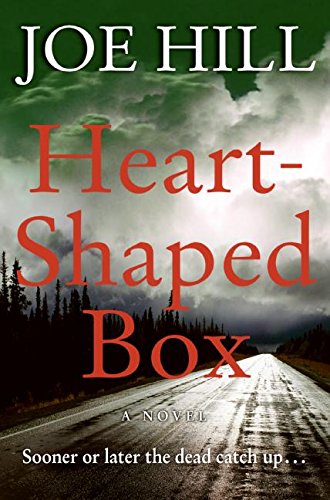
Heart-Shaped Box is the debut horror novel by American author Joe Hill. The book was published on February 13, 2007, by William Morrow.
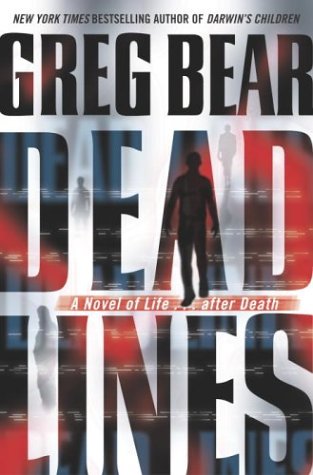
- Dead Lines
Greg Bearstandalone novel2004
similar bycontemporarynorth americahorrorghost storieseerie+1 more
From the flaps of the Ballantine first edition: "For the last two years, Peter Russell has mourned the death of one of his twin daughters - who was just ten when she was murdered. Recent news of his best friend's fatal heart attack has now come as another devastating blow. Divorced, despondent, and going nowhere in his career, Peter fears his life is circling the drain. Then Trans comes along. The brainchild of an upstart telecom company, Trans is (as its name suggests) a transcendent marvel, a sleek, handheld interpersonal communication device capable of flawless operation anywhere in the world, at any time. "A cell phone, but not" - transmitting with crystal clarity across a newly discovered, never-utilized bandwidth... and poised to spark a new-technology revolution. When its creators offer Peter a position on their team, it should be a golden opportunity for him. If only he wasn't seemingly going mad. Everywhere Peter turns, inexplicable apparitions are walking before him or reaching out in torment. After a chilling encounter with his own lost child he begins to grasp the terrifying truth: Trans is a Pandora's box that has tapped into a frequency not of this world... but of the next. And now, via this open channel to oblivion, the dead have gained access to the living. For Peter, and for humankind, a long shadowy night of the soul has descended, bringing with it the stuff of a horrifying nightmare from which they may never awaken."
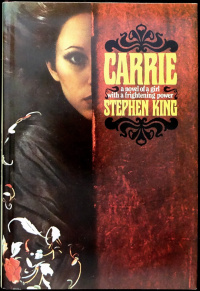
- Carrie
Stephen Kingstandalone novel1974
similar bytensecontemporarynorth americahorror
In one way or another, everybody abused Carrie. This sixteen-year-old misfit was forbidden everything that was young and fun by her fanatical mother. She was teased and taunted by her classmates, misunderstood by her teachers, and given up as hopeless by almost everyone. But Carrie had a secret: She possessed terrifying telekinetic powers that could make inanimate objects move, a lighted candle fall, or a door lock. Carrie could make all kinds of startling bizarre, and malevolent things happen. (WorldCat)
- The House on Moon Creek Avenue
E. Reyesstandalone novel2020
similar bytensecontemporarynorth americahorrorghost storieseerie
● "Cindy is a twenty-one-year-old single mother, retail worker, and college student. She inherits her grandmother's home on Moon Creek Avenue after she passes away. At first, the home is comfortable, nostalgic of Cindy's childhood at nana's, and her daughter enjoys the home, too. But soon, ghosts randomly appear day and night, doors open and close, a streak of bad luck begins, Cindy and her daughter have unsettling nightmares, and Cindy's mental state is pushed to the edge. When Cindy's video recording of paranormal activity goes viral on social media, she gets the attention of famous ghost hunters. Without anywhere else to turn, Cindy accepts their help." ― paraphrased from this book's product page on Amazon.com as of 2024-09-26.
- Insomnia
Stephen Kingstandalone novel1994
similar bytensecontemporarynorth americahorroreerie
When an elderly widower in Maine finds himself with sleep maintenance insomnia, awakening early every morning, this state of exhaustion allows him to perceive a higher state of reality, where he learns of an impending disaster which will shake not just the Earthly reality. but all the higher realities, and which he has been recruited to prevent.
- White Smoke
Tiffany D. Jacksonstandalone novel2021
similar bytensecontemporarynorth americahorrorghost storieseerie
Marigold is running from ghosts. The phantoms of her old life keep haunting her, but a move with her newly blended family from their small California beach town to the embattled Midwestern city of Cedarville might be the fresh start she needs. Her mom has accepted a new job with the Sterling Foundation that comes with a free house, one that Mari now has to share with her bratty ten-year-old stepsister, Piper. The renovated picture-perfect home on Maple Street, sitting between dilapidated houses, surrounded by wary neighbors has its... secrets. That’s only half the problem: household items vanish, doors open on their own, lights turn off, shadows walk past rooms, voices can be heard in the walls, and there’s a foul smell seeping through the vents only Mari seems to notice. Worse: Piper keeps talking about a friend who wants Mari gone. But "running from ghosts" is just a metaphor, right? As the house closes in, Mari learns that the danger isn’t limited to Maple Street. Cedarville has its secrets, too. And secrets always find their way through the cracks.
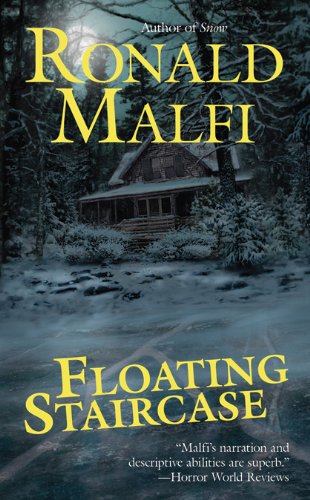
- Floating Staircase
Ronald Malfistandalone novel2010
similar bytensecontemporarynorth americahorrorghost storieseerie
Floating Staircase is a ghost story/mystery novel by American writer Ronald Malfi. It was published in 2011 by Medallion Press, with a limited edition hardcover collectors edition from Thunderstorm Books, which contained an original author's "Afterward" not in the paperback novel. The novel was nominated by the Horror Writers Association for a Bram Stoker Award for Best Novel, and it won a Gold IPPY Award for best horror novel of 2011.
- Wait Till Helen Comes
Mary Downing Hahnstandalone novel1986
similar bytensecontemporarynorth americahorrorghost storieseerie
"Molly and Michael dislike their spooky new stepsister Heather but realize that they must try to save her when she seems ready to follow a ghost child to her doom." (source: Open Library.
- Later
Stephen Kingstandalone novel2021
similar bytensecontemporarynorth americahorrorghost storieseerie
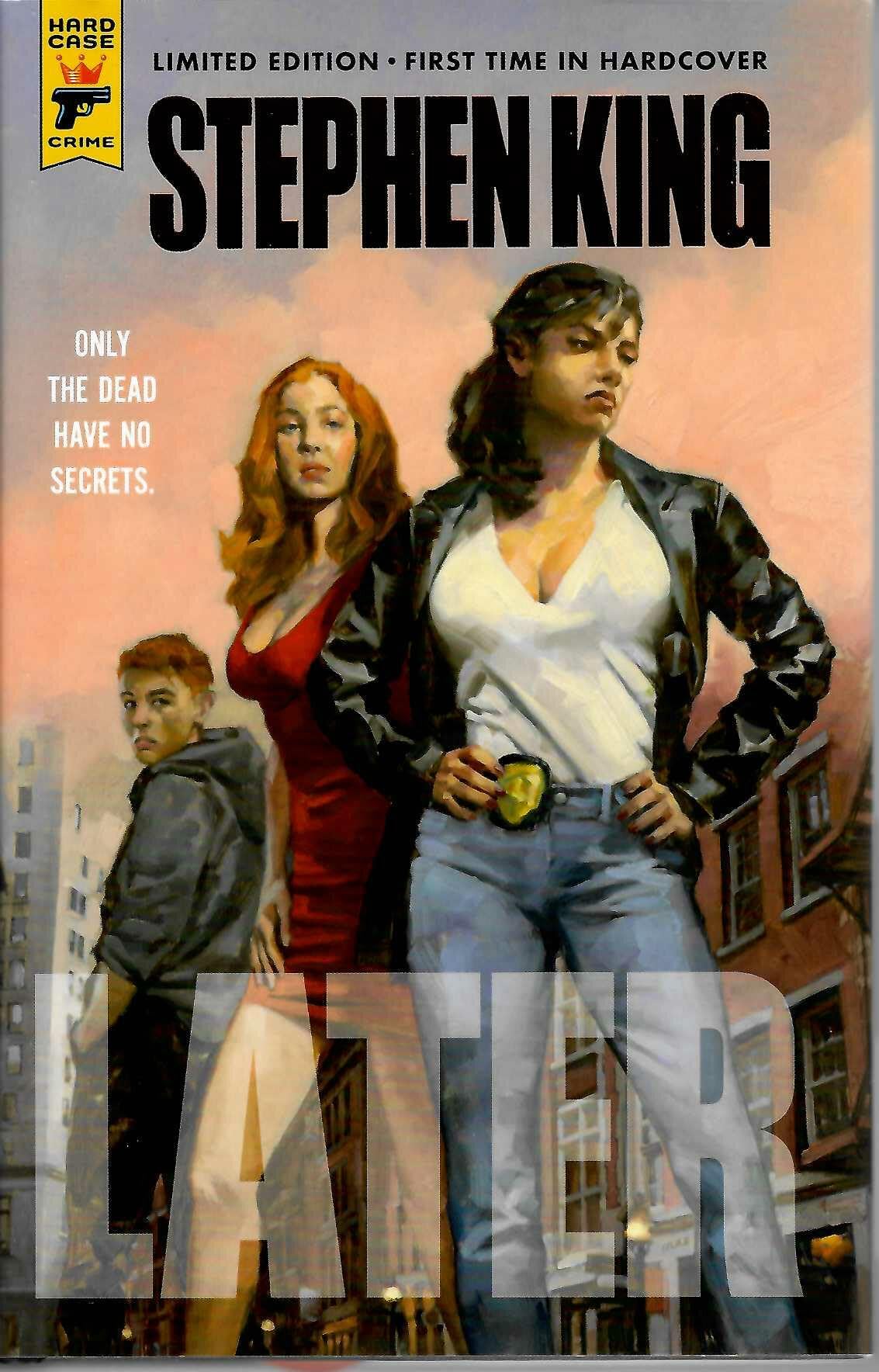
A young boy, with the power of seeing and talking with the recently deceased, and his single mother try to avoid personal and financial disasters.
- Ghost Story
Peter Straubstandalone novel1979
similar bytensenorth americahorrorghost storieseerie
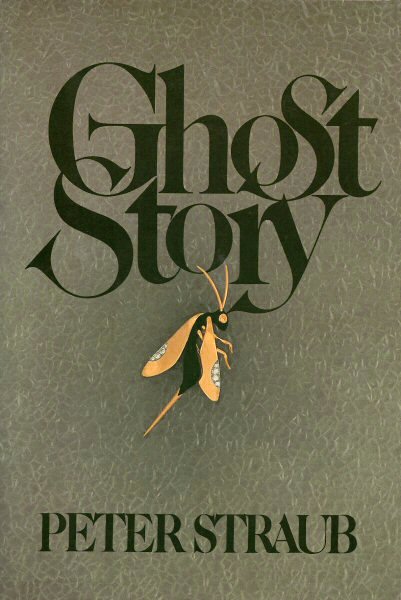
Four prominent citizens of a small town in upstate New York who share guilt over something that happened in their youth are revisited late in life by a destructive evil force which uses their guilt as an opportunity to destroy them as well as the entire town.
- Harvest Home
Thomas Tryonstandalone novel1973
similar bytensecontemporarynorth americahorroreerie
What is the dark secret the people (especially the women!) of Harvest Home are hiding? A family tries to get out of the City and finds the perfect home for their young daughter complete with folk remedies for her allergies and sensitivities in the local wisewoman. But is there something sinister under the surface of the charming little town?
- Castle Rock
series16 books1978
similar bynorth americahorrorcontemporary+2 more
Castle Rock is the fictional Maine town that links a cluster of otherwise separate Stephen King novels and novellas, including The Dead Zone, Cujo, The Dark Half, Needful Things, and Elevation. Rather than telling one continuous story, the books share a setting and occasional recurring figures, such as Sheriff Alan Pangborn, while each follows its own self-contained plot and cast. Any title can be read on its own without needing the others.
- Wildwood Road
Christopher Goldenstandalone novel2005
similar bytensecontemporarynorth americahorrorghost storieseerie
Michael and Jillian Dansky seemed to have it all--a happy marriage, two successful careers, a bright future. But late one October evening, all that changed. Driving home from a Halloween masquerade, Michael momentarily nods off behind the wheel--and wakes to find nothing is the same.Standing by his car is the little girl he came within a breath of running down. She leads Michael to her "home," an empty house haunted by whispers, and sends him away with a haunting whisper of her own: "come find me." But in the weeks to follow, it's clear that someone--or some thing--doesn't want Michael to find her: ominous figures in grey coats with misshapen faces are following him everywhere. And then Jillian wakes one morning replaced by a cold, cruel, vindictive woman Michael hardly recognizes as his wife. Michael must now search not only for the lost girl, but for a way to find the Jillian he's always loved, and to do so he must return to where the nightmare began. Down an isolated lane where he'll find them, or die trying.From the Trade Paperback edition.
- Rosemary Reilly
series2 books1967
completed
similar bytensenorth americahorror+2 more
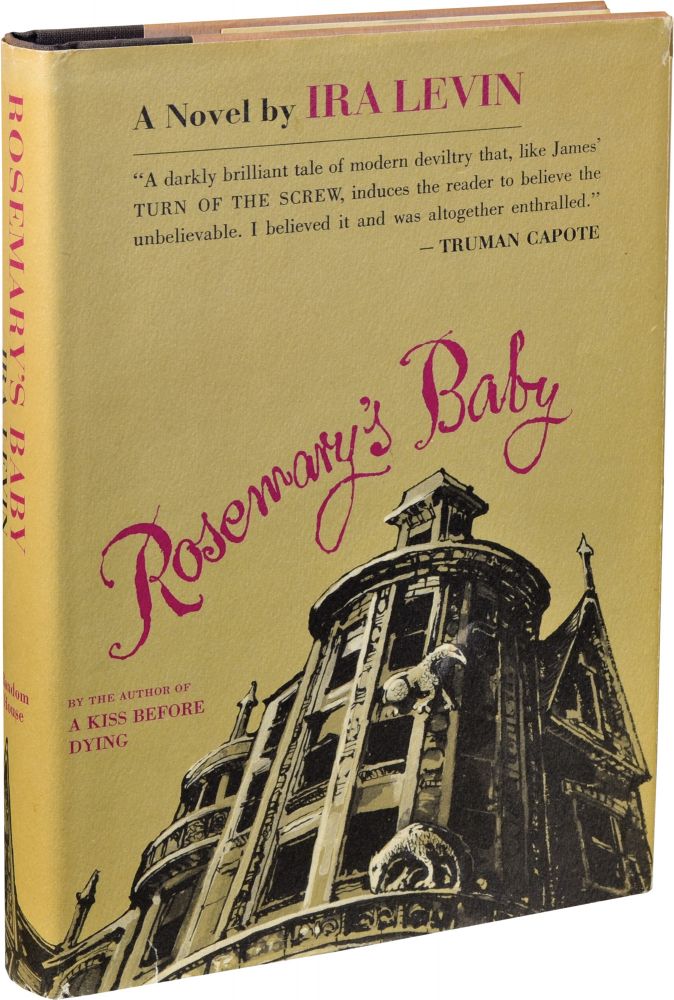
Rosemary's Baby follows a young wife in a Gothic Manhattan apartment building who grows increasingly convinced that her elderly neighbors, and even her own husband, are part of a conspiracy surrounding her pregnancy. Ira Levin returned to the character thirty years later in the 1997 sequel Son of Rosemary. Together the two novels form a short, self-contained horror series about faith, control, and motherhood.
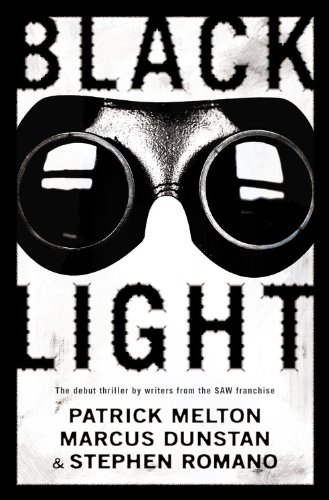
- Black Light
Patrick Melton, Marcus Dunstan & Stephen Romanostandalone novel2011
similar bytensecontemporarynorth americahorrorghost storieseerie
A psychic for hire, who disposes of malignant ghosts by absorbing them then excreting them, in the process experiences enhanced spiritual vision, the "Black light". He is hired by an enormously wealthy and powerful industrialist to defend the trial run of a bullet train from Los Angeles to Las Vegas, which passes through an area of the desert particularly notorious for powerfully evil ghost presences; the same area which took the lives of his father and mother when he was a child.
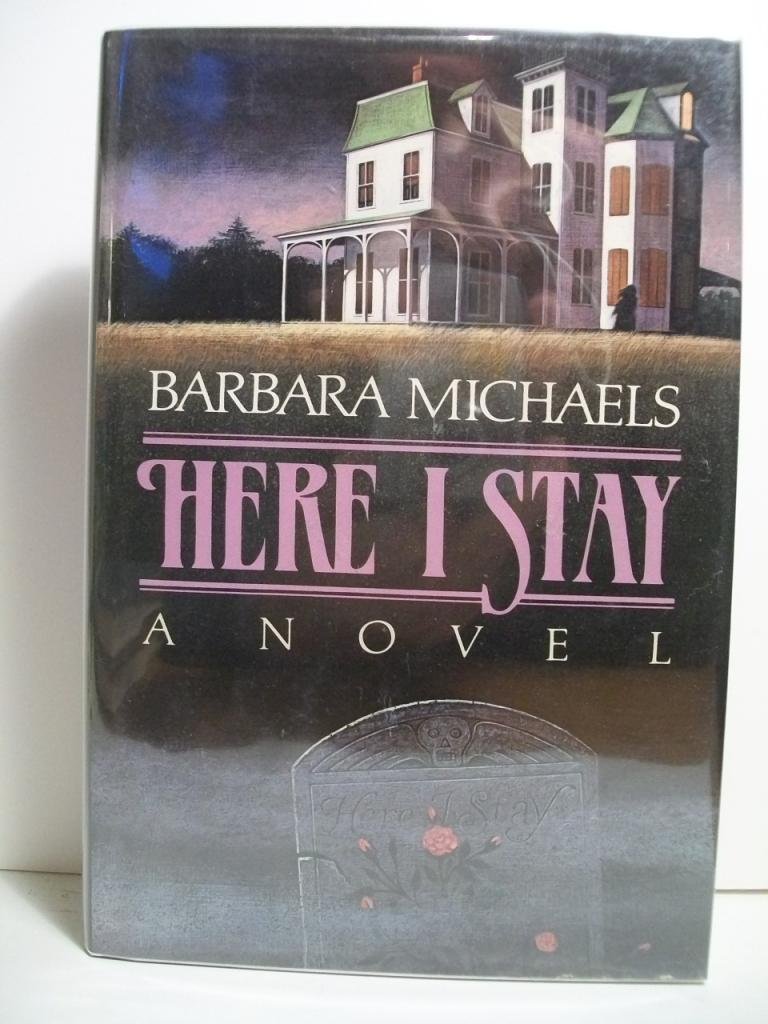
- Here I Stay
Barbara Michaelsstandalone novel1983
similar bytensecontemporarynorth americahorrorghost storieseerie
Andrea Torgesen is certain that hard work is exactly what her younger brother Jim needs to help him recover from the trauma of a serious car accident—and turning a decrepit old mansion into a beautiful country inn seems to be the perfect project. But unearthly voices and eerie visions haunt Jim from almost the first instant he sets foot in the dreary old house. And his strange obsession with a long-neglected graveyard is most troubling to his concerned sibling. There is evil in this place where the unthinkable is possible—a terrifying force that Andrea and Jim must confront . . . or forfeit their lives.
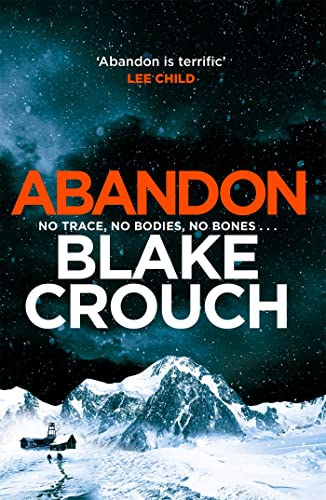
- Abandon
Blake Crouchstandalone novel2023
similar bytensecontemporarynorth americahorrorghost storieseerie
On Christmas Day in 1893, every man, woman, and child in a remote mining town will disappear, belongings forsaken, meals left to freeze in vacant cabins, and not a single bone will be found -- not even the gold that was rumored to have been the pride of this town. One hundred and thirteen years later, two backcountry guides are hired by a leading history professor and his journalist daughter to lead them into the abandoned mining town so they can learn what happened. This has been done once before, but the people who went in did not come out. Joining them are a psychic and a paranormal photographer -- the town is rumored to be haunted. They've come to see a ghost town, but what they are about to discover is that twenty miles from civilization, with a blizzard bearing down upon them, they are not alone, and the past is very much alive.
- Exorcist
series6 books1971
similar byhorrornorth americacontemporary+1 more
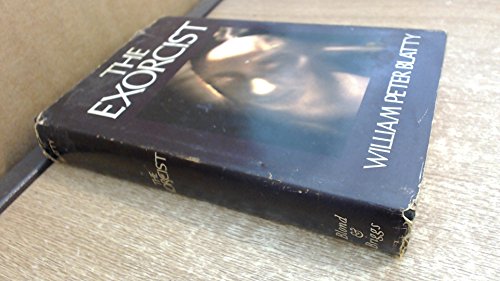
William Peter Blatty's The Exorcist (1971) follows two Catholic priests trying to save a twelve-year-old girl from a violent demonic possession, and became the basis of the acclaimed 1973 film. Blatty returned to the story in 1983 with Legion, in which police detective Bill Kinderman's investigation of a string of ritual murders leads him back to the aftermath of that exorcism and the fate of Father Karras; Legion was later filmed as The Exorcist III. Other Exorcist books are tie-in and franchise material rather than further novels by Blatty himself.
- The Haunting
Joan Lowery Nixonstandalone novel1998
similar bytensecontemporarynorth americahorrorghost storieseerie
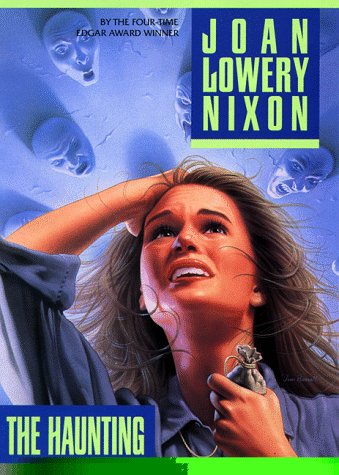
"The walls whisper. The ceilings shriek. No one can survive a night of terror inside Graymoss. The old plantation house has been in Lia's family since the Civil War, but it's been possessed for generations by a malicious spirit, and Lia's family has always stayed far away. Now her parents have decided to move into Graymoss, and Lia must either change their minds or chase away the horror lurking inside the old house. Using clues from her great-great-great-grandmother's diary and an old copy of Favorite Tales of Edgar Allan Poe, Lia must discover what—or who—the evil wants." — quoted from the tenth printing's paperback's back cover.