More like The Sorcery Code
anchored on:secondary world
but
- The Lord of the Rings
series13 books1954
part of Tolkien's legendarium
similar bysecondary world+3 more
The Lord of the Rings is an epic high fantasy novel written by the English author and scholar J. R. R. Tolkien. Set in Middle-earth, the story began as a sequel to Tolkien's 1937 children's book The Hobbit but eventually developed into a much larger work. Written in stages between 1937 and 1949, The Lord of the Rings is one of the best-selling books ever written, with over 150 million copies sold.
- The Hobbit
series2 books1937
completed
part of Tolkien's legendarium
similar byfantasyadventuroussecondary world+2 more
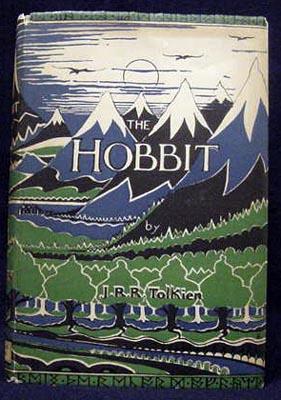
The Hobbit (1937) is J. R. R. Tolkien's children's fantasy novel following the reluctant burglar Bilbo Baggins, who joins a company of dwarves and the wizard Gandalf on a journey to reclaim treasure guarded by the dragon Smaug. It stands as a complete adventure on its own, but shares its setting with the rest of Tolkien's legendarium and leads into the events of The Lord of the Rings.
- Shannara
universe50 books1977
Start hereWord and the Void · The very beginning of the timeline
similar byfantasysecondary world+2 more
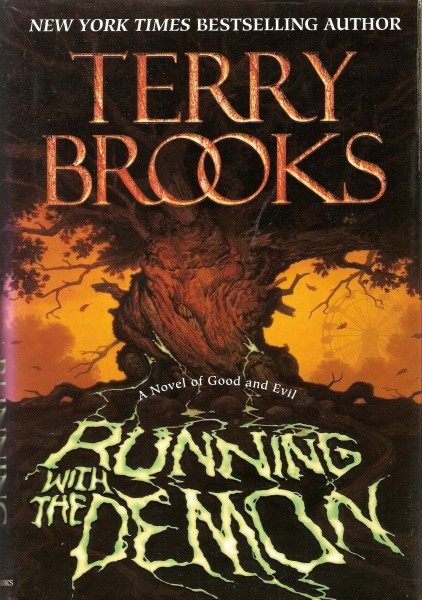
Long after the world we know has burned itself to slag in the Great Wars, the Four Lands rise green over the bones of the old age. Science is a forbidden memory; magic has come back into the world, and with it the old divisions — Men, Elves, Dwarves, Trolls, and Gnomes, each Race a splinter of what humanity became. This is the far-future Earth of Shannara, where the ruins buried beneath the soil are ours, and the only keepers of the vanished knowledge are the Druids of Paranor, who wake once a generation to meet the darkness rising again. Terry Brooks opened the Four Lands in 1977 with The Sword of Shannara and has charted its history for four decades since — a legendarium ordered not by throne but by a single bloodline, the Ohmsfords, each generation inheriting an Elfstone, a blade, or a wishsong when the age demands a hero. The original trilogy gives way to the Heritage of Shannara, the Voyage of the Jerle Shannara, the High Druid, Dark Legacy, Defenders, and the concluding Fall of Shannara; the Genesis of Shannara books reach back to the apocalypse itself, and the Word and the Void trilogy back further still, into a demon-haunted version of our own present that is the root of everything after. In 2025 Brooks passed the histories to Delilah S. Dawson to carry forward. What sets these books apart is their long memory: a world where every triumph is provisional, where the same evil returns wearing a fresh shape each age, and magic always exacts its price. The reading is warm and headlong — questing companies, old talismans, journeys across a mapped and named wilderness — shadowed by the knowledge that all of it stands on the wreckage of a former world. Enter as readers first did: with The Sword of Shannara, then onward in publication order. The chronological path, beginning with Word and the Void, rewards a second journey, once the Four Lands already feel like home.
- Howl's Castle
series3 books1986
completed
similar byfantasyadventuroussecondary world+2 more
Howl's Moving Castle (1986) follows Sophie Hatter, cursed by the Witch of the Waste into an old woman's body, who takes refuge in the wandering castle of the wizard Howl and strikes an uneasy bargain with his fire demon Calcifer while trying to break the spell. Diana Wynne Jones returned to the same magical kingdom in Castle in the Air (1990), following a new lead character, Abdullah, with Sophie and Howl appearing in supporting roles, and again in House of Many Ways (2008).
- Riftwar Saga
series7 books1982
part of The Riftwar Universe
similar byfantasyadventuroussecondary world+1 more
The Riftwar Saga is Raymond E. Feist's debut fantasy trilogy, opening with Magician, in which an orphaned apprentice named Pug is swept up when otherworldly invaders emerge through a dimensional rift into the frontier kingdom of Midkemia. Silverthorn and A Darkness at Sethanon carry the resulting war to its close, and the trilogy became the founding entry of Feist's much larger Riftwar Cycle.
- Elenium
series3 books1989
completed
part of Sparhawk
similar byfantasyadventuroussecondary world+1 more
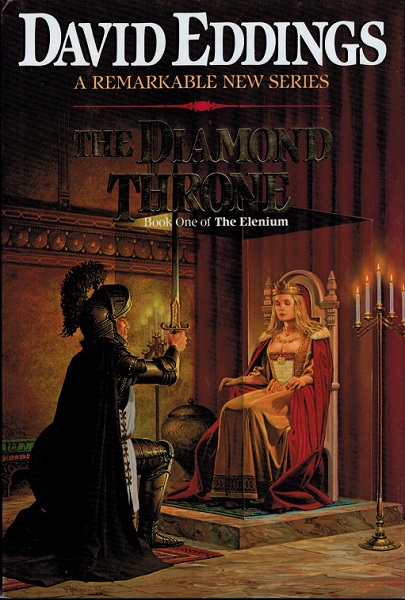
The Elenium is a series of fantasy novels by American writer David Eddings. The series consists of three volumes: The Diamond Throne, The Ruby Knight, and The Sapphire Rose. The series is followed by The Tamuli. The Elenium is Eddings' third fantasy series.
- Dying Earth
series27 books1950
similar byfantasysecondary worldwizards+2 more
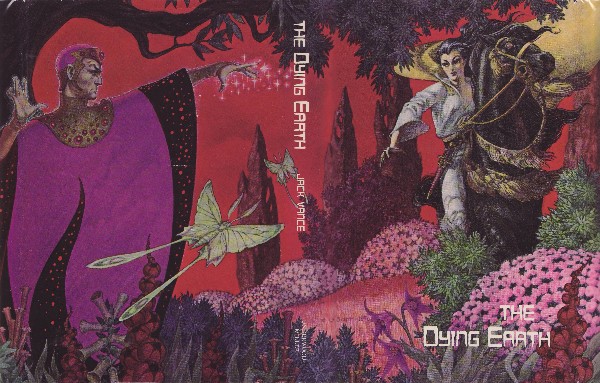
Dying Earth is a speculative fiction series by the American author Jack Vance, comprising four books originally published from 1950 to 1984. Some have been called picaresque. The series includes short story collections, fix-ups, and novels.
- Earthsea Cycle
series18 books1964
completed
part of Earthsea
similar byfantasysecondary worldwizards
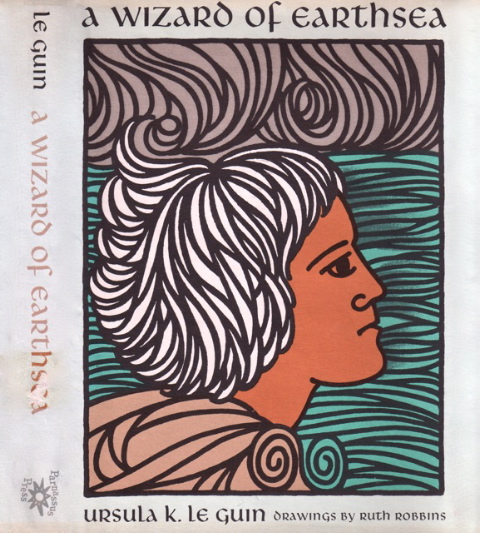
The Earthsea Cycle, also known as Earthsea, is a series of high fantasy books written by American author Ursula K. Le Guin. Beginning with A Wizard of Earthsea (1968), The Tombs of Atuan (1970), and The Farthest Shore (1972), the series was continued in Tehanu (1990), and Tales from Earthsea and The Other Wind. In 2018, all the novels and short stories were published in a single volume, The Books of Earthsea: The Complete Illustrated Edition, with artwork by Charles Vess.
- The Old Kingdom / Abhorsen milieu
series11 books1995
similar byfantasysecondary world
The Old Kingdom, or Abhorsen in North America and the UK, is a fantasy series written by Australian author Garth Nix. It originated in 1995 with the novel Sabriel and has continued in the novels Lirael (2001), Abhorsen (2003), Goldenhand (2016), and Terciel & Elinor (2021), as well as a prequel novel titled Clariel (2014). The Old Kingdom also consists of the novella The Creature in the Case (2005) and various other short fiction.
- The Elric Saga
series72 books1961
part of Moorcock's Multiverse
similar byfantasysecondary world+2 more
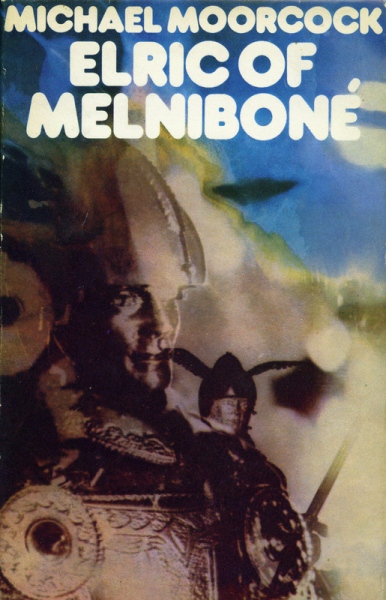
The Elric Saga is Michael Moorcock's sequence of sword-and-sorcery novels about Elric, the frail, sorcery-dependent last emperor of the ancient island empire of Melniboné, who abandons his throne to wander a violent, magic-soaked world carrying a sentient, soul-drinking black sword. Core entries such as Elric of Melniboné, The Sailor on the Seas of Fate, and Stormbringer trace his path toward a self-destructive destiny, and Elric was later folded into Moorcock's wider Eternal Champion multiverse, of which this saga is one strand.
- Sparhawk
universe6 books1989
Start hereElenium · Start here
similar byfantasyadventuroussecondary world+1 more
Sir Sparhawk is not a young man, and he has little patience for the pageantry his order pretends to. A Pandion Knight of the militant Elene Church, he rides home from a long exile to find his kingdom rotten with intrigue and his young queen, Ehlana, poisoned — kept alive only inside a shell of living crystal. To wake her he must find Bhelliom, a jewel with the power to remake the world or unmake it. So begins a long ride across the continent of Eosia. This is warm, character-first epic fantasy from David Eddings, told across two trilogies. The Elenium — The Diamond Throne, The Ruby Knight, The Sapphire Rose — pits Sparhawk against a corrupt church and a hungry elder god. The Tamuli — Domes of Fire, The Shining Ones, The Hidden City — carries him east into the vast Tamul Empire, where older enemies stir. Around him gathers a quarrelsome company: the Styric sorceress Sephrenia, the thief-boy Talen, the plain-spoken squire Kurik, and a small, imperious goddess who plays a set of pipes and always, somehow, gets her way. The pleasure here is the talk — grizzled knights trading dry insults between miracles and murders, a hero who solves as many problems with patience as with a sword. It never reaches for grimness or grand obscurity; it wants your good company for a long journey. Newcomers begin with The Diamond Throne and read the six in order: the Elenium stands whole on its own before the Tamuli widens the map.
- The Riftwar Universe
universe44 books1982
Start hereRiftwar Saga · Start here
similar byfantasysecondary world+1 more
On the world of Midkemia a tear opens in the air itself, a rift hung between stars, and through it march the armies of an empire from another world entirely. So begins the chronicle Raymond E. Feist has kept for three decades: the tale of Pug, a castle kitchen boy apprenticed to a magician on the very day the invasion lands, and of Tomas, his friend, who inherits the armor and the ancient fury of a dead dragon-lord. Around these two the Riftwar Cycle turns, widening book by book from one besieged frontier keep into the whole history of a world of kingdoms, guilds, thieves' dens and mage-towers. The cycle runs to roughly thirty novels, gathered into arcs a newcomer can enter and finish on their own. The founding Riftwar Saga (Magician, Silverthorn, A Darkness at Sethanon) sets the board; the Serpentwar Saga, Krondor's Sons and the Conclave of Shadows carry the story down the generations; the Darkwar, Demonwar and Chaoswar sagas bring it toward its close. Crossing the rift to the rival world of Kelewan, Feist and Janny Wurts wrote the Empire trilogy, opening with Daughter of the Empire, a court intrigue told wholly from the invaders' side and for many the finest thing here. Shorter Legends of the Riftwar and the game-born Riftwar Legacy fill the corners; later still, Feist opens an altogether new world in the Firemane books. Feist writes fantasy in its most companionable key: apprentices who grow into archmages, tavern boys who become spies and dukes, a world you return to the way you return to an old inn. The mood is adventure before dread, friendship and rank and hard-won craft, wars that cost something, all of it rendered plainly and at a gallop. Begin where it began, with Magician, then follow the arcs in the order they were written, and the rift will carry you the rest of the way.
- Millennium's Rule
series4 books2014
similar bysecondary world+4 more
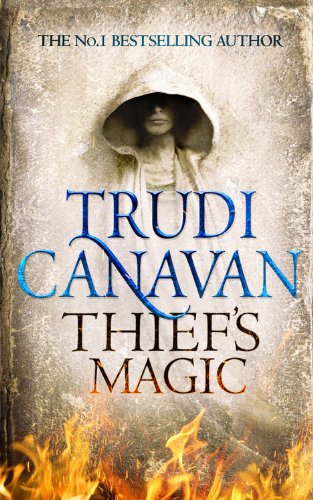
Millennium's Rule is set across multiple worlds that only certain travelers can cross between, opening with Tyen, an archaeology student who unearths a sentient, centuries-old book named Vella, and Rielle, a dyer's daughter hiding forbidden magical talent in a society ruled by priests who forbid it. Trudi Canavan follows both of them as their discoveries chip away at what their worlds have taught them about magic, history, and who holds power. The series runs Thief's Magic, Angel of Storms, and Successor's Promise.
- Legends of Ethshar
series27 books1985
similar byfantasysecondary world+3 more
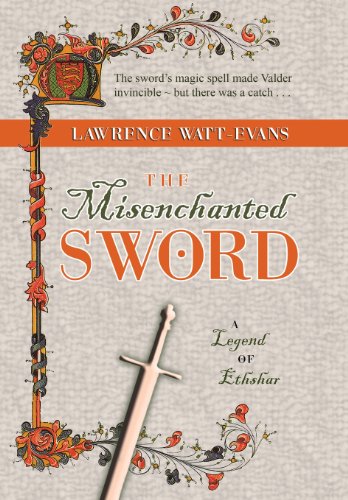
Ethshar is a world where magic works, but never in just one way: witchcraft, wizardry, sorcery, and warlockry all follow their own separate rules, practiced by different, often rival, kinds of magicians across the Hegemony of the Three Ethshars. Lawrence Watt-Evans sets most of his Ethshar novels as standalone stories that don't need to be read in any order, following different ordinary people -- apprentices, soldiers, merchants -- who get pulled into magical trouble. Taken together, the growing series builds one of the more thoroughly systemized magic settings in fantasy without ever losing its lighter, folk-tale tone.
- Magic by the Numbers
series10 books1980
similar byfantasysecondary world+3 more
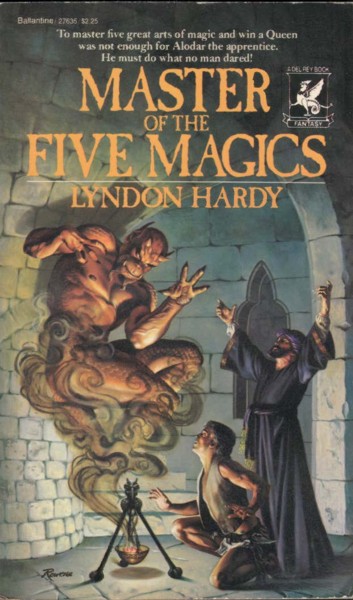
Master of the Five Magics follows Alodar, a young man from a fallen noble house trying to win the hand of a queen by proving himself in a hard-magic system built from five distinct, strictly rule-bound disciplines — thaumaturgy, alchemy, magic, sorcery, and wizardry — each with its own price and its own limits. Lyndon Hardy's original trilogy, continuing through Secret of the Sixth Magic and Riddle of the Seven Realms, has Alodar master each discipline in turn, before a later book, decades on, adds a fourth-generation story (The Archimage's Fourth Daughter) to the same magic-numbers conceit.
- Ile-Rien
series12 books1993
similar byfantasysecondary world+2 more
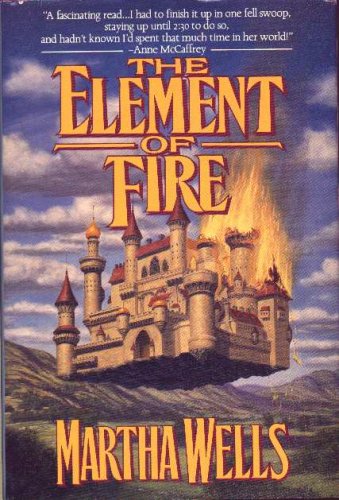
The Ile-Rien books are a series of fantasy novels by Martha Wells set in the fictional country of Ile-Rien. It is a centralized monarchy governed by the Fontainon dynasty, governing from their ornate capital of Vienne. It is also the home of the university-city of Lodun, a great center of learning, producing world-renowned scholars in medicine, law and sorcery. Its neighbors are the nations of Adera, Umberwald and Parscia, as well as Bisra, its long-standing enemy. Ile-Rien shares a coastline along the Western Ocean with Parscia.
- Lyra
series5 books1982
similar byfantasysecondary world+2 more
Patricia C. Wrede's Lyra novels are a set of fantasy books beginning with Shadow Magic (1982) and continuing through Daughter of Witches, The Harp of Imach Thyssel, Caught in Crystal, and The Raven Ring, later collected together as The Lyra Novels.
- Trillium / World of the Three Moons
series5 books1990
similar byfantasyadventuroussecondary world+2 more
Trillium is a series of five fantasy novels by Marion Zimmer Bradley, Julian May, and Andre Norton, each with the word "trillium" in the title. They take place in a post-holocaust world that is hinted to be a colony of earth on another planet where magic works.
- Forgotten Realms
universe526 books1987
Start hereForgotten Realms: The Legend of Drizzt · Start here
similar byfantasysecondary world+1 more
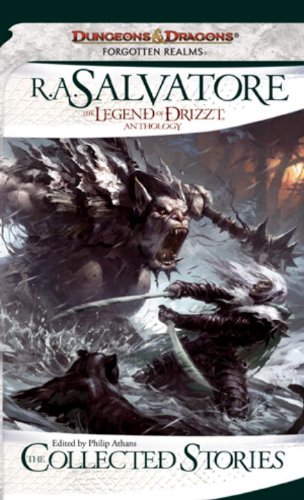
Come in from the cold and mind the door — the wind off the Sword Coast has teeth. Faerûn is a lived-in world, the best-charted of the many lands that share the sky of Toril: a continent of walled cities and haunted wilds where the gods are near enough to answer, magic is a craft with rules and a cost, and every tavern hearth throws light on someone with a blade, a grudge, or a tale worth the telling. Beneath it all lies the Underdark, that black underland where the drow raise their spider-city of Menzoberranzan; above, the merchant towers of Waterdeep, the frost of Icewind Dale, the ruin-strewn North. This is the sword-and-sorcery world of Dungeons & Dragons rendered into prose — grand, generous, and endlessly walkable. It is a world of many hands, and the shelf shows it: some five hundred novels across eighty-odd cycles, uneven as any long telling but rich past counting. R. A. Salvatore's dark-elf ranger Drizzt Do'Urden anchors the whole — the Icewind Dale and Dark Elf trilogies and the long saga that follows. Ed Greenwood, who first dreamed the Realms, chronicles the Old Mage in the Elminster books. Around them turn the god-walking Avatar cycle and its Time of Troubles, the six-author War of the Spider Queen, Salvatore's Cleric Quintet, and Elaine Cunningham's elf-and-drow songs; Troy Denning and a company of others fill the marches between. What holds it together is warmth — the register of a bard who wants you fed and seated before the tale turns. Newcomers should follow Drizzt first: read Homeland and the Dark Elf trilogy for his beginning, or The Crystal Shard as first readers met him. Either door opens the Realms; the other eighty cycles wait past it.
- Pusadian
series9 books1951
completed
similar byfantasyadventuroussecondary world+2 more
The Pusadian series is a sequence of fantasy stories by L. Sprague de Camp, begun in the early 1950s and written under the influence of Robert E. Howard's Conan stories. The series, also known as the Poseidonis series, prefigured the numerous sword & sorcery settings of the 1960s and 1970s.
- Book of the Isle
series7 books1977
similar byfantasysecondary world+1 more
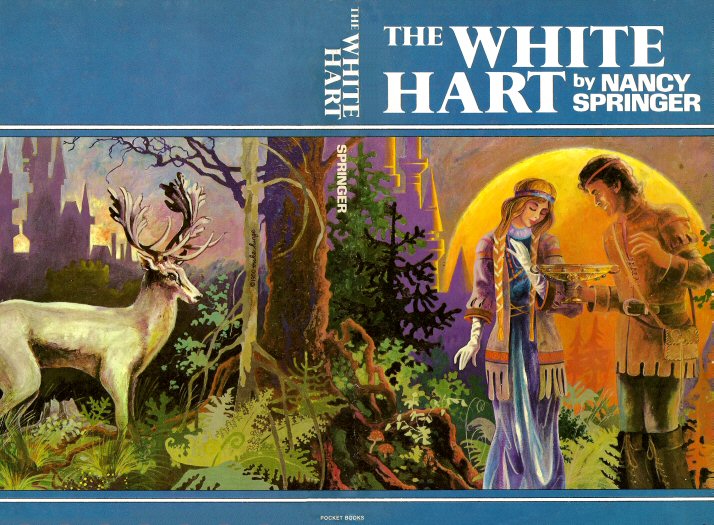
Nancy Springer's Book of Isle sequence is set in a kingdom ruled by Sun Kings who draw their authority from the Book of Suns, following blood brothers Hal and Alan as they're sent to hunt down the many forms an ancient evil takes across the land. Later volumes widen the cast and the kingdom's history while keeping the same mythic, quest-driven register. It's 1970s heroic fantasy built on chosen champions and inherited destiny.
- Sir Hereward and Mister Fitz
series11 books2007
similar byfantasyadventuroussecondary worldwizards
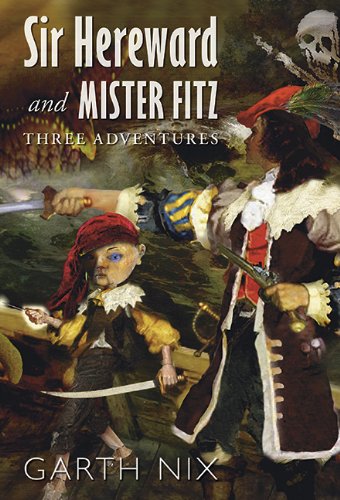
Garth Nix's Sir Hereward and Mister Fitz stories follow a scarred mercenary swordsman and his constant companion, a sentient puppet animated by the spirit of a formidable sorcerer, sent as agents to put down dangerous rogue gods across a wide fantasy world. Rather than one continuous novel, the series unfolds through linked novellas and short stories gathered into standalone collections, mixing swashbuckling action with dry, understated humor. The two collections compile stories published from 2007 into the early 2020s.
- Discworld
universe84 books1983
Start hereGuards! Guards! · Start here
similar byfantasysecondary world
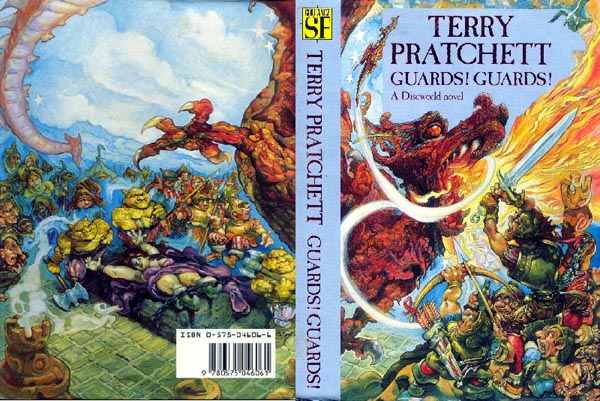
The Disc is flat. It rides on the backs of four elephants, who in turn stand on the shell of Great A'Tuin, a turtle ten thousand miles long, swimming through space toward nowhere in particular. Magic works here, usually badly. Death speaks IN SMALL CAPITALS and rides a horse called Binky. It looks like a fantasy world and behaves like ours with the safety catch off: a mirror held up to bureaucracy, belief, newspapers, money, war, and the ridiculous, stubborn business of being a person. One hand shaped all of it — Terry Pratchett — across forty-one novels and a shelf of companions, maps, and the Science of Discworld books. The world is braided from strands you can pick up on their own. Rincewind, the cowardly wizard, flees across the Disc (The Colour of Magic). The witches of Lancre, led by the formidable Granny Weatherwax, mind everyone's business (Equal Rites, Wyrd Sisters). Death takes on an apprentice (Mort). The City Watch polices grimy Ankh-Morpork under Commander Vimes (Guards! Guards!). A reformed swindler is given honest work at swordpoint (Going Postal), and young Tiffany Aching learns witching alongside the tiny, larcenous Nac Mac Feegle (The Wee Free Men). Standalones like Small Gods sit apart. The trick of it is that the farce turns, mid-joke, into something that catches in the throat, with footnotes that argue back at the page. Newcomers are gently steered away from the beginning: the early Rincewind books spoof a genre you needn't have read. Enter instead by whichever strand calls — Guards! Guards! for the Watch, Mort for Death, Wyrd Sisters for the witches, Small Gods entirely alone, or The Wee Free Men for the sharpest single thread. Open any door and the whole Disc opens with it.