More like The Third Evil
anchored on:horrorcursesour worldcontemporarytenseyoung adult+4 more
but
- Jerusalem's Lot
series3 books1975
similar bycontemporaryhorrordarktensegrief and lossour worldnorth americasmall town
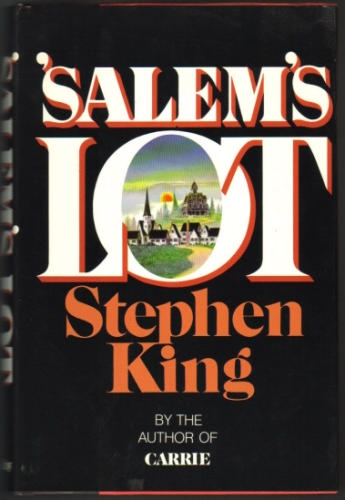
Stephen King's 1975 novel 'Salem's Lot follows writer Ben Mears as he returns to his childhood town of Jerusalem's Lot, Maine, only to discover that its residents are being turned into vampires by a newly arrived stranger. It transplants Gothic vampire horror into a small New England community, tracking that community's collapse under a supernatural siege. It is a single, self-contained novel.
- Pet Sematary
Stephen Kingstandalone novel1983
similar bycontemporaryhorrordarkcursesgrief and lossnorth americasmall town+1 more
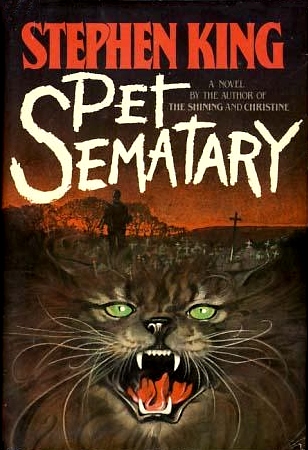
Pet Sematary is a 1983 horror novel by American writer Stephen King. It tells the story of a family moving to Maine and settling closer to a pet cemetery in the woods, which is home to a terrifying force that brings death and sorrow. The novel was nominated for a World Fantasy Award for Best Novel in 1984, and adapted into two films: one in 1989 and another in 2019 as well as several spinoffs.
- Heart-Shaped Box
Joe Hillstandalone novel2007
similar bycontemporaryhorrorghost storiesdarktensenorth americarevenge+1 more
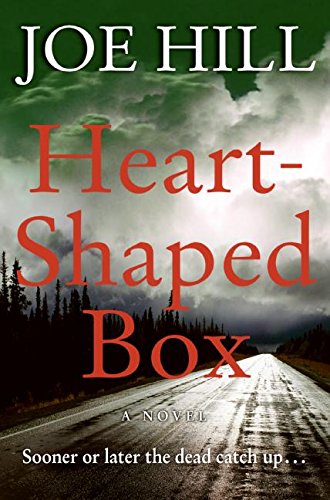
Heart-Shaped Box is the debut horror novel by American author Joe Hill. The book was published on February 13, 2007, by William Morrow.
- The Shining
series5 books1977
similar byhorrorcontemporarydarktensenorth america+3 more
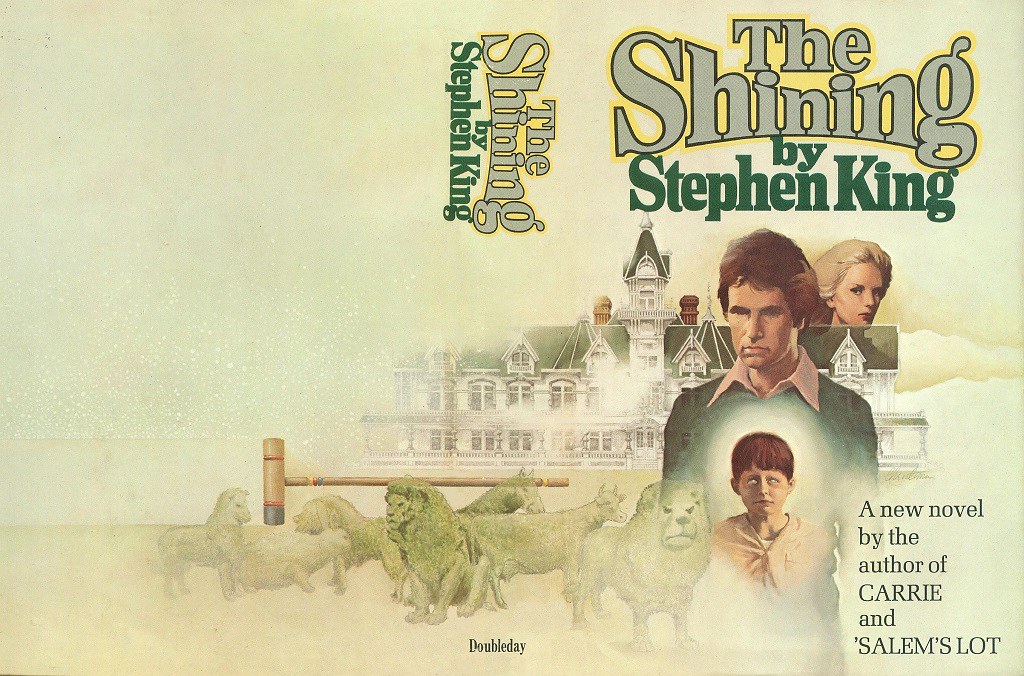
Stephen King's 1977 novel The Shining follows the Torrance family as winter caretakers of the isolated, malevolent Overlook Hotel, where father Jack is gradually consumed by the hotel's influence while his young son Danny's psychic "shining" draws its attention. Doctor Sleep (2013) picks up the story decades later, following Danny as an adult still marked by that childhood ordeal. Together the two form a horror duology spanning nearly forty years of real-world publication.
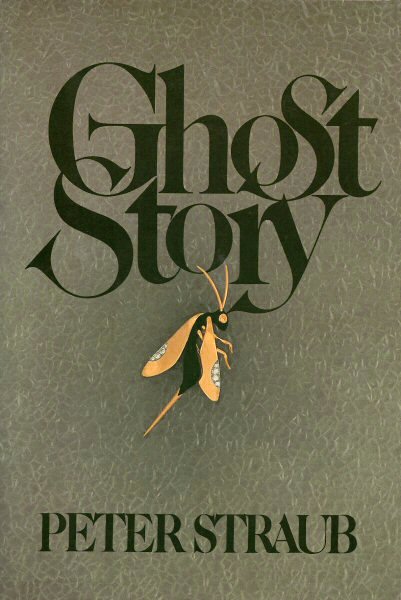
- Ghost Story
Peter Straubstandalone novel1979
similar byhorrorghost storiesdarktensegrief and lossnorth americarevengefamily secrets+1 more
Four prominent citizens of a small town in upstate New York who share guilt over something that happened in their youth are revisited late in life by a destructive evil force which uses their guilt as an opportunity to destroy them as well as the entire town.
- If You Could See Me Now
Peter Straubstandalone novel1976
similar bycontemporaryhorrorghost storiesdarkgrief and lossour worldnorth america+1 more
If You Could See Me Now is a horror novel by American author Peter Straub. It is his third novel and his second work of gothic or supernatural fiction. The book was published by Jonathan Cape in June 1977 – the same London publisher who published Julia in 1976. Coward, McCann & Geoghegan published an American edition also in June 1977.
- Cell
Stephen Kingstandalone novel2006
similar bycontemporaryhorrortensedarkour worldnorth america+1 more
In Cell, King taps into readers fears of technological warfare and terrorism. Mobile phones deliver the apocalypse to millions of unsuspecting humans by wiping their brains of any humanity, leaving only aggressive and destructive impulses behind. Those without cell phones, like illustrator Clayton Riddell and his small band of "normies," must fight for survival, and their journey to find Clayton's estranged wife and young son rockets the book toward resolution.
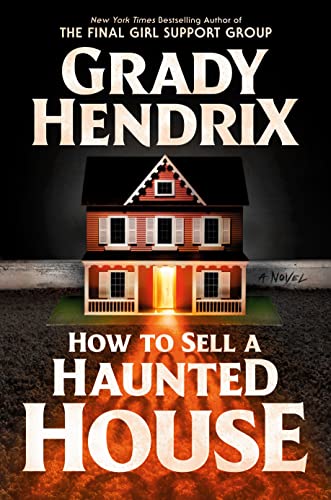
- How to Sell a Haunted House
Grady Hendrixstandalone novel2023
similar bycontemporaryhorrorghost storiestensegrief and lossour worldfamily secretssmall town+1 more
How to Sell a Haunted House is a 2023 horror novel by American author Grady Hendrix. The book was first published on January 17, 2023.
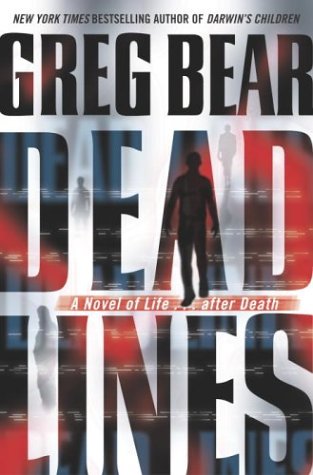
- Dead Lines
Greg Bearstandalone novel2004
similar bycontemporaryhorrorghost storiesdarkgrief and lossour worldnorth america+1 more
From the flaps of the Ballantine first edition: "For the last two years, Peter Russell has mourned the death of one of his twin daughters - who was just ten when she was murdered. Recent news of his best friend's fatal heart attack has now come as another devastating blow. Divorced, despondent, and going nowhere in his career, Peter fears his life is circling the drain. Then Trans comes along. The brainchild of an upstart telecom company, Trans is (as its name suggests) a transcendent marvel, a sleek, handheld interpersonal communication device capable of flawless operation anywhere in the world, at any time. "A cell phone, but not" - transmitting with crystal clarity across a newly discovered, never-utilized bandwidth... and poised to spark a new-technology revolution. When its creators offer Peter a position on their team, it should be a golden opportunity for him. If only he wasn't seemingly going mad. Everywhere Peter turns, inexplicable apparitions are walking before him or reaching out in torment. After a chilling encounter with his own lost child he begins to grasp the terrifying truth: Trans is a Pandora's box that has tapped into a frequency not of this world... but of the next. And now, via this open channel to oblivion, the dead have gained access to the living. For Peter, and for humankind, a long shadowy night of the soul has descended, bringing with it the stuff of a horrifying nightmare from which they may never awaken."
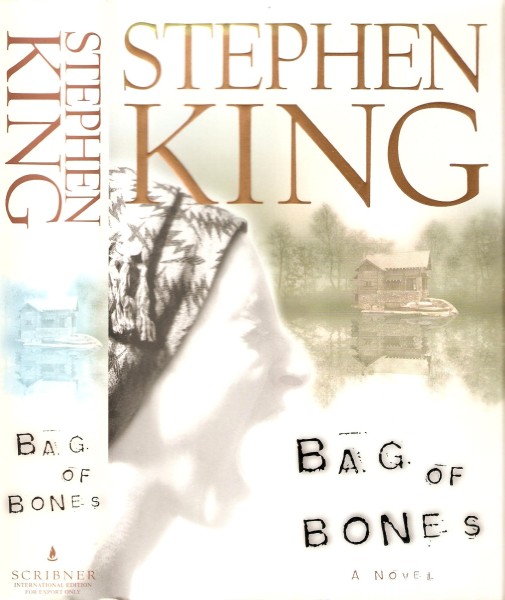
- Bag of Bones
Stephen Kingstandalone novel1998
similar bycontemporaryhorrorghost storiesdarkgrief and lossnorth america+1 more
Bag of Bones is a 1998 horror novel by American writer Stephen King. It focuses on an author who suffers severe writer's block and delusions at an isolated lake house four years after the death of his wife. It won the 1999 Bram Stoker Award for Best Novel, the 1999 British Fantasy Award for Best Novel, and the 1999 Locus Award for Best Dark Fantasy/Horror Novel.
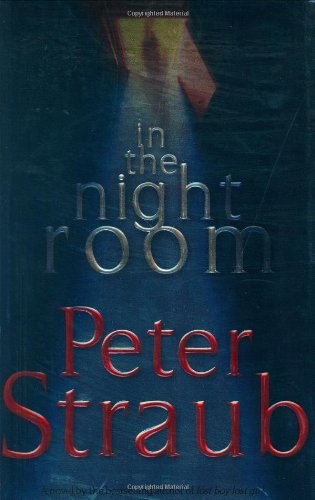
- In the Night Room
Peter Straubstandalone novel2004
similar bycontemporaryhorrordarktensegrief and lossour worldnorth america+2 more
In the Night Room is a 2004 horror-thriller novel by American author Peter Straub, a sequel to his 2003 book Lost Boy, Lost Girl. The work was first published in hardback on October 26, 2004, through Random House and it won the 2004 Bram Stoker Award for Novel. Straub encountered some difficulties while writing In the Night Room and had written several different passages for the work before growing bored with each version before writing it using the same technique he used for its predecessor in which he "reached down inside the book and turned it inside out."
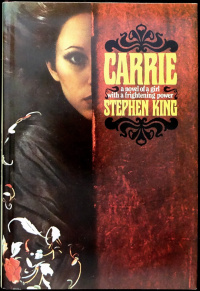
- Carrie
Stephen Kingstandalone novel1974
similar bycontemporaryhorrortensedarknorth americarevengesmall town
In one way or another, everybody abused Carrie. This sixteen-year-old misfit was forbidden everything that was young and fun by her fanatical mother. She was teased and taunted by her classmates, misunderstood by her teachers, and given up as hopeless by almost everyone. But Carrie had a secret: She possessed terrifying telekinetic powers that could make inanimate objects move, a lighted candle fall, or a door lock. Carrie could make all kinds of startling bizarre, and malevolent things happen. (WorldCat)
- Bury Me Deep
Christopher Pikestandalone novel1991
similar bycontemporaryhorrortenseghost storiesdarkyoung adult+1 more
THE DEAD BOY WOULD NOT GO AWAY. Jean is on her way to Hawaii for a week of fun in the sun. But the vacation gets off to a gruesome start. The boy sitting beside her on the plane suddenly chokes and dies. Jean tries to push the incident out of her mind when she arrives on the island, but that's impossible. Part of the reason is because Mike keeps coming back to her in her dreams. Horrible dreams filled with cold blood. Two of Jean's friends are waiting for her in Hawaii -- Mandy and Michele. They have already made friends with two young men who teach scuba diving at the hotel -- Dave and Johnny. Jean and Johnny quickly become friends. But there are problems in paradise. Dave and Johnny have recently lost a partner in the ocean. No one knows how he died. No one can find his body. But then Jean finds Mike's body. It isn't where it's supposed to be, and it seems as if it's still got some life in it.
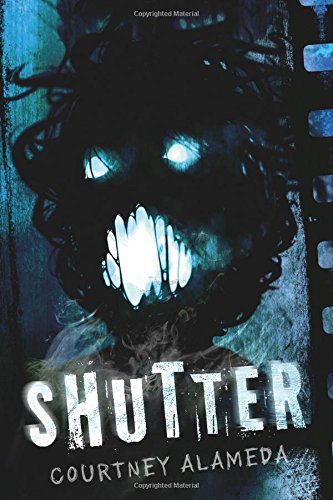
- Shutter
Courtney Alamedastandalone novel2015
similar bycontemporarytensecurseshorrorghost storiesdarkyoung adultour world
Seventeen-year-old Micheline Helsing is a tetrachcromat, able to see ghosts in color and capture them on film, but when a routine hunt goes awry, Micheline is infected with a curse known as a soulchain and if she is unable to exorcise the entity in seven days, she will be destroyed, body and soul.
- The Shaman
Frank Coffeystandalone novel1980
similar bycontemporaryhorrordarktensecursesgrief and lossnorth americafamily secrets+1 more
Amazon: For Kate Whitworth, a beautiful young novelist, life had been wonderful. Loving husband, delightful daughter, challenging work. Then it all fell apart First Jack's infidelity. Then divorce. Quickly followed by daughter Allison's suicide attempt And Kate knew she had to flee New York, flee the unrelenting pressure and the bad memories. Take her daughter and return to Kirkton, the lovely upstate village where she had grown up. But a monstrous evil, five centuries dead, is alive in Kirkton. And for Kate Whitworth, a living nightmare is about to begin.
- Rose Madder
Stephen Kingstandalone novel1995
similar bycontemporaryhorrordarktenseour worldnorth america+1 more
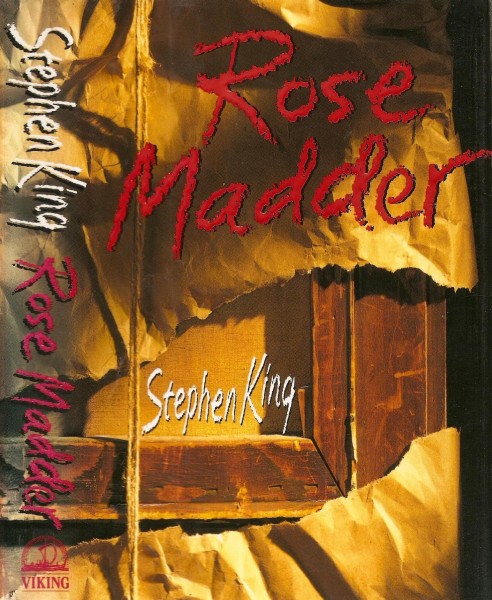
Rose Madder is a horror/fantasy novel by American writer Stephen King, published in 1995. It deals with the effects of domestic violence and, unusually for a King novel, relies for its fantastic element on Greek mythology. In his memoir, On Writing, King states that Rose Madder and Insomnia are "stiff, trying-too-hard novels."
- Full Tilt
Neal Shustermanstandalone novel2003
similar bycontemporarytensehorrordarkgrief and lossyoung adultour world
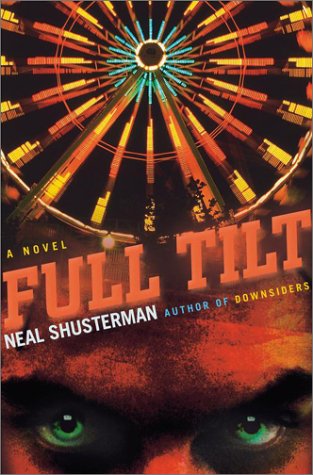
When sixteen-year-old Blake goes to a mysterious, by-invitation-only carnival he somehow knows that it could save his comatose brother, but soon learns that much more is at stake if he fails to meet the challenge presented there by the beautiful Cassandra.
- Pretty Little Devils
Nancy Holderstandalone novel2006
similar bycontemporaryhorrortensedarkyoung adultnorth americarevenge+1 more
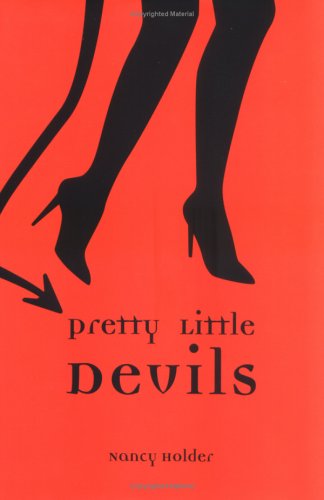
Hazel Stone wants nothing more than to be a part of the hottest clique in school, the Pretty Little Devils, but she's stuck at a lunch table full of high school C-listers. Hazel has resigned herself to life as a nobody—when suddenly everything changes. The PLDs invite Hazel to one of the group's famous parties, held at the site of one of their babysitting jobs. Before Hazel knows it, she's in with the in crowd—and she couldn't be more thrilled!But nothing turns out the way she expects. Especially when one her classmates becomes jealous of her newfound status—deadly jealous.Author Nancy Holder weaves a wicked tale about the price of popularity, and having the kind of friends some girls would just die for.
- Monster
Christopher Pikestandalone novel1992
similar bycontemporaryhorrortensedarkyoung adultour worldnorth america
She said she killed them because they were monsters. Mary Blanc walked into the party with a loaded shotgun. In the blink of an eye she blew two people away. She wanted to kill more, but was stopped by her best friend, Angela Warner, and the police. The next day, when Angela visits Mary at the jail, she asks why she did it. Mary responds, "Because they were no longer human." Angela thinks she's crazy. At first. Until she probes deeper into Mary's claims and discovers a horror so unimaginable that she thinks she is going crazy. She even gets to the point where she wonders if she should have let Mary keep on killing. While there was still time to stop the thing from spreading. The very old thing. The hungry thing.
- Hell House
Richard Mathesonstandalone novel1971
similar bycontemporaryhorrorghost storiesdarktensenorth america
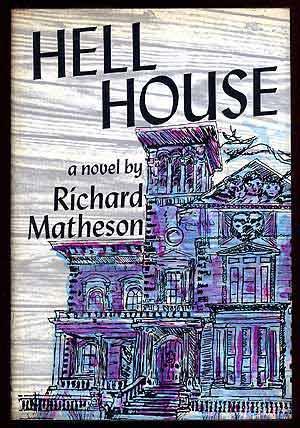
A dying millionaire wants proof, once and for all, of what happens after death, and hires physicist-turned-parapsychologist Dr. Lionel Barrett to spend a week investigating the Belasco House in Maine -- a mansion so thoroughly associated with atrocity that it's known simply as Hell House, where every previous investigation has ended in death or madness. Barrett brings his wife Edith along with two mediums, the spiritualist Florence Tanner and Benjamin Franklin Fischer, survivor of an earlier disastrous visit, whose scientific skepticism and spiritualist convictions clash from the first night inside. Richard Matheson's haunted-house novel, later filmed as The Legend of Hell House.
- Wildwood Road
Christopher Goldenstandalone novel2005
similar bycontemporaryhorrorghost storiestenseour worldnorth america+3 more
Michael and Jillian Dansky seemed to have it all--a happy marriage, two successful careers, a bright future. But late one October evening, all that changed. Driving home from a Halloween masquerade, Michael momentarily nods off behind the wheel--and wakes to find nothing is the same.Standing by his car is the little girl he came within a breath of running down. She leads Michael to her "home," an empty house haunted by whispers, and sends him away with a haunting whisper of her own: "come find me." But in the weeks to follow, it's clear that someone--or some thing--doesn't want Michael to find her: ominous figures in grey coats with misshapen faces are following him everywhere. And then Jillian wakes one morning replaced by a cold, cruel, vindictive woman Michael hardly recognizes as his wife. Michael must now search not only for the lost girl, but for a way to find the Jillian he's always loved, and to do so he must return to where the nightmare began. Down an isolated lane where he'll find them, or die trying.From the Trade Paperback edition.
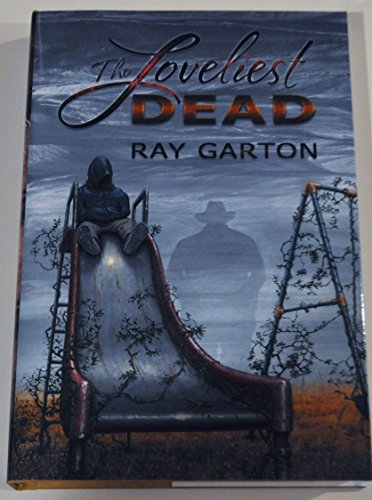
- The Loveliest Dead
Ray Gartonstandalone novel2006
similar bycontemporaryhorrorghost storiesdarktensenorth america+2 more
The Kellar family finds their illusions of starting over shattered when they discover that their new home harbors an unimaginable evil as the dead, determined to destroy the living, come to life.
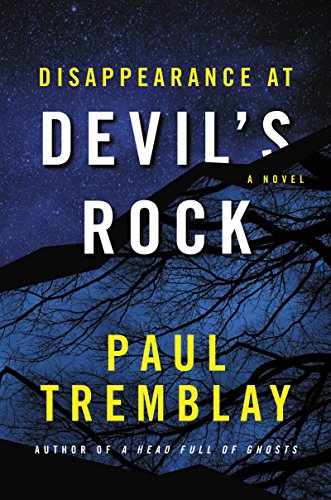
- Disappearance at Devil's Rock
Paul Tremblaystandalone novel2016
similar bycontemporaryhorrordarktensegrief and lossnorth americafamily secretssmall town
Disappearance at Devil's Rock is a horror novel by American writer Paul G. Tremblay. The novel received the 2017 British Fantasy Award for Best Horror Novel. It was nominated for the Horror Writers Association's Bram Stoker Award for Best Novel in 2017.
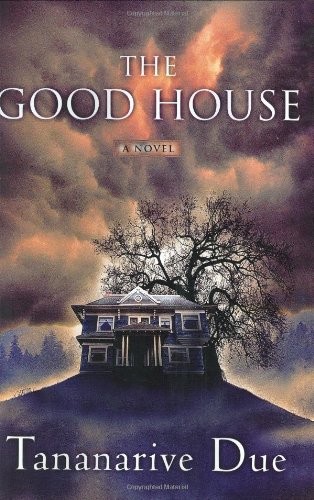
- The Good House
Tananarive Duestandalone novel2003
similar bycontemporaryhorrorghost storiesdarkgrief and lossnorth americafamily secretssmall town+1 more
The Good House is a horror novel by American writer Tananarive Due, first published in 2003 by Atria Books. The story follows Angela Toussaint as she returns to her late grandmother's home in Sacajawea, Washington.