More like Those
but
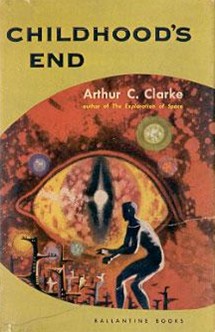
- Childhood's End
Arthur C. Clarkestandalone novel1953
similar by+1 more
Childhood's End is a 1953 science fiction novel by the British author Arthur C. Clarke. The story follows a peaceful alien invasion of Earth by mysterious Overlords, whose arrival begins decades of apparent utopia under indirect alien rule, at the cost of human identity and culture.
- This Immortal
series2 books1966
similar bycolonialism
This Immortal is a single science fiction novel by Roger Zelazny, expanded from his 1965 serial ...And Call Me Conrad. In a depopulated future Earth largely toured by an alien race, its long-lived, secretive protagonist Conrad Nomikos is assigned to guide and protect a visiting alien across the ruins of Greece and Egypt, uncovering old grudges and assassination plots along the way. The novel shared the 1966 Hugo Award for Best Novel with Frank Herbert's Dune.
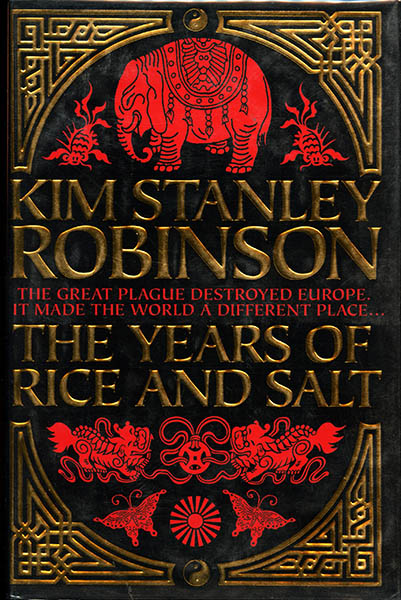
- The Years of Rice and Salt
Kim Stanley Robinsonstandalone novel2002
similar bycolonialism
What if the Black Death had killed nearly everyone in Europe instead of a third of it? Kim Stanley Robinson opens on that premise with a Mongol scout named Bold, who finds a Hungarian city emptied by plague and only narrowly escapes execution meant to contain the contagion; sold into slavery, he ends up serving aboard a Chinese treasure fleet alongside a young African companion. From there the novel follows a recurring cast of souls, reincarnated across centuries and identifiable book to book by the first letter of their names, through an alternate history in which Islamic and Chinese civilizations, not a devastated Europe, shape the world's future.
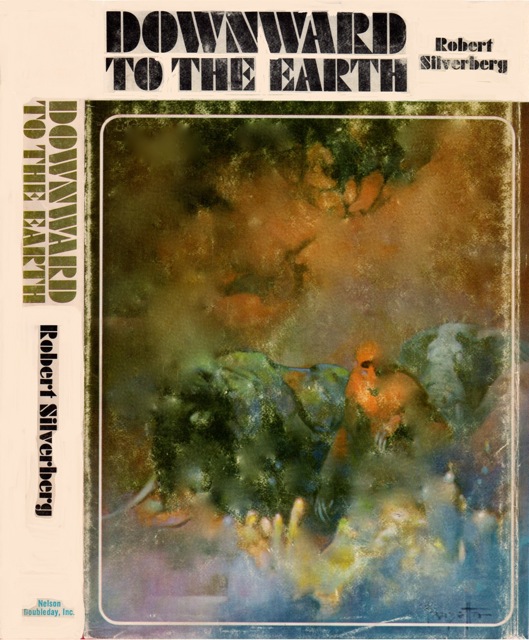
- Downward to the Earth
Robert Silverbergstandalone novel1969
similar bycolonialism
Edmund Gunderson was the Terran administrator of the colony world of Belzagor, and he returns to it after it has gained independence, feeling a sense of guilt for the way he has treated its dominant species, the elephant-like nildoror, whose animalistic appearance had kept Gunderson from taking them seriously as sentient beings. On his return, he feels a new sense of kinship with the natives, perhaps more than for the Terran tourists. The nildoror undergo a process of rebirth, and Gunderson's greatest guilt comes from having denied rebirth to seven nildoror to make them help him repair flood damage.(From Wikipedia)
- Island
Aldous Huxleystandalone novel1962
similar by+1 more
Island is a 1962 utopian manifesto and novel by English writer Aldous Huxley, the author's final work before his death in 1963. Although it has a plot, the plot largely serves to further conceptual explorations rather than setting up and resolving conventional narrative tension.
- Imperial Radch
series7 books2012
part of Radchaai Universe
similar by+1 more
Ann Leckie's Imperial Radch trilogy (Ancillary Justice, Ancillary Sword, Ancillary Mercy, 2013-2015) follows Breq, the sole surviving fragment of an AI that once inhabited both a troop-transport starship and dozens of soldier bodies, now alone and hunting for revenge inside the vast, expansionist Radch empire. Breq's quest widens across the trilogy into a conflict with the empire's own fractured ruler, and the books use her alien difficulty perceiving gender to unsettle the space-opera conventions around her.
- Sparrow
series2 books1996
similar by+1 more
Mary Doria Russell's The Sparrow (1996) follows a Jesuit-led mission to the planet Rakhat after radio signals from Alpha Centauri reveal it hosts intelligent life, alternating between the expedition and the traumatized return of its sole survivor, Father Emilio Sandoz, as he tries to explain what happened. The sequel Children of God (1998) follows Sandoz back to Rakhat and continues working out the theological and political fallout of first contact between humans and the planet's two native species.
- Eden (Harry Harrison)
series5 books1984
completed
similar by+1 more
Harry Harrison's Eden trilogy imagines an Earth where the dinosaurs never died out, evolving instead into the Yilane, a technologically advanced reptilian civilization that shares the planet uneasily with early humans. West of Eden (1984) introduces the clash between the two species; Winter in Eden and Return to Eden carry it forward as a shifting climate forces both sides to adapt or die. It's an alternate-evolution saga more than a conventional dinosaur adventure.
- Babel, or, The Necessity of Violence: An Arcane History of the Oxford Translators' Revolution
R. F. Kuangstandalone novel2022
similar bycolonialism
Babel, or The Necessity of Violence: An Arcane History of the Oxford Translators' Revolution is a 2022 novel of speculative fiction by R. F. Kuang set in a fantastical version of Oxford in 1830s England. Thematically similar to The Poppy War (2018–20), Kuang's first book series, the book criticizes British imperialism, racism and capitalism, and the complicity of academia, knowledge, and language in perpetuating and enabling them.
- Oswald Bastable
series5 books1971
part of Moorcock's Multiverse
similar by+1 more
Oswald Bastable follows an Edwardian-era British soldier flung into a series of alternate futures where the First World War never happened, opening with The Warlord of the Air (1971). Across the trilogy he drifts between rival empires and airship wars, an early and influential example of what would later be called steampunk. Michael Moorcock's A Nomad of the Time Streams trilogy sits within his wider multiverse of linked worlds and recurring avatars of the Eternal Champion.
- The Languages of Pao
Jack Vancestandalone novel1958
similar bycolonialism
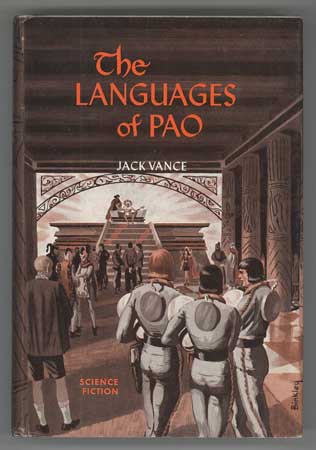
The Languages of Pao is a science fiction novel by American writer Jack Vance, first published in 1958, based on the Sapir–Whorf hypothesis, which asserts that a language's structure and grammar construct the perception and consciousness of its speakers. In the novel, the placid people from the planet Pao rely on other planets for technological innovations and manufactured goods and they do not resist when an invading force occupies the land and levies heavy taxes. To expel the aggressors and make the planet more independent, three new languages are introduced. A scientific language induces its speakers to innovate more; a well-ordered language encourages its speakers to be industrious; and a warlike language induces competitiveness and aggression. The new languages change the culture and Pao ousts their overlords and develops a sophisticated modern economy.
- Soul Catcher
Frank Herbertstandalone novel1972
similar by+1 more
Soul Catcher is a 1972 novel by Frank Herbert about a Native American who kidnaps a young white boy, and their journey together.
- Islands in the Net
Bruce Sterlingstandalone novel1988
similar by+1 more
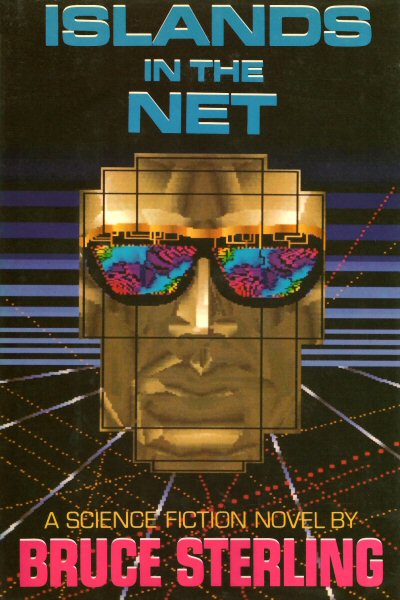
Islands in the Net is a 1988 science fiction novel by American writer Bruce Sterling. It won the John W. Campbell Memorial Award for Best Science Fiction Novel in 1989, and was nominated for both the Hugo and Locus Awards that same year. It offers a view of an early 21st century world, apparently peaceful, with delocalised, networking corporations. The protagonist, swept up in events beyond her control, finds herself in places that are off the net, from a datahaven in Grenada, to a Singapore under terrorist attack, to the poorest and most disaster-struck parts of Africa.
- Roma Eterna
series11 books1989
similar by+1 more
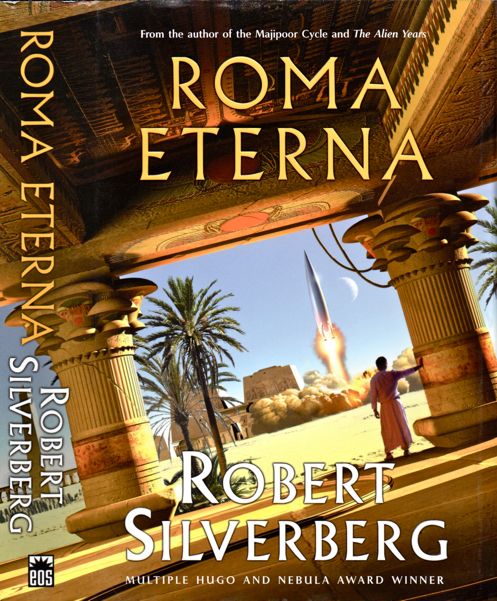
Robert Silverberg's Roma Eterna imagines an alternate history in which the Roman Empire never fell and endures into the present day, tracing its long, uneven survival through a sequence of pivotal moments across two millennia. Rather than one continuous plot, the book is a fix-up of ten linked stories, most first published in Asimov's Science Fiction over a fourteen-year span, each set in a different era of this unbroken Rome. It reads as the chronicle of a civilization rather than a story following a single cast of characters.
- The Acacia Trilogy
series3 books2007
similar by+1 more
Acacia: The War with the Mein begins with an empire's ruling Akaran children fleeing after assassins from an exiled people kill their father, scattering the heirs into a wider world whose comfortable myths — and the drug trade and slavery underwriting the empire's peace — turn out to be far uglier than they were raised to believe. David Anthony Durham's trilogy, continuing through The Other Lands and The Sacred Band, follows the siblings as each confronts a different piece of the empire's hidden machinery.
- Soldier Son
series3 books2005
similar bycolonialism
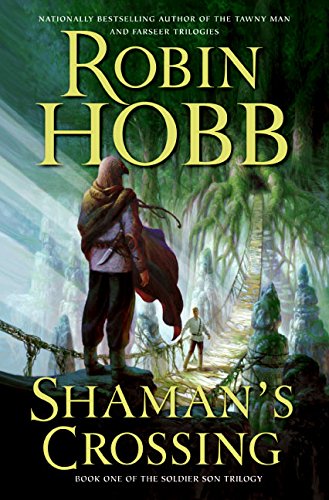
The Soldier Son trilogy is a fantasy novel series by Robin Hobb. Set in a new world unrelated to her previous trilogies, the Soldier Son trilogy follows the life of Nevare Burvelle, the second son of a newly elevated Lord of the Kingdom of Gernia.
- A Different Flesh
series8 books1985
similar by+1 more
Harry Turtledove's A Different Flesh is a collection of linked alternate-history stories imagining a North America where Homo erectus survived alongside Ice Age megafauna into the modern era, taking the ecological and historical place occupied by Native American civilizations in our own timeline. The linked stories follow European contact, exploitation, and study of these surviving hominids across centuries of altered American history, from early colonization through more recent settings. It's anthropological alternate history more concerned with what contact does to the newly "discovered" species than with conventional adventure plotting.
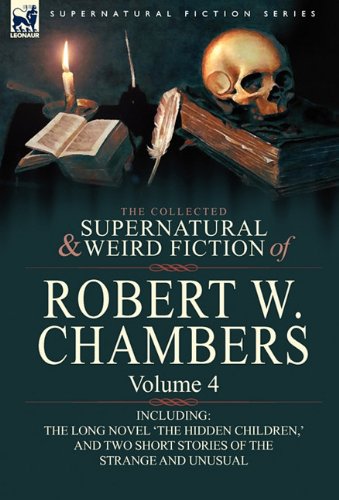
- Collected Supernatural and Weird Fiction of Robert W. Chambers
series6 books1914
completed
similar bycolonialism
- Boudica
series4 books2003
similar by+1 more
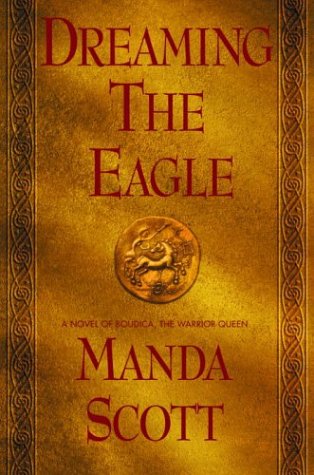
Manda Scott's Boudica novels reimagine the Iceni queen's life and rebellion against Roman occupation, opening with Dreaming the Eagle's account of her childhood and rise among rival British tribes before following her through the war that made her legend across three further novels.
- Ghost Dance
John Normanstandalone novel1970
similar bycolonialism
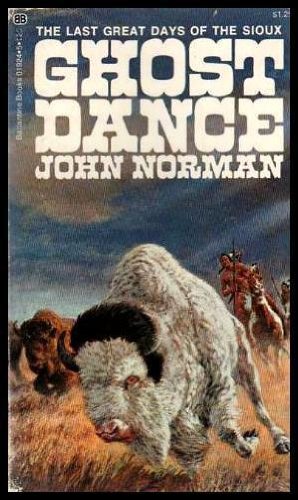
Ghost Dance is a 1970 historical fiction novel by John Norman. A Sioux man and his tradition comes into conflict with a white woman and her civilization as the Wounded Knee Massacre approaches. As with his Gor series, his main body of work, Norman displays both philosophical reaction and an affinity with incorporating historical events into the plotlines of fictional characters.