Loreful
HomeDiscover
Search series, authors…⌘K
Loreful

Reading orders for SF/F series and shared universes — with your place kept in every one.

Explore

UniversesSeriesWorksAuthorsAtlas

Help

FAQAboutSite map

Account & legal

Sign inCreate accountPrivacyTerms

Data

Built on ISFDB, Wikipedia, Wikidata and Open Library. Curated reading orders carry their reasoning on the page; the rest follow publication order. Data sources & licenses

© Loreful · data: ISFDB · CC BY

More like Threshold

anchored on:fantasyepic fantasysecondary worlddemonsslaverydesert+1 more

but

Mood

The mood the book leaves you in.

  • The reading experience is propelled by journeys, exploration, and physical risk; excitement and forward momentum dominate over dread or introspection.
  • Joy and loss are deliberately mixed; the resolution grants characters something real while taking something else away, leaving warmth and sorrow together.
  • The book demands work from the reader — dense prose, difficult structure, unfamiliar ideas, or morally uncomfortable material — as part of its intended effect.
  • Grim events, cruelty, or despair dominate the atmosphere, and the book does not soften them with comfort or comic relief.
  • The atmosphere is quietly unsettling — wrongness, unease, and the uncanny pervade the book without necessarily escalating into overt horror.
  • The book is built to move the reader; character feeling is foregrounded and major scenes aim at a strong emotional response.
  • Humor is a primary aim and the prose plays for laughs — comic situations, wit, or dialogue produce sustained comedy, not occasional levity.
  • The book insists that things can improve; effort and decency are shown to matter, and the arc bends toward better outcomes even through hardship.
  • The book teaches as it goes — real facts, history, science, or craft are conveyed in enough depth that learning is part of the reading experience.
  • The book is designed to uplift and motivate, presenting perseverance or achievement in a way that invites the reader to aspire or act.
  • The overall register is cheerful and easygoing; stakes are kept gentle and the book avoids dwelling on pain or dread.
  • Withheld information drives the experience; the book sustains enigmas and secrets the reader wants resolved, whatever its genre.
  • The book is contemplative and inward-looking, giving more weight to thought, memory, and meaning than to external events.
  • The book works as comfort reading — low tension, a soothing pace, and an atmosphere the reader can unwind in.
  • Grief, loss, or melancholy set the dominant register, and the book lets sorrow stand rather than resolving it into comfort.
  • Sustained suspense is the point; the book keeps the reader braced for what happens next through danger, pressure, or impending revelation.
  • Playful invention and charm define the register — fanciful conceits, light absurdity, and a narration that delights in its own oddity.

About

What the story runs on.

  • Stories in which extraterrestrial beings are central — as characters, cultures, or the object of the plot.
  • Stories about venturing into space to explore — survey missions, astronauts, and the frontier of the unknown beyond Earth.
  • Stories structured as a quest — a journey undertaken to find, deliver, or destroy something of great import.
  • Stories in which staying alive against nature, catastrophe, or scarcity is the central problem.
  • Stories of lovers kept apart by law, family, faith, or station, where the obstacle to love is the plot.
  • Stories in which a friendship — its making, testing, or loss — is the emotional center.
  • Stories of growing up — a young protagonist crossing from childhood into adult knowledge and responsibility.
  • Stories about who a character truly is — self-discovery, doubled lives, and the search for a self.
  • Stories in which a buried family truth — hidden parentage, crimes, or shames — surfaces and reorders the present.
  • Stories driven by maneuvering for power — factions, conspiracies, and statecraft conducted in shadow.
  • Stories in which war itself is the subject — combat, occupation, and what warfare does to soldiers and civilians.
  • Stories organized around investigating a killing — the case, the clues, and the pursuit of the killer, in any genre's clothing.

Shelf

Where it sits in the library.

    • Fiction built on magic or other supernatural elements that have no scientific explanation.
    • Secondary-world fantasy at large scale, where the fate of nations or the world turns on the protagonists' struggle.
    • Fantasy set in a recognizably modern city or contemporary world where the supernatural intrudes on everyday life.
    • Fantasy that blends in horror's atmosphere and imagery, keeping a fantastical frame around grim or frightening material.
    • Action-driven fantasy following warriors or rogues with personal stakes against sorcerous threats, rather than world-spanning conflicts.
    • Fantasy set in a real historical period or a close analogue of one, with magic woven into the era.
    • Fantasy in which protagonists cross from the ordinary world into another world through a portal or similar passage.
    • Fiction that retells or reworks a traditional fairy tale in a new form or setting.
    • Fantasy drawing directly on myths, legends, and folklore, retelling them or building on their figures and logic.
    • Fantasy of ghosts, vampires, shapeshifters, psychics, and similar phenomena, usually set in an otherwise ordinary world.
    • Fiction mixing science-fictional trappings with overtly magical or impossible elements in one setting.
    • Low-stakes fantasy emphasizing comfort, community, and everyday pleasures over conflict and peril.
    • Speculative fiction of pervasive moral ambiguity, violence, and cynicism that rejects heroic conventions — fantasy and SF alike.
      • Fiction that extrapolates from science and technology — future societies, space travel, or speculative inventions — within at least nominally natural laws.
      • Science fiction of interstellar scope — starships, galactic polities, and adventure across star systems.
      • Science fiction committed to scientific rigor, where technical plausibility constrains the story.
      • Science fiction centered on armed forces and warfare, told largely from a military point of view.
      • Science fiction of networked, corporate-dominated near futures, pairing high technology with social decay.
      • Science fiction styled on nineteenth-century steam-powered technology, often in a Victorian or pseudo-Victorian setting.
      • Fiction depicting an oppressive or catastrophic society, presented as a warning.
      • Fiction set after civilization's collapse, following survivors in the ruins of the old world.
      • Fiction in which characters move between past and future, and the mechanics or consequences of that travel drive the plot.
      • Fiction exploring a world where a historical event went differently and history diverged from ours.
      • Science fiction about humanity's first encounter and communication with an alien intelligence.
      • Science fiction in which extraterrestrial forces attack or occupy Earth and humanity resists.
      • Fiction whose primary aim is to frighten or unsettle the reader through dread, menace, or the monstrous.
      • Horror of vast, indifferent, incomprehensible entities before which humanity is insignificant, in the Lovecraft tradition.
      • Horror of decaying houses, buried family secrets, and oppressive atmosphere in the Gothic literary tradition.
      • Horror centered on hauntings and the returning dead.
      • Horror located in the mind — paranoia, obsession, and unreliable perception rather than external monsters.
      • Horror built around the reanimated dead and survival amid their outbreaks.
      • Horror defined by explicit, transgressive gore that refuses to cut away from violence.
      • Speculative fiction of the strange and uncanny that resists both natural explanation and standard genre categories.
      • Fiction organized around solving a crime or puzzle, typically following an investigator toward the identification of a culprit.
      • A puzzle-first mystery that lays out clues so the culprit's identity can be deduced before the reveal.
      • Crime fiction of moral ambiguity, fatalism, and hard-edged style, set among the corrupt and the doomed.
      • A mystery following the realistic routines of police work — forensics, interviews, and case-building.
      • A gentle mystery with an amateur sleuth, a small community, and violence kept off the page.
      • A mystery set in a past era, where the investigation works within that period's methods and society.
      • Fast-paced fiction driven by imminent danger, pursuit, or high-stakes conspiracy, built to sustain tension.
      • A thriller of espionage — agents, tradecraft, and intelligence services in conflict.
      • A thriller centered on lawyers and the courtroom, where litigation carries the suspense.
      • A thriller driven by detailed contemporary or near-future technology, often military or scientific.
      • A thriller whose tension comes from mental states and manipulation between characters rather than external action.
      • Fiction whose central plot is a romantic relationship and its development toward an emotionally satisfying resolution.
      • Romance in which one or both partners are supernatural beings, blending fantasy elements into the love story.
      • A fantasy-romance hybrid in which the romantic arc and the fantasy plot carry equal weight.
      • Romance set in a past era, with courtship shaped by the period's society and manners.
      • Romance set in the present day, without supernatural or historical elements.
      • Fiction set in a real past period, where the historical setting materially shapes characters and events.
        • General and literary fiction emphasizing prose style, character interiority, or formal ambition over genre plot conventions.
        • Fiction in a realistic world where magical events occur and are treated as ordinary, in the tradition of Latin American literature.
        • Fiction that ridicules people, institutions, or society in order to criticize them.
        • Fiction of dreamlike, irrational imagery and logic that breaks from realistic representation.
        • Fiction that plays with narrative convention through metafiction, fragmentation, and self-reference.
        • Fiction propelled by journeys, exploration, and physical peril, where action and survival carry the plot.
        • Adventure fiction of ships and seafaring — naval engagements, voyages, and life at sea.
        • Fiction of the American frontier West — gunmen, ranchers, and lawmen, typically in the late nineteenth century.
        • Fiction centered on soldiers, campaigns, and the experience of warfare, historical or imagined.
          • Fiction written primarily to amuse, using comedic situations, wit, or parody as its organizing principle.
            • Multi-generational fiction following a family or dynasty across decades, with inheritance and kinship as the through-line.
              • Fiction whose world runs on explicit game mechanics — levels, stats, and skills that characters can see and exploit.
                • Fiction about costumed or superpowered heroes and their conflicts with comparable villains.

                Practical

                How long a commitment, whether it stands alone, and whether it has finished.

                Tap a chip to ask for it · tap again to rule it out · once more to clear. Numbers show what would be left.

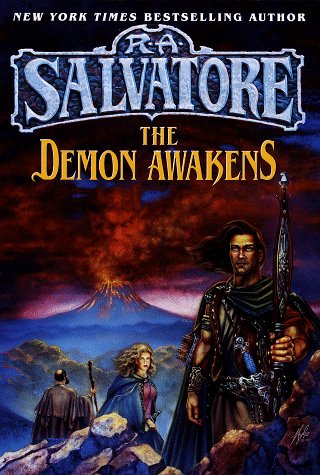
                • Cover of Demon Wars
                  Demon Wars

                  series · 4 books · 1997

                  part of Corona

                  similar bydarkepic fantasyfantasysecondary worlddemons+1 more

                  The DemonWars Saga is a series of high fantasy novels by R. A. Salvatore. It is set in the world of Corona, primarily in the kingdoms of Honce-the-Bear and Behren, and amongst the nomadic To-gai-ru. The series is separated into two trilogies connected by a single book, Mortalis. The saga has an accompanying roleplaying game entitled Demon Wars.

                • Cover of A Song of Ice and Fire
                  A Song of Ice and Fire

                  series · 14 books · 1996

                  part of World of Ice and Fire

                  similar bydarkepic fantasysecondary worldfantasy

                  A Song of Ice and Fire is a series of high fantasy novels by the American author George R. R. Martin. Martin began writing the first volume, A Game of Thrones, in 1991, and published it in 1996. Martin, who originally envisioned the series as a trilogy, has released five out of seven planned volumes. The most recent entry in the series, A Dance with Dragons, was published in 2011. Since then, Martin has been working on the sixth novel, titled The Winds of Winter. A seventh novel, A Dream of Spring, is planned to follow.

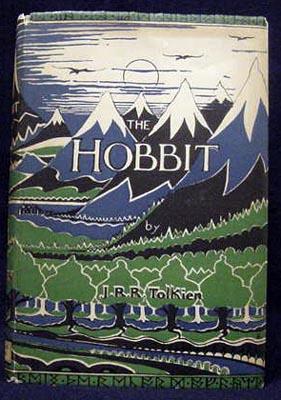
                • Cover of The Hobbit
                  The Hobbit

                  series · 2 books · 1937

                  completed

                  part of Tolkien's legendarium

                  similar byfantasysecondary worldadventurousepic fantasy+1 more

                  The Hobbit (1937) is J. R. R. Tolkien's children's fantasy novel following the reluctant burglar Bilbo Baggins, who joins a company of dwarves and the wizard Gandalf on a journey to reclaim treasure guarded by the dragon Smaug. It stands as a complete adventure on its own, but shares its setting with the rest of Tolkien's legendarium and leads into the events of The Lord of the Rings.

                • TC
                  Thomas Covenant the Unbeliever

                  series · 11 books · 1977

                  similar bydarkepic fantasysecondary worldfantasy+1 more

                  The Chronicles of Thomas Covenant is a series of ten high fantasy novels written by American author Stephen R. Donaldson. The series began as a trilogy, The Chronicles of Thomas Covenant the Unbeliever. This was followed by another trilogy, The Second Chronicles of Thomas Covenant, and finally a tetralogy, The Last Chronicles of Thomas Covenant.

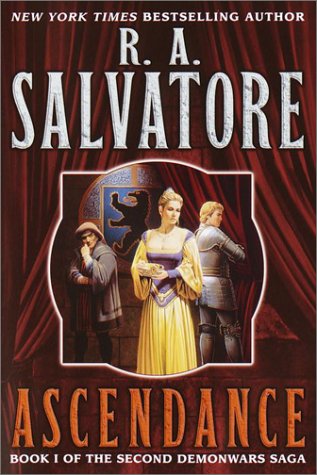
                • Cover of Second Demon Wars Saga
                  Second Demon Wars Saga

                  series · 3 books · 2001

                  part of Corona

                  similar bydarkepic fantasysecondary worlddemonsfantasy+2 more

                • Cover of A Chorus of Dragons / Godslayer Cycle
                  A Chorus of Dragons / Godslayer Cycle

                  series · 5 books · 2019

                  similar bydarkepic fantasysecondary worlddemons+3 more

                  The Ruin of Kings opens Jenn Lyons's series with Kihrin, an orphan raised on storybook tales of lost princes, who is claimed against his will as the missing son of a treasonous prince and finds the reality of that bloodline nothing like the stories promised: prisoner-like confinement, family power plays, and revelations that dragons, gods, demons, and prophecy don't work the way the tales said either. The five-book series is told through interleaved, non-chronological narration rather than a single straightforward timeline. Lyons continues the story through The Name of All Things, The Memory of Souls, The House of Always, and The Discord of Gods.

                • Cover of The Lord of the Rings
                  The Lord of the Rings

                  series · 13 books · 1954

                  part of Tolkien's legendarium

                  similar byepic fantasysecondary world+2 more

                  The Lord of the Rings is an epic high fantasy novel written by the English author and scholar J. R. R. Tolkien. Set in Middle-earth, the story began as a sequel to Tolkien's 1937 children's book The Hobbit but eventually developed into a much larger work. Written in stages between 1937 and 1949, The Lord of the Rings is one of the best-selling books ever written, with over 150 million copies sold.

                • Cover of The Ancestor
                  The Ancestor

                  series · 4 books · 2017

                  similar bydarkfantasyepic fantasysecondary worldmagic schools+2 more

                  The Book of the Ancestor trilogy is a series of three fantasy novels by Mark Lawrence. It comprises Red Sister (2017), Grey Sister (2018), and Holy Sister (2019). The three novels tell the story of Nona Grey, a peasant girl with mystical abilities. Red Sister was nominated for the 2018 David Gemmell Awards for Fantasy.

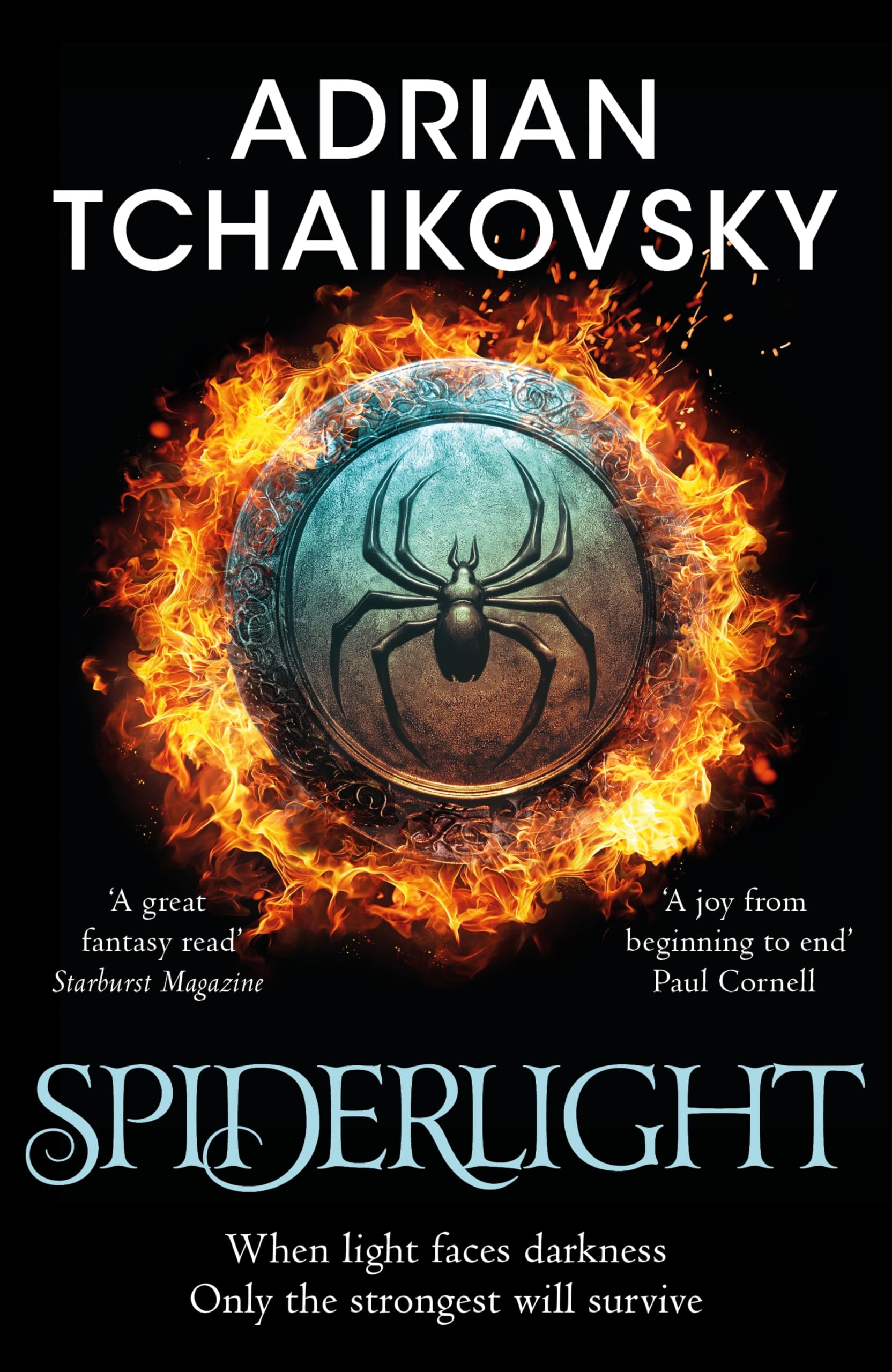
                • Cover of Spiderlight
                  Spiderlight

                  Adrian Tchaikovsky · standalone novel · 2016

                  similar bydarkepic fantasysecondary worldadventurousfantasyprophecy

                  Spiderlight is a 2013 fantasy novel by Adrian Tchaikovsky. The novel tells the story of a group of humans and a giant spider who follow a prophecy to defeat the Dark Lord. The novel received critical praise for its exploration of the meaning of good and evil through the use of common fantasy tropes.

                • Cover of The Song of Shattered Sands
                  The Song of Shattered Sands

                  series · 14 books · 2015

                  similar byepic fantasysecondary worlddesert+3 more

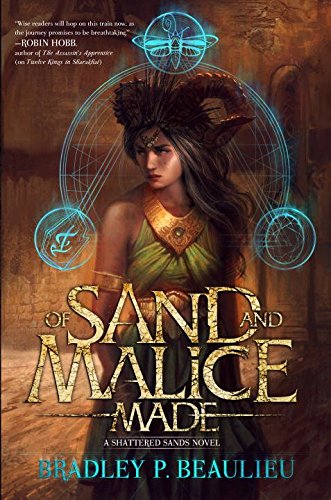
                  The Song of the Shattered Sands is a series of epic fantasy novels written by American author Bradley P. Beaulieu. Starting in 2015 with Twelve Kings in Sharakhai, the series was concluded in 2021 with A Desert Torn Asunder.

                • Cover of Starside
                  Starside

                  Alex Aster · standalone novel · 2026

                  similar bydarkfantasyepic fantasysecondary worldadventurous+1 more

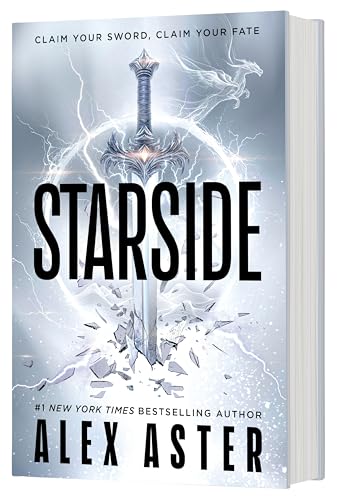
                  Hundreds of years ago, a brutal war split a land in two. Starside is the realm of magic and immortals—the descendants of the gods, living in a power-rich paradise. Stormside is where mortals fight for scraps of that magic. Every fifty years, the gates between them open, and fifty challengers are allowed to journey across Starside on a deadly quest to access a pool of magic that can heal, grant wealth, or extend life. Everyone has their reasons for entering, but Aris has only vengeance. As a child, a goddess set fire to her village, killing her family. Aris isn’t after the gods’ magic—she’s going to kill them. First, she must survive the Culling, the king’s deadly competition to choose his fifty challengers. An orphaned blacksmith’s apprentice, Aris doesn’t have the superior weapons of the heirs from the Great Houses. But the greatest swords—ones that contain power—are not inherited or bought, they are claimed, by both sides. And when Aris claims a great sword, it makes her not just a real competitor—but a target. Getting past the gates is only the beginning. Starside is deadlier than it seems. If the ancient creatures, magic-wielding beasts, and bloodthirsty immortals weren’t dangerous enough, a new peril has even immortals fearing what rises from the ground at night. With a blade most would kill to claim, Aris can’t trust anyone. Especially not Harlan Raker, the merciless and mysterious king’s guard who betrayed her years ago—and who may now be the key to her survival. But Aris is hiding a secret tied to her family’s death. And when it’s revealed, not even the gods will be able to stop what’s coming…

                • Cover of Rigante
                  Rigante

                  series · 4 books · 1998

                  completed

                  similar bydarkepic fantasysecondary worldfantasy+2 more

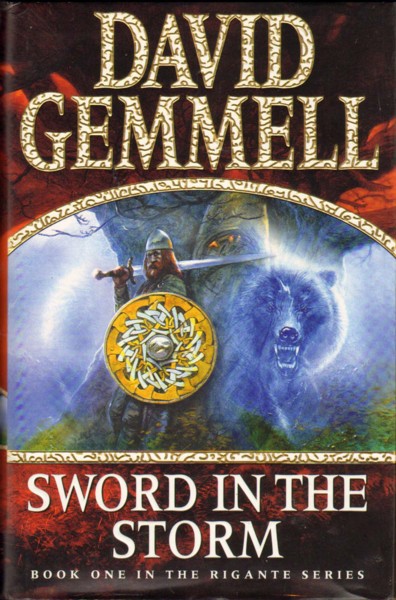
                  Sword in the Storm opens David Gemmell's Rigante sequence, following Connavar, a young tribesman of the Rigante people whose homeland faces both internal clan conflict and the looming threat of a technologically superior empire modeled on Rome. The series spans generations of the Rigante across four novels, mixing Gemmell's trademark heroic-fantasy action with Celtic-flavored history. It was published between 1998 and 2002.

                • Cover of The Kingdoms of Thorn and Bone
                  The Kingdoms of Thorn and Bone

                  series · 4 books · 2003

                  similar byepic fantasydarksecondary worldfantasy+2 more

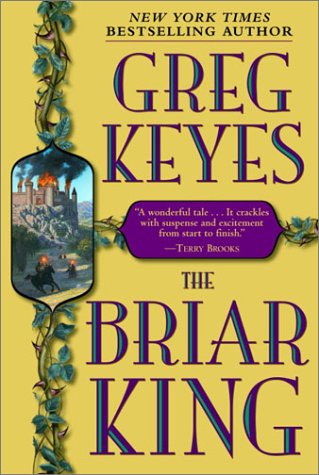
                  The Kingdoms of Thorn and Bone is the name of a fantasy novel series by Gregory Keyes, written between 2003 and 2008. They follow the story of Anne Dare, descendant of Virginia Dare, a famed ruler who used her magic to aid the kingdom of Crotheny. Her descendants rule the kingdom until a traitorous plot to overthrow them leads to tragedy.

                • Cover of Malazan
                  Malazan

                  universe · 36 books · 1999

                  Start hereMalazan Book of the Fallen · Start here

                  similar bydarkepic fantasysecondary world+1 more

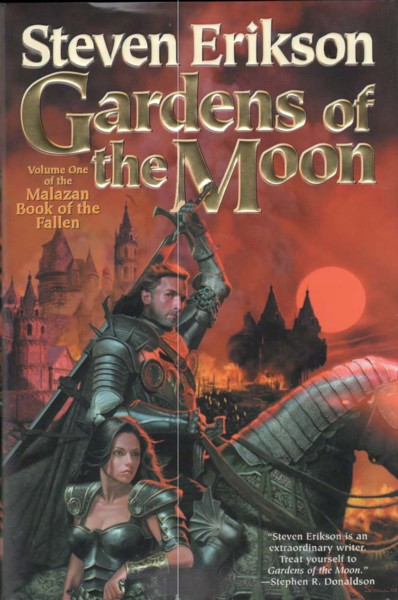
                  Pity the historian who tries to map this world; pity more the god who thinks he rules it. The Malazan Empire marches across continents on the boots of its common soldiers, and above them move Ascendants — mortals grown into something like gods, and gods worn thin as old coin. Magic is drawn from Warrens, roads of power threaded through reality; the dead keep their grudges; and every empire, however vast, is a wager against time. This is epic fantasy told from the mud, where a sapper cracking a joke weighs as much as an immortal settling a feud older than the human race. The world began as a tabletop campaign two friends built in the 1980s, and it still moves by two hands. Steven Erikson's ten-volume Malazan Book of the Fallen is the spine — Gardens of the Moon, Deadhouse Gates, Memories of Ice, on through The Crippled God — each book a near-standalone campaign that only later reveals how it locks together. Ian C. Esslemont walks the same years from a different vantage in his Novels of the Malazan Empire (Night of Knives, Return of the Crimson Guard onward). Around them stand the prequels: Erikson's Kharkanas Trilogy, archaic and elegiac, chronicling a doomed elder people, and Esslemont's brisker Path to Ascendancy, following two adventurers before they became legends. Erikson's Witness sequence carries the tale forward, and novellas of the genial necromancers Bauchelain and Korbal Broach supply the gallows comedy. Nothing is explained to you; comprehension is earned, and that is the pleasure. The themes run deep — compassion set against cruelty, the toll empires charge, civilizations that fall and are mourned. Begin where the saga does, with Erikson's Gardens of the Moon, and read the ten in publication order; the prequels are for the already-initiated. Trust that confusion is the price of entry.

                • C
                  Corum

                  series · 6 books · 1971

                  part of Moorcock's Multiverse

                  similar byfantasyepic fantasysecondary worldadventurous+1 more

                • Cover of Riftwar Saga
                  Riftwar Saga

                  series · 7 books · 1982

                  part of The Riftwar Universe

                  similar byepic fantasysecondary worldadventurousfantasy+1 more

                  The Riftwar Saga is Raymond E. Feist's debut fantasy trilogy, opening with Magician, in which an orphaned apprentice named Pug is swept up when otherworldly invaders emerge through a dimensional rift into the frontier kingdom of Midkemia. Silverthorn and A Darkness at Sethanon carry the resulting war to its close, and the trilogy became the founding entry of Feist's much larger Riftwar Cycle.

                • Cover of Between Earth and Sky
                  Between Earth and Sky

                  series · 3 books · 2020

                  similar bydarkepic fantasysecondary worldfantasyprophecy+1 more

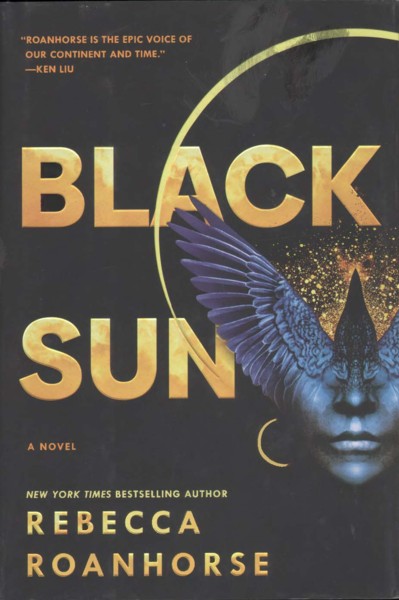
                  Between Earth and Sky is a fantasy novel series by American writer Rebecca Roanhorse. It currently comprises three novels: Black Sun (2020), Fevered Star (2022), and Mirrored Heavens (2024). It is an epic fantasy series inspired by various pre-Columbian American cultures. Black Sun won the 2021 Alex Award and the 2021 Ignyte Award for Best Adult Novel; it was additionally a finalist for the Locus Award for Best Fantasy Novel, Nebula Award for Best Novel, and Hugo Award for Best Novel. The whole series won the 2025 Hugo Award for Best Series.

                • Cover of Nightseer
                  Nightseer

                  series · 5 books · 1989

                  similar bydarkfantasysecondary world+3 more

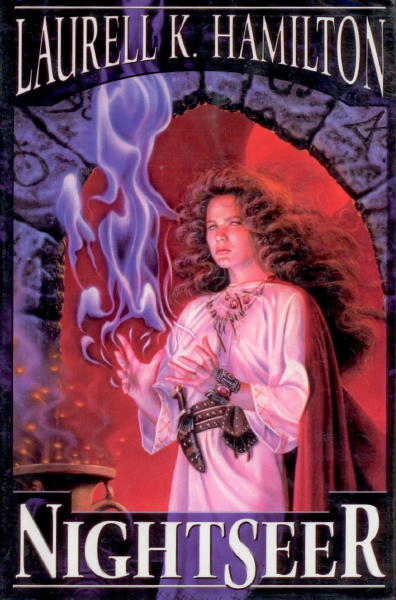
                  Laurell K. Hamilton's Nightseer (1992) follows Keleios, a half-elf seeking vengeance for her mother's murder, who is granted extraordinary powers along with a dangerous 'demonmark' that risks opening her to dark magic. A standalone fantasy adventure, it predates Hamilton's better-known Anita Blake and Merry Gentry series.

                • Cover of The Warrior Who Carried Life
                  The Warrior Who Carried Life

                  Geoff Ryman · standalone novel · 1985

                  similar bydarkfantasysecondary worldepic fantasyadventurous+1 more

                  From the back cover of the Bantam paperback edition: "In a dawn land touched by a strange magic, a young woman burned with a dark vengeance. Barbaric invaders had slaughtered her mother, crippled her father and brother, and left her scarred and barren. To redeem her world from the grip of an ancient Evil, she transformed herself into a mighty warrior, and followed the Road of Heroes into the Land of Death..."

                • Cover of Beklan Empire
                  Beklan Empire

                  series · 2 books · 1974

                  completed

                  similar byfantasyepic fantasysecondary world+3 more

                  Two standalone novels by Richard Adams set in the same invented world, the Beklan Empire, an ancient, quasi-Mediterranean land of god-kings, slave markets, and warring city-states. Shardik (1974) follows a hunter swept into a religious and military frenzy over a giant bear believed to be the vessel of a god; Maia (1984) turns to an earlier generation of the empire and follows a slave girl's rise through its court and conquests. The two novels share only their setting, not characters or plot.

                • Cover of Dragon Age (Bioware RPG tie-in)
                  Dragon Age (Bioware RPG tie-in)

                  series · 21 books · 2009

                  similar byepic fantasyfantasysecondary world+2 more

                  These tie-in novels expand BioWare's Dragon Age video game series into prose, mostly written by the games' own lead writers, and are set in the same dark-fantasy world of Thedas. The Stolen Throne and The Calling serve as prequels filling in the backstory of characters central to the first game, while later books such as Asunder and The Masked Empire tie more directly into the plots and politics of the sequels. They are written for players wanting deeper lore rather than as standalone entry points to the setting.

                • Cover of Pellinor
                  Pellinor

                  series · 5 books · 2002

                  similar byfantasyepic fantasysecondary worldadventurouschosen one+1 more

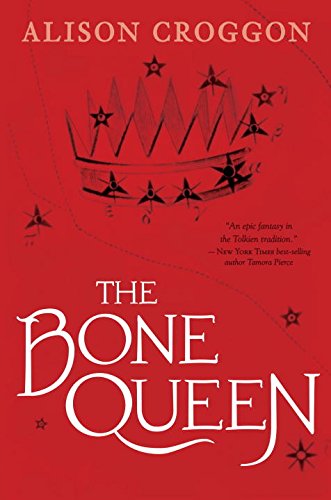
                  Maerad has spent most of her life enslaved on a remote farm, until the wandering Bard Cadvan recognizes in her the Gift -- a rare and powerful magical ability -- and takes her from captivity into training. Alison Croggon's Books of Pellinor follow Maerad across the world of Edil-Amarandh as she's drawn into a prophecy naming her the only one who might stop the Nameless One, an ancient and corrupting sorcerer, while she also searches for her lost family. The series runs through The Gift, The Riddle, The Crow, The Singing, and the later prequel The Bone Queen.

                • Cover of Malazan Book of the Fallen
                  Malazan Book of the Fallen

                  series · 20 books · 1999

                  part of Malazan

                  similar bydarkepic fantasysecondary worldfantasy+1 more

                  The Malazan Book of the Fallen is a series of epic fantasy novels written by the Canadian author Steven Erikson. The series, published by Bantam Books in the U.K. and Tor Books in the U.S., consists of ten volumes, beginning with Gardens of the Moon (1999) and concluding with The Crippled God (2011). Erikson's series presents the narratives of a large cast of characters spanning thousands of years across multiple continents.

                • Cover of Demon Cycle
                  Demon Cycle

                  series · 10 books · 2008

                  part of The Demon Cycle

                  similar bysecondary worldepic fantasydemonsfantasy+2 more

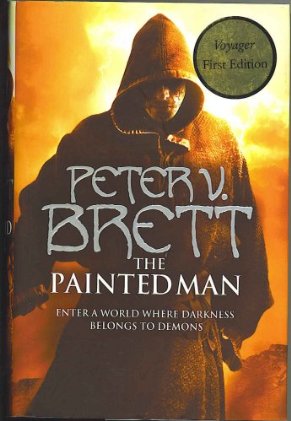
                  Peter V. Brett's Demon Cycle is set in a world where nightly demon attacks have driven humanity behind protective magical wards, following several point-of-view characters, including Arlen Bales and Leesha Paper, who each search for ways to fight back after centuries of retreat. The core story runs across five novels plus companion novellas.