Loreful
HomeDiscover
Search series, authors…⌘K
Loreful

Reading orders for SF/F series and shared universes — with your place kept in every one.

Explore

UniversesSeriesWorksAuthorsAtlas

Help

FAQAboutSite map

Account & legal

Sign inCreate accountPrivacyTerms

Data

Built on ISFDB, Wikipedia, Wikidata and Open Library. Curated reading orders carry their reasoning on the page; the rest follow publication order. Data sources & licenses

© Loreful · data: ISFDB · CC BY

More like Until Forever Ends

but

Mood

The mood the book leaves you in.

  • The reading experience is propelled by journeys, exploration, and physical risk; excitement and forward momentum dominate over dread or introspection.
  • Joy and loss are deliberately mixed; the resolution grants characters something real while taking something else away, leaving warmth and sorrow together.
  • The book demands work from the reader — dense prose, difficult structure, unfamiliar ideas, or morally uncomfortable material — as part of its intended effect.
  • Grim events, cruelty, or despair dominate the atmosphere, and the book does not soften them with comfort or comic relief.
  • The atmosphere is quietly unsettling — wrongness, unease, and the uncanny pervade the book without necessarily escalating into overt horror.
  • The book is built to move the reader; character feeling is foregrounded and major scenes aim at a strong emotional response.
  • Humor is a primary aim and the prose plays for laughs — comic situations, wit, or dialogue produce sustained comedy, not occasional levity.
  • The book insists that things can improve; effort and decency are shown to matter, and the arc bends toward better outcomes even through hardship.
  • The book teaches as it goes — real facts, history, science, or craft are conveyed in enough depth that learning is part of the reading experience.
  • The book is designed to uplift and motivate, presenting perseverance or achievement in a way that invites the reader to aspire or act.
  • The overall register is cheerful and easygoing; stakes are kept gentle and the book avoids dwelling on pain or dread.
  • Withheld information drives the experience; the book sustains enigmas and secrets the reader wants resolved, whatever its genre.
  • The book is contemplative and inward-looking, giving more weight to thought, memory, and meaning than to external events.
  • The book works as comfort reading — low tension, a soothing pace, and an atmosphere the reader can unwind in.
  • Grief, loss, or melancholy set the dominant register, and the book lets sorrow stand rather than resolving it into comfort.
  • Sustained suspense is the point; the book keeps the reader braced for what happens next through danger, pressure, or impending revelation.
  • Playful invention and charm define the register — fanciful conceits, light absurdity, and a narration that delights in its own oddity.

About

What the story runs on.

  • Stories centered on witches and the practice of witchcraft — covens, hedge magic, familiars, and the witch's place in her community.
  • Stories structured as a quest — a journey undertaken to find, deliver, or destroy something of great import.
  • Stories in which staying alive against nature, catastrophe, or scarcity is the central problem.
  • Stories of lovers kept apart by law, family, faith, or station, where the obstacle to love is the plot.
  • Stories in which a friendship — its making, testing, or loss — is the emotional center.
  • Stories of growing up — a young protagonist crossing from childhood into adult knowledge and responsibility.
  • Stories about who a character truly is — self-discovery, doubled lives, and the search for a self.
  • Stories about mental unraveling — descent into madness, delusion, and minds at war with themselves.
  • Stories about mourning — living through the death of a loved one and what loss does to the survivors.
  • Stories in which a buried family truth — hidden parentage, crimes, or shames — surfaces and reorders the present.
  • Stories driven by maneuvering for power — factions, conspiracies, and statecraft conducted in shadow.
  • Stories organized around investigating a killing — the case, the clues, and the pursuit of the killer, in any genre's clothing.

Shelf

Where it sits in the library.

    • Fiction built on magic or other supernatural elements that have no scientific explanation.
    • Secondary-world fantasy at large scale, where the fate of nations or the world turns on the protagonists' struggle.
    • Fantasy set in a recognizably modern city or contemporary world where the supernatural intrudes on everyday life.
    • Fantasy that blends in horror's atmosphere and imagery, keeping a fantastical frame around grim or frightening material.
    • Action-driven fantasy following warriors or rogues with personal stakes against sorcerous threats, rather than world-spanning conflicts.
    • Fantasy set in a real historical period or a close analogue of one, with magic woven into the era.
    • Fantasy in which protagonists cross from the ordinary world into another world through a portal or similar passage.
    • Fiction that retells or reworks a traditional fairy tale in a new form or setting.
    • Fantasy drawing directly on myths, legends, and folklore, retelling them or building on their figures and logic.
    • Fantasy of ghosts, vampires, shapeshifters, psychics, and similar phenomena, usually set in an otherwise ordinary world.
    • Fiction mixing science-fictional trappings with overtly magical or impossible elements in one setting.
    • Low-stakes fantasy emphasizing comfort, community, and everyday pleasures over conflict and peril.
    • Speculative fiction of pervasive moral ambiguity, violence, and cynicism that rejects heroic conventions — fantasy and SF alike.
      • Fiction that extrapolates from science and technology — future societies, space travel, or speculative inventions — within at least nominally natural laws.
      • Science fiction of interstellar scope — starships, galactic polities, and adventure across star systems.
      • Science fiction committed to scientific rigor, where technical plausibility constrains the story.
      • Science fiction centered on armed forces and warfare, told largely from a military point of view.
      • Science fiction of networked, corporate-dominated near futures, pairing high technology with social decay.
      • Science fiction styled on nineteenth-century steam-powered technology, often in a Victorian or pseudo-Victorian setting.
      • Fiction depicting an oppressive or catastrophic society, presented as a warning.
      • Fiction set after civilization's collapse, following survivors in the ruins of the old world.
      • Fiction in which characters move between past and future, and the mechanics or consequences of that travel drive the plot.
      • Fiction exploring a world where a historical event went differently and history diverged from ours.
      • Science fiction about humanity's first encounter and communication with an alien intelligence.
      • Science fiction in which extraterrestrial forces attack or occupy Earth and humanity resists.
      • Fiction whose primary aim is to frighten or unsettle the reader through dread, menace, or the monstrous.
      • Horror of vast, indifferent, incomprehensible entities before which humanity is insignificant, in the Lovecraft tradition.
      • Horror of decaying houses, buried family secrets, and oppressive atmosphere in the Gothic literary tradition.
      • Horror centered on hauntings and the returning dead.
      • Horror located in the mind — paranoia, obsession, and unreliable perception rather than external monsters.
      • Horror built around the reanimated dead and survival amid their outbreaks.
      • Horror defined by explicit, transgressive gore that refuses to cut away from violence.
      • Speculative fiction of the strange and uncanny that resists both natural explanation and standard genre categories.
      • Fiction organized around solving a crime or puzzle, typically following an investigator toward the identification of a culprit.
      • A puzzle-first mystery that lays out clues so the culprit's identity can be deduced before the reveal.
      • Crime fiction of moral ambiguity, fatalism, and hard-edged style, set among the corrupt and the doomed.
      • A mystery following the realistic routines of police work — forensics, interviews, and case-building.
      • A gentle mystery with an amateur sleuth, a small community, and violence kept off the page.
      • A mystery set in a past era, where the investigation works within that period's methods and society.
      • Fast-paced fiction driven by imminent danger, pursuit, or high-stakes conspiracy, built to sustain tension.
      • A thriller of espionage — agents, tradecraft, and intelligence services in conflict.
      • A thriller centered on lawyers and the courtroom, where litigation carries the suspense.
      • A thriller driven by detailed contemporary or near-future technology, often military or scientific.
      • A thriller whose tension comes from mental states and manipulation between characters rather than external action.
      • Fiction whose central plot is a romantic relationship and its development toward an emotionally satisfying resolution.
      • Romance in which one or both partners are supernatural beings, blending fantasy elements into the love story.
      • A fantasy-romance hybrid in which the romantic arc and the fantasy plot carry equal weight.
      • Romance set in a past era, with courtship shaped by the period's society and manners.
      • Romance set in the present day, without supernatural or historical elements.
      • Fiction set in a real past period, where the historical setting materially shapes characters and events.
        • General and literary fiction emphasizing prose style, character interiority, or formal ambition over genre plot conventions.
        • Fiction in a realistic world where magical events occur and are treated as ordinary, in the tradition of Latin American literature.
        • Fiction that ridicules people, institutions, or society in order to criticize them.
        • Fiction of dreamlike, irrational imagery and logic that breaks from realistic representation.
        • Fiction that plays with narrative convention through metafiction, fragmentation, and self-reference.
        • Fiction propelled by journeys, exploration, and physical peril, where action and survival carry the plot.
        • Adventure fiction of ships and seafaring — naval engagements, voyages, and life at sea.
        • Fiction of the American frontier West — gunmen, ranchers, and lawmen, typically in the late nineteenth century.
        • Fiction centered on soldiers, campaigns, and the experience of warfare, historical or imagined.
          • Fiction written primarily to amuse, using comedic situations, wit, or parody as its organizing principle.
            • Multi-generational fiction following a family or dynasty across decades, with inheritance and kinship as the through-line.
              • Fiction whose world runs on explicit game mechanics — levels, stats, and skills that characters can see and exploit.
                • Fiction about costumed or superpowered heroes and their conflicts with comparable villains.

                Practical

                How long a commitment, whether it stands alone, and whether it has finished.

                Tap a chip to ask for it · tap again to rule it out · once more to clear. Numbers show what would be left.

                • Cover of Flowers for Algernon
                  Flowers for Algernon

                  Daniel Keyes · standalone novel · 1966

                  similar byemotionalcontemporary

                  A man with a low IQ becomes the subject of an experimental medical procedure which raises his IQ well over genius level.

                • Cover of Watership Down
                  Watership Down

                  series · 21 books · 1972

                  completed

                  similar bycontemporary+1 more

                  Watership Down is Richard Adams's 1972 novel following a group of rabbits who flee the destruction of their warren and cross the English countryside of Hampshire in search of a new home, developing over the journey a full rabbit culture of language, proverbs, and mythology. Adams returned to the same world in 1996 with Tales from Watership Down, a collection of nineteen short stories mixing rabbit folklore with further adventures of characters from the novel.

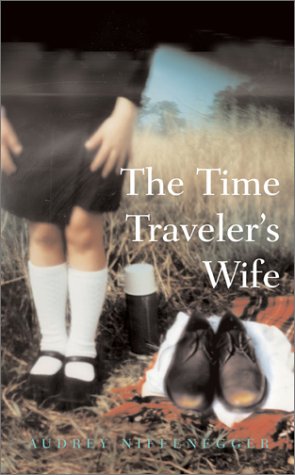
                • Cover of The Time Traveler's Wife
                  The Time Traveler's Wife

                  Audrey Niffenegger · standalone novel · 2003

                  similar byemotionalcontemporary

                  The Time Traveler's Wife is the debut novel by American author Audrey Niffenegger, published in 2003. It is a love story about Henry, a man with a genetic disorder that causes him to time travel unpredictably, and about Clare, his wife, an artist who has to cope with his frequent absences. Niffenegger, who was frustrated with love when she began the novel, wrote the story as a metaphor for her failed relationships. The tale's central relationship came to Niffenegger suddenly and subsequently supplied the novel's title. The novel has been classified as both science fiction and romance.

                • Cover of Fionavar Universe
                  Fionavar Universe

                  series · 5 books · 1984

                  similar byemotionalcontemporary

                  Ysabel is a 2007 standalone contemporary fantasy novel by Guy Gavriel Kay, following teenager Ned Marriner as he stumbles into a centuries-old rivalry playing out around the cathedral of Aix-en-Provence. It marked Kay's turn toward urban fantasy and briefly brings back two adult characters from his earlier Fionavar Tapestry trilogy, though it is not itself part of that trilogy and can be read on its own.

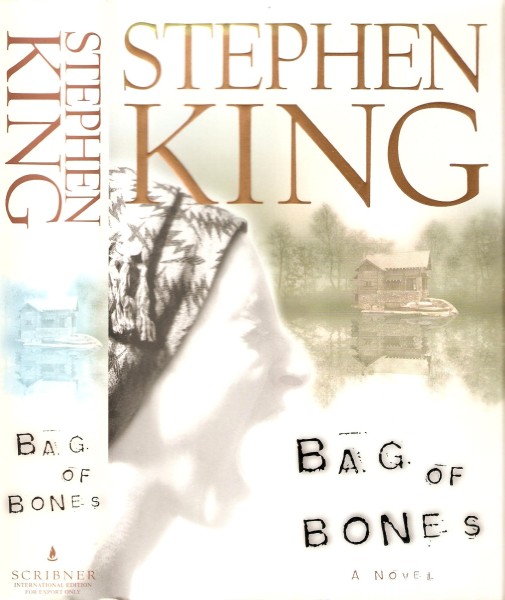
                • Cover of Bag of Bones
                  Bag of Bones

                  Stephen King · standalone novel · 1998

                  similar byemotionalcontemporary

                  Bag of Bones is a 1998 horror novel by American writer Stephen King. It focuses on an author who suffers severe writer's block and delusions at an isolated lake house four years after the death of his wife. It won the 1999 Bram Stoker Award for Best Novel, the 1999 British Fantasy Award for Best Novel, and the 1999 Locus Award for Best Dark Fantasy/Horror Novel.

                • Cover of The Dreaming Jewels
                  The Dreaming Jewels

                  Theodore Sturgeon · standalone novel · 1950

                  similar byemotionalcontemporary

                  The Dreaming Jewels (1950), also known as The Synthetic Man, is a science fiction novel by American writer Theodore Sturgeon. It was his first published novel.

                • Cover of The Midnight World
                  The Midnight World

                  series · 2 books · 2020

                  similar byemotionalcontemporary

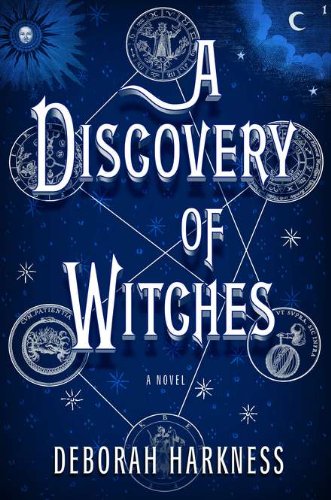
                • Cover of All Souls
                  All Souls

                  series · 5 books · 2011

                  similar bycontemporary+1 more

                  A Discovery of Witches is a 2011 historical-fantasy novel and the debut novel by American scholar Deborah Harkness. It follows Diana Bishop, a history of science professor at Yale University, as she embraces her magical blood after finding a long-thought-lost manuscript and engages in a forbidden romance with a charming vampire, Matthew Clairmont.

                • Cover of Skellig
                  Skellig

                  David Almond · standalone novel · 1998

                  similar byemotionalcontemporary

                  Skellig is a children's novel by the British author David Almond, published by Hodder in 1998. It was the Whitbread Children's Book of the Year and it won the Carnegie Medal from the Library Association, recognising the year's outstanding children's book by a British author. In 2007, it placed third in the "Carnegie of Carnegies", after Northern Lights and Tom's Midnight Garden. In the U.S., it was a runner up for the Michael L. Printz Award, which recognises one work of young adult fiction annually. Since publication, it has also been adapted into a play, an opera, and a film. In December of 2011, a prequel, My Name is Mina was published. William Blake's poems feature in the book, the play and the film.

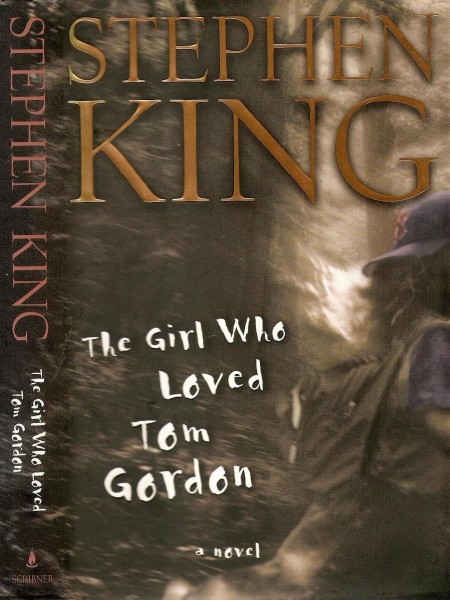
                • Cover of The Girl Who Loved Tom Gordon
                  The Girl Who Loved Tom Gordon

                  Stephen King · standalone novel · 1999

                  similar byemotionalcontemporary

                  A nine year old girl becomes lost in the Maine forest while on a day hike with her family, and finds the strength to survive in her idolizing of the Red Sox closing pitcher.

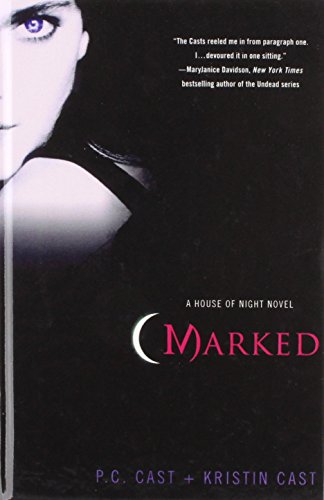
                • Cover of House of Night
                  House of Night

                  series · 20 books · 2007

                  similar bycontemporary+1 more

                  House of Night is a series of young adult vampire-themed fantasy novels by American author P. C. Cast and her daughter Kristin Cast. It follows the adventures of Zoey Redbird, a 16-year-old girl who is "marked", becomes a fledgling vampyre and is required to attend the House of Night boarding school in Tulsa, Oklahoma. Books in the series have been on the New York Times Best Seller list for 63 weeks and have sold over seven million copies in North America, and more than ten million books worldwide, in 39 countries.

                • VA
                  Vampire Academy Universe

                  series · 19 books · 2007

                  similar bycontemporary+1 more

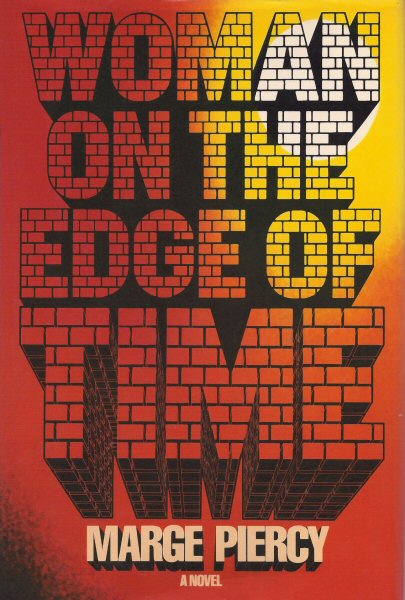
                • Cover of Woman on the Edge of Time
                  Woman on the Edge of Time

                  Marge Piercy · standalone novel · 1976

                  similar byemotionalcontemporary

                  Woman on the Edge of Time is a 1976 feminist science fiction novel by American writer Marge Piercy. The novel was originally published by Alfred A. Knopf. Piercy draws on several inspirations to write this novel such as utopian studies, technoscience, socialization, and female fantasies. One of Piercy's main inspirations for her utopian novels is Plato's Republic. Piercy describes the novel as, "if only…"

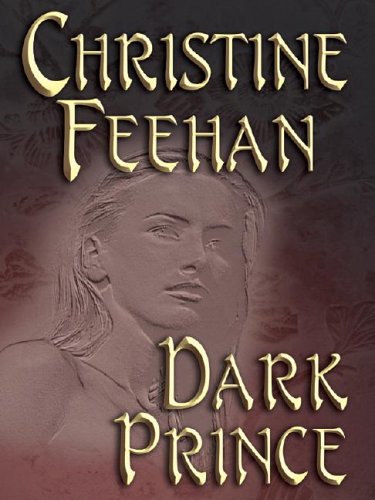
                • Cover of Carpathian
                  Carpathian

                  series · 48 books · 1999

                  similar byemotionalcontemporary

                  Carpathian is Christine Feehan's long-running paranormal romance series about an ancient, near-immortal species who slowly lose color and feeling until they find a lifemate who restores both. Starting with Dark Prince in 1999, each book pairs a different Carpathian hunter with a human or gifted heroine, moving between the Carpathian Mountains and modern settings worldwide as the couple confronts vampires and other supernatural threats. It has grown to dozens of novels and novellas and is still being added to.

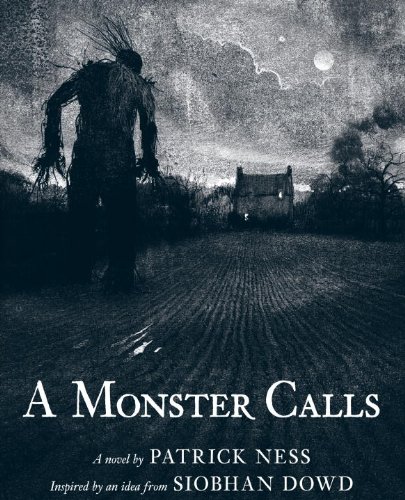
                • Cover of A Monster Calls
                  A Monster Calls

                  series · 2 books · 2011

                  similar byemotionalcontemporary

                  A Monster Calls follows a boy struggling with his mother's terminal illness, who is visited each night by a tree-like monster demanding an honest story from him in exchange for the unsettling tales it tells. Patrick Ness wrote the novel from an idea left unfinished by Siobhan Dowd, who died of cancer before she could write it herself, with illustrations by Jim Kay integral to the original edition. It was later adapted for the stage.

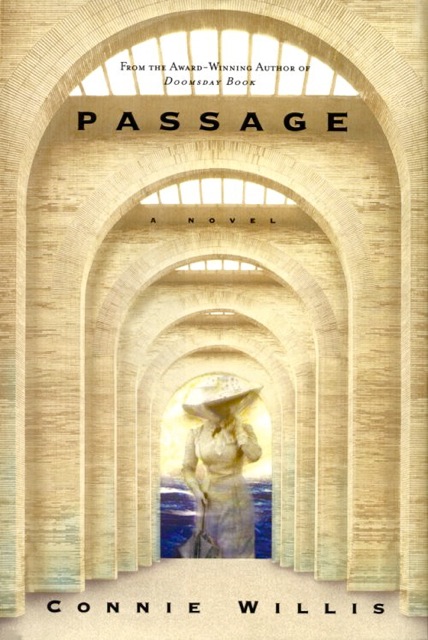
                • Cover of Passage
                  Passage

                  Connie Willis · standalone novel · 2001

                  similar byemotionalcontemporary

                  Passage is a science fiction novel by Connie Willis, published in 2001. The novel won the Locus Award for Best Novel in 2002, was shortlisted for the Nebula Award in 2001, and received nominations for the Hugo, Campbell, and Clarke Awards in 2002.

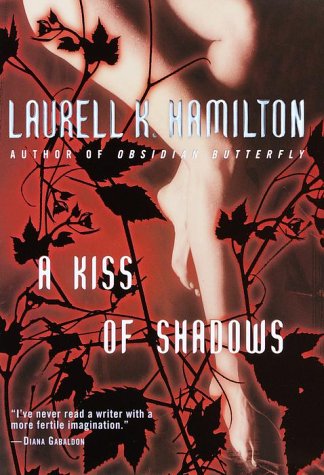
                • Cover of Meredith Gentry
                  Meredith Gentry

                  series · 10 books · 2000

                  similar bycontemporary+1 more

                  The Merry Gentry series is a series of urban fantasy novels by New York Times bestselling author Laurell K. Hamilton. The series is told through the lens of the titular character Meredith "Merry" Gentry, a faerie princess turned private investigator in a world where faeries exist and are known to the general public. The first book in the series, A Kiss of Shadows, was released by Del Rey on October 3, 2000. There are currently nine books in the series.

                • Cover of Fluke
                  Fluke

                  James Herbert · standalone novel · 1977

                  similar byemotionalcontemporary

                  A dog named Fluke is barely more than a puppy when fragments of a life that isn't his own surface in his mind -- memories of a wife, a daughter, a job, an entire human existence he can't reconcile with the body he's now living in. Driven by those memories, Fluke sets out to find the family he half-remembers, aided by Rumbo, another dog going through the same impossible transformation. James Herbert follows the journey from a dog's-eye view of the world, using Fluke's confusion and determination to ask what, if anything, survives of a person after death. A standalone novel by James Herbert, better known for straightforward horror.

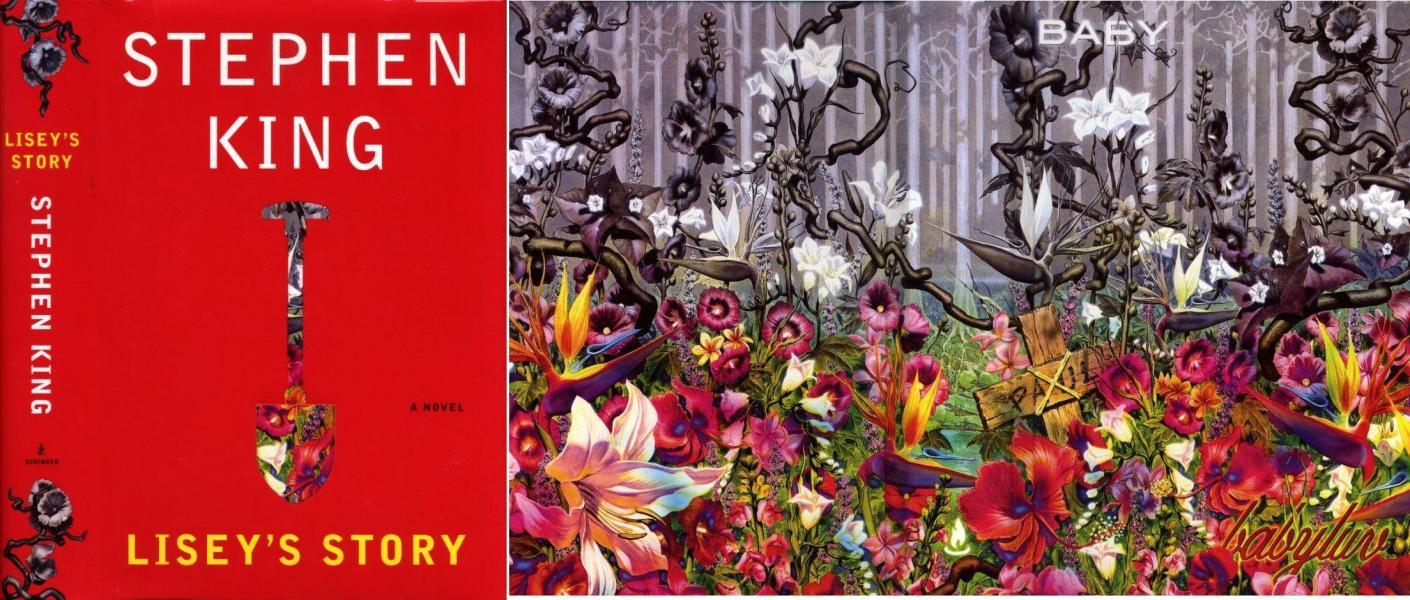
                • Cover of Lisey's Story
                  Lisey's Story

                  Stephen King · standalone novel · 2006

                  similar byemotionalcontemporary

                  When the widow of a successful author is targeted by a psychopath, she must make use of the ability to shift to a parallel world, which she learned from her husband.

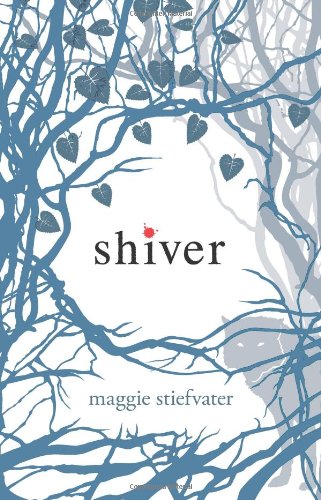
                • Cover of The Wolves of Mercy Falls
                  The Wolves of Mercy Falls

                  series · 4 books · 2009

                  similar byemotionalcontemporary

                  The Wolves of Mercy Falls is a series of four novels, located in the genres of romance, fantasy and young adult (YA) fiction, written by Maggie Stiefvater. Published by American multinational company Scholastic from between 2009 and 2014, the series consists of the titles Shiver, Linger, Forever and Sinner. Set in the fictional town of Mercy Falls, Stiefvater has stated that the real town of Ely in Minnesota would be its closest neighbouring destination, with the two towns sharing a similar climate.

                • Cover of Slam
                  Slam

                  Nick Hornby · standalone novel · 2007

                  similar byemotionalcontemporary

                  Slam is a novel written by British author Nick Hornby, published in 2007. The book's main theme is teenage pregnancy and it is written from the perspective of a teenager, Sam.

                • CC
                  Caster Chronicles / Beautiful Creatures Universe

                  series · 8 books · 2009

                  similar bycontemporary+1 more

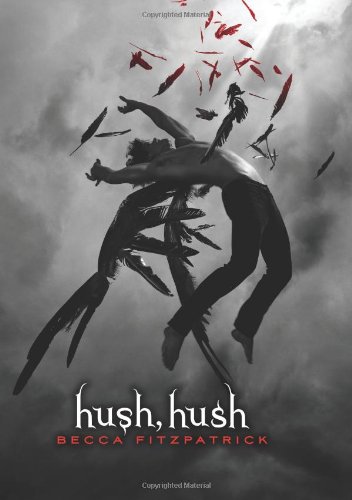
                • Cover of Hush, Hush
                  Hush, Hush

                  series · 5 books · 2009

                  similar byemotionalcontemporary

                  The Hush, Hush quartet is a series of four novels by Becca Fitzpatrick that follow teenager Nora Grey as she falls in love with the fallen angel Patch and discovers her own angelic heritage. The first book in the series, Hush, Hush, was released on October 13, 2009 through Simon & Schuster, with the final novel in the series, Finale, releasing on October 23, 2012. The series was initially promoted as a trilogy, with later announcements stating that the series would comprise four books.

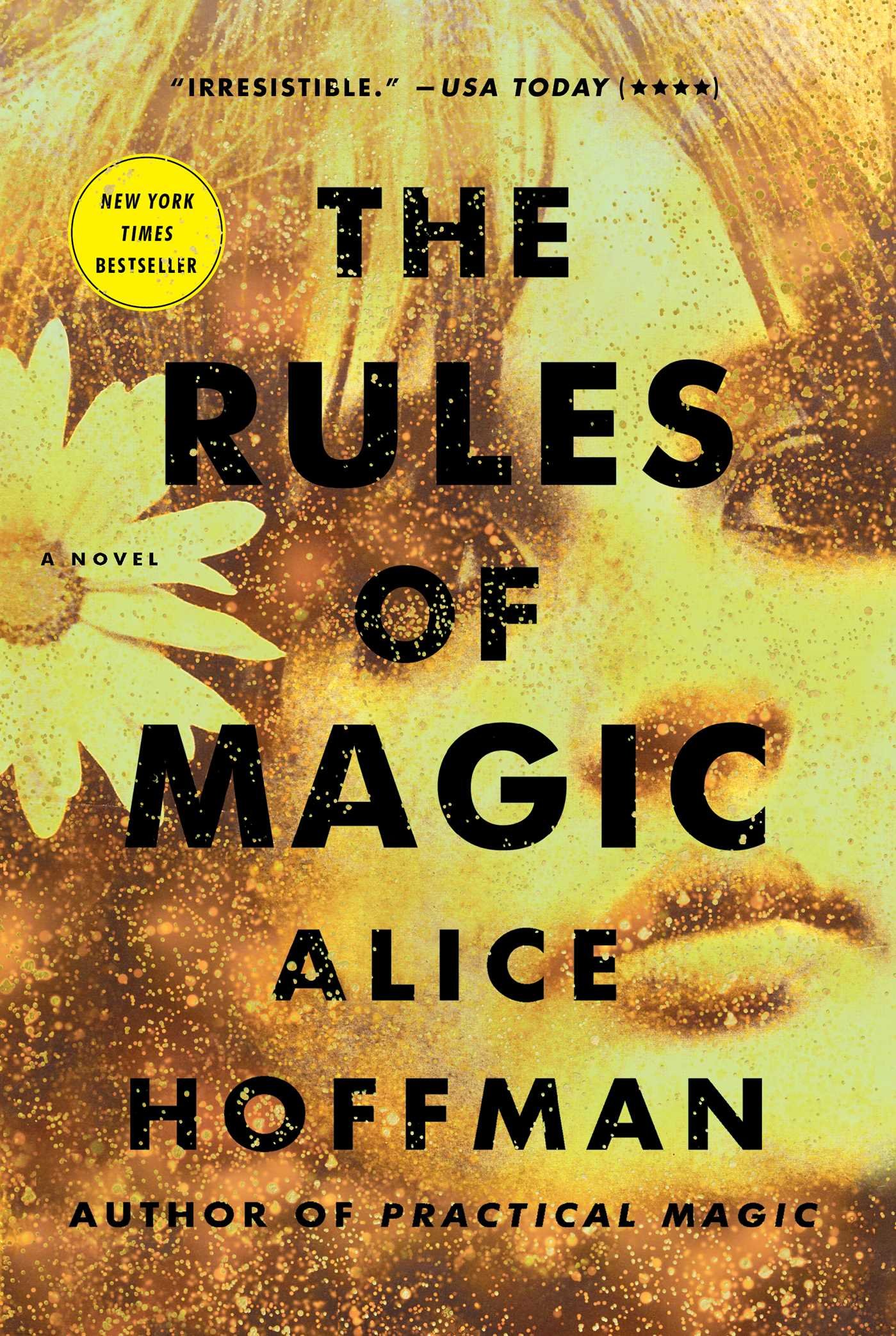
                • Cover of Practical Magic
                  Practical Magic

                  series · 4 books · 1995

                  similar by+2 more

                  Practical Magic follows sisters Sally and Gillian Owens, raised by witch aunts in Massachusetts after their parents' deaths, as they try — and fail — to outrun both magic and love, with Sally's daughter Kylie later inheriting the family's uncanny "Sight." Alice Hoffman returned to the 1995 original decades later, adding two prequels (The Rules of Magic, Magic Lessons) and a direct sequel (The Book of Magic) that follow the Owens family's inheritance back and forward across generations.