More like World Fall
anchored on:secondary worldepic fantasy
but
- Sparhawk
universe6 books1989
Start hereElenium · Start here
similar byadventurousepic fantasysecondary worldfantasy+2 more
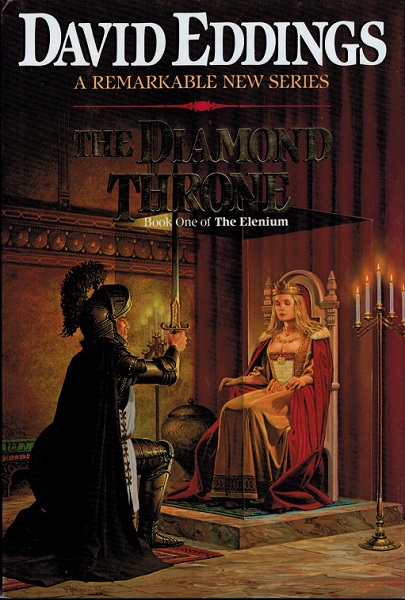
Sir Sparhawk is not a young man, and he has little patience for the pageantry his order pretends to. A Pandion Knight of the militant Elene Church, he rides home from a long exile to find his kingdom rotten with intrigue and his young queen, Ehlana, poisoned — kept alive only inside a shell of living crystal. To wake her he must find Bhelliom, a jewel with the power to remake the world or unmake it. So begins a long ride across the continent of Eosia. This is warm, character-first epic fantasy from David Eddings, told across two trilogies. The Elenium — The Diamond Throne, The Ruby Knight, The Sapphire Rose — pits Sparhawk against a corrupt church and a hungry elder god. The Tamuli — Domes of Fire, The Shining Ones, The Hidden City — carries him east into the vast Tamul Empire, where older enemies stir. Around him gathers a quarrelsome company: the Styric sorceress Sephrenia, the thief-boy Talen, the plain-spoken squire Kurik, and a small, imperious goddess who plays a set of pipes and always, somehow, gets her way. The pleasure here is the talk — grizzled knights trading dry insults between miracles and murders, a hero who solves as many problems with patience as with a sword. It never reaches for grimness or grand obscurity; it wants your good company for a long journey. Newcomers begin with The Diamond Throne and read the six in order: the Elenium stands whole on its own before the Tamuli widens the map.
- Elenium
series3 books1989
completed
part of Sparhawk
similar byadventurousepic fantasysecondary worldfantasy+1 more
The Elenium is a series of fantasy novels by American writer David Eddings. The series consists of three volumes: The Diamond Throne, The Ruby Knight, and The Sapphire Rose. The series is followed by The Tamuli. The Elenium is Eddings' third fantasy series.
- The Lord of the Rings
series13 books1954
part of Tolkien's legendarium
similar byepic fantasysecondary world+3 more
The Lord of the Rings is an epic high fantasy novel written by the English author and scholar J. R. R. Tolkien. Set in Middle-earth, the story began as a sequel to Tolkien's 1937 children's book The Hobbit but eventually developed into a much larger work. Written in stages between 1937 and 1949, The Lord of the Rings is one of the best-selling books ever written, with over 150 million copies sold.
- Corum
series6 books1971
part of Moorcock's Multiverse
similar byadventurousepic fantasysecondary worldfantasy+1 more
- The Stormlight Archive
series15 books2010
part of Cosmere
similar byadventurousepic fantasysecondary worldfantasywar+1 more
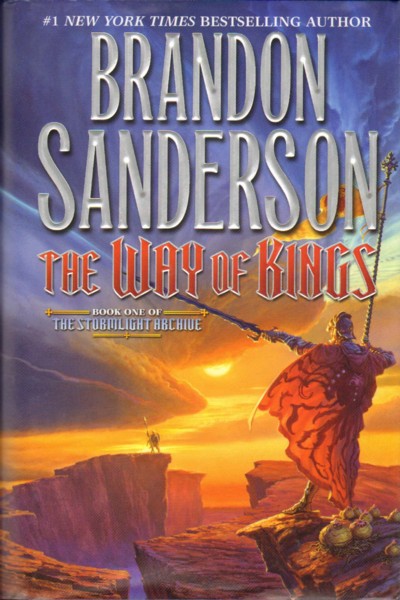
The Stormlight Archive is a high fantasy novel series written by American author Brandon Sanderson, planned to consist of ten novels. As of 2024, the series comprises five published novels and two novellas, set within Sanderson's broader Cosmere universe. The first novel, The Way of Kings, was published on August 31, 2010. The second novel, Words of Radiance, was published on March 4, 2014 and debuted at number one on The New York Times Best Seller List. This was repeated by Oathbringer and Rhythm of War. The fifth novel, Wind and Truth, was released December 6, 2024. Sanderson has indicated that he will start drafting the latter half of the series after he finishes writing the upcoming Era Three Mistborn trilogy and the two Elantris sequels. The series has been adapted as a VR Experience and a tabletop roleplaying game.
- Malazan
universe36 books1999
Start hereMalazan Book of the Fallen · Start here
similar byepic fantasysecondary worldwar+2 more
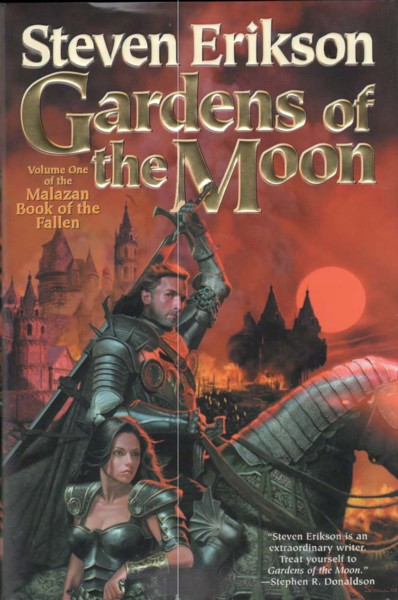
Pity the historian who tries to map this world; pity more the god who thinks he rules it. The Malazan Empire marches across continents on the boots of its common soldiers, and above them move Ascendants — mortals grown into something like gods, and gods worn thin as old coin. Magic is drawn from Warrens, roads of power threaded through reality; the dead keep their grudges; and every empire, however vast, is a wager against time. This is epic fantasy told from the mud, where a sapper cracking a joke weighs as much as an immortal settling a feud older than the human race. The world began as a tabletop campaign two friends built in the 1980s, and it still moves by two hands. Steven Erikson's ten-volume Malazan Book of the Fallen is the spine — Gardens of the Moon, Deadhouse Gates, Memories of Ice, on through The Crippled God — each book a near-standalone campaign that only later reveals how it locks together. Ian C. Esslemont walks the same years from a different vantage in his Novels of the Malazan Empire (Night of Knives, Return of the Crimson Guard onward). Around them stand the prequels: Erikson's Kharkanas Trilogy, archaic and elegiac, chronicling a doomed elder people, and Esslemont's brisker Path to Ascendancy, following two adventurers before they became legends. Erikson's Witness sequence carries the tale forward, and novellas of the genial necromancers Bauchelain and Korbal Broach supply the gallows comedy. Nothing is explained to you; comprehension is earned, and that is the pleasure. The themes run deep — compassion set against cruelty, the toll empires charge, civilizations that fall and are mourned. Begin where the saga does, with Erikson's Gardens of the Moon, and read the ten in publication order; the prequels are for the already-initiated. Trust that confusion is the price of entry.
- The Dreamers
series5 books2003
completed
similar byadventurousgodsepic fantasysecondary worldfantasywar
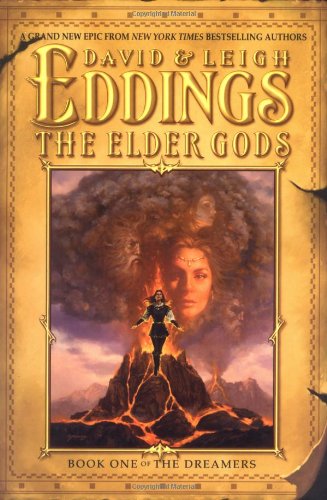
The Dreamers is the title of a fantasy book series by American writer David Eddings and his wife Leigh Eddings. The story revolves around four beings known as The Elder Gods residing in the land of Dhrall: Dahlaine of the North, Veltan of the South, Zelana of the West and Aracia of the East. They must recruit the help of outlanders to destroy the fiendish Vlagh and prevent its attempt at world conquest. The Elder Gods are not permitted to use their powers to kill, but the young Dreamers can use their dreams to predict and affect the future.
- The Deed of Paksenarrion
series4 books1988
part of Paksenarrion
similar byepic fantasysecondary worldfantasy+2 more
Elizabeth Moon's The Deed of Paksenarrion follows Paksenarrion Dorthansdotter, a sheepfarmer's daughter who leaves home to become a mercenary soldier and, over the course of three novels, a paladin. Grounded in the practical, unglamorous realities of military life before turning toward divine calling, the trilogy was originally published in 1988-89 and later collected as one omnibus. It's known for its grounded approach to fantasy soldiering, informed by Moon's own military background.
- Age of the Five
series3 books2005
similar bygodsepic fantasysecondary world+3 more
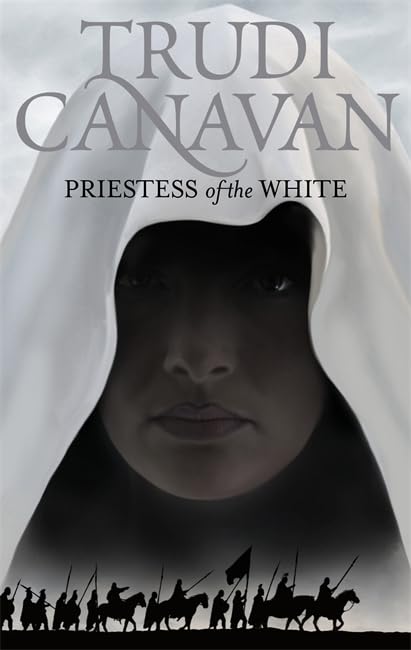
Age of the Five is a trilogy of fantasy novels by Australian author Trudi Canavan; it consists of the novels: Priestess of the White, Last of the Wilds and Voice of the Gods. The fictional series recounts the story of Auraya, a young priestess who, after rising to the highest rank in her world's religious hierarchy, subsequently discovers that the gods she worships are significantly different entities from those in whom she was originally taught to believe.
- Wars of Vis
series3 books1976
completed
similar bygodsepic fantasysecondary worldfantasy+2 more
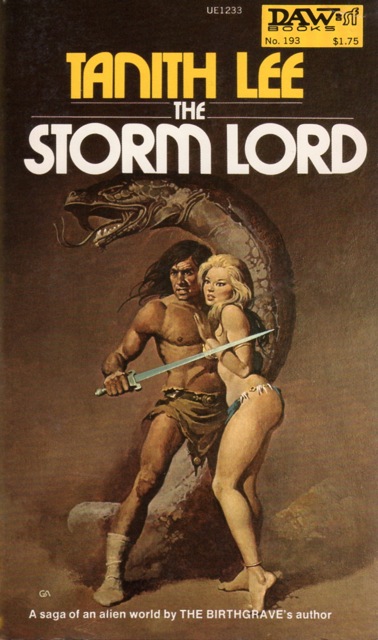
Tanith Lee's Wars of Vis trilogy is set on a world of feuding city-states, following the warlord Raldnor Am Anackire's rise as long-buried tensions between the pale-skinned Vis and darker-skinned Lowlanders erupt into open war and the revelation of hidden power. The Storm Lord opens the trilogy, continued by Anackire and The White Serpent.
- Zimiamvian Trilogy
series4 books1922
completed
similar byepic fantasysecondary worldfantasy+1 more
The Zimiamvian Trilogy is a series of fantasy novels by English author E. R. Eddison.Mistress of Mistresses (1935) A Fish Dinner in Memison (1941) The Mezentian Gate (1958)
- Fionavar Universe
series5 books1984
similar byepic fantasysecondary worldfantasy+2 more
Ysabel is a 2007 standalone contemporary fantasy novel by Guy Gavriel Kay, following teenager Ned Marriner as he stumbles into a centuries-old rivalry playing out around the cathedral of Aix-en-Provence. It marked Kay's turn toward urban fantasy and briefly brings back two adult characters from his earlier Fionavar Tapestry trilogy, though it is not itself part of that trilogy and can be read on its own.
- Lord of the Isles
series10 books1997
completed
similar byadventurousepic fantasysecondary world+2 more
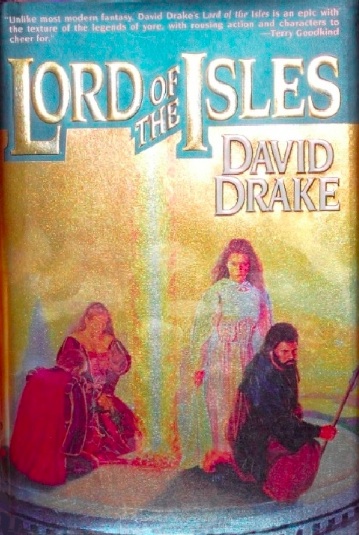
Lord of the Isles is a series of books by author David Drake. In 1997, Drake began his largest fantasy series, Lord of the Isles, using elements of Sumerian religion and medieval-era technology. The series consists of nine books broken into two distinct parts, the Lord of the Isles consisting of the first six books, and a final trilogy dubbed the Crown of the Isles.
- Between Earth and Sky
series3 books2020
similar bygodsepic fantasysecondary worldfantasy
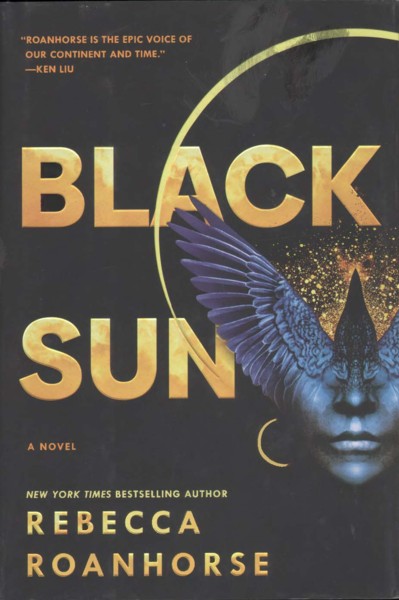
Between Earth and Sky is a fantasy novel series by American writer Rebecca Roanhorse. It currently comprises three novels: Black Sun (2020), Fevered Star (2022), and Mirrored Heavens (2024). It is an epic fantasy series inspired by various pre-Columbian American cultures. Black Sun won the 2021 Alex Award and the 2021 Ignyte Award for Best Adult Novel; it was additionally a finalist for the Locus Award for Best Fantasy Novel, Nebula Award for Best Novel, and Hugo Award for Best Novel. The whole series won the 2025 Hugo Award for Best Series.
- A Song of Ice and Fire
series14 books1996
part of World of Ice and Fire
similar byepic fantasysecondary worldfantasywar
A Song of Ice and Fire is a series of high fantasy novels by the American author George R. R. Martin. Martin began writing the first volume, A Game of Thrones, in 1991, and published it in 1996. Martin, who originally envisioned the series as a trilogy, has released five out of seven planned volumes. The most recent entry in the series, A Dance with Dragons, was published in 2011. Since then, Martin has been working on the sixth novel, titled The Winds of Winter. A seventh novel, A Dream of Spring, is planned to follow.
- Dragonlance: Legends Trilogy
series3 books1986
part of Dragonlance
similar byepic fantasysecondary worldfantasy+2 more
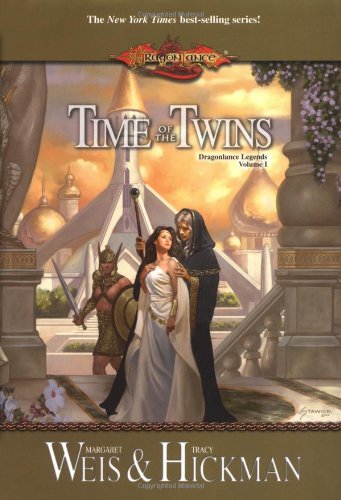
Dragonlance Legends is a trilogy of fantasy novels written by Margaret Weis and Tracy Hickman, which take place in the Dragonlance setting. This series is the sequel to the Dragonlance Chronicles, and focus on Raistlin and Caramon. The three books in the series are Time of the Twins, War of the Twins and Test of the Twins.
- The Hobbit
series2 books1937
completed
part of Tolkien's legendarium
similar byadventurousepic fantasysecondary worldfantasy
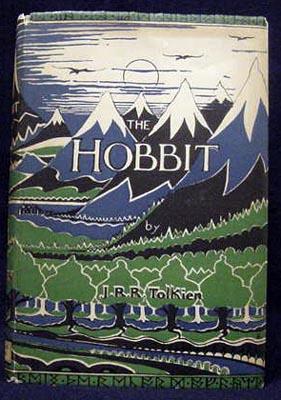
The Hobbit (1937) is J. R. R. Tolkien's children's fantasy novel following the reluctant burglar Bilbo Baggins, who joins a company of dwarves and the wizard Gandalf on a journey to reclaim treasure guarded by the dragon Smaug. It stands as a complete adventure on its own, but shares its setting with the rest of Tolkien's legendarium and leads into the events of The Lord of the Rings.
- Cosmere
universe54 books2005
Start hereThe Final Empire · Start here
similar byepic fantasysecondary worldfantasy+2 more
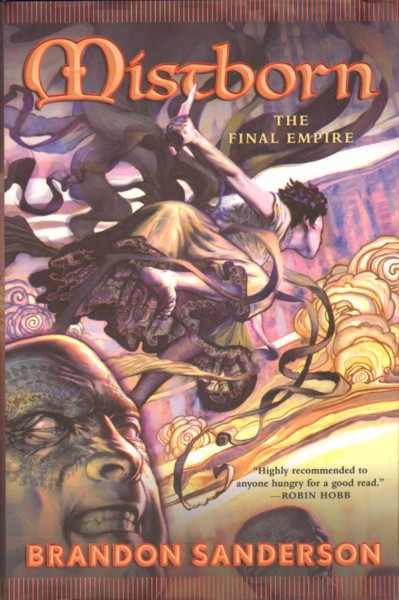
Before the worlds, there was Adonalsium, and then there was not. A god shattered into sixteen Shards of raw creative power, and those who seized them carried their fragments across the void to seed new planets, new peoples, new ways of working the impossible. The Cosmere is the one universe those Shards made: a scattering of worlds that seem, at first, to share nothing but a sky, until you notice the same law running quietly beneath each of them, and the same silent traveler passing through their margins. Every world keeps its own book and its own magic. On Scadrial, the Mistborn cycle burns metals into power: a self-contained trilogy of thieves and tyranny, followed by a second era that drags the same world into gunslinging early industry. On storm-battered Roshar, The Stormlight Archive raises its vast, ongoing epic around knights, spren, and oaths spoken aloud. Elsewhere stand the shorter keystones: Elantris, a city of fallen gods; Warbreaker, a tale of returned dead and living color; White Sand, told in graphic-novel form under the twin suns of Taldain. Threaded between them run the novellas, from Tress of the Emerald Sea and Yumi and the Nightmare Painter to The Sunlit Man and the pieces gathered in Arcanum Unbounded, where the hidden connections surface most plainly. All of it is the design of one hand, Brandon Sanderson, working a single pattern across two decades. What sets this universe apart is its faith in rules: magic here is a system, lawful and learnable, so discovery feels less like wonder handed down than like physics worked out. The cross-connections reward the patient reader, a symbol here, a name there, one immortal wanderer everywhere, but no book demands you have read another first. Newcomers do best entering through Mistborn: The Final Empire, the most self-contained doorway, or the standalone Elantris or Warbreaker; readers who prefer their epics vast can begin with The Way of Kings. The deeper links, and the novellas that expose them, wait for whenever you are ready to look.
- Shadowmarch
series5 books2001
similar byepic fantasysecondary world+3 more
Twins Barrick and Briony Eddon are next in line to rule Southmarch when their father the king is taken captive in war, leaving them to hold a fracturing kingdom together against scheming nobles and a slowly advancing invasion by the Qar, an ancient and inhuman people from beyond the mysterious Shadowline. Tad Williams's Shadowmarch series follows the twins as they're pulled toward secrets buried beneath their own castle, including gods older than the kingdom itself. The story runs across Shadowmarch, Shadowplay, Shadowrise, and Shadowheart.
- Dragonships of Vindras
series4 books2009
similar byadventurousepic fantasysecondary worldfantasy+1 more
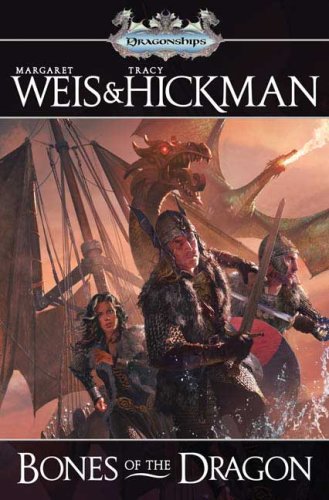
Dragonships of Vindras is a fantasy-adventure novel series by American writers Margaret Weis and Tracy Hickman.
- The Legends of the First Empire
series8 books2016
similar byepic fantasysecondary world+2 more
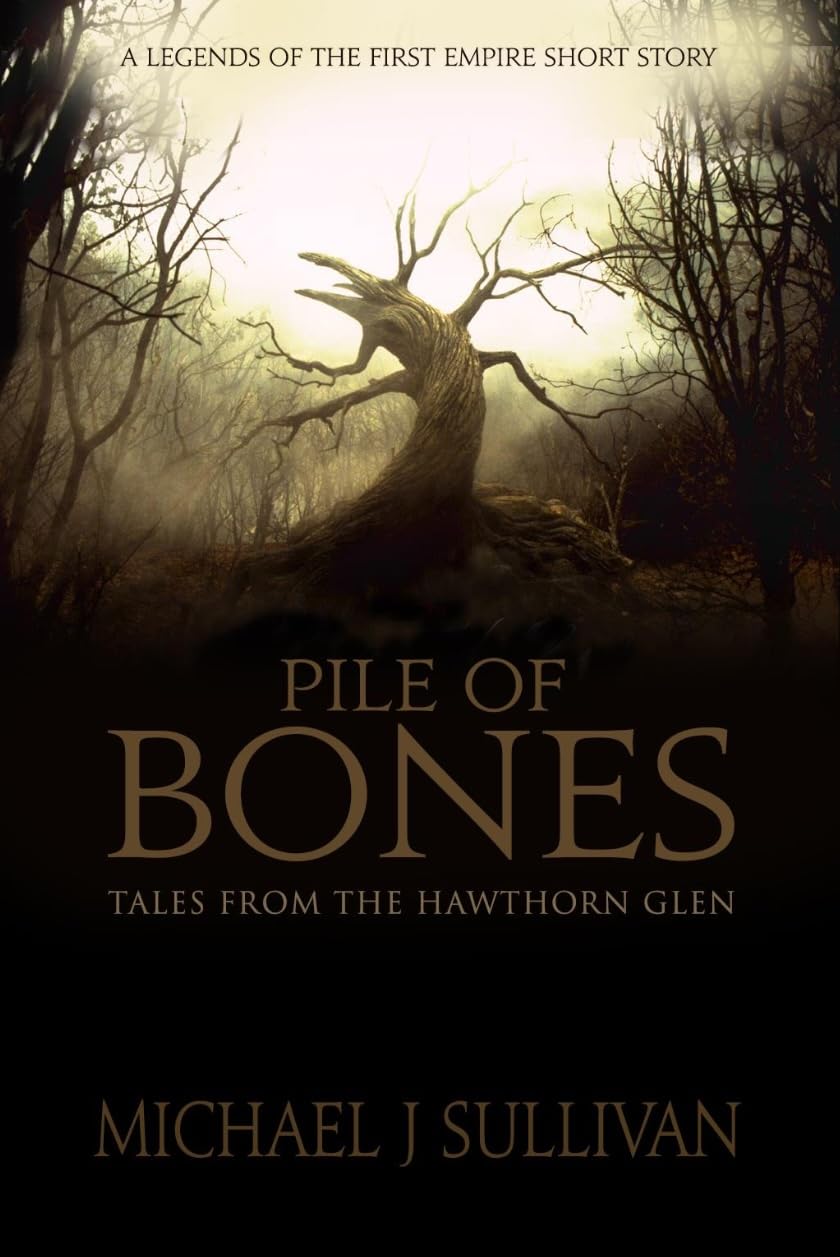
Age of Myth opens Michael J. Sullivan's Legends of the First Empire, set thousands of years before his Riyria novels, as a nascent human civilization is drawn into war with the immortal, magically superior Fhrey after a chance killing shatters an uneasy peace. The series follows humans learning to fight back against overwhelming odds while myths that will shape Sullivan's later Riyria world begin to take root. It runs across six novels plus a companion volume.
- A Heroine of the World
Tanith Leestandalone novel1989
similar bygodsepic fantasysecondary worldfantasywar+1 more
The fortune teller had spoken the words, shown her the cards that predicted she would become the focal point of great events. But now, a captive of those who had invaded her land, Ara could only wait, hoping to discover the true path of her destiny. But in a world ruled by the war, what chance did Ara have to attain her heart's desire? Carried far from her home, alone among strangers, only the will of the goddess, the Lady Vulmardra, could protect and guide her. Yet the path the Lady had set her upon would lead Ara to the very heart of conflict. And though she might gain great wealth or lose it, become both pawn and player in the power games of princes and warlords, there was only one for whom she would risk everything, a soldier who some named traitor and others liberator, the man for whom she would strive to become a heroine. (adapted from the back cover of the first edition)