Loreful
HomeDiscover
Search series, authors…⌘K
Loreful

Reading orders for SF/F series and shared universes — with your place kept in every one.

Explore

UniversesSeriesWorksAuthorsAtlas

Help

FAQAboutSite map

Account & legal

Sign inCreate accountPrivacyTerms

Data

Built on ISFDB, Wikipedia, Wikidata and Open Library. Curated reading orders carry their reasoning on the page; the rest follow publication order. Data sources & licenses

© Loreful · data: ISFDB · CC BY

More like Dragon's Flame

anchored on:science fiction

but

Mood

The mood the book leaves you in.

  • The reading experience is propelled by journeys, exploration, and physical risk; excitement and forward momentum dominate over dread or introspection.
  • Joy and loss are deliberately mixed; the resolution grants characters something real while taking something else away, leaving warmth and sorrow together.
  • The book demands work from the reader — dense prose, difficult structure, unfamiliar ideas, or morally uncomfortable material — as part of its intended effect.
  • Grim events, cruelty, or despair dominate the atmosphere, and the book does not soften them with comfort or comic relief.
  • The atmosphere is quietly unsettling — wrongness, unease, and the uncanny pervade the book without necessarily escalating into overt horror.
  • The book is built to move the reader; character feeling is foregrounded and major scenes aim at a strong emotional response.
  • Humor is a primary aim and the prose plays for laughs — comic situations, wit, or dialogue produce sustained comedy, not occasional levity.
  • The book insists that things can improve; effort and decency are shown to matter, and the arc bends toward better outcomes even through hardship.
  • The book teaches as it goes — real facts, history, science, or craft are conveyed in enough depth that learning is part of the reading experience.
  • The book is designed to uplift and motivate, presenting perseverance or achievement in a way that invites the reader to aspire or act.
  • The overall register is cheerful and easygoing; stakes are kept gentle and the book avoids dwelling on pain or dread.
  • Withheld information drives the experience; the book sustains enigmas and secrets the reader wants resolved, whatever its genre.
  • The book is contemplative and inward-looking, giving more weight to thought, memory, and meaning than to external events.
  • The book works as comfort reading — low tension, a soothing pace, and an atmosphere the reader can unwind in.
  • Grief, loss, or melancholy set the dominant register, and the book lets sorrow stand rather than resolving it into comfort.
  • Sustained suspense is the point; the book keeps the reader braced for what happens next through danger, pressure, or impending revelation.
  • Playful invention and charm define the register — fanciful conceits, light absurdity, and a narration that delights in its own oddity.

About

What the story runs on.

  • Stories in which extraterrestrial beings are central — as characters, cultures, or the object of the plot.
  • Stories about venturing into space to explore — survey missions, astronauts, and the frontier of the unknown beyond Earth.
  • Stories structured as a quest — a journey undertaken to find, deliver, or destroy something of great import.
  • Stories in which staying alive against nature, catastrophe, or scarcity is the central problem.
  • Stories of lovers kept apart by law, family, faith, or station, where the obstacle to love is the plot.
  • Stories in which a friendship — its making, testing, or loss — is the emotional center.
  • Stories of growing up — a young protagonist crossing from childhood into adult knowledge and responsibility.
  • Stories about who a character truly is — self-discovery, doubled lives, and the search for a self.
  • Stories driven by maneuvering for power — factions, conspiracies, and statecraft conducted in shadow.
  • Stories about rising against rulers — uprisings, resistance movements, and revolutions and their aftermaths.
  • Stories in which war itself is the subject — combat, occupation, and what warfare does to soldiers and civilians.
  • Stories organized around investigating a killing — the case, the clues, and the pursuit of the killer, in any genre's clothing.

Shelf

Where it sits in the library.

    • Fiction built on magic or other supernatural elements that have no scientific explanation.
    • Secondary-world fantasy at large scale, where the fate of nations or the world turns on the protagonists' struggle.
    • Fantasy set in a recognizably modern city or contemporary world where the supernatural intrudes on everyday life.
    • Fantasy that blends in horror's atmosphere and imagery, keeping a fantastical frame around grim or frightening material.
    • Action-driven fantasy following warriors or rogues with personal stakes against sorcerous threats, rather than world-spanning conflicts.
    • Fantasy set in a real historical period or a close analogue of one, with magic woven into the era.
    • Fantasy in which protagonists cross from the ordinary world into another world through a portal or similar passage.
    • Fiction that retells or reworks a traditional fairy tale in a new form or setting.
    • Fantasy drawing directly on myths, legends, and folklore, retelling them or building on their figures and logic.
    • Fantasy of ghosts, vampires, shapeshifters, psychics, and similar phenomena, usually set in an otherwise ordinary world.
    • Fiction mixing science-fictional trappings with overtly magical or impossible elements in one setting.
    • Low-stakes fantasy emphasizing comfort, community, and everyday pleasures over conflict and peril.
    • Speculative fiction of pervasive moral ambiguity, violence, and cynicism that rejects heroic conventions — fantasy and SF alike.
      • Fiction that extrapolates from science and technology — future societies, space travel, or speculative inventions — within at least nominally natural laws.
      • Science fiction of interstellar scope — starships, galactic polities, and adventure across star systems.
      • Science fiction committed to scientific rigor, where technical plausibility constrains the story.
      • Science fiction centered on armed forces and warfare, told largely from a military point of view.
      • Science fiction of networked, corporate-dominated near futures, pairing high technology with social decay.
      • Science fiction styled on nineteenth-century steam-powered technology, often in a Victorian or pseudo-Victorian setting.
      • Fiction depicting an oppressive or catastrophic society, presented as a warning.
      • Fiction set after civilization's collapse, following survivors in the ruins of the old world.
      • Fiction in which characters move between past and future, and the mechanics or consequences of that travel drive the plot.
      • Fiction exploring a world where a historical event went differently and history diverged from ours.
      • Science fiction about humanity's first encounter and communication with an alien intelligence.
      • Science fiction in which extraterrestrial forces attack or occupy Earth and humanity resists.
      • Fiction whose primary aim is to frighten or unsettle the reader through dread, menace, or the monstrous.
      • Horror of vast, indifferent, incomprehensible entities before which humanity is insignificant, in the Lovecraft tradition.
      • Horror of decaying houses, buried family secrets, and oppressive atmosphere in the Gothic literary tradition.
      • Horror centered on hauntings and the returning dead.
      • Horror located in the mind — paranoia, obsession, and unreliable perception rather than external monsters.
      • Horror built around the reanimated dead and survival amid their outbreaks.
      • Horror defined by explicit, transgressive gore that refuses to cut away from violence.
      • Speculative fiction of the strange and uncanny that resists both natural explanation and standard genre categories.
      • Fiction organized around solving a crime or puzzle, typically following an investigator toward the identification of a culprit.
      • A puzzle-first mystery that lays out clues so the culprit's identity can be deduced before the reveal.
      • Crime fiction of moral ambiguity, fatalism, and hard-edged style, set among the corrupt and the doomed.
      • A mystery following the realistic routines of police work — forensics, interviews, and case-building.
      • A gentle mystery with an amateur sleuth, a small community, and violence kept off the page.
      • A mystery set in a past era, where the investigation works within that period's methods and society.
      • Fast-paced fiction driven by imminent danger, pursuit, or high-stakes conspiracy, built to sustain tension.
      • A thriller of espionage — agents, tradecraft, and intelligence services in conflict.
      • A thriller centered on lawyers and the courtroom, where litigation carries the suspense.
      • A thriller driven by detailed contemporary or near-future technology, often military or scientific.
      • A thriller whose tension comes from mental states and manipulation between characters rather than external action.
      • Fiction whose central plot is a romantic relationship and its development toward an emotionally satisfying resolution.
      • Romance in which one or both partners are supernatural beings, blending fantasy elements into the love story.
      • A fantasy-romance hybrid in which the romantic arc and the fantasy plot carry equal weight.
      • Romance set in a past era, with courtship shaped by the period's society and manners.
      • Romance set in the present day, without supernatural or historical elements.
      • Fiction set in a real past period, where the historical setting materially shapes characters and events.
        • General and literary fiction emphasizing prose style, character interiority, or formal ambition over genre plot conventions.
        • Fiction in a realistic world where magical events occur and are treated as ordinary, in the tradition of Latin American literature.
        • Fiction that ridicules people, institutions, or society in order to criticize them.
        • Fiction of dreamlike, irrational imagery and logic that breaks from realistic representation.
        • Fiction that plays with narrative convention through metafiction, fragmentation, and self-reference.
        • Fiction propelled by journeys, exploration, and physical peril, where action and survival carry the plot.
        • Adventure fiction of ships and seafaring — naval engagements, voyages, and life at sea.
        • Fiction of the American frontier West — gunmen, ranchers, and lawmen, typically in the late nineteenth century.
        • Fiction centered on soldiers, campaigns, and the experience of warfare, historical or imagined.
          • Fiction written primarily to amuse, using comedic situations, wit, or parody as its organizing principle.
            • Multi-generational fiction following a family or dynasty across decades, with inheritance and kinship as the through-line.
              • Fiction whose world runs on explicit game mechanics — levels, stats, and skills that characters can see and exploit.
                • Fiction about costumed or superpowered heroes and their conflicts with comparable villains.

                Practical

                How long a commitment, whether it stands alone, and whether it has finished.

                Tap a chip to ask for it · tap again to rule it out · once more to clear. Numbers show what would be left.

                • Cover of Barsoom
                  Barsoom

                  series · 53 books · 1917

                  similar byscience fictionmarsadventurous+2 more

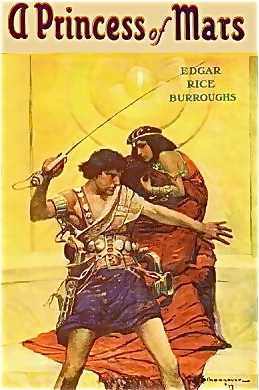
                  Barsoom is a fictional representation of the planet Mars created by American pulp fiction author Edgar Rice Burroughs. The first Barsoom tale was serialized as Under the Moons of Mars in pulp magazine The All-Story from February to July 1912 and published compiled as a novel as A Princess of Mars in 1917. It features John Carter, a late-19th-century American Confederate veteran who is mysteriously transported from Earth to the dying world of Mars where he meets and romances the beautiful Martian princess Dejah Thoris. Ten sequels followed over the next three decades, further extending his vision of Barsoom and adding other characters.

                • Cover of Double Star
                  Double Star

                  Robert A. Heinlein · standalone novel · 1956

                  similar byscience fictionmarsfar futureadventurous+1 more

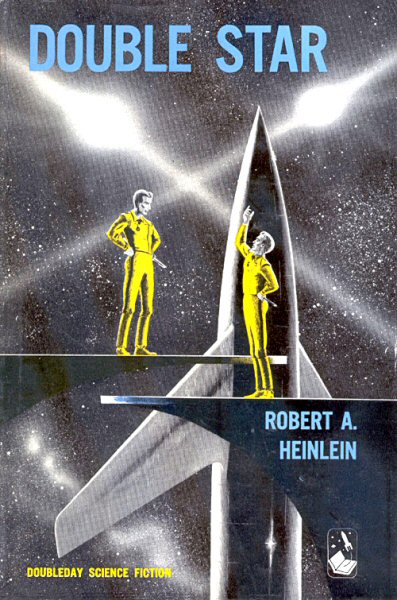
                  Lorenzo Smythe, the excellent yet unemployed actor, meets Dak Broadbent in a bar. Broadbent hires Lorenzo for an unspecified role, and hustles him onto a rocket ship. Broadbent turns out to be an assistant to the famous interplanetary politician and leader of the Expansionist party: John J. Bonforte. Bonforte, however, has been kidnapped by the political opposition on Mars, and due to Lorenzo's physical similarity to Bonforte, his staff wants Lorenzo to impersonate the politician for an important Martian ceremony.

                • Cover of Red Planet
                  Red Planet

                  Robert A. Heinlein · standalone novel · 1949

                  similar byscience fictionaliensmarsfar futureadventurous

                  A boy colonist on Mars takes his bouncing ball Martian pet with him to boarding school, but the new Headmaster is a controlling tyrant. Things get worse when he discovers a plot that will jeopardize all of the colonists.

                • Cover of The Martian Chronicles
                  The Martian Chronicles

                  series · 30 books · 1946

                  completed

                  similar byscience fictionmars+2 more

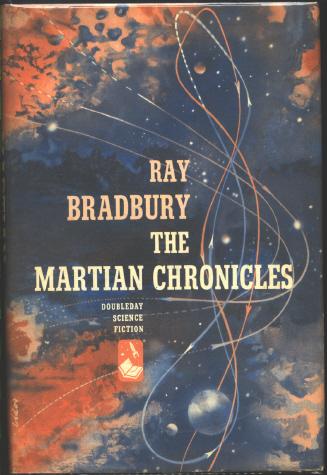
                  The Martian Chronicles (1950) is Ray Bradbury's fix-up novel, a chain of linked short stories following waves of settlers leaving a troubled Earth to colonize Mars and encountering its native Martians, before Earth itself is ultimately consumed by nuclear war.

                • Cover of Commonwealth Saga
                  Commonwealth Saga

                  series · 2 books · 2004

                  part of Commonwealth Universe

                  similar byscience fictionaliensfar future+1 more

                  The Commonwealth Saga is a series of science fiction novels by British science fiction writer Peter F. Hamilton. This saga consists of the novels Pandora's Star (2004) and Judas Unchained (2005). Hamilton has also written several books set in the same literary universe. Misspent Youth (2002) takes place 340 years before the events of Pandora's Star. The Void Trilogy, consisting of The Dreaming Void (2008), The Temporal Void (2009), and The Evolutionary Void (2010), takes place 1,200 years after the events of Judas Unchained; several of the main characters from Judas Unchained and Pandora's Star also appear in the Void trilogy.

                • Cover of Cosmic Trilogy (C. S. Lewis)
                  Cosmic Trilogy (C. S. Lewis)

                  series · 4 books · 1938

                  completed

                  similar byscience fictionaliens+1 more

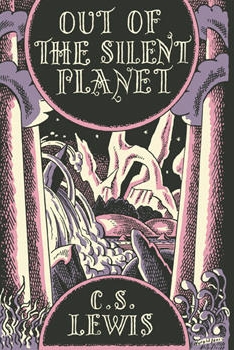
                  The Space Trilogy is a series of science fiction novels by British writer C. S. Lewis. The trilogy consists of Out of the Silent Planet (1938), Perelandra (1943), and That Hideous Strength (1945). A philologist named Elwin Ransom is the protagonist of the first two novels and an important character in the third.

                • Cover of Clane
                  Clane

                  series · 7 books · 1946

                  completed

                  similar byscience fictionfar future+1 more

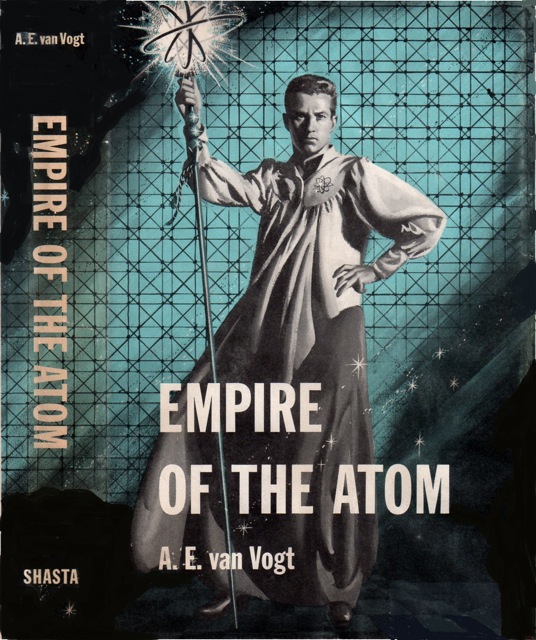
                  A. E. van Vogt's Clane duology reimagines the political intrigue behind ancient Rome (the same history that inspired Robert Graves's I, Claudius) roughly ten thousand years in the future, following the disfigured but brilliant Clane Linn as he navigates a dynasty ruled in the name of living 'Atom Gods.' Empire of the Atom, a fix-up of five 1946-47 Astounding novelettes, follows Clane's rise from despised outcast to power broker; The Wizard of Linn completes the story as he confronts a mysterious alien threat.

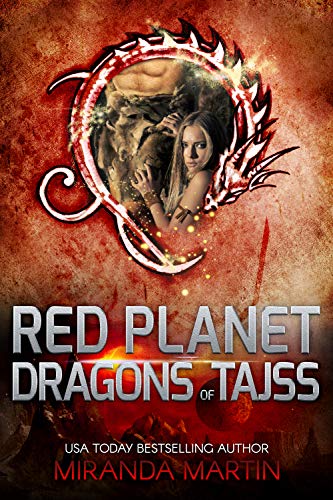
                • Cover of Red Planet Dragons of Tajss
                  Red Planet Dragons of Tajss

                  series · 21 books · 2016

                  similar by+5 more

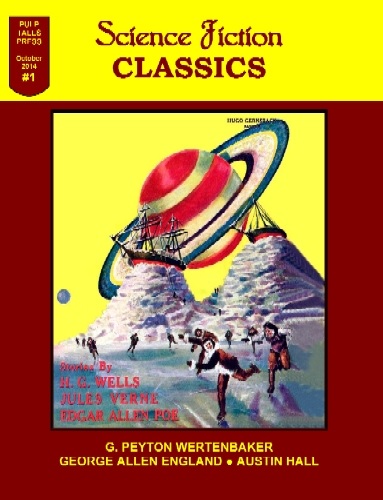
                • Cover of Science Fiction Classics (as first issued by Pulp Tales Press)
                  Science Fiction Classics (as first issued by Pulp Tales Press)

                  series · 28 books · 1912

                  completed

                  similar byscience fiction+2 more

                • Cover of Cluster
                  Cluster

                  series · 9 books · 1977

                  similar byfar futurescience fiction+2 more

                  Cluster is a series of science fiction novels by Piers Anthony. Anthony originally conceived of and wrote the series as a trilogy but later added two additional volumes. Although the central problem of each novel is unique, the books feature shared themes of cooperation, tolerance, open-mindedness, introspection, self-knowledge, and understanding. There is also a generous amount of alien sex/mating.

                • Cover of Heorot
                  Heorot

                  series · 4 books · 1987

                  similar byscience fictionfar future+2 more

                  Larry Niven, Jerry Pournelle and Steven Barnes's The Legacy of Heorot strands human colonists on an idyllic-seeming alien world where they discover apex predators -- grendels -- hidden beneath the surface, forcing them to fight for survival. Beowulf's Children continues the colony a generation later as the children born on the planet clash with their parents over how to live alongside the grendels, and a fourth book, Starborn and Godsons, returns to the settlement decades further on. It's hard-SF creature-horror crossed with generational colony drama.

                • Cover of H. G. Wells' War of the Worlds
                  H. G. Wells' War of the Worlds

                  universe · 65 books · 1898

                  Start hereThe War of the Worlds · Start here

                  similar byscience fiction+1 more

                  No one would have believed, in the closing years of the nineteenth century, that human affairs were being watched keenly and closely from the timeless worlds of space. And then the cylinders fell. H. G. Wells' War of the Worlds opens in the quiet of the Surrey commons, where a falling star proves to be the first Martian craft — and from the pit rise the towering tripods, the Heat-Ray, the choking Black Smoke and the creeping red weed, wielded by minds that regard mankind much as we regard the creatures we boil for supper. This is invasion rendered as natural disaster: cold, methodical, and vast beyond argument. Wells' 1898 novel is the seed; everything else grows from that Martian soil. The catalogue gathers direct sequels and continuations alongside a wide field of other hands. In War of the Worlds: Global Dispatches the invasion is retold across the whole planet through the eyes of Twain, Verne, Tolstoy, Lowell and Kipling; in the Manly Wade and Wade Wellman crossover, Sherlock Holmes, Watson and Professor Challenger take the field against the machines; and Scott Washburn's Great Martian War stretches the fighting into a decades-long alternate history of steam, artillery and grinding attrition. It is a loose shared world — no single decreed sequence, many voices answering one calamity. What sets this world apart is its refusal of heroics: the invaders fall not to generals but to the smallest things of Earth, humbling and indifferent. Begin, always, with Wells' original novel — it is short, and it is the ground every later book stands upon. From there follow your appetite: Global Dispatches for the panorama, the Holmes campaign for adventure, Washburn for the long war.

                • Cover of Starship Troopers
                  Starship Troopers

                  Robert A. Heinlein · standalone novel · 1959

                  similar byscience fictionaliensfar futureadventurous

                  Starship Troopers is a military science fiction novel by American writer Robert A. Heinlein. Written in a few weeks in reaction to the US suspending nuclear tests, the story was first published as a two-part serial in The Magazine of Fantasy & Science Fiction as Starship Soldier, and published as a book by G. P. Putnam's Sons on November 5, 1959.

                • Cover of Lucky Starr
                  Lucky Starr

                  series · 8 books · 1952

                  completed

                  similar byscience fictionfar futureadventurous

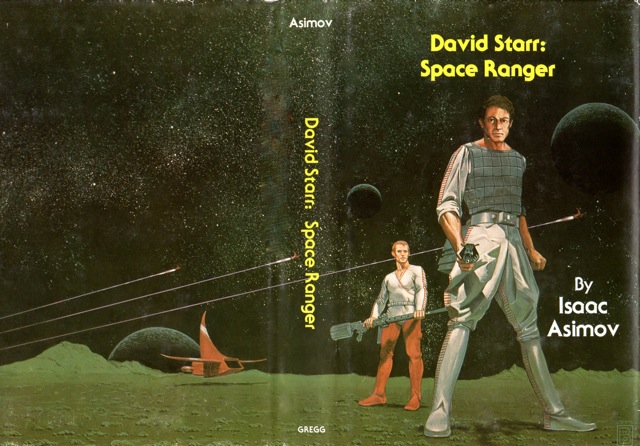
                  The Lucky Starr books, published under the pseudonym Paul French, are Isaac Asimov's juvenile science-fiction series following David "Lucky" Starr, an agent of an interplanetary Council of Science, as he and his sidekick Bigman Jones investigate crimes and conspiracies across the solar system — starting with a poisoned-food-shipment plot from Mars in the debut, David Starr: Space Ranger. Conceived partly as a science-fictional take on the Lone Ranger, the six-book series lets Asimov work real planetary science into old-fashioned adventure plots.

                • Cover of The Sirens of Titan
                  The Sirens of Titan

                  Kurt Vonnegut & Jr. · standalone novel · 1959

                  similar byscience fictionaliensmarsfar future

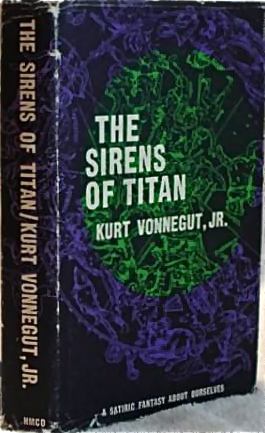
                  The Sirens of Titan is a comic science fiction novel by Kurt Vonnegut Jr., first published in 1959. His second novel, it involves issues of free will, omniscience, and the overall purpose of human history, with much of the story revolving around a Martian invasion of Earth.

                • Cover of Poseidon's Children
                  Poseidon's Children

                  series · 3 books · 2012

                  similar byscience fictionfar future+2 more

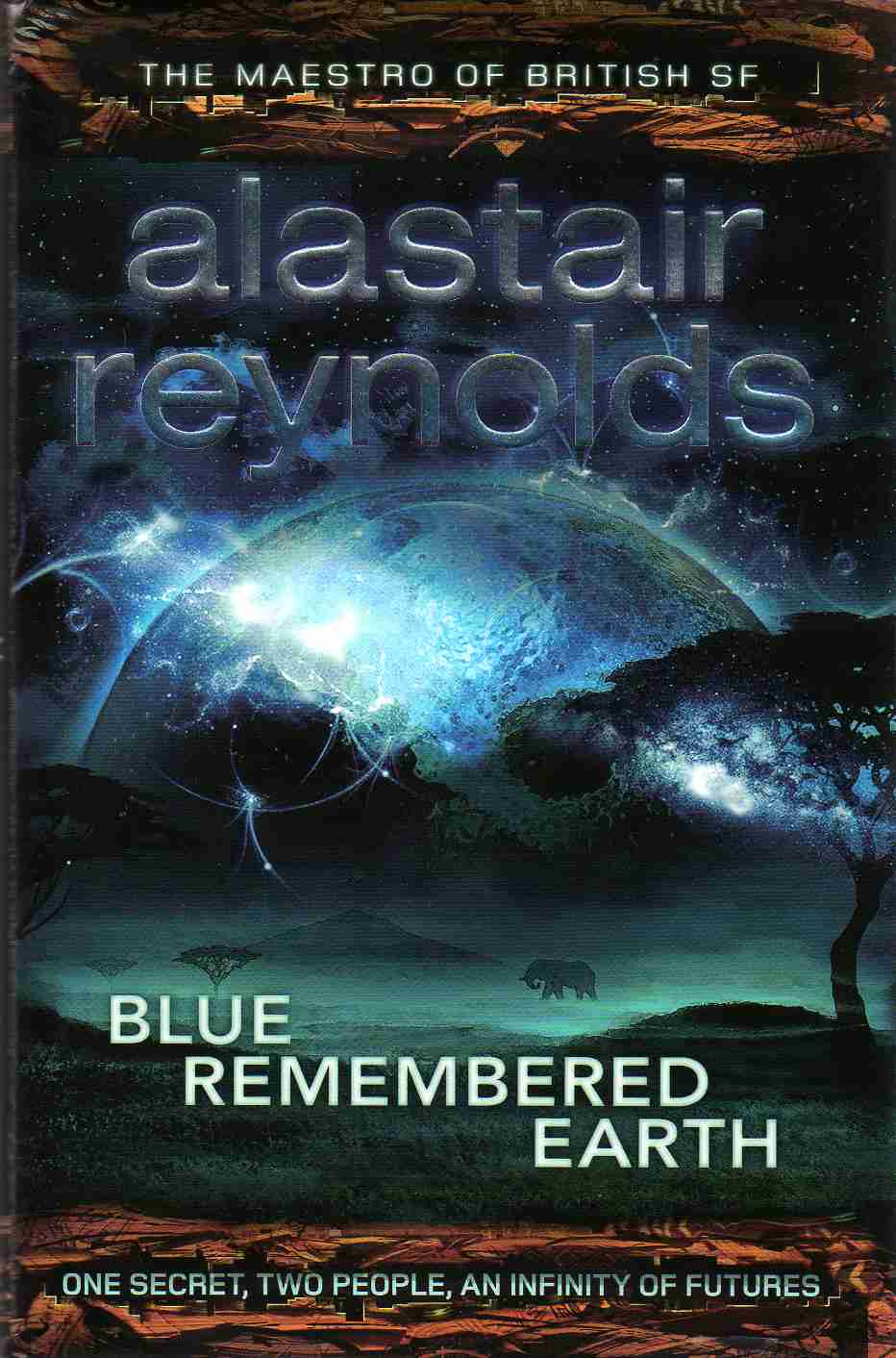
                  Alastair Reynolds' Poseidon's Children trilogy follows humanity — and its transhuman descendants — expanding into the galaxy over the course of centuries, beginning with Blue Remembered Earth (2012) and continuing through On the Steel Breeze and the concluding Poseidon's Wake (2015).

                • Cover of Ringworld
                  Ringworld

                  series · 5 books · 1970

                  part of Known Space

                  similar byscience fictionaliensfar futureadventurous

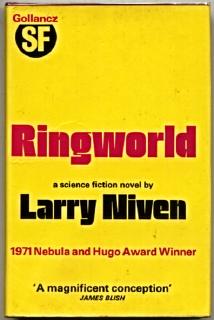
                  The Ringworld series is a series of science fiction novels written by American author Larry Niven. It is part of his Known Space series of stories. Its backdrop is the Ringworld, a giant artifact 3 million times the surface area of Earth circling a star. The series is composed of four standalone science fiction novels, the original award-winning book and its three sequels:1970: Ringworld 1979: The Ringworld Engineers 1996: The Ringworld Throne 2004: Ringworld's Children

                • Cover of Ian Cormac
                  Ian Cormac

                  series · 6 books · 2001

                  part of Polity

                  similar byscience fictionfar future+2 more

                  Neal Asher's Ian Cormac novels (Gridlinked, The Line of Polity, Brass Man, Polity Agent, Line War, plus the earlier-set prequel Shadow of the Scorpion) follow Ian Cormac, an agent of Earth Central Security in Asher's Polity universe. Gridlinked opens with Cormac investigating a destroyed matter-transmitter on a remote colony while wrestling with the personality erosion caused by long-term neural linkage to the Polity's AI network; the following novels escalate into interstellar conflict with the alien Prador. Together they form the core action sequence of Asher's wider Polity series.

                • Cover of Pit Dragon
                  Pit Dragon

                  series · 5 books · 1980

                  completed

                  similar byscience fictiondragonsfar futureadventurous

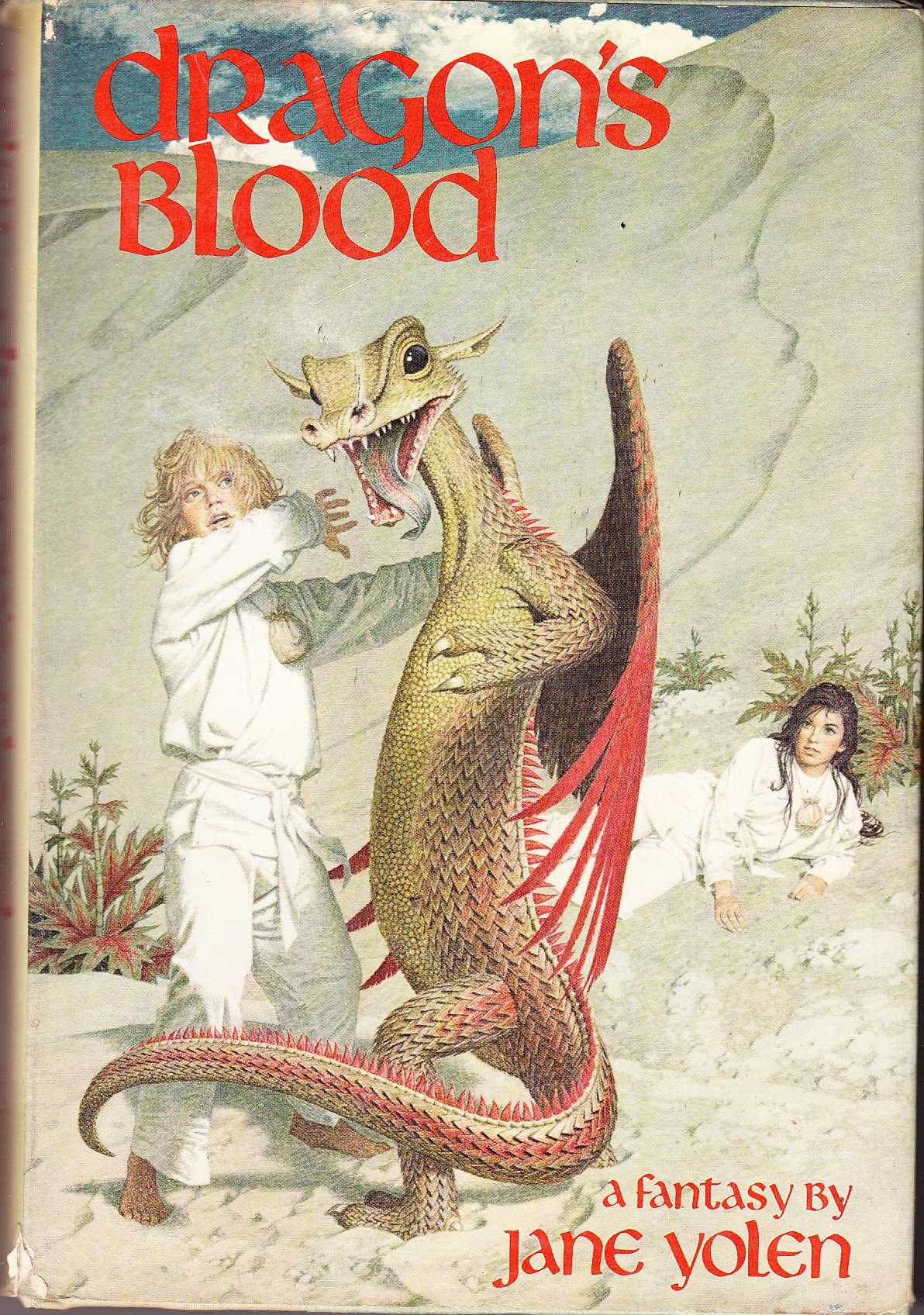
                  Jane Yolen's Pit Dragon Chronicles follows Jakkin, born into indentured servitude in the dragon barns of Master Sarkkhan on the planet Austar IV, who steals a hatchling in hopes of raising and fighting it to win his freedom in the dragon pits. Dragon's Blood traces that bond between boy and dragon from theft to the pits; the sequels, Heart's Blood and A Sending of Dragons, follow Jakkin further as the stakes around the dragons and his own status widen. It's science-fantasy that treats its dragons as bred, owned animals rather than magical companions.

                • Cover of Thunder and Lightning
                  Thunder and Lightning

                  series · 4 books · 2003

                  completed

                  similar byscience fictionadventurous+2 more

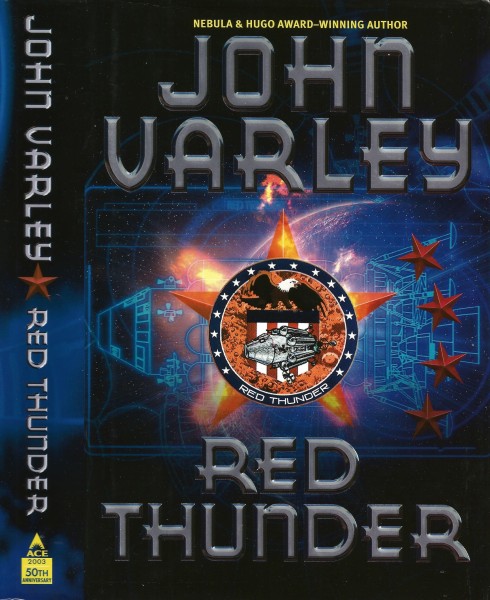
                  John Varley's Thunder and Lightning books follow the Broussard family across two generations as a backyard fusion-power breakthrough turns an eccentric Florida inventor's homemade spacecraft into the opening move of an independent human expansion to Mars and beyond. Red Thunder and Red Lightning follow the first generation's improvised trip to Mars; Rolling Thunder and Dark Lightning pick up decades later with their descendants.

                • Cover of Lunar Chronicles
                  Lunar Chronicles

                  series · 15 books · 2011

                  similar byscience fictionfar futureadventurous+1 more

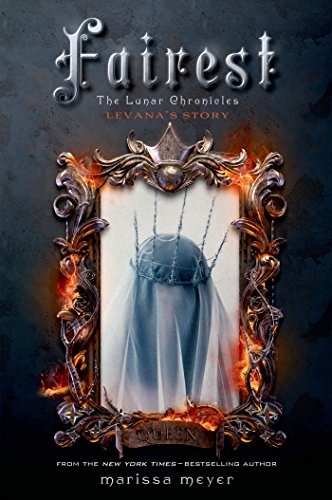
                  The Lunar Chronicles is a series of four young adult science fiction novels, a novella, and a short story collection written by American author Marissa Meyer and published by Feiwel & Friends. Each book entails a science fictional twist on a classic fairy tale, including "Cinderella", "Little Red Riding Hood", "Rapunzel", and "Snow White". Set in a futuristic world inhabited by various species and creatures, tensions are rising between Earth and its former colony Luna, while both attempt to manage an ongoing pandemic.

                • Cover of Star Svensdotter
                  Star Svensdotter

                  series · 3 books · 1991

                  similar byscience fictionadventurous+2 more

                • Cover of The Science Fiction Hall of Fame
                  The Science Fiction Hall of Fame

                  series · 11 books · 1895

                  similar byscience fiction+2 more

                • Cover of Ender Wiggin
                  Ender Wiggin

                  series · 14 books · 1977

                  part of Ender's Game Universe

                  similar byscience fictionaliensfar future+1 more

                  Orson Scott Card's Ender's Game (1985, expanded from his 1977 novella) follows child prodigy Andrew "Ender" Wiggin as he is recruited into a military training program built to prepare Earth's defenses for an anticipated third war against an insectoid alien species known as the Formics. The saga continues years later through Speaker for the Dead and Xenocide, following an older Ender as he confronts the moral weight of his role in that earlier conflict, and concludes the core arc in Children of the Mind, with Ender in Exile filling in the years between the first two books. Set within the wider Ender's Game universe, the series shifts from military coming-of-age story to slower, more philosophical science fiction as it progresses.