More like Drakeforth
anchored on:secondary world
but
- Discworld
universe84 books1983
Start hereGuards! Guards! · Start here
similar byfunnyfantasysecondary world
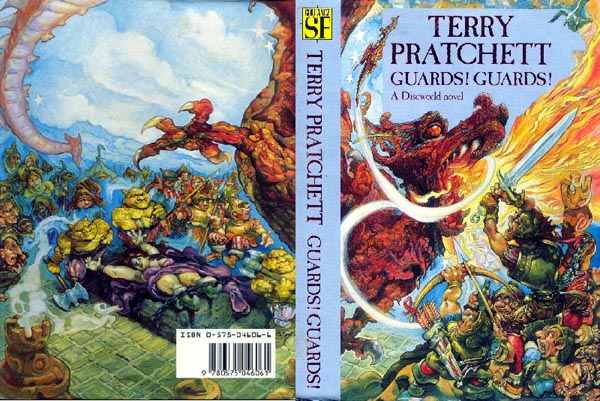
The Disc is flat. It rides on the backs of four elephants, who in turn stand on the shell of Great A'Tuin, a turtle ten thousand miles long, swimming through space toward nowhere in particular. Magic works here, usually badly. Death speaks IN SMALL CAPITALS and rides a horse called Binky. It looks like a fantasy world and behaves like ours with the safety catch off: a mirror held up to bureaucracy, belief, newspapers, money, war, and the ridiculous, stubborn business of being a person. One hand shaped all of it — Terry Pratchett — across forty-one novels and a shelf of companions, maps, and the Science of Discworld books. The world is braided from strands you can pick up on their own. Rincewind, the cowardly wizard, flees across the Disc (The Colour of Magic). The witches of Lancre, led by the formidable Granny Weatherwax, mind everyone's business (Equal Rites, Wyrd Sisters). Death takes on an apprentice (Mort). The City Watch polices grimy Ankh-Morpork under Commander Vimes (Guards! Guards!). A reformed swindler is given honest work at swordpoint (Going Postal), and young Tiffany Aching learns witching alongside the tiny, larcenous Nac Mac Feegle (The Wee Free Men). Standalones like Small Gods sit apart. The trick of it is that the farce turns, mid-joke, into something that catches in the throat, with footnotes that argue back at the page. Newcomers are gently steered away from the beginning: the early Rincewind books spoof a genre you needn't have read. Enter instead by whichever strand calls — Guards! Guards! for the Watch, Mort for Death, Wyrd Sisters for the witches, Small Gods entirely alone, or The Wee Free Men for the sharpest single thread. Open any door and the whole Disc opens with it.
- The Princess Bride
William Goldmanstandalone novel1973
similar byfunnyfantasysecondary worldquestsadventurous
The Princess Bride: S. Morgenstern's Classic Tale of True Love and High Adventure, The "Good Parts" Version is a 1973 fantasy romance novel by American writer William Goldman. The book combines elements of comedy, adventure, fantasy, drama, romance, and fairy tale. It is metafictionally presented as an abridgment of a longer work by the fictional S. Morgenstern, and Goldman's commentary asides are constant throughout. It was originally published in the United States by Harcourt Brace, then later by Random House, while in the United Kingdom it was later published by Bloomsbury.
- Malazan Book of the Fallen
series20 books1999
part of Malazan
similar byfantasysecondary worldgods+2 more
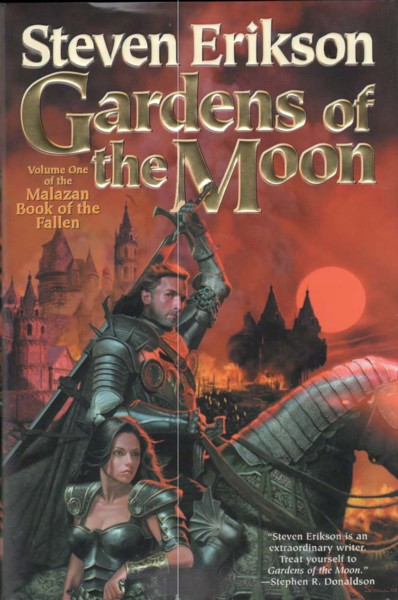
The Malazan Book of the Fallen is a series of epic fantasy novels written by the Canadian author Steven Erikson. The series, published by Bantam Books in the U.K. and Tor Books in the U.S., consists of ten volumes, beginning with Gardens of the Moon (1999) and concluding with The Crippled God (2011). Erikson's series presents the narratives of a large cast of characters spanning thousands of years across multiple continents.
- Dying Earth
series27 books1950
similar byfantasysecondary world+2 more
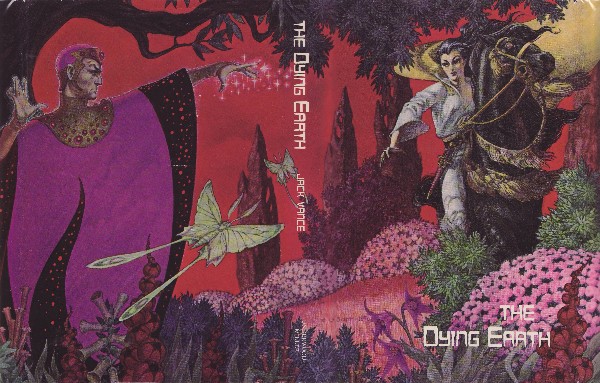
Dying Earth is a speculative fiction series by the American author Jack Vance, comprising four books originally published from 1950 to 1984. Some have been called picaresque. The series includes short story collections, fix-ups, and novels.
- Myth Adventures
series33 books1978
similar byfunnyfantasysecondary world
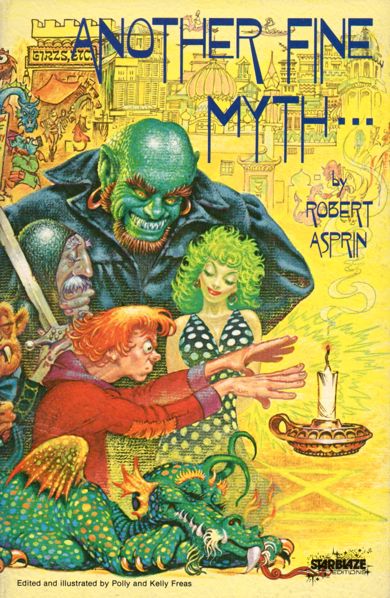
MythAdventures or Myth Adventures is a fantasy series created by Robert Lynn Asprin. After twelve novels by Asprin, published 1978 to 2002, he and Jody Lynn Nye continued the series with seven more books that they wrote together. After his death in May 2008, Nye has continued the series on her own.
- A Song of Ice and Fire
series14 books1996
part of World of Ice and Fire
similar byfantasysecondary worldpolitical intrigue
A Song of Ice and Fire is a series of high fantasy novels by the American author George R. R. Martin. Martin began writing the first volume, A Game of Thrones, in 1991, and published it in 1996. Martin, who originally envisioned the series as a trilogy, has released five out of seven planned volumes. The most recent entry in the series, A Dance with Dragons, was published in 2011. Since then, Martin has been working on the sixth novel, titled The Winds of Winter. A seventh novel, A Dream of Spring, is planned to follow.
- Narnia
series26 books1950
part of Narnia Universe
similar byfantasysecondary worldadventurous+2 more
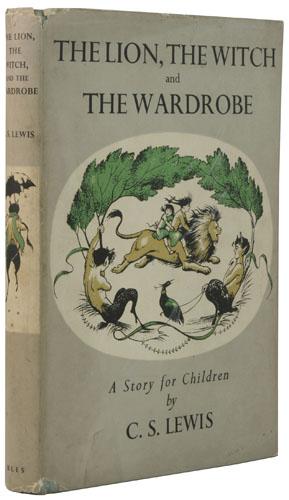
The Chronicles of Narnia is a series of seven portal fantasy novels by British author C. S. Lewis. Illustrated by Pauline Baynes and originally published between 1950 and 1956, the series is set in the fictional realm of Narnia, a fantasy world of magic, mythical beasts, and talking animals. It narrates the adventures of various children who play central roles in the unfolding history of the Narnian world. Except in The Horse and His Boy, the protagonists are all children from the real world who are magically transported to Narnia, where they are sometimes called upon by the lion Aslan to protect Narnia from evil. The books span the entire history of Narnia, from its creation in The Magician's Nephew to its eventual destruction in The Last Battle.
- The Circle of the World
universe29 books2006
Start hereThe Blade Itself · Start here
similar byfantasysecondary world
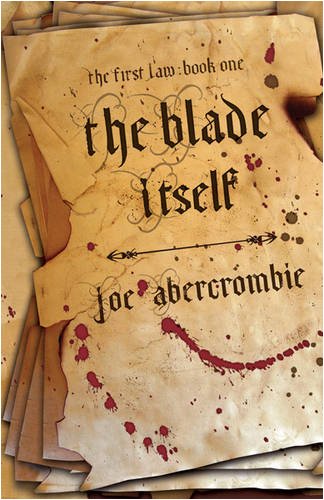
You want heroes? Best look elsewhere. The Circle of the World has kings and wizards and famous barbarians enough, but scratch any of them and you'll find a coward, a schemer, or a killer who's simply better at it than the rest. This is Joe Abercrombie's fantasy world: a grimy, blood-soaked continent where the fat and corrupt Union squats between the savage North and the scheming South, and where every noble cause turns out to have a knife hidden behind it. It opens with the First Law trilogy — The Blade Itself, Before They Are Hanged, Last Argument of Kings — following a crippled torturer with a razor wit, a weary Northman who would dearly like to stop fighting and can't, and a bald old wizard whose plans run older and colder than anyone guesses. Three self-contained standalones share the same ground and a familiar face or two: Best Served Cold takes its revenge across sunlit, murderous Styria; The Heroes crushes a whole war into three days over one worthless hill; Red Country rides the frontier. Short pieces (Sharp Ends) fill the gaps, and a generation on, the Age of Madness trilogy drags the old survivors into an age of factories, mobs, and revolution. What sets it apart is the honesty of its cynicism — close, sardonic points of view, gallows humour, and a flat refusal to let anyone stay clean. Violence carries a cost here; victory rarely settles anything; the wheel just turns and grinds someone new under it. Abercrombie recommends reading in publication order, and it's the right call: begin with The Blade Itself and let the world curdle around you. You have to be realistic about these things.
- Gentleman Bastard Sequence
series7 books2006
similar byfantasysecondary world+1 more
Scott Lynch's Gentleman Bastard sequence follows Locke Lamora, an orphan-raised master thief and con artist, and his gang of 'Gentleman Bastards' as they run elaborate grifts on the nobility of Camorr, a canal city modeled on Renaissance Venice. The Lies of Locke Lamora and its two sequels braid heist capers with flashbacks tracing how the gang was trained, escalating into a wider conflict involving crime lords and sorcerers. Lynch has planned seven books in total; three have been published so far, with long gaps between installments.
- Earthsea Cycle
series18 books1964
completed
part of Earthsea
similar byfantasysecondary world+1 more
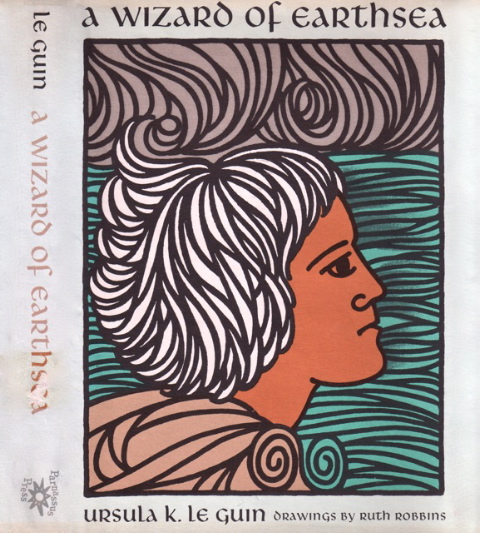
The Earthsea Cycle, also known as Earthsea, is a series of high fantasy books written by American author Ursula K. Le Guin. Beginning with A Wizard of Earthsea (1968), The Tombs of Atuan (1970), and The Farthest Shore (1972), the series was continued in Tehanu (1990), and Tales from Earthsea and The Other Wind. In 2018, all the novels and short stories were published in a single volume, The Books of Earthsea: The Complete Illustrated Edition, with artwork by Charles Vess.
- Novaria
series6 books1968
completed
similar byfantasysecondary worldadventurouspolitical intrigue+2 more
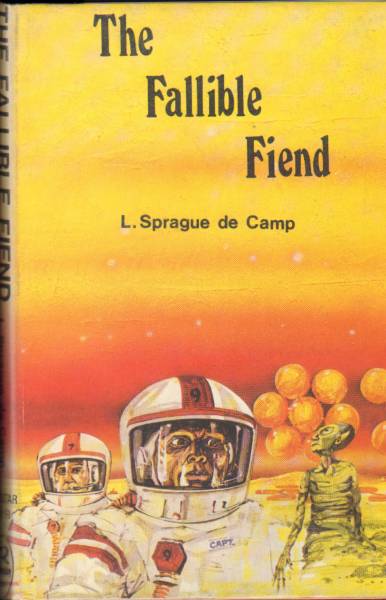
The Novarian series is a sequence of fantasy stories by L. Sprague de Camp, published between 1968 and 1989. The series contains some of de Camp's most innovative works of fantasy, featuring explorations of various political systems, an inversion of the "rags to royalty" pattern characteristic of much heroic fantasy, a satiric look at the foibles of humanity through the eyes of a demon, and a consistently wry and ironic take on conventions of the genre that plays out by taking them to their logical conclusions. Another singular feature of the series is its frequent use of folk tales integrated into the plot to painlessly convey something of the background and history of the invented world. This device obviates the need for lengthy appendices, as in The Lord of the Rings.
- Malazan
universe36 books1999
Start hereMalazan Book of the Fallen · Start here
similar bysecondary world+3 more
Pity the historian who tries to map this world; pity more the god who thinks he rules it. The Malazan Empire marches across continents on the boots of its common soldiers, and above them move Ascendants — mortals grown into something like gods, and gods worn thin as old coin. Magic is drawn from Warrens, roads of power threaded through reality; the dead keep their grudges; and every empire, however vast, is a wager against time. This is epic fantasy told from the mud, where a sapper cracking a joke weighs as much as an immortal settling a feud older than the human race. The world began as a tabletop campaign two friends built in the 1980s, and it still moves by two hands. Steven Erikson's ten-volume Malazan Book of the Fallen is the spine — Gardens of the Moon, Deadhouse Gates, Memories of Ice, on through The Crippled God — each book a near-standalone campaign that only later reveals how it locks together. Ian C. Esslemont walks the same years from a different vantage in his Novels of the Malazan Empire (Night of Knives, Return of the Crimson Guard onward). Around them stand the prequels: Erikson's Kharkanas Trilogy, archaic and elegiac, chronicling a doomed elder people, and Esslemont's brisker Path to Ascendancy, following two adventurers before they became legends. Erikson's Witness sequence carries the tale forward, and novellas of the genial necromancers Bauchelain and Korbal Broach supply the gallows comedy. Nothing is explained to you; comprehension is earned, and that is the pleasure. The themes run deep — compassion set against cruelty, the toll empires charge, civilizations that fall and are mourned. Begin where the saga does, with Erikson's Gardens of the Moon, and read the ten in publication order; the prequels are for the already-initiated. Trust that confusion is the price of entry.
- Bored of the Rings
Henry N. Beard & Douglas C. Kenneystandalone novel1969
similar byfunnyfantasysecondary worldquests
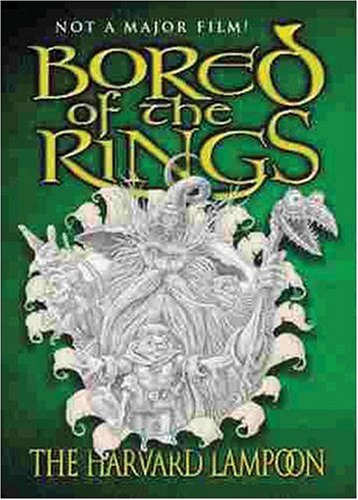
Bored of the Rings is a 1969 parody of J. R. R. Tolkien's The Lord of the Rings. This short novel was written by Henry Beard and Douglas Kenney, who later founded National Lampoon. It was published in 1969 by Signet for The Harvard Lampoon, and, unusually for a parody, has remained in print for over 50 years. It has been translated into at least twelve languages.
- The Legend of Eli Monpress
series6 books2010
similar byfantasysecondary worldadventurous+1 more
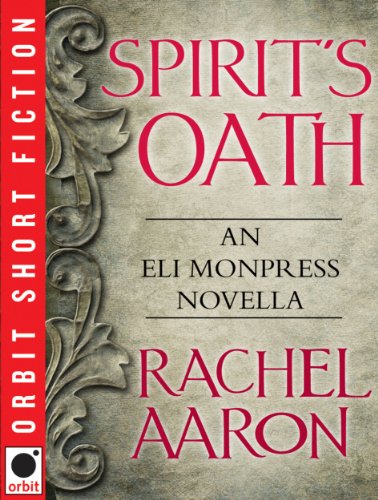
Rachel Aaron's Legend of Eli Monpress follows Eli, a wizard and self-proclaimed greatest thief of his age, who teams up with a swordsman wielding a sentient magical blade and a shadow-stepping demon to pull off escalating heists. What starts as stealing something minor grows into a scheme deliberately built to inflate the bounty on Eli's own head. The series plays its magic-heist premise for humor as much as stakes across six increasingly ambitious books.
- The Carpet People
series4 books1971
completed
similar byfantasysecondary worldadventurous+1 more
The Carpet People imagines an entire civilization of tiny peoples living among the towering fibers of a carpet, where different tribes must set aside old rivalries and unite against a shared threat sweeping through their world. Terry Pratchett wrote the original version at seventeen, then substantially rewrote it in 1992, famously noting that the book 'had two authors, and they were both the same person.' It reads as an early, more straightforward dry run for the comic invention Pratchett would later bring to Discworld.
- A Wizard in Rhyme
series8 books1986
completed
similar byfantasysecondary worldadventurous+2 more
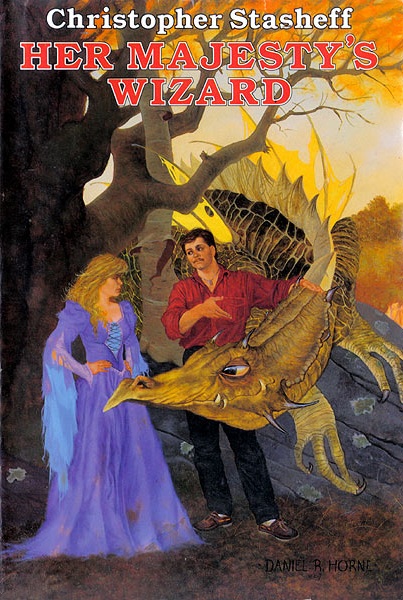
A Wizard in Rhyme is a series of fantasy novels by American writer Christopher Stasheff. The series follows the character of Matthew Mantrell, an English literature Ph.D. student, who is transported to a magical world where poetry is used to cast spells. There his knowledge of poetry, gained through his literature studies, establishes him as a powerful wizard and positions him as "lord wizard of the realm". The series consists of eight novels, and is said to have hints of L. Sprague de Camp and Fletcher Pratt.
- His Dark Materials Universe
universe13 books1995
Start hereHis Dark Materials · Start here
similar byfantasyadventurous+4 more
In a world like ours and unlike it, every human soul walks outside the body in the shape of an animal — a daemon, who speaks, who cannot be lied to, and who settles into one fixed form only when childhood ends. This is the country of His Dark Materials: a company of parallel worlds across which an invisible dust of consciousness drifts down upon the waking mind; where a Church that calls itself the Magisterium would sooner sever a child's soul than let that Dust be understood; and where a golden instrument, the alethiometer, answers true questions for anyone with the patience to read it. Philip Pullman's design stands in two trilogies and a scatter of shorter tales. His Dark Materials — Northern Lights (published in America as The Golden Compass), The Subtle Knife, and The Amber Spyglass — carries Lyra Belacqua from the rooftops of a shadow Oxford across the borders between worlds. The Book of Dust returns to that same territory: La Belle Sauvage looks back to Lyra as an infant carried through a great flood, while The Secret Commonwealth follows her grown and less certain into adulthood, with a concluding volume closing the arc. Around them sit slim companion books — Lyra's Oxford, Once Upon a Time in the North, Serpentine — and Nicholas Wright's stage adaptation, made with Pullman's blessing. The register is grave and luminous at once, its title lifted from Milton and its quarrel drawn from Blake: a story that takes the side of curiosity, love, and the physical world against any authority that would forbid them. It reads as adventure — armoured bears, aeronauts, knife-cut windows between skies — yet reasons like philosophy. Begin with Northern Lights / The Golden Compass and read the first trilogy through before turning to The Book of Dust, which deepens everything the first has already made you feel.
- The Hobbit
series2 books1937
completed
part of Tolkien's legendarium
similar byfantasysecondary worldquestsadventurous
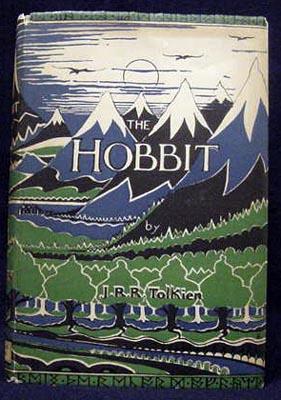
The Hobbit (1937) is J. R. R. Tolkien's children's fantasy novel following the reluctant burglar Bilbo Baggins, who joins a company of dwarves and the wizard Gandalf on a journey to reclaim treasure guarded by the dragon Smaug. It stands as a complete adventure on its own, but shares its setting with the rest of Tolkien's legendarium and leads into the events of The Lord of the Rings.
- Kushiel's Legacy Universe
series13 books2001
similar byfantasysecondary worldpolitical intrigue+2 more
- The Lord of the Rings
series13 books1954
part of Tolkien's legendarium
similar bysecondary world+3 more
The Lord of the Rings is an epic high fantasy novel written by the English author and scholar J. R. R. Tolkien. Set in Middle-earth, the story began as a sequel to Tolkien's 1937 children's book The Hobbit but eventually developed into a much larger work. Written in stages between 1937 and 1949, The Lord of the Rings is one of the best-selling books ever written, with over 150 million copies sold.
- Wizardry
series5 books1989
completed
similar byfunnyfantasysecondary world+2 more
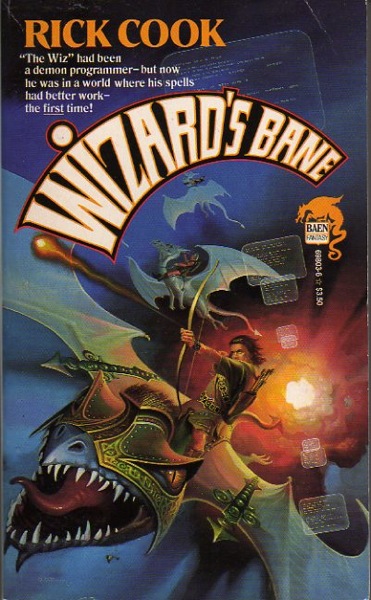
Wizardry is Rick Cook's comic fantasy series that begins with Wizard's Bane (1989), continuing through The Wizardry Compiled, The Wizardry Cursed and The Wizardry Consulted to The Wizardry Quested. It follows a computer programmer pulled into a magical world, who discovers that spells behave like code and starts building programming tools to hack the local system of magic. The 'Wiz Biz' omnibus titles collect these same novels rather than adding new story.
- Sebastian Darke
series5 books2007
similar byfantasysecondary worldquestsadventurous+1 more
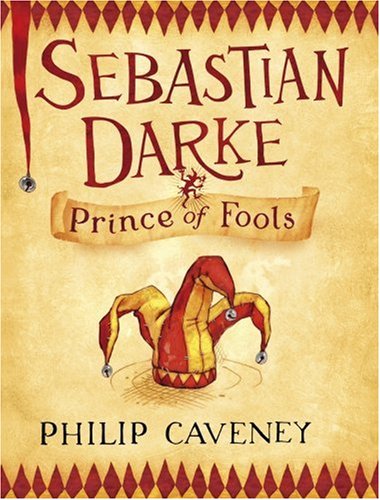
Sebastian Darke is the eponymous hero of Philip Caveney's children's fantasy quartet, beginning with Prince of Fools (2007) and continuing through Prince of Pirates, Prince of Explorers, and the spin-off A Buffalope's Tale, with the later addition Prince of Spies. The core books were published between 2007 and 2010.