Loreful
HomeDiscover
Search series, authors…⌘K
Loreful

Reading orders for SF/F series and shared universes — with your place kept in every one.

Explore

UniversesSeriesWorksAuthorsAtlas

Help

FAQAboutSite map

Account & legal

Sign inCreate accountPrivacyTerms

Data

Built on ISFDB, Wikipedia, Wikidata and Open Library. Curated reading orders carry their reasoning on the page; the rest follow publication order. Data sources & licenses

© Loreful · data: ISFDB · CC BY

More like Horses!

anchored on:fantasyscience fictionshort story cycleour world

but

Mood

The mood the book leaves you in.

  • The reading experience is propelled by journeys, exploration, and physical risk; excitement and forward momentum dominate over dread or introspection.
  • Joy and loss are deliberately mixed; the resolution grants characters something real while taking something else away, leaving warmth and sorrow together.
  • The book demands work from the reader — dense prose, difficult structure, unfamiliar ideas, or morally uncomfortable material — as part of its intended effect.
  • Grim events, cruelty, or despair dominate the atmosphere, and the book does not soften them with comfort or comic relief.
  • The atmosphere is quietly unsettling — wrongness, unease, and the uncanny pervade the book without necessarily escalating into overt horror.
  • The book is built to move the reader; character feeling is foregrounded and major scenes aim at a strong emotional response.
  • Humor is a primary aim and the prose plays for laughs — comic situations, wit, or dialogue produce sustained comedy, not occasional levity.
  • The book insists that things can improve; effort and decency are shown to matter, and the arc bends toward better outcomes even through hardship.
  • The book teaches as it goes — real facts, history, science, or craft are conveyed in enough depth that learning is part of the reading experience.
  • The book is designed to uplift and motivate, presenting perseverance or achievement in a way that invites the reader to aspire or act.
  • The overall register is cheerful and easygoing; stakes are kept gentle and the book avoids dwelling on pain or dread.
  • Withheld information drives the experience; the book sustains enigmas and secrets the reader wants resolved, whatever its genre.
  • The book is contemplative and inward-looking, giving more weight to thought, memory, and meaning than to external events.
  • The book works as comfort reading — low tension, a soothing pace, and an atmosphere the reader can unwind in.
  • Grief, loss, or melancholy set the dominant register, and the book lets sorrow stand rather than resolving it into comfort.
  • Sustained suspense is the point; the book keeps the reader braced for what happens next through danger, pressure, or impending revelation.
  • Playful invention and charm define the register — fanciful conceits, light absurdity, and a narration that delights in its own oddity.

About

What the story runs on.

  • Stories in which extraterrestrial beings are central — as characters, cultures, or the object of the plot.
  • Stories structured as a quest — a journey undertaken to find, deliver, or destroy something of great import.
  • Stories in which staying alive against nature, catastrophe, or scarcity is the central problem.
  • Stories of lovers kept apart by law, family, faith, or station, where the obstacle to love is the plot.
  • Stories in which a friendship — its making, testing, or loss — is the emotional center.
  • Stories of growing up — a young protagonist crossing from childhood into adult knowledge and responsibility.
  • Stories about who a character truly is — self-discovery, doubled lives, and the search for a self.
  • Stories about mourning — living through the death of a loved one and what loss does to the survivors.
  • Stories in which a buried family truth — hidden parentage, crimes, or shames — surfaces and reorders the present.
  • Stories driven by maneuvering for power — factions, conspiracies, and statecraft conducted in shadow.
  • Stories in which war itself is the subject — combat, occupation, and what warfare does to soldiers and civilians.
  • Stories organized around investigating a killing — the case, the clues, and the pursuit of the killer, in any genre's clothing.

Shelf

Where it sits in the library.

    • Fiction built on magic or other supernatural elements that have no scientific explanation.
    • Secondary-world fantasy at large scale, where the fate of nations or the world turns on the protagonists' struggle.
    • Fantasy set in a recognizably modern city or contemporary world where the supernatural intrudes on everyday life.
    • Fantasy that blends in horror's atmosphere and imagery, keeping a fantastical frame around grim or frightening material.
    • Action-driven fantasy following warriors or rogues with personal stakes against sorcerous threats, rather than world-spanning conflicts.
    • Fantasy set in a real historical period or a close analogue of one, with magic woven into the era.
    • Fantasy in which protagonists cross from the ordinary world into another world through a portal or similar passage.
    • Fiction that retells or reworks a traditional fairy tale in a new form or setting.
    • Fantasy drawing directly on myths, legends, and folklore, retelling them or building on their figures and logic.
    • Fantasy of ghosts, vampires, shapeshifters, psychics, and similar phenomena, usually set in an otherwise ordinary world.
    • Fiction mixing science-fictional trappings with overtly magical or impossible elements in one setting.
    • Low-stakes fantasy emphasizing comfort, community, and everyday pleasures over conflict and peril.
    • Speculative fiction of pervasive moral ambiguity, violence, and cynicism that rejects heroic conventions — fantasy and SF alike.
      • Fiction that extrapolates from science and technology — future societies, space travel, or speculative inventions — within at least nominally natural laws.
      • Science fiction of interstellar scope — starships, galactic polities, and adventure across star systems.
      • Science fiction committed to scientific rigor, where technical plausibility constrains the story.
      • Science fiction centered on armed forces and warfare, told largely from a military point of view.
      • Science fiction of networked, corporate-dominated near futures, pairing high technology with social decay.
      • Science fiction styled on nineteenth-century steam-powered technology, often in a Victorian or pseudo-Victorian setting.
      • Fiction depicting an oppressive or catastrophic society, presented as a warning.
      • Fiction set after civilization's collapse, following survivors in the ruins of the old world.
      • Fiction in which characters move between past and future, and the mechanics or consequences of that travel drive the plot.
      • Fiction exploring a world where a historical event went differently and history diverged from ours.
      • Science fiction about humanity's first encounter and communication with an alien intelligence.
      • Science fiction in which extraterrestrial forces attack or occupy Earth and humanity resists.
      • Fiction whose primary aim is to frighten or unsettle the reader through dread, menace, or the monstrous.
      • Horror of vast, indifferent, incomprehensible entities before which humanity is insignificant, in the Lovecraft tradition.
      • Horror of decaying houses, buried family secrets, and oppressive atmosphere in the Gothic literary tradition.
      • Horror centered on hauntings and the returning dead.
      • Horror located in the mind — paranoia, obsession, and unreliable perception rather than external monsters.
      • Horror built around the reanimated dead and survival amid their outbreaks.
      • Horror defined by explicit, transgressive gore that refuses to cut away from violence.
      • Speculative fiction of the strange and uncanny that resists both natural explanation and standard genre categories.
      • Fiction organized around solving a crime or puzzle, typically following an investigator toward the identification of a culprit.
      • A puzzle-first mystery that lays out clues so the culprit's identity can be deduced before the reveal.
      • Crime fiction of moral ambiguity, fatalism, and hard-edged style, set among the corrupt and the doomed.
      • A mystery following the realistic routines of police work — forensics, interviews, and case-building.
      • A gentle mystery with an amateur sleuth, a small community, and violence kept off the page.
      • A mystery set in a past era, where the investigation works within that period's methods and society.
      • Fast-paced fiction driven by imminent danger, pursuit, or high-stakes conspiracy, built to sustain tension.
      • A thriller of espionage — agents, tradecraft, and intelligence services in conflict.
      • A thriller centered on lawyers and the courtroom, where litigation carries the suspense.
      • A thriller driven by detailed contemporary or near-future technology, often military or scientific.
      • A thriller whose tension comes from mental states and manipulation between characters rather than external action.
      • Fiction whose central plot is a romantic relationship and its development toward an emotionally satisfying resolution.
      • Romance in which one or both partners are supernatural beings, blending fantasy elements into the love story.
      • A fantasy-romance hybrid in which the romantic arc and the fantasy plot carry equal weight.
      • Romance set in a past era, with courtship shaped by the period's society and manners.
      • Romance set in the present day, without supernatural or historical elements.
      • Fiction set in a real past period, where the historical setting materially shapes characters and events.
        • General and literary fiction emphasizing prose style, character interiority, or formal ambition over genre plot conventions.
        • Fiction in a realistic world where magical events occur and are treated as ordinary, in the tradition of Latin American literature.
        • Fiction that ridicules people, institutions, or society in order to criticize them.
        • Fiction of dreamlike, irrational imagery and logic that breaks from realistic representation.
        • Fiction that plays with narrative convention through metafiction, fragmentation, and self-reference.
        • Fiction propelled by journeys, exploration, and physical peril, where action and survival carry the plot.
        • Adventure fiction of ships and seafaring — naval engagements, voyages, and life at sea.
        • Fiction of the American frontier West — gunmen, ranchers, and lawmen, typically in the late nineteenth century.
        • Fiction centered on soldiers, campaigns, and the experience of warfare, historical or imagined.
          • Fiction written primarily to amuse, using comedic situations, wit, or parody as its organizing principle.
            • Multi-generational fiction following a family or dynasty across decades, with inheritance and kinship as the through-line.
              • Fiction whose world runs on explicit game mechanics — levels, stats, and skills that characters can see and exploit.
                • Fiction about costumed or superpowered heroes and their conflicts with comparable villains.

                Practical

                How long a commitment, whether it stands alone, and whether it has finished.

                Tap a chip to ask for it · tap again to rule it out · once more to clear. Numbers show what would be left.

                • Cover of Never Let Me Go
                  Never Let Me Go

                  Kazuo Ishiguro · standalone novel · 2005

                  similar byfriendshipreflectiveour worldscience fiction

                  Never Let Me Go is a 2005 science fiction novel by the British author Kazuo Ishiguro. It was shortlisted for the 2005 Man Booker Prize, for the 2006 Arthur C. Clarke Award and the 2005 National Book Critics Circle Award. Time magazine named it the best novel of 2005. It included the novel in its '100 Best English-language novels published since 1923—the beginning of TIME'. It also received an ALA Alex Award in 2006. A film adaptation directed by Mark Romanek was released in 2010.

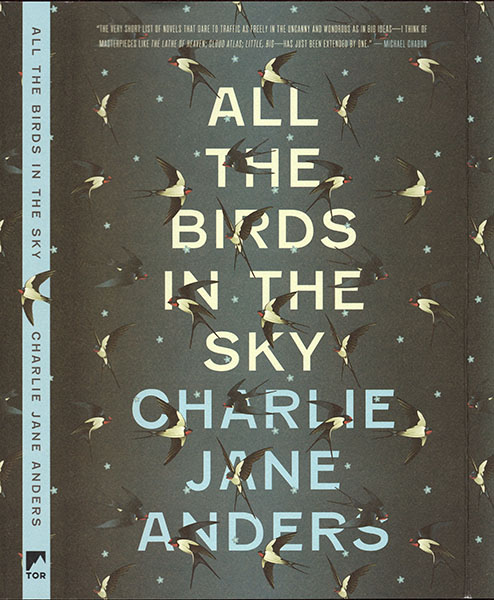
                • Cover of All the Birds in the Sky
                  All the Birds in the Sky

                  series · 3 books · 2016

                  similar byour worldscience fiction+3 more

                  All the Birds in the Sky is Charlie Jane Anders's 2016 debut novel, blending literary fantasy and science fiction as a witch and a technologist navigate a troubled relationship while the world edges toward disaster. The publisher described it as pairing an intimate, coming-of-age relationship story with escalating stakes about magic and technology colliding at civilization's scale. It stands as a standalone novel.

                • Cover of The Roots of the Mountains
                  The Roots of the Mountains

                  William Morris · standalone novel · 1889

                  similar byfantasy+2 more

                  The Roots of the Mountains: Wherein is Told Somewhat of the Lives of the Men of Burgdale, Their Friends, Their Neighbours, Their Foemen, and Their Fellows in Arms is a fantasy romance novel by William Morris, perhaps the first modern fantasy writer to unite an imaginary world with an element of the supernatural, and thus the precursor of much of present-day fantasy literature. It was first published in hardcover by Reeves and Turner in 1889. Its place in the history of fantasy literature was recognized by its republication by the Newcastle Publishing Company as the nineteenth volume of the Newcastle Forgotten Fantasy Library in April, 1979.

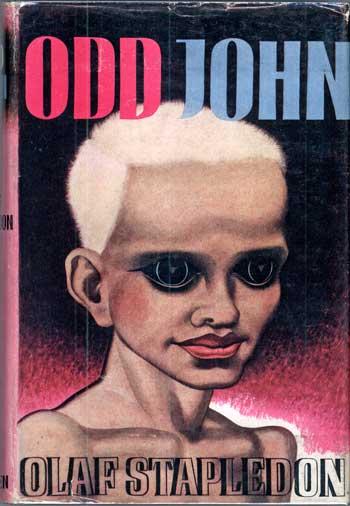
                • Cover of Odd John
                  Odd John

                  Olaf Stapledon · standalone novel · 1935

                  similar byreflectiveour worldscience fiction+1 more

                  Odd John: A Story Between Jest and Earnest is a 1935 science fiction novel by the British author Olaf Stapledon. The novel explores the theme of the Übermensch (superman) in the character of John Wainwright, whose supernormal human mentality inevitably leads to conflict with normal human society and to the destruction of the utopian colony founded by John and other superhumans.

                • Cover of Black Dragon
                  Black Dragon

                  series · 2 books · 1983

                  similar byfriendshipour worldfantasy

                  R. A. MacAvoy's Tea with the Black Dragon pairs Martha Macnamara, a folk musician searching for her missing daughter, with Mayland Long, a courtly stranger who reveals himself to be a dragon living in human form, as they investigate a computer-fraud scheme in 1980s San Francisco. Its low-key blend of contemporary mystery and gentle fantasy proved popular enough to spawn a sequel, Twisting the Rope, following the same pair into a new case years later.

                • Cover of The Rest of Us Just Live Here
                  The Rest of Us Just Live Here

                  Patrick Ness · standalone novel · 2015

                  similar byfriendshipreflectiveour worldfantasy

                  What if you aren't the Chosen One? The one who's supposed to fight the zombies, or the soul-eating ghosts, or whatever the heck this new thing is, with the blue lights and the death? What if you're like Mikey? Who just wants to graduate and go to prom and maybe finally work up the courage to ask Henna out before someone goes and blows up the high school. Again. Because sometimes there are problems bigger than this week's end of the world, and sometimes you just have to find the extraordinary in your ordinary life. Even if your best friend is worshipped by mountain lions.

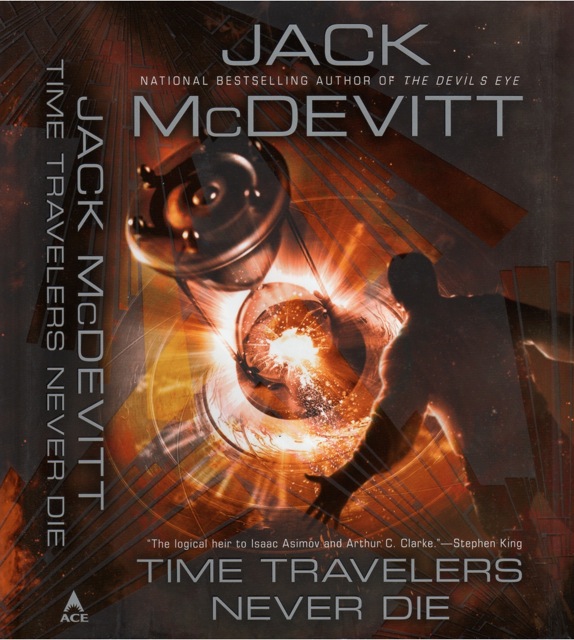
                • Cover of Time Travelers Never Die
                  Time Travelers Never Die

                  series · 2 books · 1996

                  similar byour worldscience fiction+2 more

                  Time Travelers Never Die started life as a Jack McDevitt novella in the mid-1990s (Hugo- and Nebula-nominated) before he expanded it into a full novel over a decade later; the novella and novel are two forms of the same story rather than a sequel. It follows a small circle of people who gain access to working time travel and use it to step into the past, in McDevitt's characteristic register of curious, history-minded science fiction.

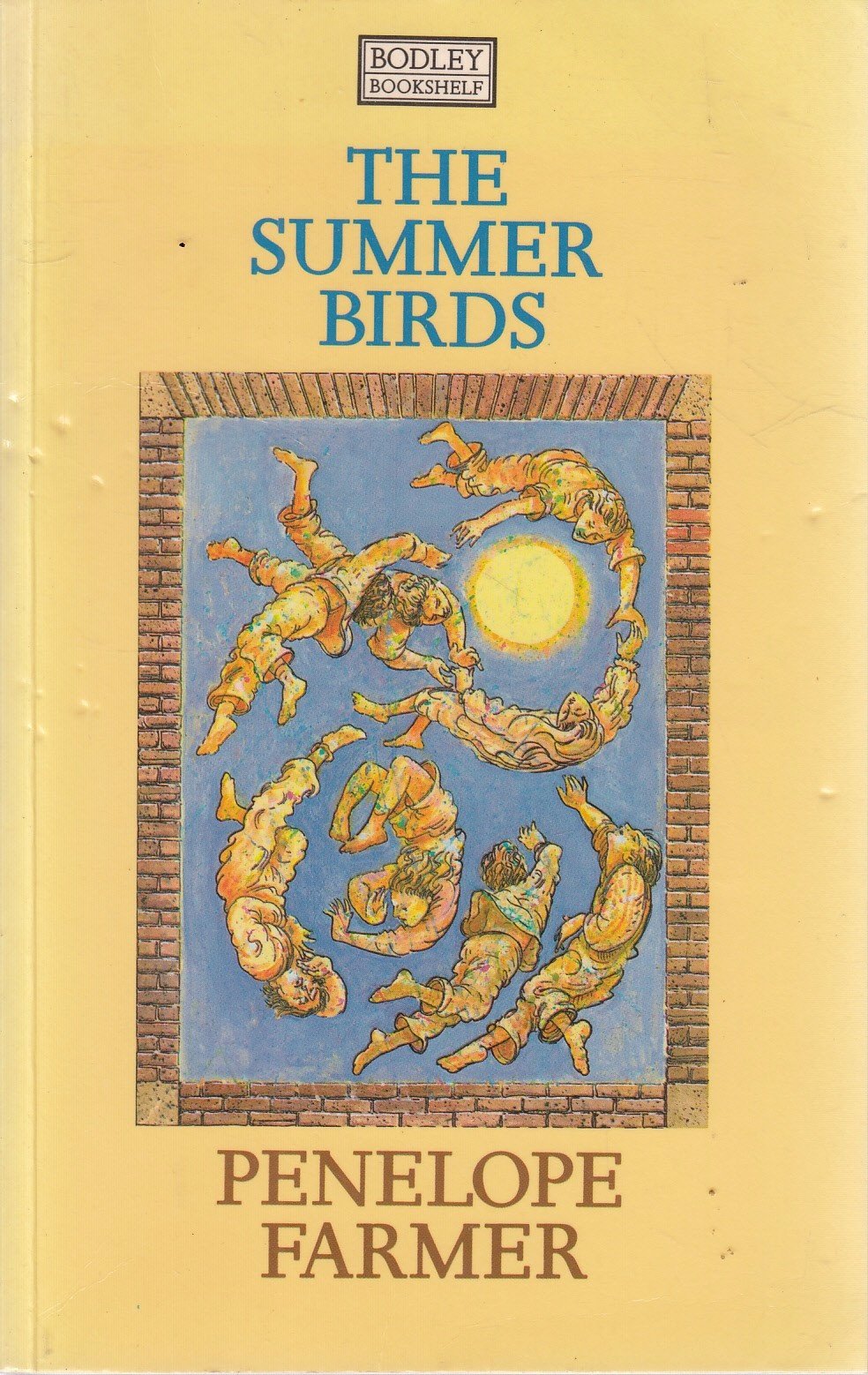
                • Cover of Emma / Charlotte
                  Emma / Charlotte

                  series · 3 books · 1962

                  similar byreflectivefantasy+2 more

                  Penelope Farmer's Aviary Hall books follow the Makepeace sisters, Emma and Charlotte, across three novels: The Summer Birds, Emma in Winter, and the best-known Charlotte Sometimes (1969), in which a boarding-school girl swaps places nightly with a counterpart living forty years earlier. The books blend everyday childhood settings with subtle fantasy and time-slip elements.

                • Cover of At the Back of the North Wind
                  At the Back of the North Wind

                  series · 2 books · 1869

                  similar byfriendshipfantasy+1 more

                • Cover of The Dragon's Boy
                  The Dragon's Boy

                  Jane Yolen · standalone novel · 1990

                  similar byfriendshipreflectivefantasy

                  Young Arthur meets a dragon and comes to accept him as a friend and mentor.

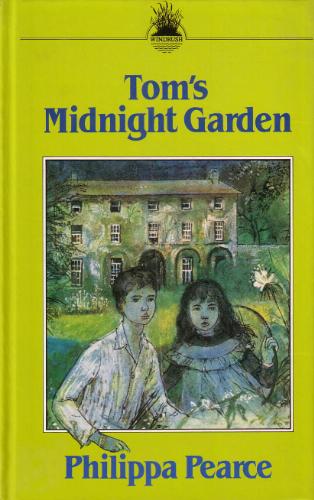
                • Cover of Tom's Midnight Garden
                  Tom's Midnight Garden

                  Philippa Pearce · standalone novel · 1958

                  similar byfriendshipreflectivefantasy

                  Tom's Midnight Garden is a children's fantasy novel by English author Philippa Pearce. It was first published in 1958 by Oxford University Press with illustrations by Susan Einzig. The story is about a twelve-year-old boy, Tom, who, while staying with his aunt and uncle, slips out at midnight and discovers a magical, mysterious Victorian garden where he befriends a young girl named Hatty. The novel has been reissued in print many times and also adapted for radio, television, cinema, and the stage.

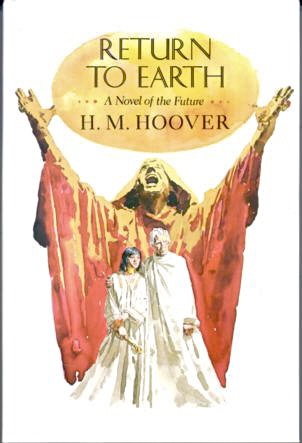
                • Cover of Return to Earth
                  Return to Earth

                  H. M. Hoover · standalone novel · 1980

                  similar byreflectiveour worldscience fiction+1 more

                  WorldCat: In a future world a diplomat returns to Earth to retire and finds himself involved in political intrigue and a disquieting friendship with a young girl.

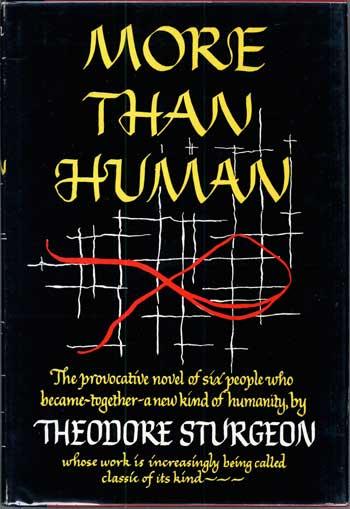
                • Cover of More Than Human
                  More Than Human

                  Theodore Sturgeon · standalone novel · 1953

                  similar byreflectiveour worldscience fictionshort story cycle

                  More Than Human is a 1953 science fiction fix-up novel by American writer Theodore Sturgeon. It is a revision and expansion of his 1952 novella Baby Is Three, which is bracketed by two additional parts written for the novel, "The Fabulous Idiot" and "Morality". It won the 1954 International Fantasy Award, which was also given to works in science fiction. It was additionally nominated in 2004 for a "Retro Hugo" award for the year 1954. Science fiction critic and editor David Pringle included it in his book Science Fiction: The 100 Best Novels.

                • Cover of The Lord of the Rings
                  The Lord of the Rings

                  series · 13 books · 1954

                  part of Tolkien's legendarium

                  similar by+2 more

                  The Lord of the Rings is an epic high fantasy novel written by the English author and scholar J. R. R. Tolkien. Set in Middle-earth, the story began as a sequel to Tolkien's 1937 children's book The Hobbit but eventually developed into a much larger work. Written in stages between 1937 and 1949, The Lord of the Rings is one of the best-selling books ever written, with over 150 million copies sold.

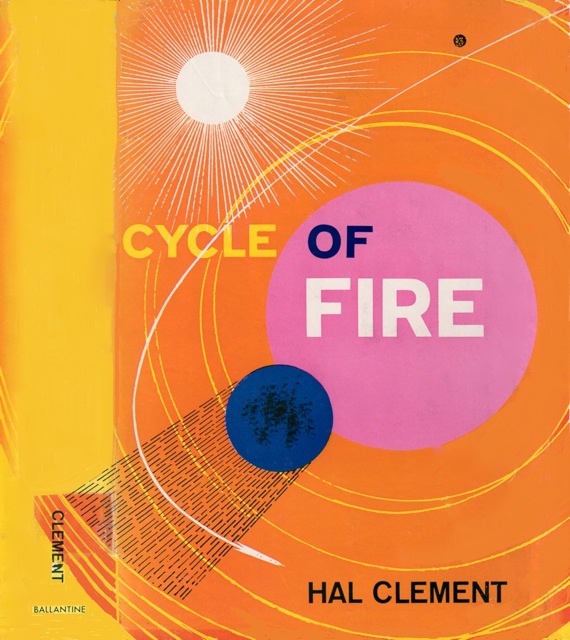
                • Cover of Cycle of Fire
                  Cycle of Fire

                  Hal Clement · standalone novel · 1957

                  similar byfriendshipreflectivescience fiction

                  After his ship crashed on the inhospitable planet Abyorman, Nils Kruger had spent weeks wandering across the face of the planet.suffering from blistering heat, the searing cold of an alien climate. Now he had found a fellow wanderer, Dar, an alien castaway. They may both die. The human opts to do something about it. Dar, who knows the time of his death in advance, opts to do nothing. Which of them is right? Perhaps both

                • Cover of We Burned So Bright
                  We Burned So Bright

                  TJ Klune · standalone novel · 2026

                  similar byreflectiveour worldscience fiction+1 more

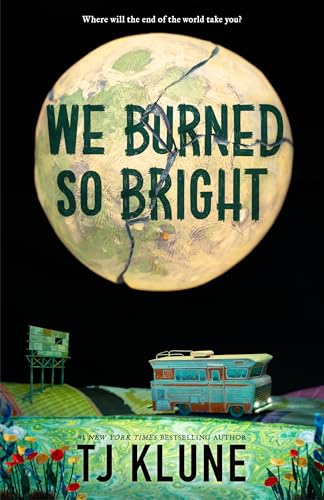
                  Husbands Don and Rodney have lived a good long life. Together they’ve experienced the highest highs of love and family, and lows so low that they felt like the end of the world. Now, the world is ending for real. A wandering blackhole is coming for Earth and in a month everything and everyone they’ve ever known will be gone. Suddenly, after 40 years together, Don and Rodney are out of time. They’re in a race against the clock to make it from Maine to Washington State to take care of some unfinished business before it’s all over. On the road they meet those who refuse to believe death is coming and those who rush to meet it. But there are also people living their final days as best they know how–impromptu weddings, bright burning bonfires, shared meals, new friends. And as the blackhole draws near, among ball lightning and under a cracked moon in a kaleidoscope sky, Don and Rodney will look back on their lives and ask if their best was good enough. Is it enough to burn bright if nothing comes from the ashes?

                • Cover of The Wind in the Willows Universe
                  The Wind in the Willows Universe

                  series · 17 books · 1908

                  similar byfriendshipfantasy

                • Cover of Holes
                  Holes

                  Louis Sachar · standalone novel · 1998

                  similar byfriendshipreflectiveour world

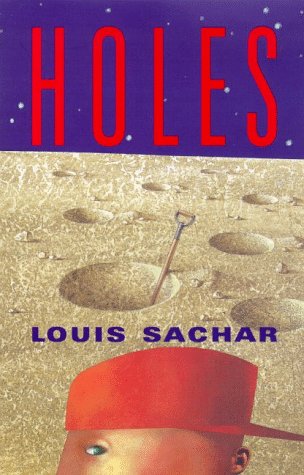
                  Holes is a 1998 middle grade novel written by Louis Sachar and first published by Farrar, Straus and Giroux. The book centers on Stanley Yelnats IV, a young boy who is sent to Camp Green Lake, a correctional boot camp in a desert in Texas, after being wrongfully convicted of theft. The plot explores the history of the area and how the actions of several characters in the past have affected Stanley's life in the present. These interconnecting stories touch on themes such as labor, boyhood and masculinity, friendship, meaning of names, illiteracy, elements of fairy tales, and racism.

                • Cover of Redwall
                  Redwall

                  series · 22 books · 1986

                  completed

                  part of Redwall Universe

                  similar byfantasy+1 more

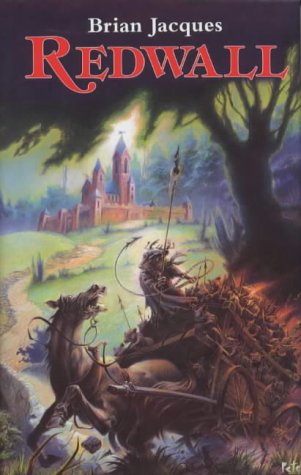
                  Redwall is Brian Jacques's long-running series of fantasy novels for young readers, set within the redwall-universe of Redwall Abbey and its community of anthropomorphic animals. It opened in 1986 with the mouse Matthias searching for the lost sword of the legendary Martin the Warrior to defend the abbey from the invading rat Cluny the Scourge, and grew across 22 largely stand-alone novels published through 2011, each set in a different generation of the abbey's history and following its mice, otters, badgers, and vermin adversaries.

                • Cover of Otherwood
                  Otherwood

                  Pete Hautman · standalone novel · 2018

                  similar byfriendshipreflectiveour worldfantasy

                  One day, after Stuey and his best friend, Elly Rose, spend countless afternoons in the deadfall in the middle of the woods, something totally unbelievable happens. Stuey and Elly Rose struggle to come to grips with their lives after that reality-splitting moment.

                • Cover of The Leap
                  The Leap

                  Jonathan Stroud · standalone novel · 2001

                  similar byfriendshipreflectiveour worldfantasy

                  The Leap is a fantasy novel by Jonathan Stroud, published in 2001. It centres on a girl whose best friend drowns in a mill pool.

                • Cover of The Transfigured Hart
                  The Transfigured Hart

                  Jane Yolen · standalone novel · 1975

                  similar byfriendshipour worldfantasy+1 more

                  WorldCat: A boy and a girl become convinced that the white deer they discover in the woods is a unicorn.

                • Cover of Childhood's End
                  Childhood's End

                  Arthur C. Clarke · standalone novel · 1953

                  similar byreflectiveour worldscience fiction

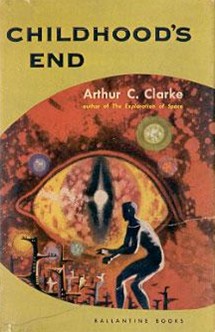
                  Childhood's End is a 1953 science fiction novel by the British author Arthur C. Clarke. The story follows a peaceful alien invasion of Earth by mysterious Overlords, whose arrival begins decades of apparent utopia under indirect alien rule, at the cost of human identity and culture.

                • Cover of Little Wooden Horse
                  Little Wooden Horse

                  series · 3 books · 1938

                  completed

                  similar byfriendshipour worldfantasy

                  Ursula Moray Williams's Little Wooden Horse books follow a toymaker's wooden horse who sets out to earn money for his aging, poverty-stricken maker, enduring a string of owners and hardships along the way. The character's world later crosses over with Williams's other well-known creation in The Further Adventures of Gobbolino and the Little Wooden Horse, pairing the horse with the witch's cat from her separate Gobbolino books. Both are mid-century British children's stories built around a stoic animal hero's misfortunes.