More like Lyche
anchored on:secondary world
but
- The Lord of the Rings
series13 books1954
part of Tolkien's legendarium
similar bysecondary worldepic fantasy+1 more
The Lord of the Rings is an epic high fantasy novel written by the English author and scholar J. R. R. Tolkien. Set in Middle-earth, the story began as a sequel to Tolkien's 1937 children's book The Hobbit but eventually developed into a much larger work. Written in stages between 1937 and 1949, The Lord of the Rings is one of the best-selling books ever written, with over 150 million copies sold.
- The Hobbit
series2 books1937
completed
part of Tolkien's legendarium
similar byfantasysecondary worldepic fantasy
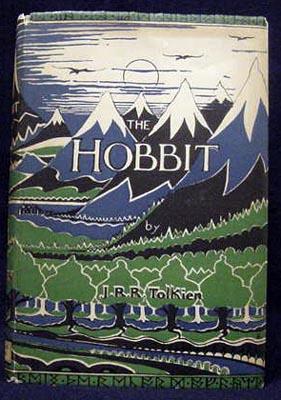
The Hobbit (1937) is J. R. R. Tolkien's children's fantasy novel following the reluctant burglar Bilbo Baggins, who joins a company of dwarves and the wizard Gandalf on a journey to reclaim treasure guarded by the dragon Smaug. It stands as a complete adventure on its own, but shares its setting with the rest of Tolkien's legendarium and leads into the events of The Lord of the Rings.
- Earthsea Cycle
series18 books1964
completed
part of Earthsea
similar byfantasysecondary worldepic fantasy
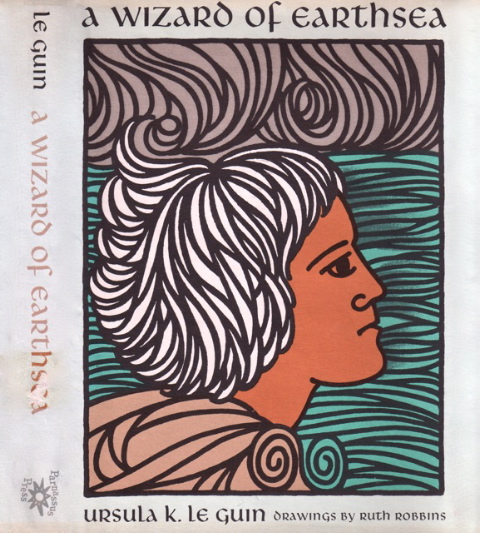
The Earthsea Cycle, also known as Earthsea, is a series of high fantasy books written by American author Ursula K. Le Guin. Beginning with A Wizard of Earthsea (1968), The Tombs of Atuan (1970), and The Farthest Shore (1972), the series was continued in Tehanu (1990), and Tales from Earthsea and The Other Wind. In 2018, all the novels and short stories were published in a single volume, The Books of Earthsea: The Complete Illustrated Edition, with artwork by Charles Vess.
- A Song of Ice and Fire
series14 books1996
part of World of Ice and Fire
similar byfantasysecondary worldepic fantasy
A Song of Ice and Fire is a series of high fantasy novels by the American author George R. R. Martin. Martin began writing the first volume, A Game of Thrones, in 1991, and published it in 1996. Martin, who originally envisioned the series as a trilogy, has released five out of seven planned volumes. The most recent entry in the series, A Dance with Dragons, was published in 2011. Since then, Martin has been working on the sixth novel, titled The Winds of Winter. A seventh novel, A Dream of Spring, is planned to follow.
- Narnia
series26 books1950
part of Narnia Universe
similar byfantasysecondary world+1 more
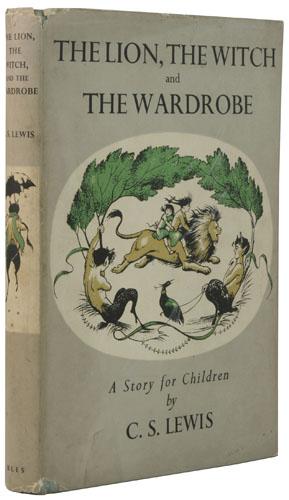
The Chronicles of Narnia is a series of seven portal fantasy novels by British author C. S. Lewis. Illustrated by Pauline Baynes and originally published between 1950 and 1956, the series is set in the fictional realm of Narnia, a fantasy world of magic, mythical beasts, and talking animals. It narrates the adventures of various children who play central roles in the unfolding history of the Narnian world. Except in The Horse and His Boy, the protagonists are all children from the real world who are magically transported to Narnia, where they are sometimes called upon by the lion Aslan to protect Narnia from evil. The books span the entire history of Narnia, from its creation in The Magician's Nephew to its eventual destruction in The Last Battle.
- Zimiamvian Trilogy
series4 books1922
completed
similar byfantasysecondary worldepic fantasy
The Zimiamvian Trilogy is a series of fantasy novels by English author E. R. Eddison.Mistress of Mistresses (1935) A Fish Dinner in Memison (1941) The Mezentian Gate (1958)
- Gormenghast
series6 books1946
completed
similar byfantasysecondary world+1 more
Gormenghast is a fantasy series by British author Mervyn Peake, about the inhabitants of Castle Gormenghast, a sprawling, decaying, Gothic structure. Originally conceived as a single on-going novel, the series was ended by Peake's death and comprises three novels: Titus Groan (1946), Gormenghast (1950) and Titus Alone (1959); and a novella, Boy in Darkness (1956). Peake was writing a fourth novel, Titus Awakes, at the time of his death in 1968. The book was completed by Peake's widow Maeve Gilmore in the 1970s, but was not published until 2011 after it was discovered by their family.
- Thomas Covenant the Unbeliever
series11 books1977
similar byfantasysecondary worldepic fantasy
The Chronicles of Thomas Covenant is a series of ten high fantasy novels written by American author Stephen R. Donaldson. The series began as a trilogy, The Chronicles of Thomas Covenant the Unbeliever. This was followed by another trilogy, The Second Chronicles of Thomas Covenant, and finally a tetralogy, The Last Chronicles of Thomas Covenant.
- Redwall
series22 books1986
completed
part of Redwall Universe
similar byfantasysecondary world
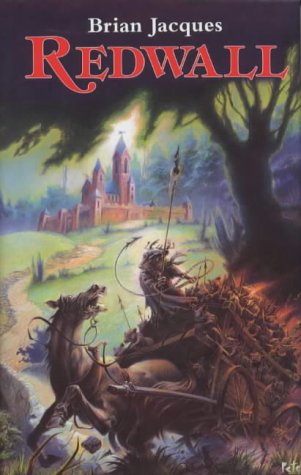
Redwall is Brian Jacques's long-running series of fantasy novels for young readers, set within the redwall-universe of Redwall Abbey and its community of anthropomorphic animals. It opened in 1986 with the mouse Matthias searching for the lost sword of the legendary Martin the Warrior to defend the abbey from the invading rat Cluny the Scourge, and grew across 22 largely stand-alone novels published through 2011, each set in a different generation of the abbey's history and following its mice, otters, badgers, and vermin adversaries.
- Malazan
universe36 books1999
Start hereMalazan Book of the Fallen · Start here
similar bysecondary worldepic fantasy+1 more
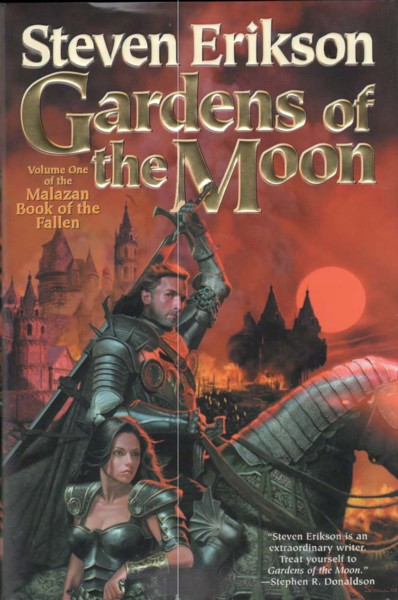
Pity the historian who tries to map this world; pity more the god who thinks he rules it. The Malazan Empire marches across continents on the boots of its common soldiers, and above them move Ascendants — mortals grown into something like gods, and gods worn thin as old coin. Magic is drawn from Warrens, roads of power threaded through reality; the dead keep their grudges; and every empire, however vast, is a wager against time. This is epic fantasy told from the mud, where a sapper cracking a joke weighs as much as an immortal settling a feud older than the human race. The world began as a tabletop campaign two friends built in the 1980s, and it still moves by two hands. Steven Erikson's ten-volume Malazan Book of the Fallen is the spine — Gardens of the Moon, Deadhouse Gates, Memories of Ice, on through The Crippled God — each book a near-standalone campaign that only later reveals how it locks together. Ian C. Esslemont walks the same years from a different vantage in his Novels of the Malazan Empire (Night of Knives, Return of the Crimson Guard onward). Around them stand the prequels: Erikson's Kharkanas Trilogy, archaic and elegiac, chronicling a doomed elder people, and Esslemont's brisker Path to Ascendancy, following two adventurers before they became legends. Erikson's Witness sequence carries the tale forward, and novellas of the genial necromancers Bauchelain and Korbal Broach supply the gallows comedy. Nothing is explained to you; comprehension is earned, and that is the pleasure. The themes run deep — compassion set against cruelty, the toll empires charge, civilizations that fall and are mourned. Begin where the saga does, with Erikson's Gardens of the Moon, and read the ten in publication order; the prequels are for the already-initiated. Trust that confusion is the price of entry.
- The Riftwar Universe
universe44 books1982
Start hereRiftwar Saga · Start here
similar byfantasysecondary worldepic fantasy
On the world of Midkemia a tear opens in the air itself, a rift hung between stars, and through it march the armies of an empire from another world entirely. So begins the chronicle Raymond E. Feist has kept for three decades: the tale of Pug, a castle kitchen boy apprenticed to a magician on the very day the invasion lands, and of Tomas, his friend, who inherits the armor and the ancient fury of a dead dragon-lord. Around these two the Riftwar Cycle turns, widening book by book from one besieged frontier keep into the whole history of a world of kingdoms, guilds, thieves' dens and mage-towers. The cycle runs to roughly thirty novels, gathered into arcs a newcomer can enter and finish on their own. The founding Riftwar Saga (Magician, Silverthorn, A Darkness at Sethanon) sets the board; the Serpentwar Saga, Krondor's Sons and the Conclave of Shadows carry the story down the generations; the Darkwar, Demonwar and Chaoswar sagas bring it toward its close. Crossing the rift to the rival world of Kelewan, Feist and Janny Wurts wrote the Empire trilogy, opening with Daughter of the Empire, a court intrigue told wholly from the invaders' side and for many the finest thing here. Shorter Legends of the Riftwar and the game-born Riftwar Legacy fill the corners; later still, Feist opens an altogether new world in the Firemane books. Feist writes fantasy in its most companionable key: apprentices who grow into archmages, tavern boys who become spies and dukes, a world you return to the way you return to an old inn. The mood is adventure before dread, friendship and rank and hard-won craft, wars that cost something, all of it rendered plainly and at a gallop. Begin where it began, with Magician, then follow the arcs in the order they were written, and the rift will carry you the rest of the way.
- Malazan Book of the Fallen
series20 books1999
part of Malazan
similar byfantasysecondary worldepic fantasy
The Malazan Book of the Fallen is a series of epic fantasy novels written by the Canadian author Steven Erikson. The series, published by Bantam Books in the U.K. and Tor Books in the U.S., consists of ten volumes, beginning with Gardens of the Moon (1999) and concluding with The Crippled God (2011). Erikson's series presents the narratives of a large cast of characters spanning thousands of years across multiple continents.
- Riftwar Saga
series7 books1982
part of The Riftwar Universe
similar byfantasysecondary worldepic fantasy
The Riftwar Saga is Raymond E. Feist's debut fantasy trilogy, opening with Magician, in which an orphaned apprentice named Pug is swept up when otherworldly invaders emerge through a dimensional rift into the frontier kingdom of Midkemia. Silverthorn and A Darkness at Sethanon carry the resulting war to its close, and the trilogy became the founding entry of Feist's much larger Riftwar Cycle.
- Sparhawk
universe6 books1989
Start hereElenium · Start here
similar byfantasysecondary worldepic fantasy
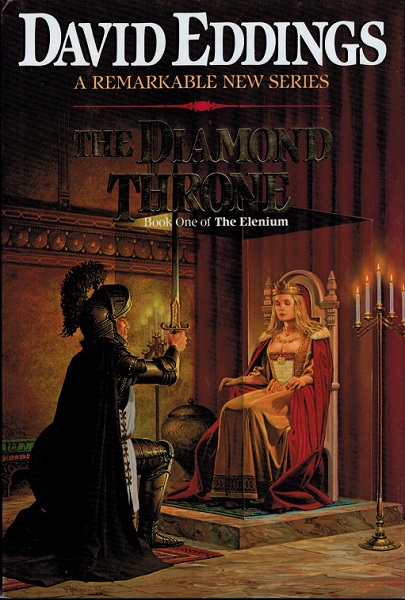
Sir Sparhawk is not a young man, and he has little patience for the pageantry his order pretends to. A Pandion Knight of the militant Elene Church, he rides home from a long exile to find his kingdom rotten with intrigue and his young queen, Ehlana, poisoned — kept alive only inside a shell of living crystal. To wake her he must find Bhelliom, a jewel with the power to remake the world or unmake it. So begins a long ride across the continent of Eosia. This is warm, character-first epic fantasy from David Eddings, told across two trilogies. The Elenium — The Diamond Throne, The Ruby Knight, The Sapphire Rose — pits Sparhawk against a corrupt church and a hungry elder god. The Tamuli — Domes of Fire, The Shining Ones, The Hidden City — carries him east into the vast Tamul Empire, where older enemies stir. Around him gathers a quarrelsome company: the Styric sorceress Sephrenia, the thief-boy Talen, the plain-spoken squire Kurik, and a small, imperious goddess who plays a set of pipes and always, somehow, gets her way. The pleasure here is the talk — grizzled knights trading dry insults between miracles and murders, a hero who solves as many problems with patience as with a sword. It never reaches for grimness or grand obscurity; it wants your good company for a long journey. Newcomers begin with The Diamond Throne and read the six in order: the Elenium stands whole on its own before the Tamuli widens the map.
- The Well at the World's End
William Morrisstandalone novel1896
similar byfantasysecondary worldepic fantasy
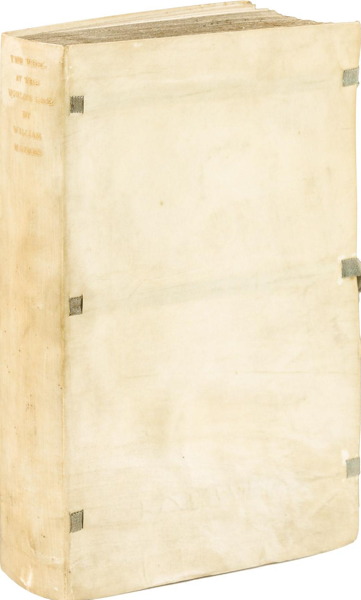
The Well at the World's End is a high fantasy novel by the British textile designer, poet, and author William Morris. It was first published in 1896 and has been reprinted repeatedly since, most notably in two parts as the 20th and 21st volumes of the Ballantine Adult Fantasy series, in August and September 1970.
- Elenium
series3 books1989
completed
part of Sparhawk
similar byfantasysecondary worldepic fantasy
The Elenium is a series of fantasy novels by American writer David Eddings. The series consists of three volumes: The Diamond Throne, The Ruby Knight, and The Sapphire Rose. The series is followed by The Tamuli. The Elenium is Eddings' third fantasy series.
- Tigana
Guy Gavriel Kaystandalone novel1990
similar byfantasysecondary worldepic fantasy
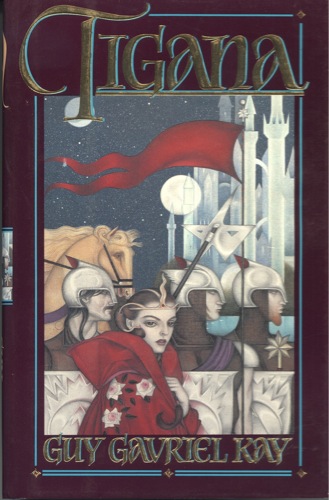
Tigana is a 1990 fantasy novel by Canadian writer Guy Gavriel Kay. The novel is set in a region called the Peninsula of the Palm, which somewhat resembles Renaissance Italy as well as the Peloponnese in shape.
- Hawkmoon
series7 books1967
part of Moorcock's Multiverse
similar bysecondary worldepic fantasy+1 more
The History of the Runestaff is an omnibus collection of four fantasy novels by British writer Michael Moorcock, consisting of The Jewel in the Skull, The Mad God's Amulet, The Sword of the Dawn, and The Runestaff. Charting the adventures of Dorian Hawkmoon, a version of the Eternal Champion, it takes place in a far-future version of Europe in which the insane rulers of the Dark Empire of Granbretan are engaged in conquering the continent. Written between 1967 and 1969, it is considered a classic of the genre, and has proven highly influential in shaping subsequent authors' works.
- Gentleman Bastard Sequence
series7 books2006
similar byfantasysecondary world
Scott Lynch's Gentleman Bastard sequence follows Locke Lamora, an orphan-raised master thief and con artist, and his gang of 'Gentleman Bastards' as they run elaborate grifts on the nobility of Camorr, a canal city modeled on Renaissance Venice. The Lies of Locke Lamora and its two sequels braid heist capers with flashbacks tracing how the gang was trained, escalating into a wider conflict involving crime lords and sorcerers. Lynch has planned seven books in total; three have been published so far, with long gaps between installments.
- A Court of Thorns and Roses
series6 books2015
similar byfantasysecondary world+1 more
A Court of Thorns and Roses is a fantasy romance series by American author Sarah J. Maas, which follows the journey of 19-year-old Feyre Archeron after she is brought into the faerie lands of Prythian. The first book of the series, A Court of Thorns and Roses, was published in May 2015. The series centers on Feyre's adventures across Prythian and the faerie courts, following the epic love story and fierce struggle that ensues after she enters the fae lands. The series has sold over 13 million copies. There are currently five novels in the series, with the sixth scheduled to release on October 27, 2026, and the seventh on January 12, 2027. An eighth installment is set to conclude the continuous story told across books six, seven and eight.
- The Quest of the Riddle-Master
series3 books1976
completed
similar byfantasysecondary worldepic fantasy
Patricia A. McKillip's Riddle-Master trilogy follows Morgon, prince of the small island of Hed, whose discovery of three star-shaped birthmarks on his forehead draws him into a search for his own hidden identity and a confrontation with ancient, shape-shifting powers. Drawing on Celtic myth, the three books are prized for their lyrical prose and riddle-based magic, and are often cited among the best high fantasy of the 1970s.
- Song of the Lioness
series5 books1983
part of Tortall
similar byfantasysecondary world
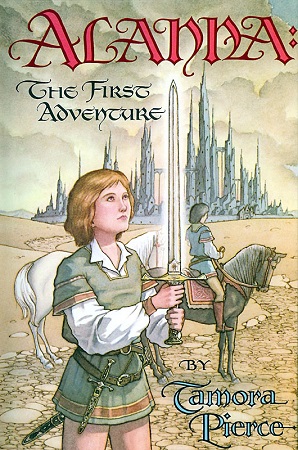
The Song of the Lioness is a young adult series of fantasy novels published in the 1980s by Tamora Pierce. The series consists of four books: Alanna: The First Adventure (1983), In the Hand of the Goddess (1984), The Woman Who Rides Like a Man (1986) and Lioness Rampant (1988).
- The Deed of Paksenarrion
series4 books1988
part of Paksenarrion
similar byfantasysecondary worldepic fantasy
Elizabeth Moon's The Deed of Paksenarrion follows Paksenarrion Dorthansdotter, a sheepfarmer's daughter who leaves home to become a mercenary soldier and, over the course of three novels, a paladin. Grounded in the practical, unglamorous realities of military life before turning toward divine calling, the trilogy was originally published in 1988-89 and later collected as one omnibus. It's known for its grounded approach to fantasy soldiering, informed by Moon's own military background.
- Forgotten Realms
universe526 books1987
Start hereForgotten Realms: The Legend of Drizzt · Start here
similar byfantasysecondary worldepic fantasy
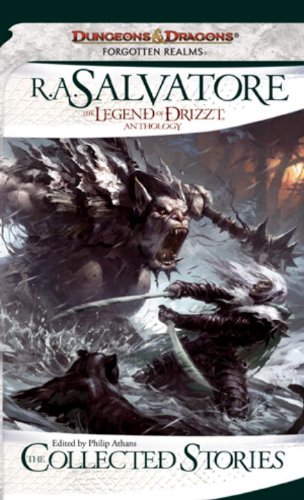
Come in from the cold and mind the door — the wind off the Sword Coast has teeth. Faerûn is a lived-in world, the best-charted of the many lands that share the sky of Toril: a continent of walled cities and haunted wilds where the gods are near enough to answer, magic is a craft with rules and a cost, and every tavern hearth throws light on someone with a blade, a grudge, or a tale worth the telling. Beneath it all lies the Underdark, that black underland where the drow raise their spider-city of Menzoberranzan; above, the merchant towers of Waterdeep, the frost of Icewind Dale, the ruin-strewn North. This is the sword-and-sorcery world of Dungeons & Dragons rendered into prose — grand, generous, and endlessly walkable. It is a world of many hands, and the shelf shows it: some five hundred novels across eighty-odd cycles, uneven as any long telling but rich past counting. R. A. Salvatore's dark-elf ranger Drizzt Do'Urden anchors the whole — the Icewind Dale and Dark Elf trilogies and the long saga that follows. Ed Greenwood, who first dreamed the Realms, chronicles the Old Mage in the Elminster books. Around them turn the god-walking Avatar cycle and its Time of Troubles, the six-author War of the Spider Queen, Salvatore's Cleric Quintet, and Elaine Cunningham's elf-and-drow songs; Troy Denning and a company of others fill the marches between. What holds it together is warmth — the register of a bard who wants you fed and seated before the tale turns. Newcomers should follow Drizzt first: read Homeland and the Dark Elf trilogy for his beginning, or The Crystal Shard as first readers met him. Either door opens the Realms; the other eighty cycles wait past it.