More like Shadowbreaker
anchored on:science fictionfar futuremilitary science fictionspaceother star systems
but
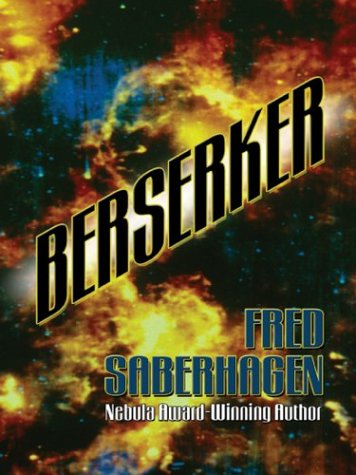
- Berserker (Fred Saberhagen)
series59 books1963
similar byfar futurescience fictionspaceother star systemswartense+3 more
The Berserker series is a series of space opera science fiction short stories and novels by Fred Saberhagen, in which robotic self-replicating machines strive to destroy all life.
- Forever War
series10 books1972
similar byscience fictionfar futuremilitary science fictionspace+4 more
Joe Haldeman's The Forever War (1974) follows a soldier conscripted into a centuries-long interstellar war against the alien Taurans, using relativistic space travel so that months spent in transit correspond to years or decades passing back on Earth. Haldeman later returned to the same conflict in Forever Peace (1997), a thematically connected but separate story, and Forever Free (1999), a direct sequel set years after the original war's end. The first novel won the Hugo, Nebula, and Locus awards and is considered a foundational work of military science fiction.
- Xan-Sskarn War
series1 book2010
similar bydarkfar futurescience fictionmilitary science fictionspaceother star systemsalienswar+2 more
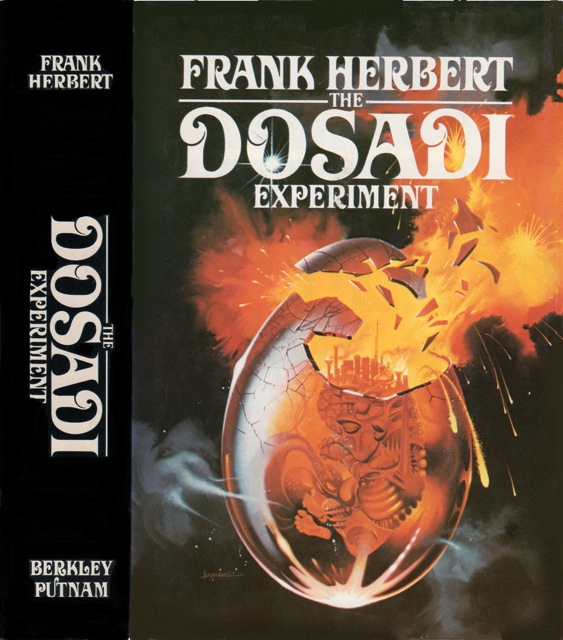
- The Dosadi Experiment
Frank Herbertstandalone novel1977
similar bysurvivalfar futurescience fictionother star systemsalienstense+1 more
From the flaps of the Berkley Putnam first edition: "In his first new work of science fiction since the best-selling Children of Dune, Frank Herbert returns to his world of Whipping Star, and involves Jorj X. McKie, Saboteur Extraordinary, in a new intrigue. In Whipping Star, McKie discovered that some of the stars in the universe are actually intelligent, super-powerful beings, and was able to befriend one of them, the star Alcyone - affectionately known as Fannie Mae. As The Dosadi Experiment opens, McKie is assigned to investigate the planet Dosadi, which is isolated from the rest of the galaxy by a "god-wall," a barrier set up by one of the intelligent stars. Dosadi is rumored to be an experimental planet, and the experimenters are the froglike Gowachin, whose culture is founded upon a strange legal system in which McKie is the only human ever trained. He learns that humans and Gowachin have been placed on Dosadi, without their consent, for an experiment that could last centuries: an experiment in extreme overcrowding. But this monstrous plot is apparently out of control, and it seems the Gowachin may be prepared to destroy Dosadi rather than expose its secret, thus breaking the peace among the races, and starting the first interstellar war. But this is just the beginning. When McKie finally reaches Dosadi he discovers that the Dosadis have taken control of their own evolution and produced a competitive, highly evolved elite, of both humans and Gowachin, who have been able to extrapolate the existence of a universe beyond the god-wall and hate whoever has imprisoned them like this. They plan to break out and avenge themselves on the galaxy."
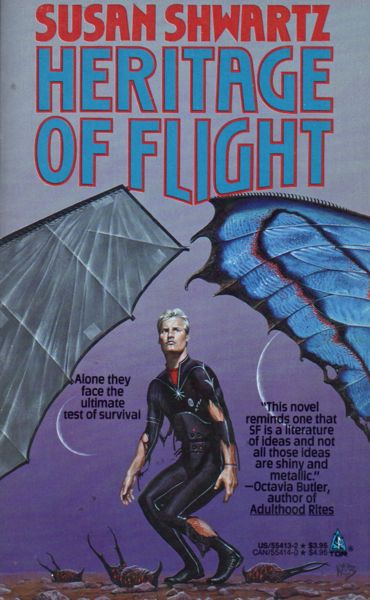
- Heritage of Flight
Susan Shwartzstandalone novel1989
similar bysurvivaldarkfar futurescience fictionmilitary science fictionspaceother star systemsaliens+2 more
From the back cover of the Tor first edition: "Pauli Yeager knew how to survive in deep space; as senior fighter pilot for the battleship Amherst she had logged years of combat experience. But she knew she wasn't prepared for the new command. Project Seedcorn was the last hope of an ambitious race. Humanity was embroiled in a planet-slagging war that promised a fast and final death. The small group of refugees hidden on the fringe of human-occupied space was ordered to live and be human. THe initial survey had shown no life on Cynthia, but there was life, intelligent life... huge graceful creatures with iridescent wings. They filled the sky with splendor and covered the ground with a legacy of horror. The simple command, live and be human, became an epitaph. Survival depended on the children - human and Cynthian - and Paul had to convince her people to commit a heinous crime or watch their children die..."
- Dune
series20 books1963
part of Dune Universe
similar byfar futurescience fictionother star systems+2 more
Frank Herbert's Dune Chronicles opens with 1965's Dune, set on the desert planet Arrakis where House Atreides takes control of the only source of the vital spice melange and young Paul Atreides is pulled into a struggle over its politics and religion. Herbert carried the story forward across five further novels — Dune Messiah, Children of Dune, God Emperor of Dune, Heretics of Dune, and Chapterhouse: Dune — following Paul's line over the following millennia, before Brian Herbert and Kevin J. Anderson later extended the saga. Many other editions of these six novels are omnibus and box-set repackagings rather than separate stories.
- Providence
Max Barrystandalone novel2020
similar bysurvivalfar futurescience fictionmilitary science fictionspacealienswartense+1 more
Providence is the sixth novel by Australian science fiction author Max Barry. It was published in March 2020 by Putnam.
- The Stars My Destination
Alfred Besterstandalone novel1956
similar bysurvivaldarkfar futurescience fictionspaceother star systems
When a passing spaceship refuses to rescue the lone survivor from the drifting wreck of another ship, he dedicates his life to discovering who made that decision and exacting his revenge, in the process altering human history and his own character.
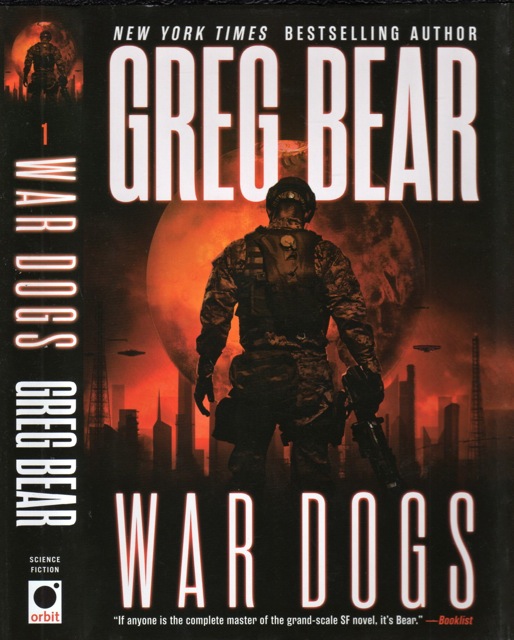
- War Dogs
series3 books2014
completed
similar byscience fictionmilitary science fictionspace+6 more
Greg Bear's trilogy opens with humanity fighting an entrenched, technologically superior alien presence across the Solar System, following a soldier drafted into a war whose true stakes he only gradually understands. War Dogs (later reissued as War Dogs: Ares Rising) was followed by Killing Titan and Take Back the Sky as the scope of the alien threat, and the deceptions surrounding it, widens.
- Ocean / Galactic Center
series12 books1972
similar byscience fictionfar futurealiens+6 more
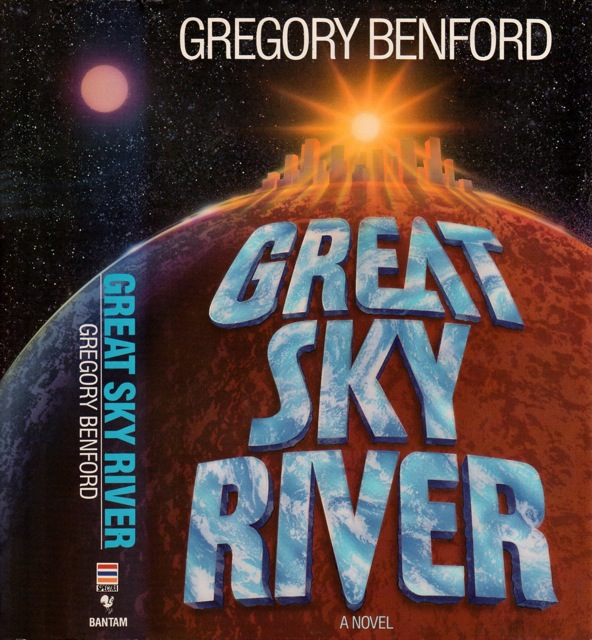
The Galactic Center Saga is a series of books by author Gregory Benford detailing a galactic war between mechanical and biological life.In the Ocean of Night (1977) — 1977 Nebula Award nominee, 1978 Locus Award nominee Across the Sea of Suns (1984) Great Sky River (1987) — 1988 Nebula Nominee Tides of Light (1989) — 1990 Locus Award nominee Furious Gulf (1994) Sailing Bright Eternity (1996) "A Hunger for the Infinite" a novella published in the anthology Far Horizons
- The Hunger Games
series3 books2008
part of The Hunger Games Universe
similar bysurvivaldarkfar futurescience fictiontense+1 more
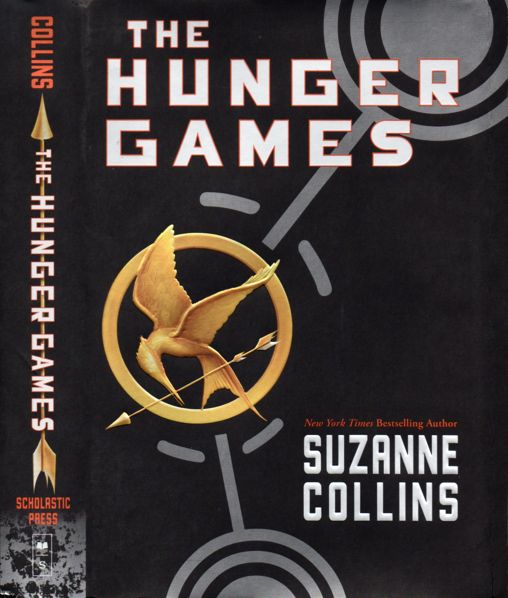
The Hunger Games is a series of young adult dystopian novels written by American author Suzanne Collins. The series consists of a trilogy that follows teenage protagonist Katniss Everdeen, as well as two prequels. The Hunger Games universe is a dystopia set in Panem, a post-apocalyptic North American country consisting of the wealthy Capitol and 12 districts in varying states of poverty. As punishment for rebellion, the Capitol hosts an annual battle royale competition called The Hunger Games. Each of the 12 districts must send two children between the ages of 12 and 18 to participate, and the last surviving child is dubbed the victor.
- Chaos Walking
series5 books2008
similar bydarkfar futurescience fictionother star systemstense+2 more
Chaos Walking is a young adult science fiction series written by American-British novelist Patrick Ness. It is set in a dystopian world where all living creatures can hear each other's thoughts in a stream of images, words, and sounds called Noise. The series is named after a line in the first book: "The Noise is a man unfiltered, and without a filter, a man is just chaos walking." The series consists of a trilogy of novels and three short stories.
- Pandora
series4 books1966
similar bysurvivalfar futurescience fictionother star systems+2 more
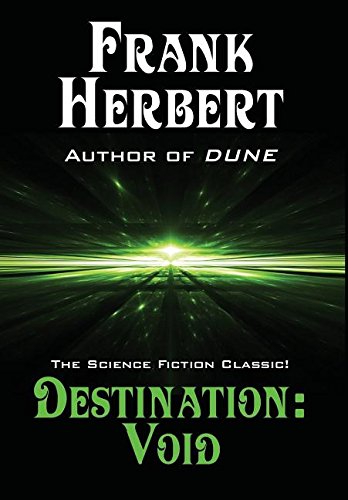
The Pandora Sequence opens with Frank Herbert's solo novel Destination: Void, in which a starship crew must jury-rig a working artificial consciousness after their vessel's control systems fail. Bill Ransom co-writes the three novels that follow, carrying the survivors to the world Pandora, where they must contend with both a manipulative machine intelligence and the planet's own hostile ecology. Across its four books the series moves from a claustrophobic ship-bound crisis to a generations-long struggle over faith, control, and survival on a dangerous new world.
- The Hunger Games Universe
universe5 books2008
Start hereThe Hunger Games · Start here
similar bysurvivaldarkfar futurescience fictiontense+1 more
Panem, they call it now — a nation raised on the drowned bones of North America, a glittering Capitol ringed by twelve districts it once starved into obedience. Every year the Capitol collects its debt in children: two tributes from each district, drawn by lottery, dropped into an engineered arena, and made to kill one another on live television while the whole country is required to watch. This is the Hunger Games — entertainment, punishment, and government at once. Suzanne Collins tells it in a compact, unified body of work. The founding trilogy — The Hunger Games, Catching Fire, and Mockingjay — follows Katniss Everdeen, a girl from the coal-mining District 12 who volunteers in her sister's place and becomes something the Capitol never scripted. Two prequels reach back into the same machinery: The Ballad of Songbirds and Snakes traces a young Coriolanus Snow long before he is President, and Sunrise on the Reaping returns to District 12 a generation ahead of Katniss. Begin with the trilogy, in order — it is Katniss's voice, close and present-tense, that makes Panem breathe, and the prequels land hardest once you know how her story ends. Beneath the spectacle sits one steady, uncomfortable question: who profits when we agree to look away.
- Company Wars
series7 books1981
part of Alliance-Union Universe
similar byfar futurescience fictionspacetense+2 more
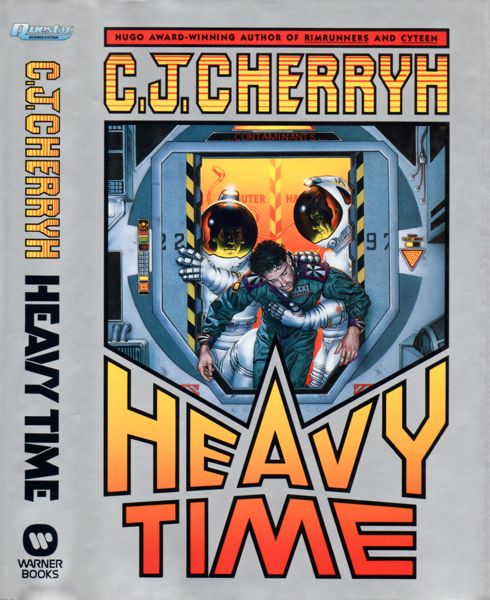
Company Wars gathers the novels C. J. Cherryh set during the breakaway conflict between Earth's colonial Company and the newly independent Union, within her wider Alliance-Union future history. Anchored by the Hugo Award-winning Downbelow Station, the books follow different ships, stations, and crews caught on either side, from merchanter traders to military spacers, rather than a single continuing cast. Read in any order, they build up a picture of the political and economic pressure that reshapes Cherryh's larger Alliance-Union universe.
- Forge of God
series2 books1987
completed
similar bysurvivaldarkscience fictionalienstense+3 more
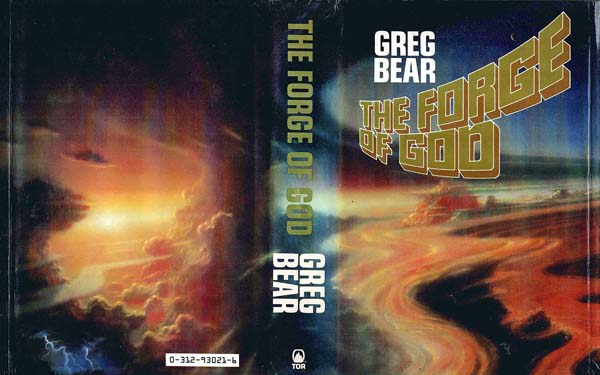
The Forge of God (1987) is Greg Bear's science fiction novel about Earth's discovery that it is the target of an incomprehensible, overwhelming alien attack, following scientists and ordinary people as they try to understand what is destroying the planet. Its 1992 sequel, Anvil of Stars, follows a group of young survivors sent on a mission of interstellar retaliation, continuing directly from the first book's ending.
- Halo
series66 books2001
part of Halo Universe
similar byfar futurescience fictionmilitary science fictionother star systemsspace+3 more
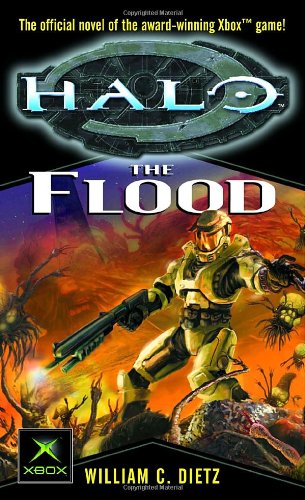
Halo's tie-in novels expand the video-game franchise's war between humanity and the alien Covenant, and later the ancient Forerunners, across dozens of books by a rotating slate of authors overseen by the franchise's owner (Bungie, then 343 Industries). Eric Nylund's The Fall of Reach, chronicling the Master Chief's childhood conscription into the Spartan program, launched the line alongside the first game in 2001, and it has since grown to cover side characters, prequels, and new eras of the setting. It's licensed franchise fiction rather than a single authored series.
- Armor
John Steakleystandalone novel1984
similar bydarkfar futurescience fictionmilitary science fictionother star systemsalienswartense
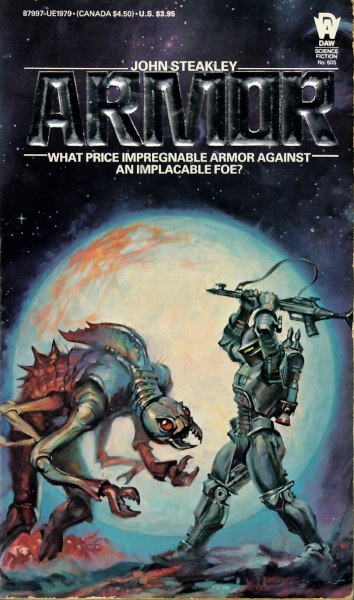
Armor is a military science fiction novel by John Steakley. It features the military use of exoskeletons and insect-like alien enemies but concentrates on the psychological effects of violence on human beings.
- Dune Universe
universe78 books1963
Start hereDune · Start here
similar byfar futurescience fictionother star systems+2 more
Arrakis. Dune. The desert planet, where empire runs on a single substance: the spice melange, which folds space, prolongs life, and unlocks prescience, and which exists nowhere else in the known universe. Frank Herbert's saga is a meditation dressed as an adventure — feudal houses and a secret sisterhood, engineered messiahs and the patient ecology of a world without water, all turning on the terrible gravity of who commands the spice. It reads like scripture and schemes like a war room, ten thousand years hence, among people who have outlawed the thinking machine and made instruments of themselves instead. At its heart stand Herbert's original six — Dune, Dune Messiah, Children of Dune, God Emperor of Dune, Heretics of Dune, Chapterhouse: Dune — a single deepening arc across millennia, arguing the whole way between prophecy and free will. Around that spine his son Brian Herbert and Kevin J. Anderson have raised a vast prequel architecture: Prelude to Dune, tracing the great houses a generation before Paul; Legends of Dune, reaching back to the crusade that broke the machines; the Schools of Dune cycle on the founding of Bene Gesserit, Mentat, and Navigator; the Caladan Trilogy and Heroes of Dune filling years the originals left in shadow. Many hands, dozens of volumes, one desert. What sets Dune apart is its refusal of the simple: religion is manufactured, heroes are hazards, and the sand itself — worm, water, ecology — acts as a political power. Begin where the universe did, with Frank Herbert's Dune (1965), and read the original six in order; you need nothing else to feel the full weight. The prequels are a country to explore afterward, taken by era. Beginnings are delicate times.
- Ender Wiggin
series14 books1977
part of Ender's Game Universe
similar byfar futurescience fictionother star systemsaliens+2 more
Orson Scott Card's Ender's Game (1985, expanded from his 1977 novella) follows child prodigy Andrew "Ender" Wiggin as he is recruited into a military training program built to prepare Earth's defenses for an anticipated third war against an insectoid alien species known as the Formics. The saga continues years later through Speaker for the Dead and Xenocide, following an older Ender as he confronts the moral weight of his role in that earlier conflict, and concludes the core arc in Children of the Mind, with Ender in Exile filling in the years between the first two books. Set within the wider Ender's Game universe, the series shifts from military coming-of-age story to slower, more philosophical science fiction as it progresses.
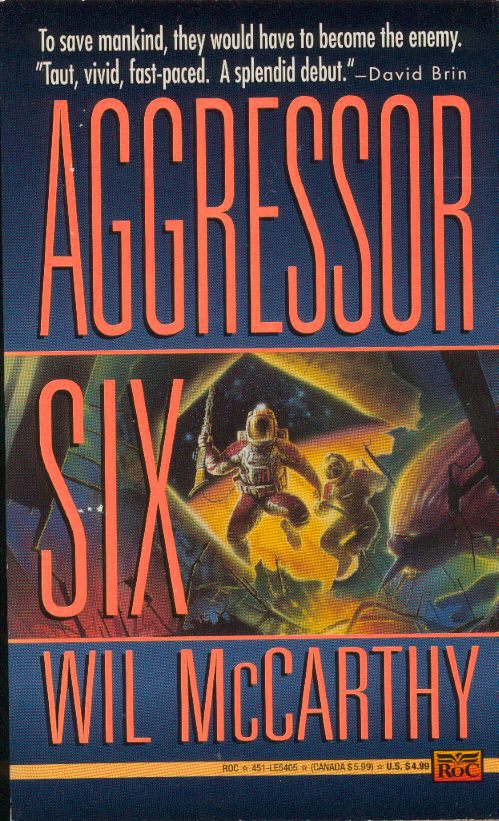
- Aggressor Six
series2 books1994
similar byfar futurescience fictionmilitary science fictionspaceother star systemsalienswartense+2 more
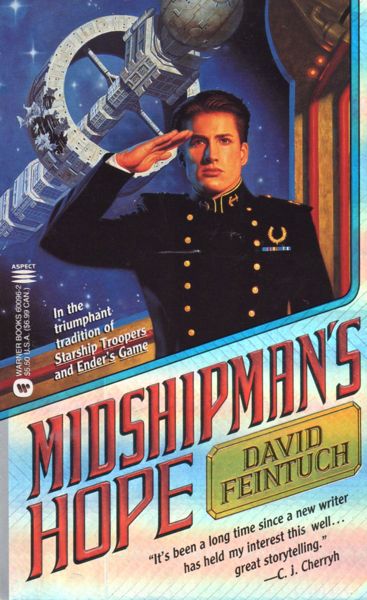
- Nicholas Seafort
series7 books1994
completed
similar byscience fictionfar futuremilitary science fictionspacewartense+3 more
The Seafort Saga is a series of science fiction novels written by American author David Feintuch. The novels are set from the late 22nd century to the mid-23rd century and relate the adventures of Nicholas Seafort, an officer in the (fictional) UNNS| United Nations Naval Service. The series is a collection of personal accounts, usually from the perspective of Nicholas Seafort, describing Seafort's adventures, beginning as a lowly midshipman, to the elected leader of earth, and finally to the captain of the UNNS flagship Olympiad. Although most books in the series are told from a single perspective, usually Seafort's, Voices of Hope is a collection of accounts from several sources: Seafort's son, PT, the son of a friend of Seafort's, and a transient boy named Pook. Additionally, Children of Hope is narrated by Randy Carr, the son of a close friend of Seafort.
- Rise of the Jain
series3 books2018
part of Polity
similar byfar futurescience fictionmilitary science fictionspaceother star systemsalienswartense+1 more