
Fuzzy Sequence 1962
Little Fuzzy opens the most self-contained corner (from 1962); the Federation stories widen from there.
Open series →
Universe
H. Beam Piper, Dietmar Arthur Wehr, John F. Carr, David Johnson (II), Wolfgang Diehr, Mike Robertson, Terry Mancour, Ardath Mayhar, Benson Parker, John Scalzi, Jonathan Crocker & William Tuning · 15 series · 30 novels · 3 novellas · 11 novelettes · 1 short story · 2 collections · 1 anthology · 1952–2024
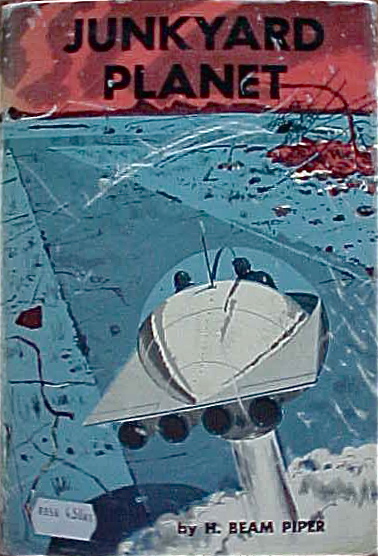
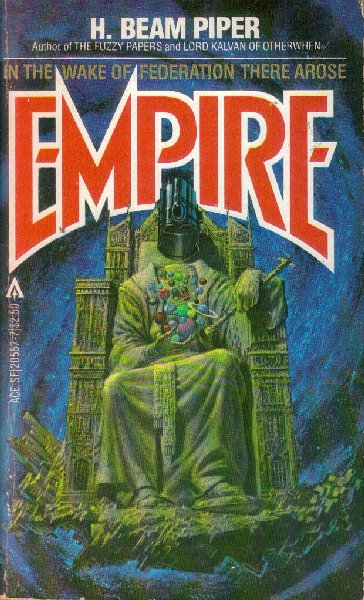
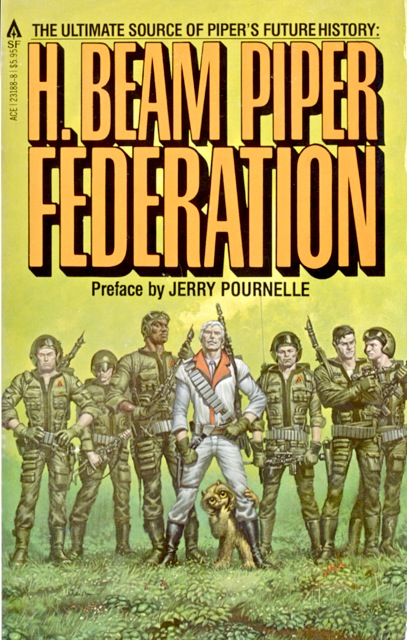
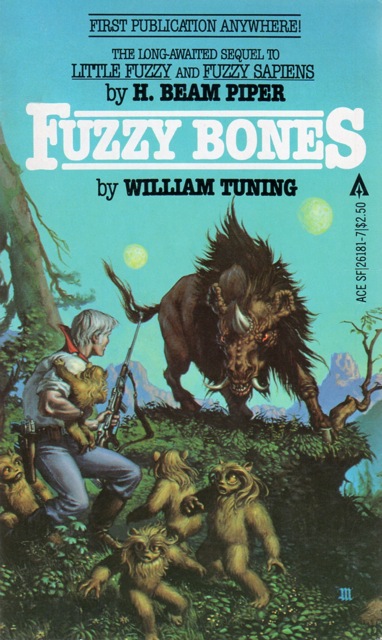
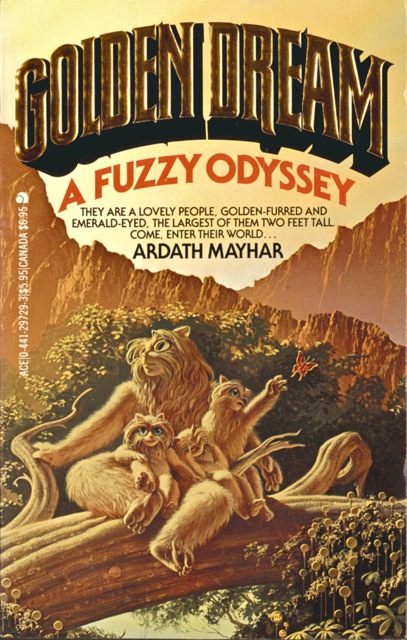
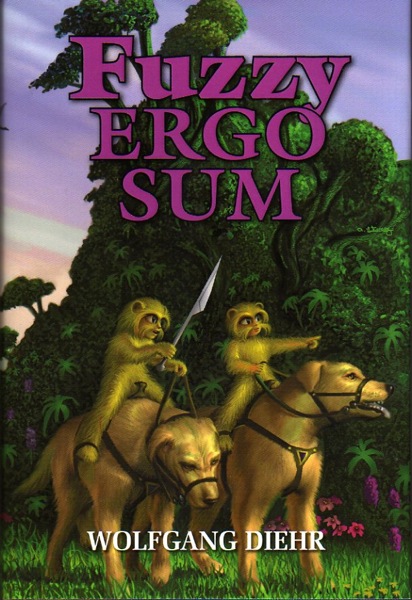
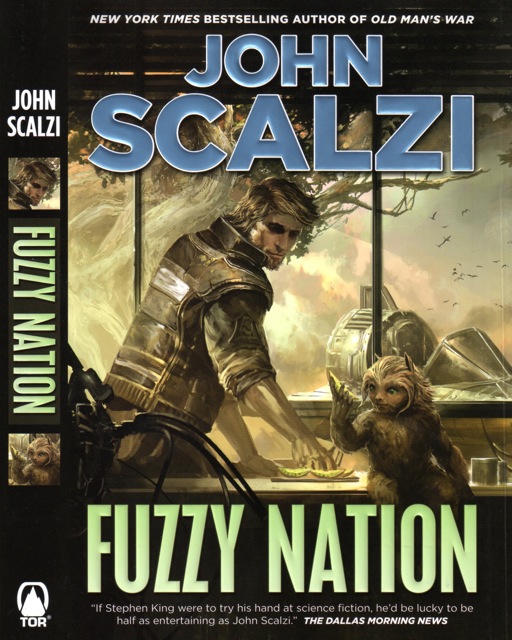
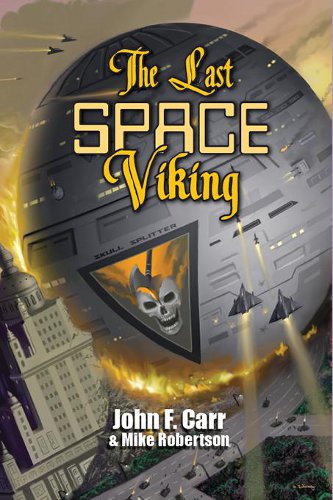
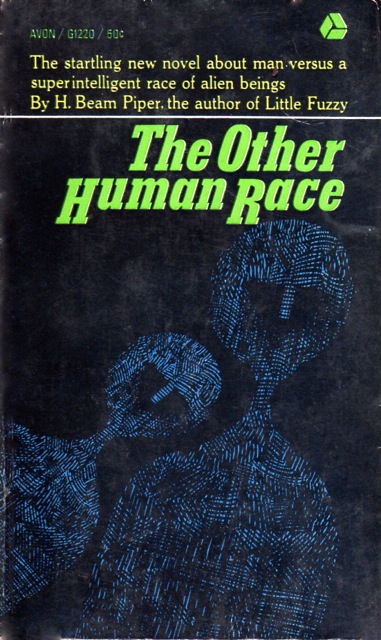
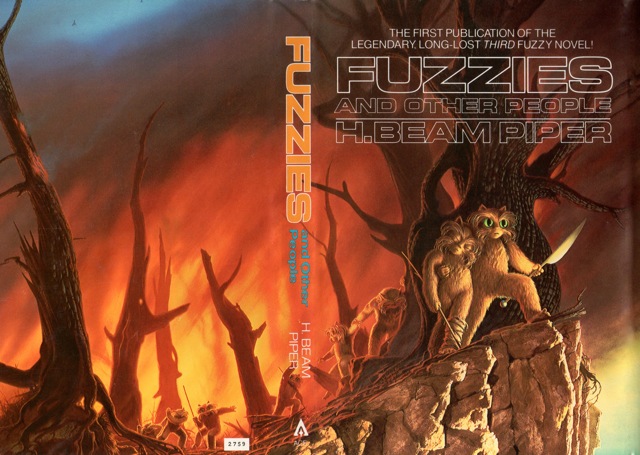
History does not repeat, Piper's chroniclers are fond of saying — it rhymes, and it rhymes in iron. Reckon the years from the first atomic pile, 1942, Year One of the Atomic Era, and follow the ledger forward some six thousand years: out of a nuclear war that nearly ended everything, up through the Terran Federation and its reach into the stars, down again through collapse and a long neobarbaric dark, and back up into the enlightened empires that rise from the ruins. It is one continuous future history — not a plot but a chronicle, worlds and centuries sharing a single unbroken timeline. H. Beam Piper assembled it in pieces through the 1950s and 60s, novels and novellas bound by chronology rather than by recurring heroes. The anchors are Little Fuzzy, a courtroom argument over whether a small golden native of Zarathustra is a person; Space Viking, raid and revenge amid the wreckage of the interregnum; and the Federation-era Four-Day Planet, The Cosmic Computer, and Uller Uprising. The eras sort cleanly — Federation, the System States War, the Space Vikings of the long dark, the Empire. After Piper's death in 1964 other hands took up the ledger: John F. Carr, who arranged the short fiction into the chronological Federation and Empire collections and carried on the Tanith and Space Viking line, plus Wolfgang Diehr's Fuzzy sequels and Dietmar Arthur Wehr's additions. The register is sober and engineer-eyed — competent men solving hard problems, empires ruled by benign despots, the cool conviction that civilizations rise and fall to the same recurring script. It ranges from the sunlit warmth of the Fuzzy books to the cold steel of a Viking raid. Newcomers start with Little Fuzzy, the warmest and most self-contained, or with Space Viking.
Summary by Loreful, from public sources
One way in for Terro-Human Future History.
7 novels
✦ Curated by the Loreful team
38 works not in this orderH. Beam Piper's own Fuzzy trilogy — its third volume found among his papers and published twenty years after his death — is the most self-contained corner of his Terro-Human Future History and the natural way in. The other four novels Piper set in the same future history are standalone adventures with different casts, not a continuing story, so they follow as further reading rather than a fixed plot order. Everything published after Piper's 1964 death by other hands — later Fuzzy sequels, Space Viking and Poictesme continuations, John Scalzi's Fuzzy Nation reboot, and the entire separate 'Terro-Human (Wehr)' line — is left out; those are other-hands follow-ons, not Piper's own path.
Terro-Human Future History at the centre, 15 branches around it.
What this universe published, when, and what it is made of.
48 works · 1952–2024 · busiest 2017 (7 works) · longest gap 26 years (1985–2010)
Empty columns are silent years — nothing published. The longest silence here is 26 years, 1985–2010.
See every work ↓30 novels · 3 novellas · 11 novelettes · 1 short story · 2 collections · 1 anthology
12 authors
reads like:science fictionaliensother star systemsfar futureadventurousadult
Bright and intense: 58% of this universe's placed works, the catalog's 44%.
this universe · the catalog · one dot = one book36 of 48 works carry a tone
Every work, three ways to look at it.
Series and publication data from ISFDB, CC BY 4.0. Branch grouping is derived, not curated.