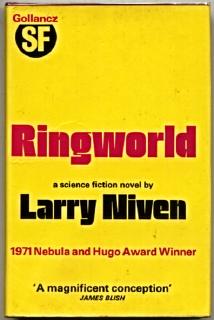
Ringworld 1970
Open book →
Universe
Larry Niven, Hal Colebatch, Matthew Joseph Harrington, S. M. Stirling, Jerry Pournelle, Jessica Q. Fox, Paul Chafe, Dean Ing, Edward M. Lerner, Poul Anderson, Alex Hernandez, Charles E. Gannon, David Bartell, Donald Kingsbury, Gregory Benford, Jane Lindskold, Mark O. Martin, Thomas T. Thomas, Brad R. Torgersen, Brendan DuBois, Greg Bear, Jason Fregeau, Jean Lamb, Martin L. Shoemaker, Steven Barnes, uncredited & Warren W. James · 5 series · 23 novels · 27 novellas · 29 novelettes · 39 short stories · 9 collections · 15 anthologies · 1964–2022
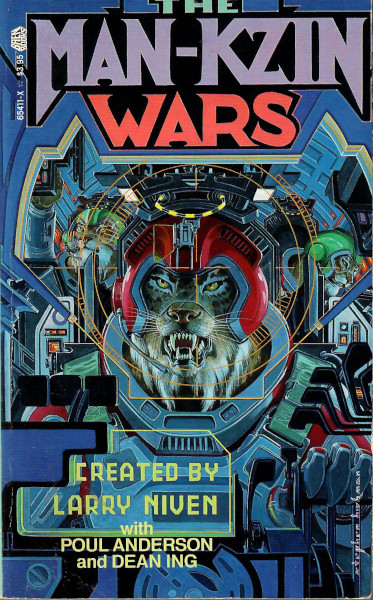
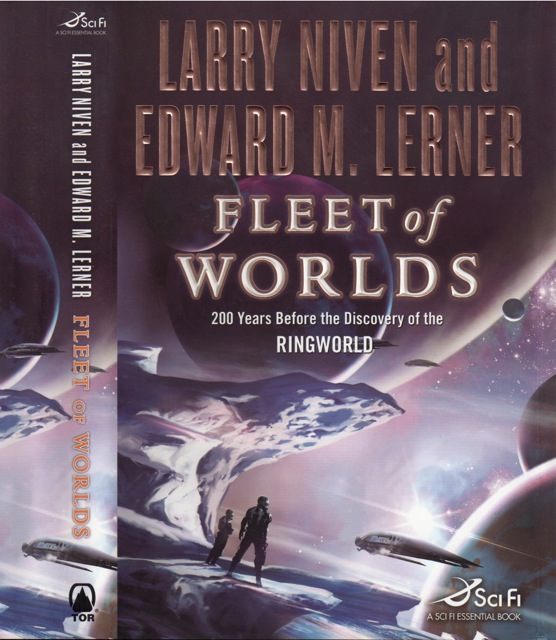
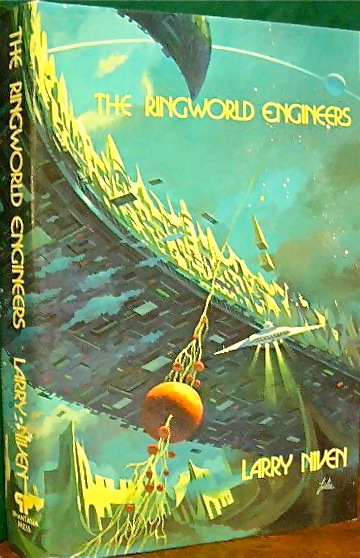
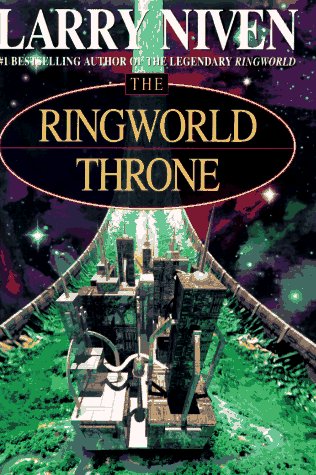
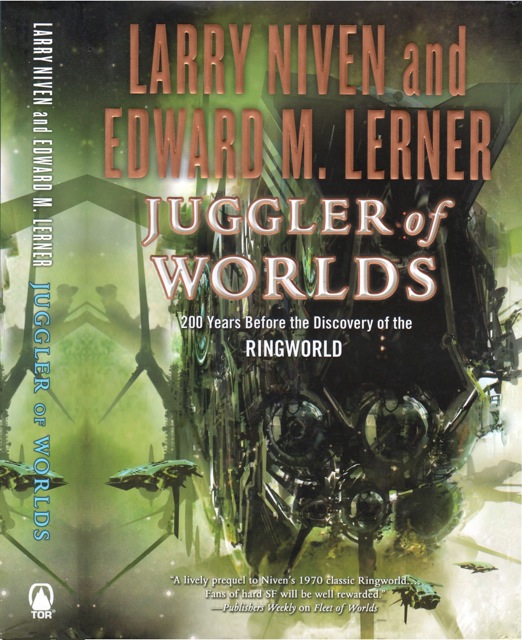
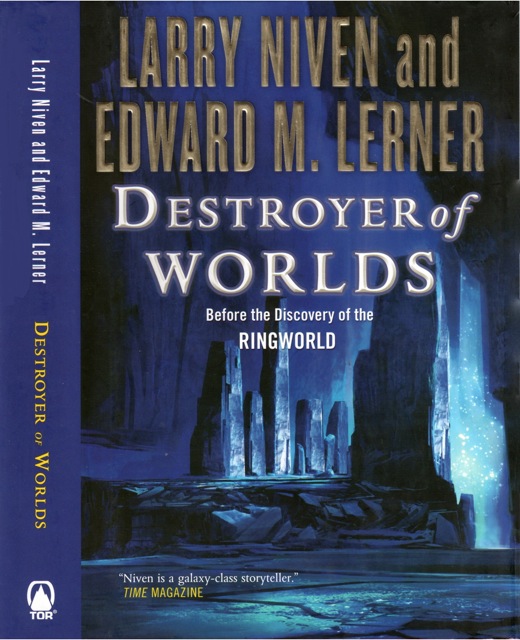
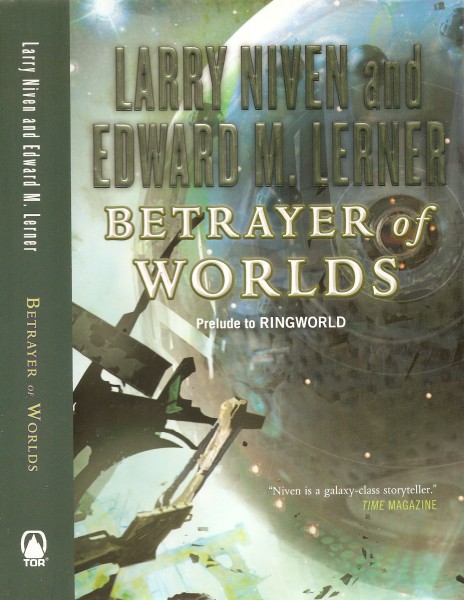
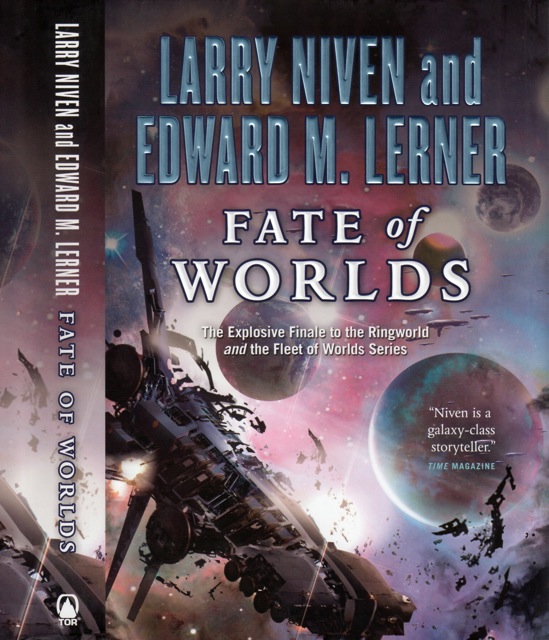
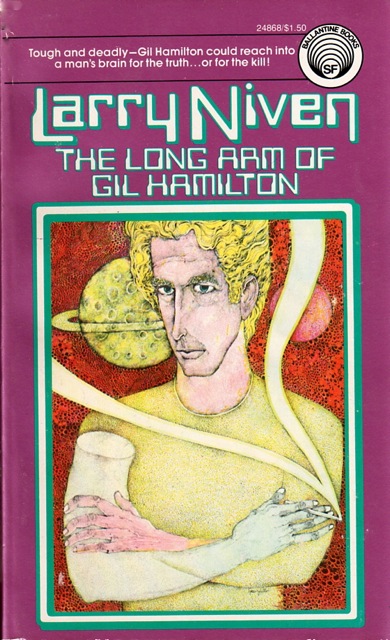
Give a clever species a few centuries and a working fusion drive, and it will fill the sky with problems. Known Space is Larry Niven's future history of exactly that: humanity spreading from a crowded Earth out to the asteroid Belt, then to the nearer stars, only to find the neighbourhood already occupied. Cat-like Kzin who attack before they can win. Two-headed Pierson's Puppeteers who manufacture entire disasters out of cowardice and long-range self-interest. And, out past the edge of the maps, an artifact so large it makes a solar system look wasteful. The body of work is a loose chronology assembled over decades, not a single marching series. Near-future shorts trace the Belters, organ-bank law, and Gil "the ARM" Hamilton's detective cases; the Man-Kzin Wars fill the gap left when Niven opened his sandbox to other hands — Hal Colebatch, Matthew Joseph Harrington, S. M. Stirling and more building out the war era he left offstage. At the far end stands the Ringworld cycle, and the modern Fleet of Worlds prequels, co-written with Edward M. Lerner, that circle back to explain how the Puppeteers set so much in motion. What holds it together is engineering treated as awe: stasis fields, teleport booths, boosterspice that buys centuries, and structures reasoned out to the last equation until the wonder feels earned rather than granted. Begin with Ringworld (1970), the Hugo and Nebula winner and the natural front door — four mismatched explorers walking a world with the surface area of millions of Earths. Prefer to build up first? The collection Neutron Star is the cleanest short-fiction entry, and Fleet of Worlds a friendly chronological on-ramp.
Summary by Loreful, from public sources
One book per branch.
13 novels · 2 collections
✦ Curated by the Loreful team
94 works not in this orderThe early Known Space novels and the Gil Hamilton cases come first, then the Beowulf Shaeffer stories in Neutron Star that Ringworld takes for granted, and then Ringworld and its three sequels. The Fleet of Worlds books are set earlier but were written decades later and open on things Ringworld reveals, so they follow the Ringworld series: four prequels, then Fate of Worlds, a direct sequel to Ringworld's Children that closes both lines. The Man-Kzin Wars anthologies are a separate shared-world branch, best read through their own series.
Known Space at the centre, 5 branches around it.
What this universe published, when, and what it is made of.
142 works · 1964–2022 · busiest 1968 (10 works) · longest gap 5 years (1981–1985)
Empty columns are silent years — nothing published. The longest silence here is 5 years, 1981–1985.
See every work ↓23 novels · 27 novellas · 29 novelettes · 39 short stories · 9 collections · 15 anthologies
26 authors
Bright and intense: 55% of this universe's placed works, the catalog's 44%.
this universe · the catalog · brighter = more books103 of 145 works carry a tone
Every work, three ways to look at it.
Series and publication data from ISFDB, CC BY 4.0. Branch grouping is derived, not curated.