

Dracula 1897
Bram Stoker's 1897 novel, told in journals and letters, is the origin of the Count and of the modern vampire; everything else here answers to it.
Open book →
Universe
Bram Stoker, Vanessa Knipe, Fred Saberhagen, Robert Lory, Peter Tremayne, R. Chetwynd-Hayes, Dacre Stoker, P. N. Elrod, Adam-Troy Castro, A--e A--e, Alex Peart-Johnson, Ali Rıza Seyfi, Allen C. Kupfer, A. M. Dellamonica, Angus Hall, Barbara Hambly, Brian Gallagher, Brian Hodge, Brian W. Aldiss, Bryony Lavery, Caitlín R. Kiernan, Carla Jablonski, C. Dean Andersson, Chris Rice, Chris Roberson, Christopher Golden, Christopher Schildt, David Wharry, Diane Mowat, Doris Dickens, Doug Lamoreux, Gerald Savory, Ian Holt, Jack Kelly, J. A. Konrath, James V. Hart, J. D. Barker, Jeanne Cavelos, Joan Cameron, Joe Hill, John Burke, John Earl Maberry, John Turvey, Kathe Koja, Kevin Ryan, Kim Antieau, Kris Dikeman, Kristine Kathryn Rusch, Liz Lochhead, Lois Tilton, Margaret Tarner, Melanie Tem, Michael Lawrence, Mike Stocks, Minda Webber, Naching T. Kassa, Nicky Raven, Nina Kiriki Hoffman, Pauline Francis, Paul Monette, Paul Witcover, Rita Oakes, Rosalie Kershaw, Rosie Dickins, Sarah Kelderman, Scarlett Parrish, Stephanie Spinner, Stephen Dedman, Steve Rasnic Tem, Tania Zamorsky, Tanith Lee, Tanya Huff, Tanya Landman, Thomas F. Monteleone, Thomas Tessier, Tim Lucas, Tom Barling, Travis Hiltz, Valdimar Ásmundsson & William D. Carl · 8 series · 48 novels · 6 novellas · 7 novelettes · 76 short stories · 6 collections · 1 anthology · 1897–2025
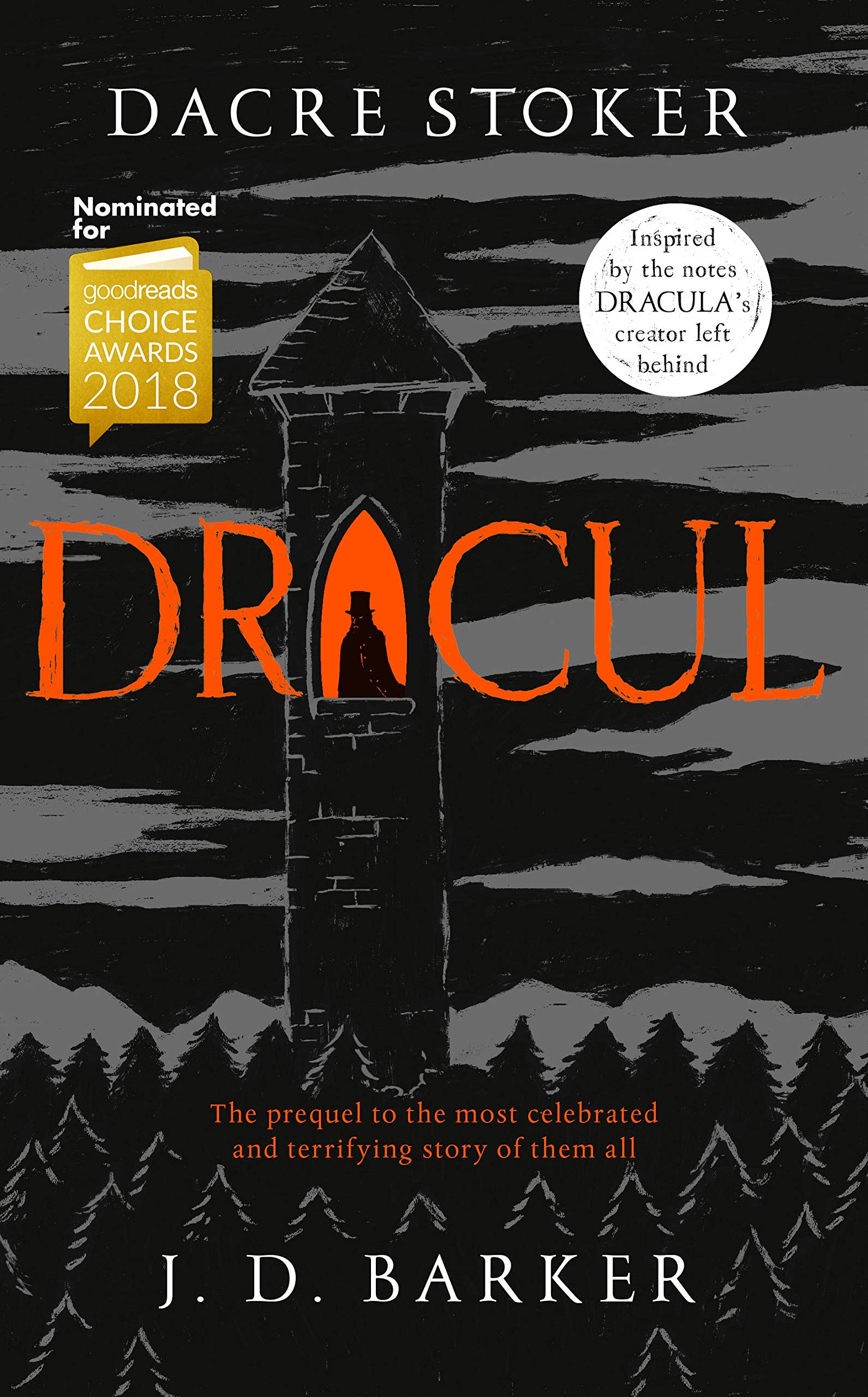
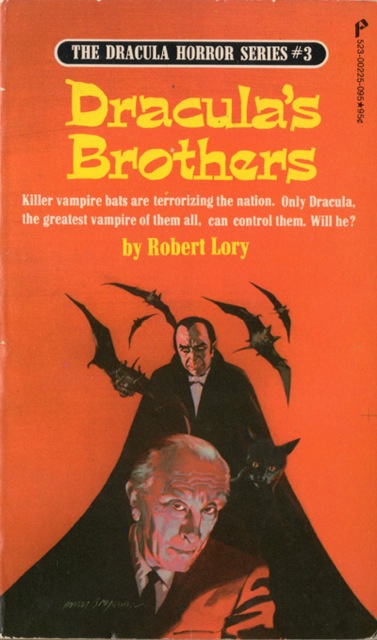
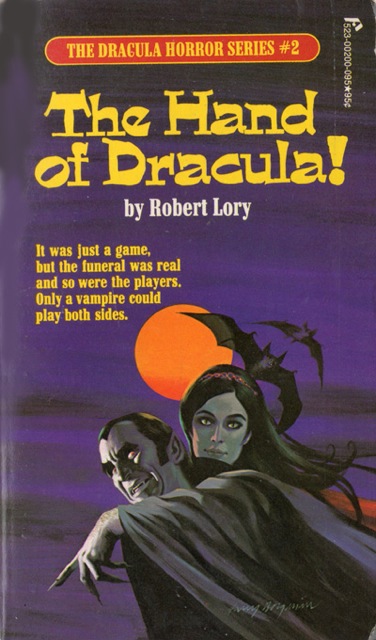
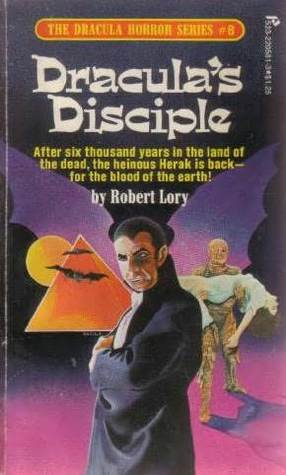
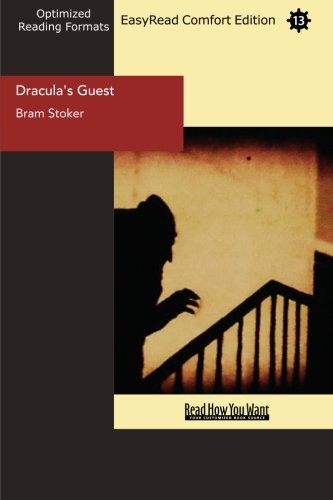
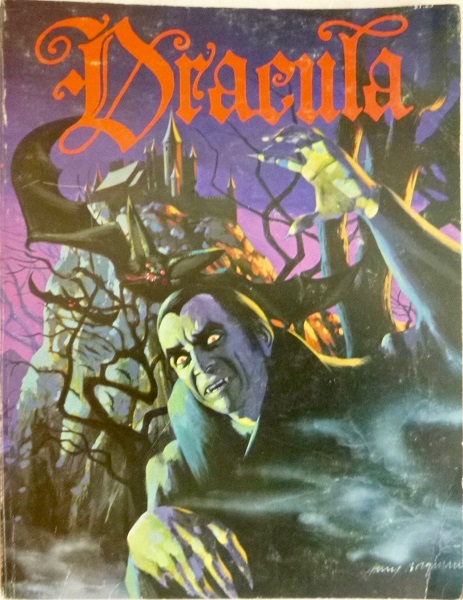
"Come freely. Go safely. And leave something of the happiness you bring" — so the Count greets his guest at the threshold of the Carpathians, and the great door shuts behind. Bram Stoker's Dracula (1897) is the wellspring of the modern vampire: the account of a centuries-old Transylvanian nobleman who quits his crumbling castle for the crowded lodging-houses of London, and the handful of ordinary people — a young solicitor, a doctor of the mad, a professor of stranger learning — who must piece together what he is before he makes the whole city his fold. It is told wholly in fragments: journal entries, letters, telegrams, ships' logs, phonograph cylinders, each hand recording only its own sliver of the dark. Around that single novel a whole crypt of continuations has grown, raised by many writers across a century. Fred Saberhagen's Dracula Sequence hands the Count the microphone, retelling the old events from his own wry, aggrieved lips and following him into later intrigues. Robert Lory's brisk 1970s Dracula Horror Series revives him as a reluctant weapon turned against fouler things; Peter Tremayne's trilogy reaches back along his bloodline; and further sequels, a Quincey Morris spin-off, and Dracula's Children carry the shadow onward. This is a loose shared world built upon a public-domain figure, not one governed continuity — each author remakes him as villain, antihero, or sympathetic narrator. Begin, always, with Stoker's original; the letters and the mounting dread stand entirely on their own. From there follow whichever door tempts you — Saberhagen's The Dracula Tape for the monster's own confession, Lory or Tremayne for tales that never glance back at the Borgo Pass again.
Summary by Loreful, from public sources
Four ways in. Pick the one that sounds like you.
2 series · 33 works
21 more works inside
1 series · 12 works
1 series · 16 works
Open the branch →4 more works inside
1 series · 9 works
1 series · 15 works
Open the branch →3 more works inside
1 series · 2 works
1 series · 3 works
Dracula at the centre, 8 branches around it.
What this universe published, when, and what it is made of.
143 works · 1897–2025 · busiest 2004 (26 works) · longest gap 33 years (1929–1961)
Empty columns are silent years — nothing published. The longest silence here is 33 years, 1929–1961.
See every work ↓Grim and intense: 92% of this universe's placed works, the catalog's 46%.
this universe · the catalog · brighter = more books65 of 144 works carry a tone
Every work, three ways to look at it.
Series and publication data from ISFDB, CC BY 4.0. Branch grouping is derived, not curated.